U.S. Orders Final Withdrawal of 1,000 Troops From Syria by April 2026
Updated (47 articles)
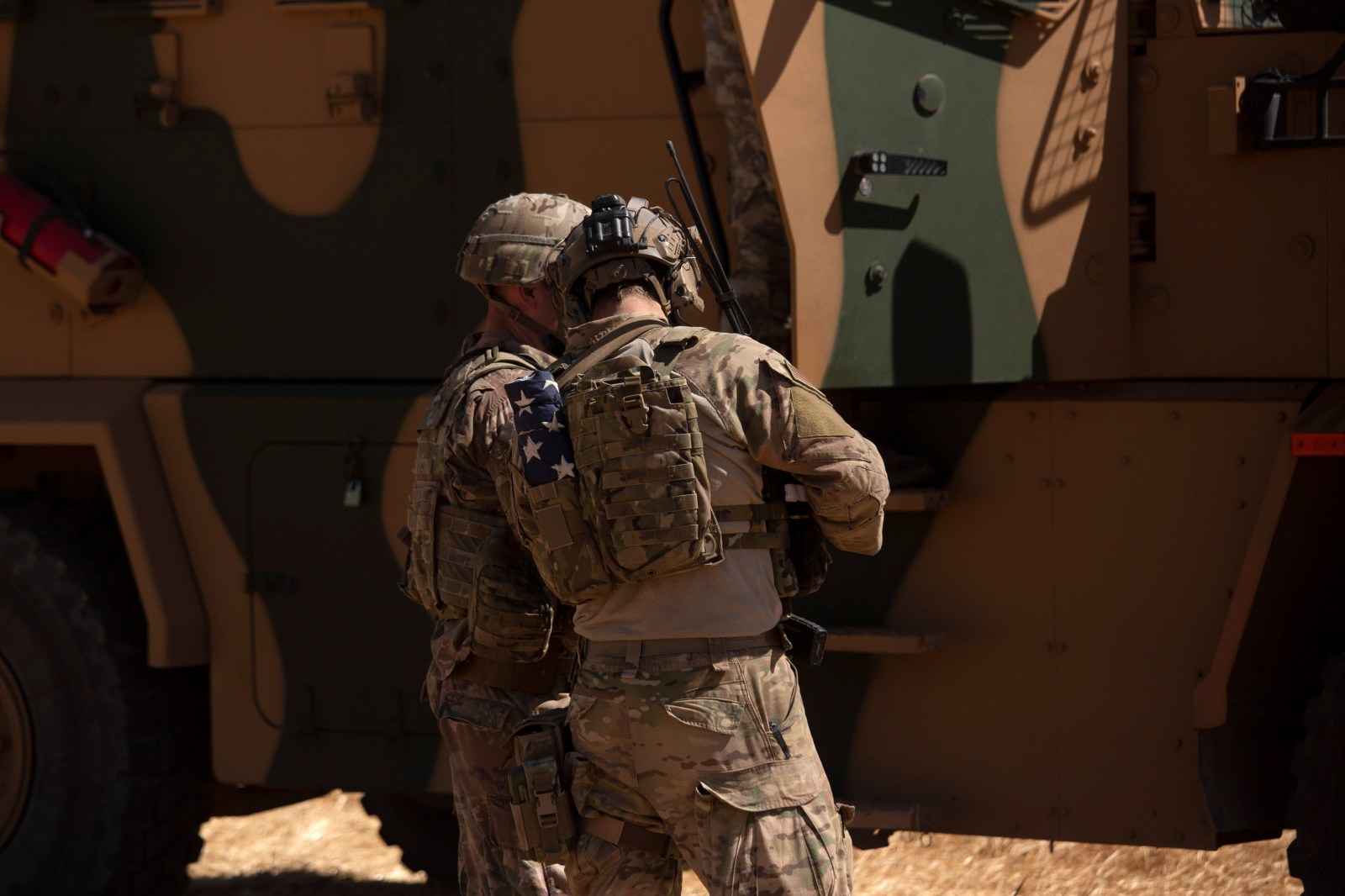
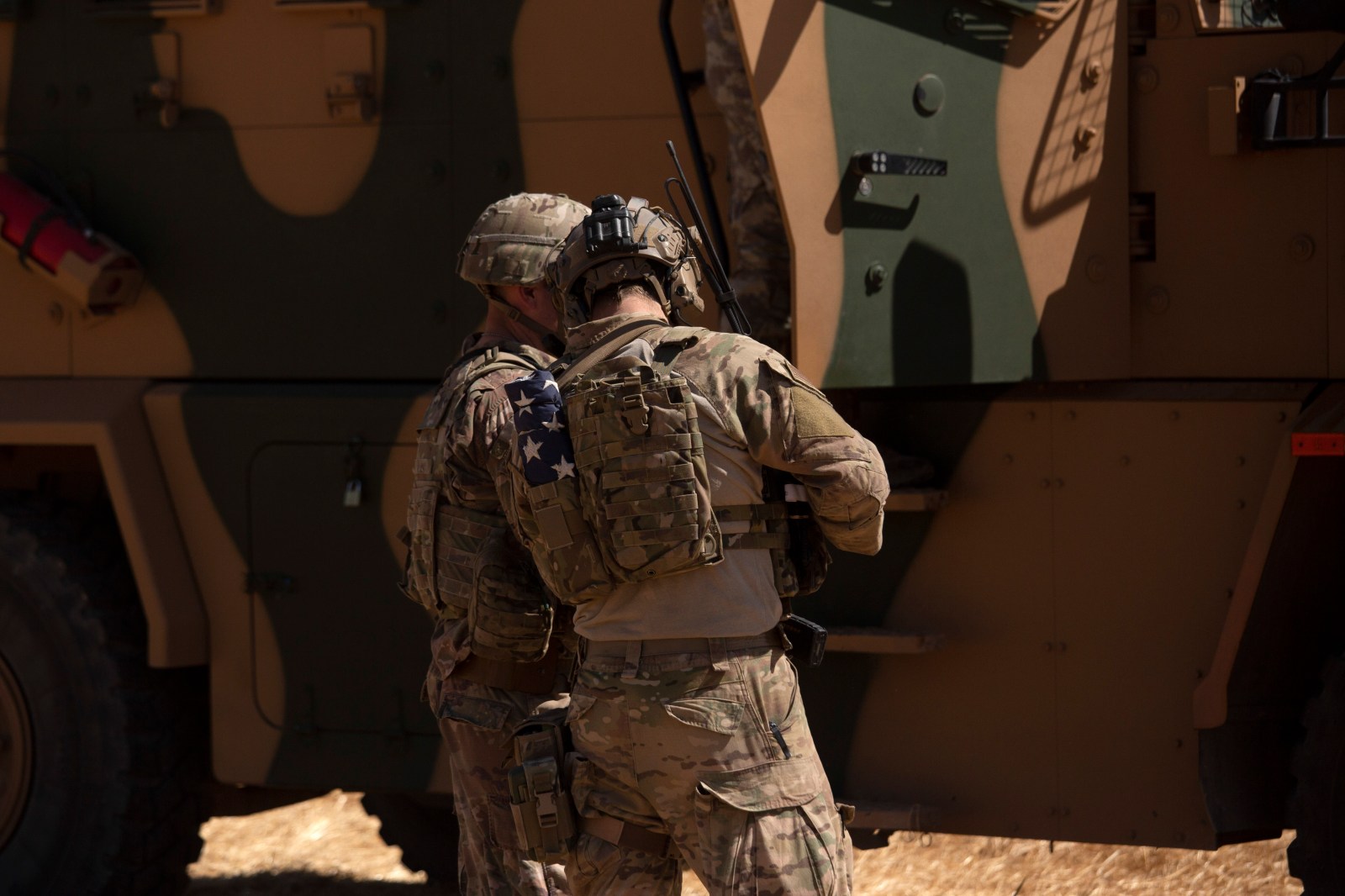
Withdrawal Timeline Set for Two‑Month Completion A senior U.S. official told Reuters on Feb. 19, 2026 that the remaining 1,000 American service members will depart Syria within the next 60 days, ending the U.S. footprint there [1]. The drawdown begins immediately, with a portion of the force already relocated under a conditions‑based transition. Completion is targeted for early April 2026, marking the final phase of the decade‑long presence [1].
Origins of U.S. Presence Linked to Anti‑ISIS Coalition The United States entered Syria in 2015 as part of an international coalition to defeat ISIS, operating alongside the Kurdish‑led Syrian Democratic Forces (SDF) [1]. Over the years, U.S. troops provided air support, training, and advisory assistance to the SDF. The current pullout reflects a shift from direct combat to partner‑led counter‑terrorism efforts [1].
Syrian Government Expected to Assume Counter‑Terrorism Lead President Ahmed al‑Sharaa’s administration has signaled readiness to take primary responsibility for anti‑terrorism operations inside Syria [1]. The senior official indicated that Damascus’ willingness makes the large‑scale U.S. presence unnecessary. Future security actions against ISIS remnants will rely on Syrian forces under this new arrangement [1].
Withdrawal Unrelated to Recent Iranian‑Backed Attacks Recent Iranian‑backed strikes in Palmyra that killed two Iowa National Guard members and a translator sparked speculation about a U.S. force buildup. CBS News confirmed the troop pullout is not connected to those incidents [1]. The decision stems from a broader strategic review rather than an immediate reaction to the attacks [1].
Timeline
2015 – The United States launches its anti‑ISIS coalition in Syria, partnering with the Kurdish‑led Syrian Democratic Forces (SDF) to combat the terror group [6].
2019 – The SDF and its allies defeat Islamic State, ending the group’s territorial caliphate after years of brutal fighting [2].
Dec 2024 – Bashar al‑Assad’s regime collapses; interim president Ahmed al‑Sharaa, a former al‑Qaeda affiliate, assumes power and begins talks with Washington on security cooperation [1][25].
Dec 11, 2025 – U.S. forces pivot to a new partnership with interim president al‑Sharaa, shifting from a Kurdish‑centric strategy to include Damascus while still targeting ISIS [25].
Dec 22, 2025 – Turkish officials arrive in Damascus ahead of the March integration deadline, sparking clashes in Aleppo that kill civilians and prompt a temporary cease‑fire order [30].
Jan 7, 2026 – The Syrian army shells Kurdish‑majority Aleppo districts after the civilian‑evacuation deadline expires, declaring the areas “closed military zones” and opening humanitarian crossings beforehand [29].
Jan 8, 2026 – Syrian authorities order civilians to evacuate contested Aleppo neighborhoods, warning that “targeted operations” will begin half an hour after the deadline; tens of thousands flee amid ongoing shelling [28].
Jan 9, 2026 – A government‑declared cease‑fire in Aleppo falters as fighting resumes; U.S. envoy Tom Barrack welcomes the pause and seeks an extension [23].
Jan 9, 2026 – Thousands flee Aleppo as clashes intensify; at least 21 civilians are killed and displacement reaches over 142,000 [24].
Jan 9, 2026 – Kurdish fighters refuse to withdraw after the truce, vowing to defend Sheikh Maqsud, Achrafieh and Bani Zaid despite government orders [27].
Jan 10, 2026 – Syrian forces strike Sheikh Maqsud after the cease‑fire deadline, reporting the operation is over 90 % complete and arresting several SDF members [26].
Jan 15, 2026 – The Syrian army opens a humanitarian corridor east of Aleppo, signaling a possible offensive in Deir Hafer and Maskana while urging SDF and other groups to withdraw across the Euphrates [22].
Jan 17, 2026 – Syrian troops enter Deir Hafer following the Kurdish redeployment east of the Euphrates; at least 4,000 civilians evacuate the town [21].
Jan 18, 2026 – Government forces seize the Omar oil field, Syria’s largest, and nearby gas fields after the SDF pulls back east of the Euphrates [19].
Jan 18, 2026 – Damascus captures Tabqa and the strategic Euphrates Dam, while President al‑Sharaa issues a decree granting Kurdish citizenship, recognizing Kurdish as a national language and declaring Nowruz a holiday [20].
Jan 21, 2026 – The U.S. begins transferring IS detainees from northeast Syria to Iraq, moving an initial 150 prisoners and planning to relocate up to 7,000 [12][5][11]; the operation aims to prevent breakout as government forces expand [5].
Jan 21, 2026 – The SDF, feeling betrayed by Washington’s shift, publicly seeks urgent aid and international guarantees for Kurdish rights as Damascus advances [13].
Jan 22, 2026 – The UN‑run UNHCR assumes management of al‑Hol camp after the SDF withdraws, but conditions remain “tense and volatile” [3].
Jan 22, 2026 – President al‑Sharaa’s government seizes remaining Kurdish‑held northeast territories, reinforcing the decree on Kurdish language and citizenship [4].
Jan 23, 2026 – Syrian forces take control of al‑Aqtan prison north of Raqqa after Kurdish fighters evacuate; the prison’s detainee files are reviewed by the government [10].
Jan 24, 2026 – Damascus extends the cease‑fire by 15 days, supporting the U.S. IS‑detainee transfer and releasing 126 minors from al‑Aqtan prison [9].
Jan 27, 2026 – The cease‑fire set to expire on 7 Feb 2026, prompting negotiators to discuss extensions or a permanent arrangement [2].
Jan 29, 2026 – Kurdish forces retreat as U.S. backs interim president al‑Sharaa; the SDF loses control of the Omar oil field and other resource‑rich sites [2].
Jan 30, 2026 – The Syrian government and the SDF sign an integration deal that creates a three‑brigade military division, merges Kurdish administrative bodies into the state, and guarantees Kurdish civil and educational rights; U.S. envoy Tom Barrack calls the pact “historic” [1].
Feb 4, 2026 – Syrian Interior Ministry units roll into Qamishli, securing civil‑registry offices, the airport and other state facilities as part of the Damascus‑SDF integration agreement [7].
Feb 19, 2026 – The United States announces it will withdraw its remaining 1,000 troops from Syria within 60 days, citing Damascus’ willingness to lead counter‑terrorism as the reason for ending the American footprint [6].
Mid‑April 2026 (expected) – The U.S. completes its full troop withdrawal from Syria, ending the last American presence after the two‑month timeline announced on 19 Feb 2026 [6].
Future (as of Jan 2026) – The integration plan calls for the SDF to present a detailed merger proposal within four days of the cease‑fire, after which Kurdish fighters will join the Syrian army and interior ministry individually [4]; the broader cease‑fire is slated to be renewed or made permanent pending negotiations [2][9].
Dive deeper (9 sub-stories)
-
U.S. Orders Final Pullout of 1,000 Troops From Syria by April 2026
(3 articles)
-
AP: Syrian Interior Ministry Forces Deploy in Kurdish Qamishli Under Damascus‑SDF Deal
-
Syrian Interim Government Integrates SDF Amid ISIS Resurgence and U.S. Policy Shift
(11 articles)
-
Syrian Government Extends Ceasefire to 15 Days, Backing U.S. IS Detainee Transfer and New SDF Integration Accord
(3 articles)
-
Syrian Troops Capture Al‑Aqtan Prison as U.S. Begins Large‑Scale IS Detainee Transfers to Iraq
(7 articles)
-
Turkish DEM Party Links Syrian Kurdish Violence to Fragile Domestic Peace Initiative
(3 articles)
-
Syrian Government Captures Tabqa, Omar Oil Field and Dams as Kurds Withdraw Eastward
(3 articles)
-
Syrian Army Secures Deir Hafer as Kurdish Forces Redeploy East of Euphrates
(2 articles)
-
Kurdish SDF Completes Withdrawal from Aleppo’s Sheikh Maqsoud Following Ceasefire Deal
(14 articles)
All related articles (47 articles)
-
Newsweek: U.S. Announces Withdrawal of Remaining 1,000 Troops from Syria
-
AP: Syrian Interior Ministry Forces Deploy in Kurdish Qamishli Under Damascus‑SDF Deal
-
The Hindu: ISIS resurges as Syrian Kurdish forces grapple with renewed fighting
-
BBC: Syrian Government and Kurdish SDF Seal Integration Deal After Ceasefire
-
BBC: Kurds Retreat as U.S. Shifts Support to Syria’s New Interim President
-
AP: Ceasefire Extension Amid Ongoing Syrian‑Kurdish Tensions
-
AP: Syrian forces seize al-Aqtan prison housing IS detainees after Kurdish evacuation
-
AP: Jan 23: Turkey hails Syrian government gains as Kurdish-led SDF collapses
-
BBC: UN to run al-Hol camp in Syria as Kurdish-led withdrawal gives Damascus control
-
AP: IS prisoners moved from Syria to Iraq after Baghdad request, officials say
-
BBC: Sharaa's government seizes Kurdish-held northeast in rapid Syria realignment
-
AP: Kurdish-led SDF loses power in Syria as US shifts support to Damascus government
-
AP: US begins transferring ISIS detainees from Syria to Iraq as prisons shift to government control
-
BBC: US moves up to 7,000 IS detainees from Syria to Iraq as Damascus takes control
-
AP: IS detainees moved from Syria to Iraq as government forces seize detention centers
-
Newsweek: US policy shift leaves SDF seeking aid as Damascus advances in Syria
-
BBC: Syria seals ceasefire as Kurdish-led forces withdraw from al-Hol camp
-
AP: Syria and SDF announce four-day ceasefire as IS prison clashes persist
-
CNN: Syrian forces hunt ISIS fugitives after prison break
-
AP: DEM party warns violence in Syria could derail Turkish peace efforts
-
AP: Damascus–SDF ceasefire deal unravels as clashes erupt around northeast Syria prisons
-
BBC: Clashes persist after Syria-SDF ceasefire deal
-
AP: Syrian government and SDF sign ceasefire with SDF to withdraw from Raqqa and Deir el-Zour
-
CNN: Iraq says US forces have fully withdrawn from its federal territory
-
CNN: Syrian forces seize Kurdish-held territory and oil wealth as talks yield withdrawal plan
-
BBC: Syrian army seizes Omar oil field from Kurdish forces
-
CNN: Syrian government advances seize Tabqa and Euphrates Dam as Kurds begin withdrawal east of Aleppo
-
AP: Iraqi army fully takes over key base following US withdrawal
-
BBC: Syrian army moves into Deir Hafer after Kurdish withdrawal east of the Euphrates
-
AP: Syrian military opens civilian corridor east of Aleppo as clashes escalate
-
AP: First responders enter devastated Aleppo neighborhood after days of deadly fighting
-
BBC: Last Kurdish forces withdraw from Aleppo after ceasefire deal reached
-
AP: Kurdish fighters evacuated from Aleppo's Sheikh Maqsoud after days of clashes
-
The Hindu: Syrian army says it cleared last Kurdish-held area in Aleppo; Kurds deny takeover
-
The Hindu: Syria urges Kurdish fighters to surrender as Aleppo operation nears completion
-
AP: Aleppo ceasefire falters as fighting resumes after Syria's defense ministry announcement
-
The Hindu: Kurdish fighters refuse to leave Aleppo after truce
-
AP: Thousands flee Aleppo as government-Kurdish clashes escalate with civilian toll rising
-
CNN: Syrian army strikes in Aleppo force thousands to flee as fighting with Kurdish-led SDF intensifies
-
The Hindu: Syrian authorities order evacuations in Aleppo as clashes with Kurdish-led SDF intensify
-
BBC: Clashes in Aleppo kill at least 12, force tens of thousands from Kurdish neighbourhoods
-
AP: Clashes break out in Aleppo after government opens corridors; hundreds flee Kurdish neighborhoods
-
The Hindu: Syrian army shells Kurdish-held Aleppo districts after evacuation deadline
-
AP: Deadliest exchange yet between Syrian government and Kurdish SDF erupts in Aleppo
-
The Hindu: Clashes flare as Turkish officials visit Syria ahead of Kurdish integration deadline
-
CNN: Deadly clashes erupt between Syrian army and Kurdish-led SDF in Aleppo amid integration talks
-
Newsweek: US troops in Syria pivot to new partnership with interim president
External resources (8 links)
- https://www.reuters.com/world/middle-east/how-syrias-sharaa-captured-kurdish-held-areas-while-keeping-us-onside-2026-01-21/ (cited 1 times)
- https://www.reutersconnect.com/all?search=all%3AL1N3XP05K&linkedFromStory=true (cited 1 times)
- https://www.reutersconnect.com/all?search=all%3AL6N3Y8131&linkedFromStory=true (cited 1 times)
- https://www.reutersconnect.com/all?search=all%3AL6N3Y90JE&linkedFromStory=true (cited 1 times)
- https://x.com/CENTCOM/status/2012563385452314819?s=20 (cited 1 times)
- https://x.com/usambturkiye/status/2012925459093233947?s=46&t=S3QyRyNYNXr2ITunghb0UQ (cited 1 times)