Pisa’s Square of Miracles Draws Record Tourist Photo Sessions in 2026
Updated (2 articles)
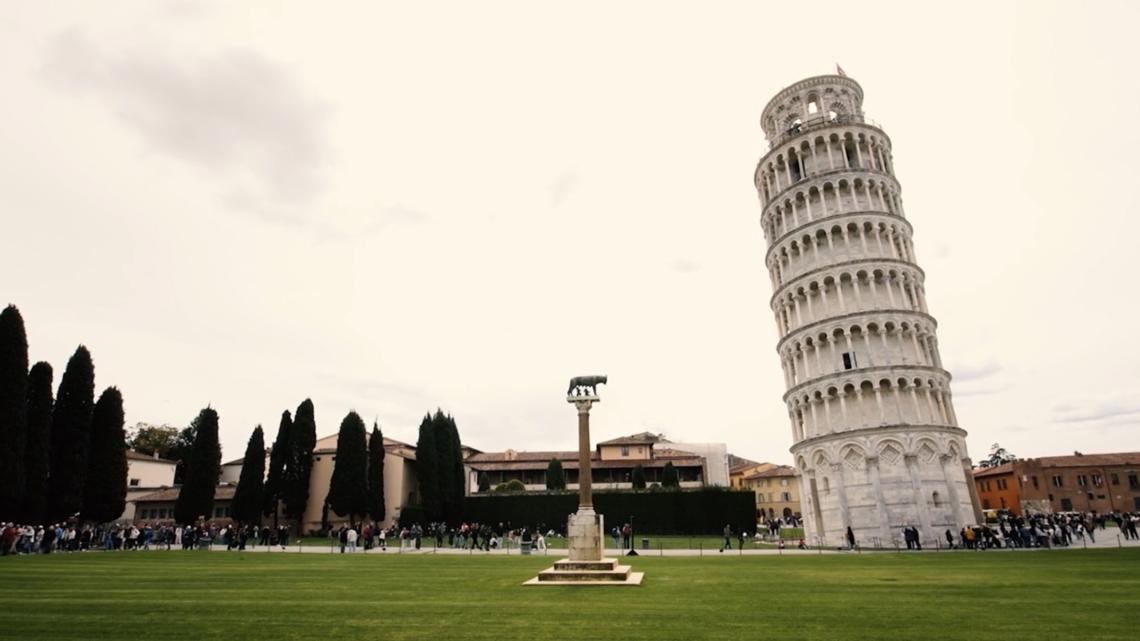
Historic Structures Form the Square of Miracles The Piazza dei Miracoli clusters four medieval monuments: the cathedral, begun in the 11th‑12th centuries, whose dome is the world’s second‑oldest surviving dome; the 13th‑century Camposanto, a monumental cemetery housing medieval graves and frescoed walls; the Baptistery, the largest of its kind worldwide and famed for its resonant acoustics; and the Leaning Tower, whose tilt started shortly after construction began in 1174 on soft river‑bed soil and was stabilized by an eleven‑year restoration from 1989 to 2000 [1][2].
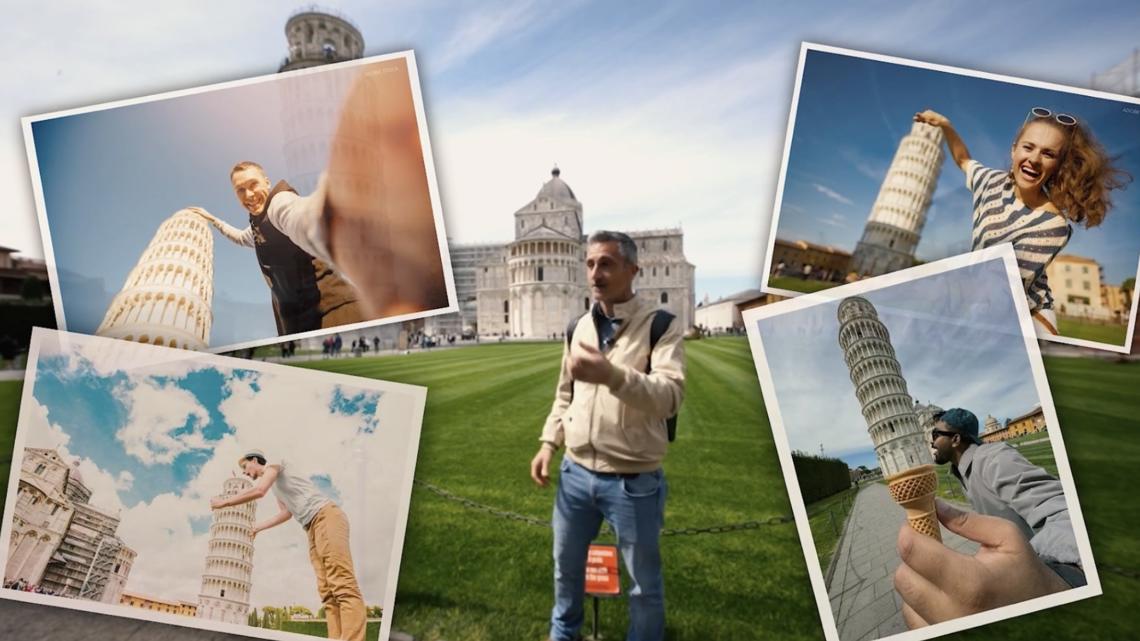
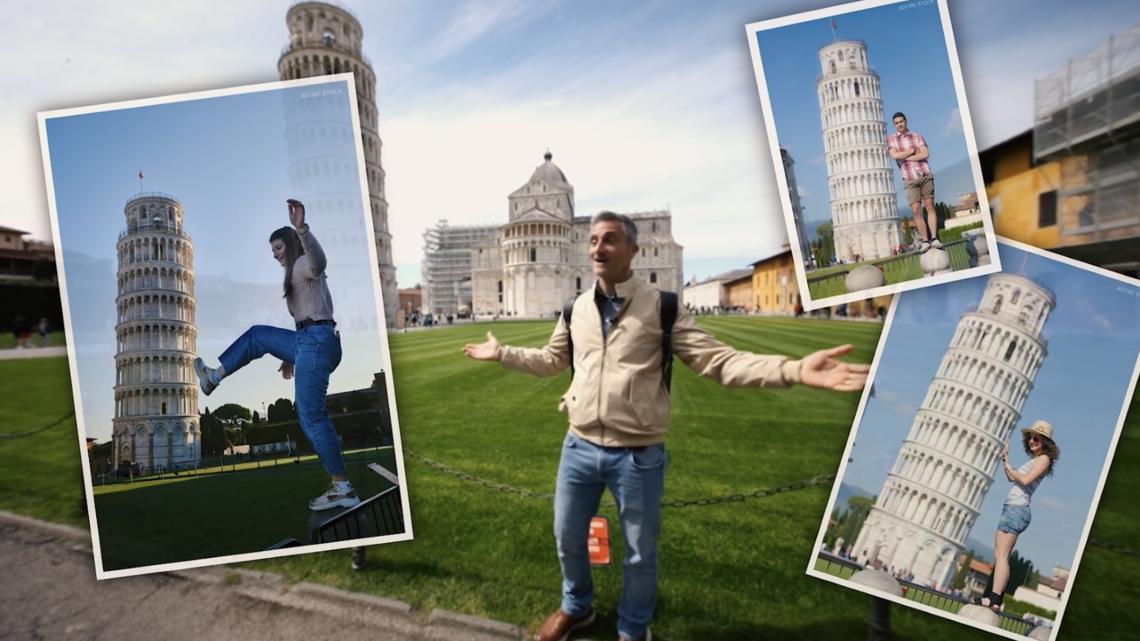
Tourist Photo Phenomenon Dominates Visitor Experience Guides report that visitors flock to the Square to stage optical‑illusion photographs with the tower, often “holding up” the structure or placing ice‑cream cones at its base; the practice has become a hallmark of Pisa tourism in 2026 [1][2]. Guide Alessandro Bargagna notes that a lone guard sings a brief two‑note phrase near the baptismal font, a tradition that adds to the site’s unique soundscape while visitors are encouraged to remain silent inside the Baptistery [1][2].
Narrative Emphasizes Reverence and Acoustic Uniqueness Bargagna stresses the importance of quiet contemplation within the Baptistery, likening the guard’s chant to a “choir of angels,” and highlights the structure’s acoustic properties that amplify even the smallest sounds [1][2]. The combined historical narrative and visitor‑focused guidance aim to balance mass tourism with preservation of the Square’s spiritual and cultural atmosphere.
Sources
-
1.
WBNS: Pisa’s Square of Miracles: Cathedral, Camposanto, Baptistery and the Leaning Tower: detailed overview of each monument, emphasizing the cathedral’s ancient dome, the Baptistery’s acoustics, the guard’s chant, and the tower’s restoration timeline
-
2.
King5: Pisa’s Iconic Landmarks Draw Tourists to the Square of Miracles: mirrors WBNS content while stressing the tourist photo trend and promoting the Square as the essential itinerary for Pisa visitors
Timeline
11th‑12th centuries – Pisa Cathedral is erected, becoming one of Italy’s oldest churches and featuring the world’s second‑oldest surviving dome, a hallmark of medieval architecture that anchors the Square of Miracles [1].
1174 – Construction of the Leaning Tower of Pisa begins; the tower starts to tilt shortly thereafter because it rests on soft, water‑logged soil beneath the Arno River [1].
13th century (1200s) – The Camposanto is built as a monumental cemetery, later housing centuries‑old graves and frescoed walls that depict religious scenes [1].
1989‑2000 – An eleven‑year stabilization and restoration project excavates the tower’s foundation and corrects its lean, completing in 2000 and markedly improving the structure’s safety [1].
2026 – Guide Alessandro Bargagna stresses silence inside the Baptistery and describes the guard’s brief two‑note chant near the baptismal font as sounding like a “choir of angels,” urging reverent behavior from visitors [1].
2026 – Tourists swarm the Square of Miracles to stage iconic photos of the Leaning Tower, often “holding up” the tower or placing objects such as ice‑cream cones to create optical‑illusion shots, a trend highlighted by the guide [1][2].
2026 – The Piazza dei Miracoli is promoted as the essential itinerary for Pisa visitors, clustering the cathedral, Baptistery, Camposanto, and Leaning Tower into a single historic precinct [2].
External resources (5 links)
- https://www.opapisa.it/en/square-of-miracles/baptistery/ (cited 2 times)
- https://www.opapisa.it/en/square-of-miracles/camposanto/ (cited 2 times)
- https://www.opapisa.it/en/square-of-miracles/cathedral/ (cited 2 times)
- https://www.opapisa.it/en/square-of-miracles/tower/ (cited 2 times)
- https://www.wthr.com/article/sports/olympics/journey-to-italy/between-heaven-and-earth-journey-to-italy-sanctuary-madonna-della-corona-verona/531-9da09925-7e07-4936-bae8-eb87a28b1bbf (cited 2 times)