ByteDance’s Seedance 2.0 Sparks Hollywood Lawsuits, Chinese Crackdown, and Political Fears
Updated (3 articles)
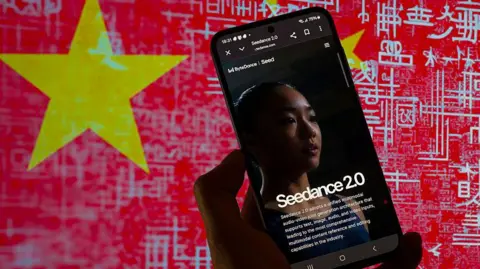
Seedance 2.0 Launch Demonstrates Cinema‑Grade AI Video ByteDance released Seedance 2.0 on Feb 20 2026, an upgrade of the June 2025 model that can generate full‑length clips from brief text prompts. The system combines image, audio, video and text inputs to produce fluid motion, synchronized dialogue and sound effects, rivaling professional cinematography. Researchers note its realism exceeds Western tools such as Midjourney and OpenAI’s Sora, with experts like Margaret Mitchell highlighting its unique multimodal synthesis [1][2].
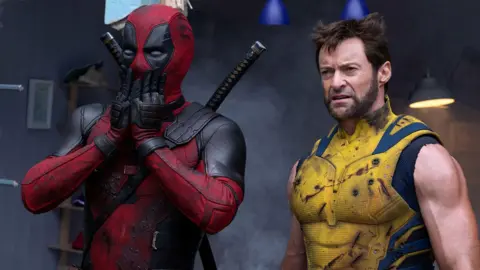
Hollywood Studios Issue Cease‑And‑Desist Letters Over Copyright Violations Disney and Paramount sent formal cease‑and‑desist letters after viral videos featuring Spider‑Man, Deadpool, Will Smith and other protected characters spread on social media. The Motion Picture Association and SAG‑AFTRA joined the condemnation, accusing ByteDance of large‑scale IP theft and threatening lawsuits. Japan opened its own investigation into the alleged violations, underscoring the global scope of the backlash [1][2][3].
ByteDance Pledges Safeguards While Chinese Regulators Intensify Enforcement In response, ByteDance announced rollback of voice‑cloning features, added avatar verification and promised stronger content filters. China’s cyber‑regulators penalized more than 13,000 accounts and removed hundreds of thousands of posts, with platforms like RedNote now requiring AI‑generated material to be labeled. Industry analysts warn the rapid deployment heightens safety concerns, comparing the AI “space race” to faster cars that risk crashes [1][3].
Political Disinformation Risks and Opportunities for Low‑Budget Creators Analysts warn that hyperrealistic clips of figures such as Donald Trump could be weaponized in the 2026 midterm elections, potentially influencing turnout before fact‑checkers intervene. Nations with disinformation experience, including Russia, Iran and North Korea, may exploit Seedance 2.0 to flood information streams with emotionally charged synthetic videos. Conversely, small studios cite the tool as a production equalizer, enabling two‑minute episodes to be produced for roughly $140 k, expanding genre ambitions for creators lacking large budgets [2][3].
Sources
-
1.
CNN: ByteDance’s Seedance 2.0 Triggers Hollywood Lawsuits and Chinese AI Crackdown: details the launch, Hollywood cease‑and‑desist letters, ByteDance’s safeguard pledge, and China’s regulator penalties, emphasizing expert warnings and industry competition .
-
2.
BBC: ByteDance’s Seedance 2.0 Triggers Hollywood Backlash Over AI‑Generated Video: highlights the model’s cinema‑quality output, viral copyrighted clips, global legal threats, and low‑budget studio opportunities, framing Seedance as a sign of Chinese AI parity .
-
3.
Newsweek: ByteDance’s Seedance 2.0 Unveils High‑Quality AI Video Threats: focuses on a hyperrealistic “Tom Cruise”/“Brad Pitt” deepfake, political disinformation dangers, adversarial state weaponization, and industry backlash over IP and labor concerns .
Related Tickers
Timeline
June 2025 – ByteDance launches the original Seedance AI video model, enabling short text‑to‑video generation and laying the groundwork for later upgrades [1].
2025 – Chinese startup DeepSeek’s low‑cost large‑language model tops U.S. app‑download charts, illustrating rapid Chinese AI competitiveness that analysts later compare to Seedance 2.0 [1].
Feb 2026 – ByteDance releases Seedance 2.0, an upgraded system eight months after the original launch that creates cinema‑quality clips from brief prompts, sparking industry alarm [1].
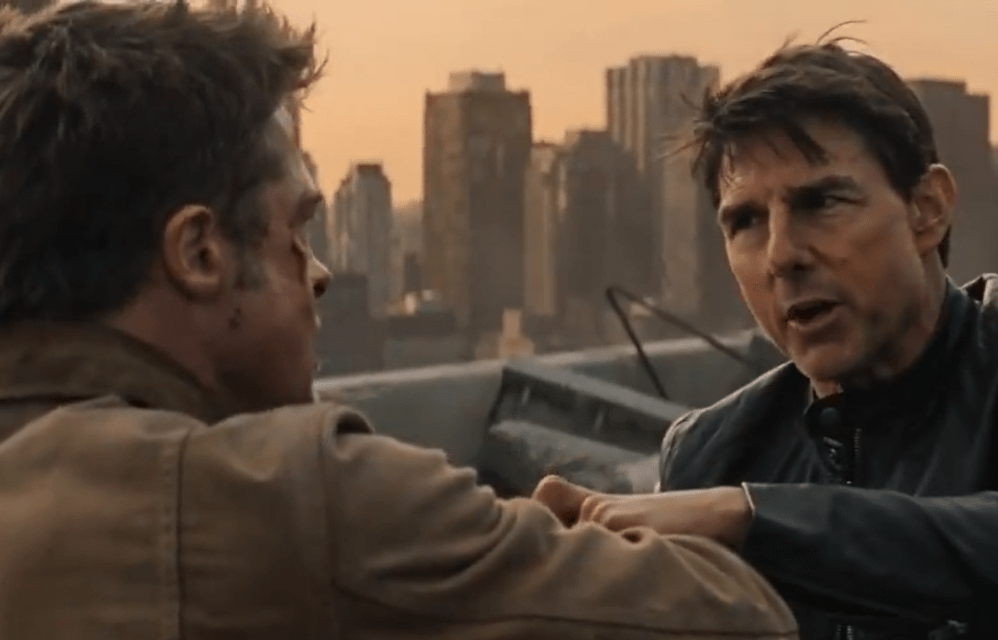
Feb 17, 2026 – Seedance 2.0 generates a hyperrealistic “Tom Cruise vs. Brad Pitt” rooftop fight about Jeffrey Epstein, demonstrating fluid motion, synced audio, and no human actors, and prompting warnings about “high‑quality slopaganda” [3].
Mid‑Feb 2026 – Viral videos featuring Spider‑Man, Deadpool, Will Smith and other copyrighted characters spread online, leading Disney and Paramount to issue cease‑and‑desist letters and Japan to open a copyright investigation [1][2].
Mid‑Feb 2026 – The Motion Picture Association and SAG‑AFTRA publicly condemn Seedance 2.0’s unauthorized use of U.S. copyrighted works, joining broader disputes such as the New York Times lawsuit against OpenAI and Reddit’s suit against Perplexity [1][2].
Mid‑Feb 2026 – ByteDance announces tighter safeguards, rolling back voice‑cloning features and adding avatar verification to address deep‑fake privacy concerns [2].
Feb 2026 – Chinese regulators intensify AI content controls, penalising over 13,000 accounts and deleting hundreds of thousands of posts; platforms like RedNote begin restricting unlabeled AI‑generated material [2].
Feb 2026 – AI ethics researcher Margaret Mitchell says Seedance “uniquely merges text, visuals and audio,” while Tiny Island Productions’ David Kwok describes its action sequences as “almost feels like having a cinematographer assisting you,” highlighting its realism over tools like Midjourney and OpenAI’s Sora [1].
Feb 2026 – Computing researcher Shaanan Cohney argues Seedance shows Chinese firms can match frontier technology, recalling DeepSeek’s rapid rise as evidence of parity [1].
Feb 2026 – UCLA professor Ramesh Srinivasan warns of a “nationalist fervor” fueling an AI “space race,” and Leiden professor Rogier Creemers likens faster AI development to faster cars that can crash, underscoring heightened systemic risk [2].
Feb 2026 – Disney signs a deal with OpenAI’s Sora to produce trademarked character content, while DeepSeek announces a low‑budget chatbot breakthrough, illustrating competitive industry responses despite regulatory pressure [2].
Late 2026 (U.S. midterm elections) – Analysts warn that Seedance‑generated deepfakes could be weaponised in tightly contested Senate and House races, potentially depressing turnout or fueling illegitimacy claims before fact‑checkers intervene [3].