Trump Gives Iran 10‑15 Days, Deploys Second Carrier as Iran Threatens U.S. Bases
Updated (104 articles)


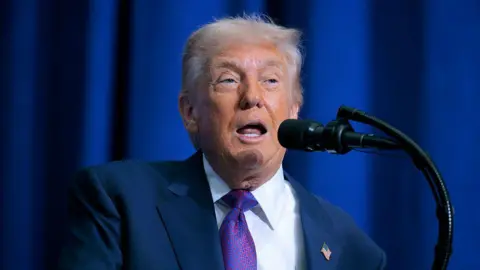
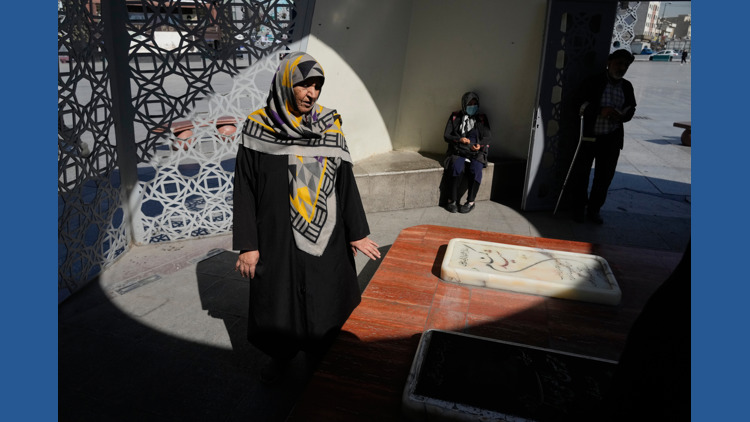
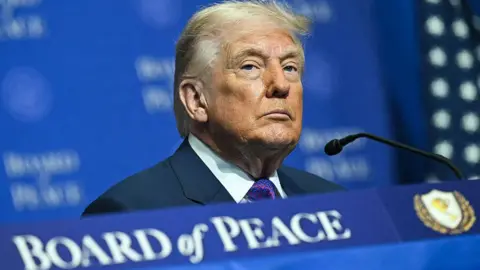
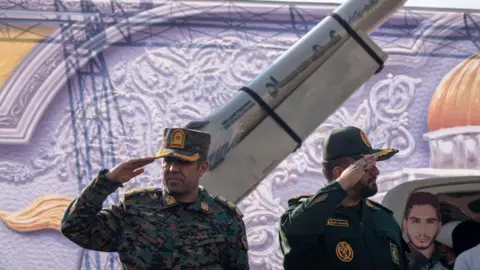

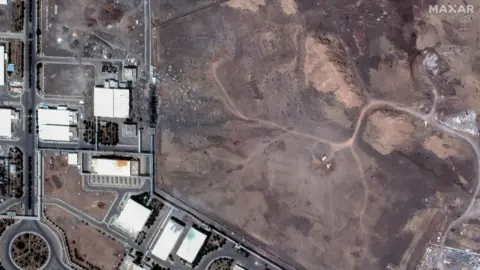
Trump Issues 10‑15‑Day Deal Deadline and Warns of “Bad Things.” On Feb 19‑20 2026 President Donald Trump told reporters Tehran had “ten to fifteen days” to seal a nuclear agreement, warning that failure would bring “bad things” and threatening that U.S. bases could become legitimate targets if attacked [4][5][6][7][20]. He reiterated the deadline at the Board of Peace summit, linking the ultimatum to both diplomatic outreach and the possibility of a new air campaign [3][6]. The statement sparked a flurry of diplomatic activity, including a letter from Iran’s UN ambassador urging the Security Council to curb U.S. “unlawful threats of force” [1][4][7].
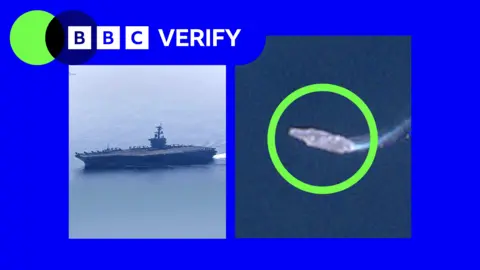
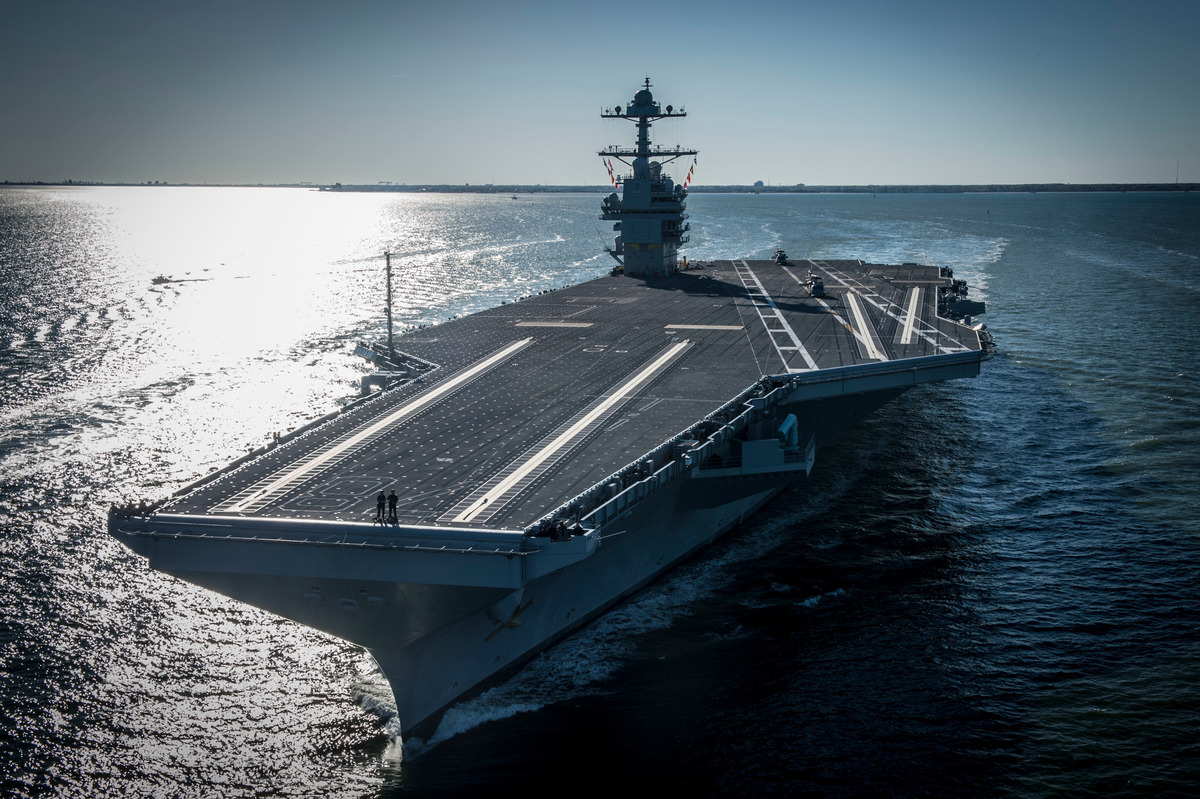
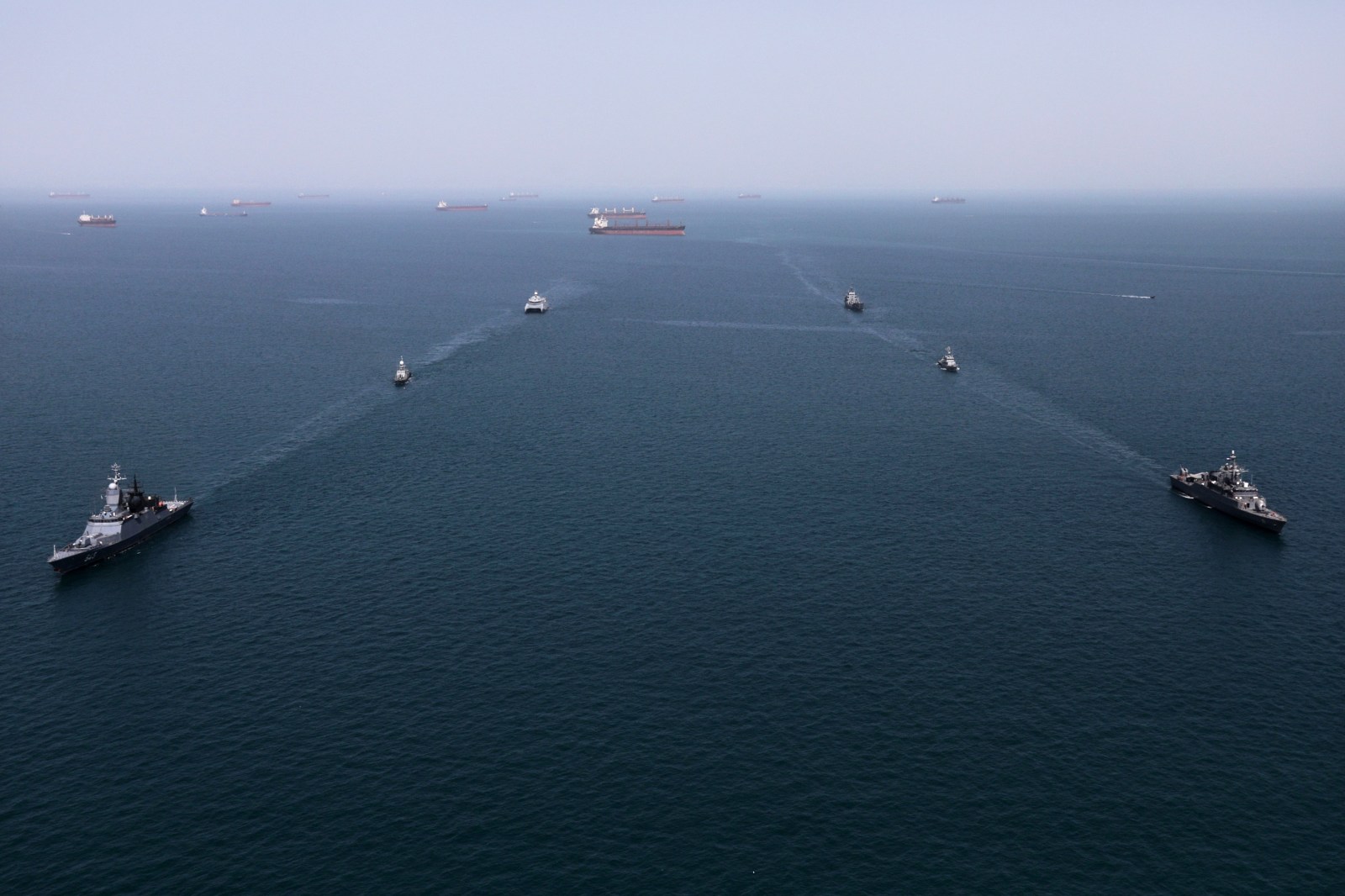
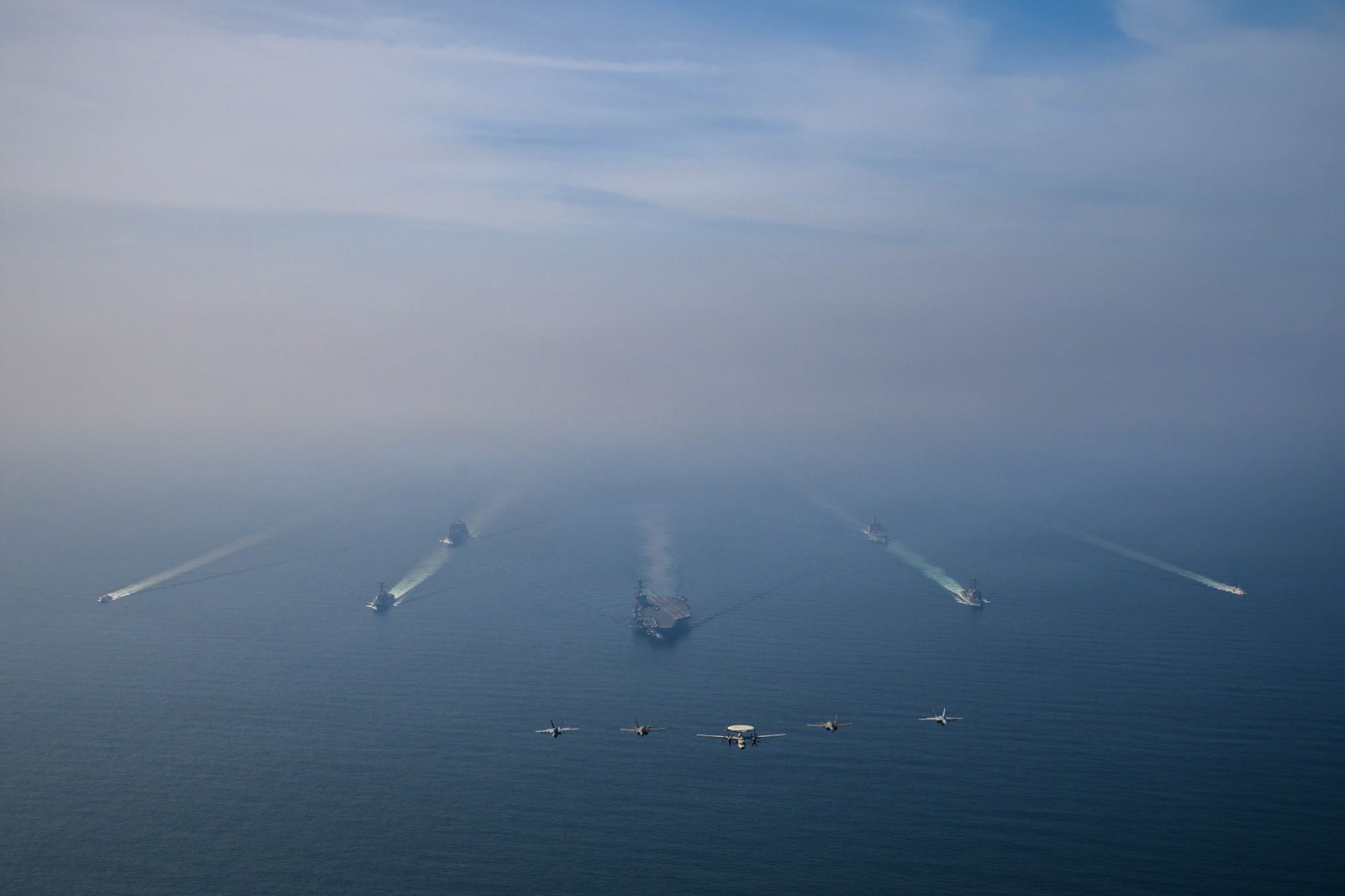
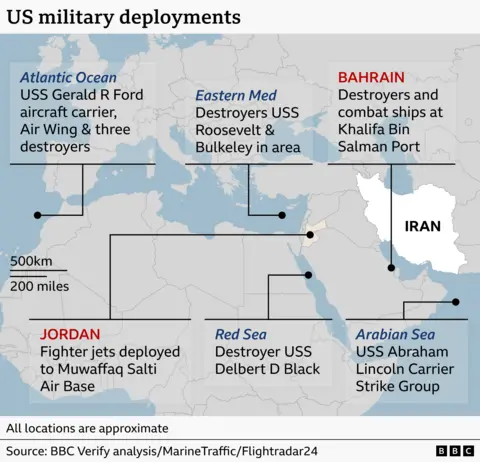
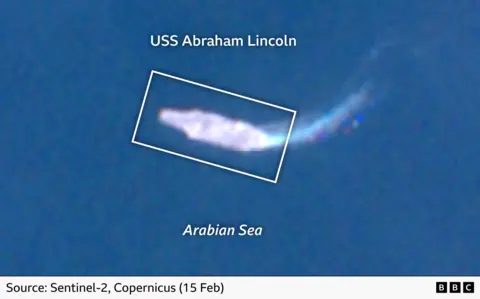
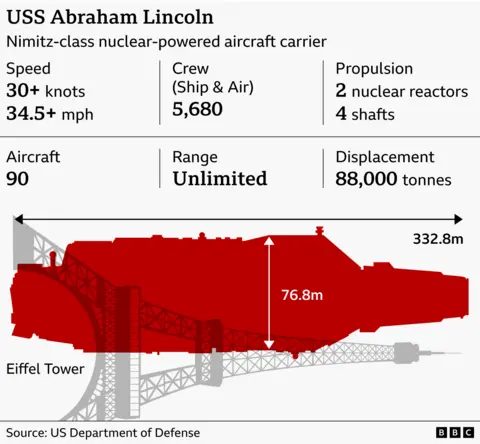
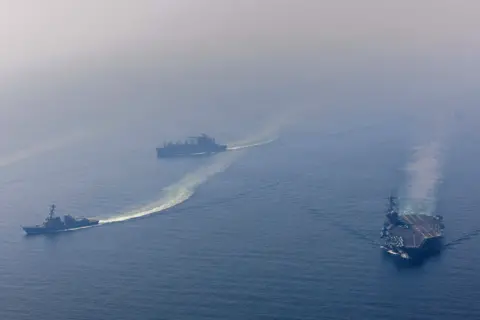
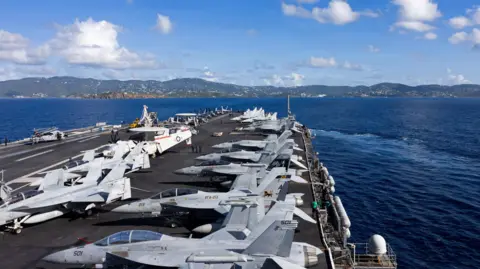
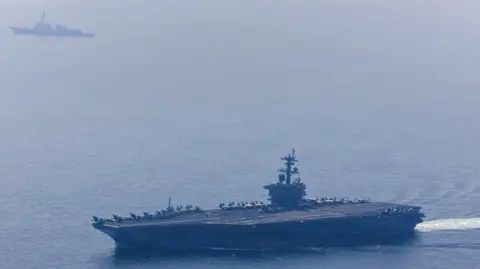
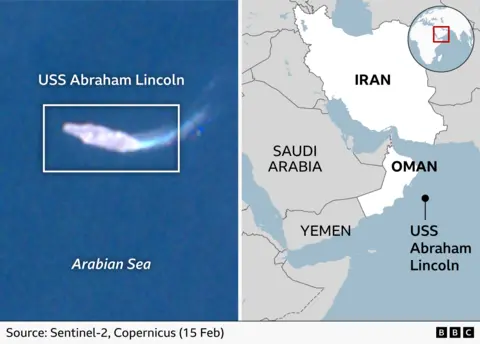
U.S. Positions Two Carrier Strike Groups and Dozens of Warplanes Near Iran. The Navy moved the world’s largest carrier, USS Gerald R. Ford, from the Caribbean toward the Strait of Gibraltar and the eastern Mediterranean, while the USS Abraham Lincoln already operated off Oman and near Iranian waters [11][12][14][19][20]. Together the strike groups comprise at least 12 warships, multiple guided‑missile destroyers, and roughly 150 aircraft—including F‑22, F‑35, F‑15, and F‑16 fighters stationed at Qatar’s Al Udeid base—providing a sustained sortie capability of up to 800 daily missions [11][14][19][20]. Senior officials said the full complement of forces should be in place by mid‑March, reinforcing Trump’s “red‑line” posture [4][18][19].
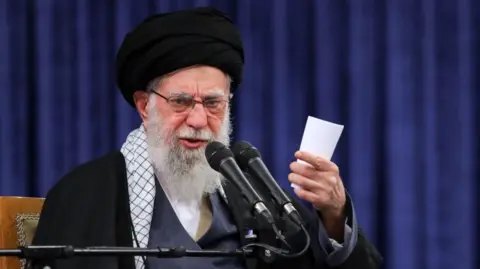
Iran’s UN Envoy Declares All U.S. Regional Assets Legitimate Targets. On Feb 19 2026 Ambassador Amir Saeid Iravani sent a letter to UN Secretary‑General Antonio Guterres and the Security Council stating any U.S. aggression would make “all bases, facilities, and assets of the hostile force in the region” lawful targets [1][4][7]. Iravani labeled Trump’s social‑media remarks “belligerent” and urged the Council to compel the United States to cease “unlawful threats of the use of force” [1][4]. Tehran simultaneously pledged to pursue diplomatic solutions while warning of “defensive retaliation” if attacked [1][4].
Board of Peace Launched with $10 B U.S. Funding and Broad International Participation. At the inaugural summit on Feb 19‑20 2026 Trump announced a new Board of Peace that will “almost be looking over” the United Nations and disclosed a $10 billion U.S. contribution to fund conflict‑resolution efforts, including Gaza reconstruction [2][5][10][13]. Representatives from more than two dozen countries—such as Kazakhstan, the United Arab Emirates, Qatar, Saudi Arabia, and Indonesia—joined the board, along with FIFA President Gianni Infantino and former UK Prime Minister Tony Blair, who praised the 20‑point plan as the region’s “only hope” [5][13][10]. The board’s mandate extends to overseeing negotiations with Iran, signaling a parallel diplomatic track to the military buildup [2][10].
Buildup Marks Largest U.S. Presence Since Early 2000s, Yet Diplomacy Remains Official Stance. Analysts note the deployment constitutes the biggest Middle‑East force concentration since the 2003 Iraq War, with two carriers, dozens of destroyers, and advanced missile‑defence systems such as Patriot and THAAD being shipped to the region [3][6][14]. Despite the escalation, White House officials continue to stress a preference for a diplomatic solution, urging Iran to accept a deal that would curb uranium enrichment and missile ranges [3][10][16]. The contradictory signals—massive military assets alongside calls for negotiation—reflect Trump’s “dual‑track” strategy of pressure and peace [3][6][15].
Decision Timing Remains Fluid; Sources Differ on Imminence of Strike. Some reports say the military could act as early as the weekend of Feb 22‑23 2026, with forces already positioned for a rapid strike [6][14][20]. Other outlets note that Trump has not given final authorization and that the decision remains “undecided” pending further briefings [20][17]. This discrepancy underscores the uncertainty surrounding the next step, even as the buildup and diplomatic deadlines progress in parallel.
Sources
-
1.
The Hindu: Iran Threatens U.S. Bases as Trump Escalates Middle East Pressure: Details Iravani’s UN letter, Trump’s carrier moves, and Geneva talks backdrop .
-
2.
CNN: Trump Extends Iran Timeline, Launches $10 B Board of Peace, and Pushes Health, UFO and Voting Initiatives: Highlights 10‑15‑day deadline, $10 B Board, and unrelated domestic policy pushes .
-
3.
BBC: Trump Issues New Iran Ultimatum Amid Growing Military Buildup: Describes Trump’s mixed diplomatic‑military ultimatum and the largest buildup since 2003 .
-
4.
King5: Trump warns of ‘bad things’ if Iran doesn’t make a deal as second US carrier nears Mideast: Reports carrier deployment, 10‑15‑day deadline, and Iravani’s warning .
-
5.
CNN: Trump Extends Iran Decision Timeline, Announces $10 B Board of Peace Funding and Global Commitments: Provides timeline, Board funding, and extensive international pledges .
-
6.
CNN: Trump Mulls Iran Options Amid Largest Middle‑East Buildup in 22 Years: Explores strike options, lack of target list, and carrier positioning .
-
7.
AP: Trump warns Iran of “bad things” if deal stalls: Notes carrier movement, drills, and regional evacuations .
-
8.
The Hindu: Tehran Reenters Global Geopolitical Spotlight: Reviews historical JCPOA context, Trump’s 2026 negotiations, and Gulf investors’ stance .
-
9.
The Hindu: Iran‑U.S. military tension rises as talks stall and drills intensify: Reports weekend strike decision, joint Iran‑Russia drills, and nuclear‑missile negotiation scope .
-
10.
BBC: Trump warns world has ten days to see Iran deal or military action: Summarizes 10‑day deadline, Board scope, and UK base denial .
-
11.
BBC: US Deploys Two Aircraft Carriers as Tensions Rise with Iran: Confirms carrier AIS data, fleet composition, and 10‑day decision warning .
-
12.
BBC: US Deploys Carrier Groups as Iran Signals Defiance Over Washington’s Demands: Details carrier groups, U.S. demands, and Iranian existential framing .
-
13.
Newsweek: Iran and Russia Conduct Joint Naval Drills Amid Growing U.S. Military Presence: Describes drills, carrier presence, and diplomatic stall .
-
14.
Newsweek: Trump Expands U.S. Military Build‑Up Near Iran: Lists added warships, jets, and missile‑defence systems .
-
15.
Newsweek: Trump Signals New Military Options as Iran Talks Stall: Highlights second carrier, stricter deal demands, and missile‑program focus .
-
16.
BBC: White House Presses Iran to Negotiate as U.S. Warships Deploy: Covers Leavitt’s urging, carrier movements, and Khamenei’s AI image warning .
-
17.
CNN: Trump’s Opaque Rationale as He Inches Toward Possible War with Iran: Discusses potential week‑long strike, regime‑change rhetoric, and Venezuela precedent .
-
18.
AP: Rubio to brief Netanyahu on US‑Iran nuclear talks amid rising military posture: Notes Rubio’s Israel trip, indirect talks, and mid‑March force readiness .
-
19.
The Hindu: U.S. Deploys Two Aircraft Carriers and Dozens of Warplanes to West Asia Amid Iran Tensions: Provides detailed asset count and Geneva “guiding principles” .
-
20.
CNN: US Military Poised for Iran Strike This Weekend, Trump Yet to Decide: Reports weekend strike readiness, Situation Room briefing, and timing factors .
-
5.
CNN: Trump Extends Iran Decision Timeline, Announces $10 B Board of Peace Funding and Global Commitments: (duplicate of ; included for completeness) .
Related Tickers
Primary Data (1)
Quinnipac: 7 Out Of 10 Voters Do Not Want The U.S. To Take Military Action Against Iran For Killing Of Protesters, Quinnipiac University National Poll Finds; 70% Say Presidents Should Seek Congressional Approval Before Taking Military Action Against Another Country
Published (0 tables/charts)Timeline
Dec 22, 2025 – Iran’s foreign ministry declares its missile programme “defensive and non‑negotiable,” insisting the arsenal deters aggression and will not be discussed in any future talks, a stance that follows Israel’s claims Tehran is rebuilding its missiles after the June war [28].
Dec 24, 2025 – Iran and the United States reaffirm a commitment to diplomacy at a UN Security Council meeting, while the IAEA reports Tehran holds over 440 kg of uranium enriched to 60 %, underscoring the widening gap over a nuclear‑deal framework [24].
Dec 28, 2025 – President Masoud Pezeshkian declares a “full‑scale war” with the United States, Israel and Europe, comparing the conflict to the 1980‑89 Iran‑Iraq war and warning that Western actions have crippled Iran’s economy [23]; a similar interview on the supreme leader’s website repeats the claim and cites the June 2025 U.S.–Israeli strikes and Iran’s retaliation at Al‑Udeid [27].
Jan 15, 2026 – U.S. analysts note that the U.S. weapons stockpile is depleted yet still powerful, while the Wall Street Journal reports Trump has ordered military assets to be ready for a possible strike on Iran [22].
Jan 16, 2026 – Qatar, Oman, Saudi Arabia and Egypt press Washington and Tehran to restrain, as the Abraham Lincoln carrier strike group begins a five‑to‑seven‑day transit toward the Gulf, carrying roughly 90 aircraft and Tomahawk‑armed destroyers [21].
Jan 20, 2026 – The nuclear‑powered carrier USS Abraham Lincoln departs the western Pacific, sailing through the Strait of Malacca toward the Indian Ocean, marking the third carrier reroute to the Middle East in a year of rising Iran tensions [20].
Jan 24, 2026 – IRGC commander Gen. Mohammad Pakpour warns the United States and Israel that the Guard is “more ready than ever, finger on the trigger,” as Trump announces a “massive fleet” including the Abraham Lincoln moving into the Indian Ocean “just in case” [30].
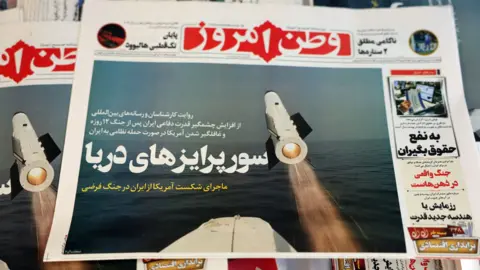
Jan 26, 2026 – Tehran unveils a giant anti‑U.S. mural in Enghelab Square depicting a damaged carrier and the slogan “If you sow the wind, you will reap the whirlwind,” coinciding with the U.S. carrier group’s approach and Trump’s claim the fleet is “just in case” [19].
Jan 27, 2026 – Trump tells Axios the U.S. navy fields a “big armada” near Iran, larger than the force deployed near Venezuela, while the Abraham Lincoln carrier group arrives in CENTCOM’s area of responsibility [18].
Jan 30, 2026 – The Abraham Lincoln strike group moves into the Arabian Sea, intensifying concerns of a broader confrontation as Iran endures its most severe protest crackdown since 1979, with thousands killed and internet blackouts [17].
Jan 31, 2026 – Analysts note Trump’s limited options: a precise strike on IRGC or nuclear sites or a broader bombardment, while the U.S. naval presence shrinks from two carrier groups to one, reflecting a narrowed but still potent pressure on Tehran [16].
Feb 1, 2026 – Supreme Leader Ayatollah Ali Khamenei warns the United States that any attack “will be a regional war” and that even the world’s strongest military could be crippled, as Trump signals a massive naval presence with the Abraham Lincoln carrier near Iran [14][15].
Feb 2, 2026 – President Masoud Pezeshkian orders the start of nuclear talks with the United States, while Trump expresses optimism that a deal could avert conflict and simultaneously orders an aircraft‑carrier group to move toward West Asia [26].
Feb 3, 2026 – An F‑35C from the USS Abraham Lincoln shoots down an Iranian Shahed‑139 drone 500 mi off Iran’s coast, and IRGC boats harass a U.S.–flagged tanker, yet diplomatic talks continue with Turkey slated to host negotiations later in the week [13].
Feb 4, 2026 – Iran’s president calls for “fair and equitable” talks after a crackdown, while the U.S. Navy downed another Shahed‑139 drone and the White House stresses that Trump still prefers a diplomatic solution [12].
Feb 6, 2026 – With approval below 40 %, Trump faces domestic pressure as U.S.–Iran talks begin in Oman, focusing on nuclear, missile and terrorist‑sponsorship issues amid Iran’s internal crises and weakened proxies [11].
Feb 17, 2026 – Iran briefly closes the Strait of Hormuz for live‑fire drills, the first announced shutdown since U.S. threats began, while Geneva negotiations produce only a vague “set of guiding principles” and no concrete deal [9][10].
Feb 18, 2026 – In Geneva, Iran and the U.S. agree on “guiding principles” and plan to exchange detailed proposals within two weeks, as Iran temporarily shuts part of the Hormuz Strait for IRGC drills and Vice President JD Vance notes Trump’s non‑negotiable “red lines” [8].
Feb 19, 2026 – Trump gives the world a ten‑day deadline to see whether the U.S. reaches a nuclear deal or launches military action; the Board of Peace expands beyond Gaza, the U.S. deploys two aircraft carriers (Abraham Lincoln off Oman, Gerald R Ford heading east), and Congress prepares a War Powers vote despite low odds [2][3][4][7][6].
Feb 20, 2026 – Trump issues a new Iran ultimatum at a Board of Peace meeting, mixing diplomatic language with the threat of a fresh air campaign, while the administration orders its largest Middle‑East military buildup since 2003 and reminds Iran that striking a deal would be “very wise” [1][29].
Feb 20, 2026 – Trump warns Iran it has “ten‑to‑fifteen days” to secure a nuclear agreement, stating that failure will bring “bad things,” as a second U.S. carrier (Gerald R Ford) moves toward the eastern Mediterranean and U.S. officials expect the full complement of forces to be ready by mid‑March [29].
Dive deeper (18 sub-stories)
-
The Hindu: Iran Threatens U.S. Bases as Trump Escalates Middle East Pressure
-
Trump Gives Iran 10‑15 Days to Seal Deal as Second Carrier Heads Toward Eastern Mediterranean
(35 articles)
-
Trump Gives 10‑15‑Day Window on Iran, Launches $10 B Board of Peace, Secures Global Gaza Aid
(4 articles)
-
Trump Weighs Iran Strike as U.S. Carriers Deploy and Joint Naval Drills Intensify
(8 articles)
-
US Deploys Two Carriers While Pulling Troops From Syria Amid Iran Tensions
(19 articles)
-
Trump Sends Two Carriers, Dozens of Warships and Hundreds of Aircraft to Iran‑Facing Region
(3 articles)
-
Rubio to Meet Netanyahu Feb 28 as US Prepares Full Military Force for Iran by Mid‑March
(2 articles)
-
Trump’s Private Envoys Secure Gaza Truce While Iran Talks Stall and Ukraine Negotiations Press On
(4 articles)
-
US‑Iran Indirect Oman Talks Advance Nuclear Dialogue Amid Sanctions and Naval Buildup
(4 articles)
-
Iran President Urges Fair Talks as U.S. Carrier Downs Drone, Tensions Escalate
(6 articles)
-
BBC: Trump urges Iran to abandon nuclear program and halt protest killings amid US fleet buildup
-
EU Poised to Terror‑List Iran’s Guard as Death Toll Surpasses 6,000
(3 articles)
-
U.S. Readies Limited Precision Strikes on Iran, Prompting Broad Regional Fallout Scenarios
(7 articles)
-
Newsweek: Iran vows to crush enemies after president declares war on US
-
Iran Declares Full‑Scale War with United States, Israel, Europe Ahead of Netanyahu‑Trump Meeting
(3 articles)
-
AP: Iran and U.S. reaffirm diplomacy at UN as gap on nuclear deal remains wide
-
The Hindu: Iran says missile programme is defensive and non-negotiable
-
Newsweek:
All related articles (104 articles)
-
The Hindu: Iran Threatens U.S. Bases as Trump Escalates Middle East Pressure
-
CNN: Trump Extends Iran Timeline, Launches $10 B Board of Peace, and Pushes Health, UFO and Voting Initiatives
-
BBC: Trump Issues New Iran Ultimatum Amid Growing Military Buildup
-
King5 (Seattle, WA): Trump warns of ‘bad things’ if Iran doesn’t make a deal as second US carrier nears Mideast
-
CNN: Trump Extends Iran Decision Timeline, Announces $10 B Board of Peace Funding and Global Commitments
-
CNN: Trump Mulls Iran Options Amid Largest Middle‑East Buildup in 22 Years
-
AP: Trump warns Iran of “bad things” if deal stalls
-
The Hindu: Tehran Reenters Global Geopolitical Spotlight
-
The Hindu: Iran‑U.S. military tension rises as talks stall and drills intensify
-
BBC: Trump warns world has ten days to see Iran deal or military action
-
BBC: US Deploys Two Aircraft Carriers as Tensions Rise with Iran
-
BBC: US Deploys Carrier Groups as Iran Signals Defiance Over Washington’s Demands
-
Newsweek: Iran and Russia Conduct Joint Naval Drills Amid Growing U.S. Military Presence
-
Newsweek: Trump Expands U.S. Military Build‑Up Near Iran
-
Newsweek: Trump Signals New Military Options as Iran Talks Stall
-
BBC: White House Presses Iran to Negotiate as U.S. Warships Deploy
-
CNN: Trump’s Opaque Rationale as He Inches Toward Possible War with Iran
-
AP: Rubio to brief Netanyahu on US‑Iran nuclear talks amid rising military posture
-
The Hindu: U.S. Deploys Two Aircraft Carriers and Dozens of Warplanes to West Asia Amid Iran Tensions
-
CNN: US Military Poised for Iran Strike This Weekend, Trump Yet to Decide
-
BBC: U.S. Plans Large‑Scale Troop Pullout from Syria Amid Rising Iran Tensions
-
Newsweek: Six Indicators Suggest Imminent US‑Iran Conflict
-
CNN: Trump’s private envoys wrestle with Gaza, Iran and Ukraine
-
CNN: Geneva Talks Yield Mixed Progress on Iran, Ukraine and U.S. Domestic Gridlock
-
AP: Iran’s Temporary Closure of the Strait of Hormuz Raises Global Oil Concerns
-
AP: Iran Temporarily Closes Strait of Hormuz Amid Geneva Nuclear Talks
-
CNN: Trump’s Diplomacy with Iran Stalls as Geneva Talks End Without Clear Deal
-
Newsweek: Iran Says “General Agreement” Reached With U.S. on Nuclear Talks
-
Newsweek: Rubio warns Iran “difficult” ahead of Geneva talks
-
AP: Iran, U.S. Consider Second Nuclear Talks Amid Post‑War Tensions
-
AP: US and Iran Hold Indirect Talks in Oman Amid Military Posturing
-
BBC: Iran‑U.S. Talks in Oman Signal Tentative Nuclear Dialogue
-
CNN: Trump Faces Tough Choices Over Iran Amid Low Approval
-
CNN: Trump warns Iran’s supreme leader of “very worried” stance ahead of Muscat talks
-
AP: Iran‑U.S. Nuclear Talks Set for Friday in Oman Amid Heightened Tensions
-
The Hindu: Iran President Calls for Negotiations as U.S. Downs Drone
-
AP: Iran’s President Calls for Fair Talks as U.S. Shoots Down Drone
-
Newsweek: U.S. Fighter Jet Downs Iranian Shahed Drone Near Carrier Abraham Lincoln
-
CNN: US Carrier Downs Iranian Drone Amid Rising Tensions and Stalled Talks
-
AP: U.S. Navy F‑35C Downs Iranian Shahed‑139 Drone Near Carrier
-
BBC: US forces down Iranian drone near carrier amid rising tensions
-
BBC: Iran Signals Readiness for US Negotiations Amid Heightened Regional Tensions
-
Newsweek: Trump’s Nuclear Pressure Prompts Iran to Seek Talks
-
AP: Turkey Pushes for US‑Iran Talks Amid Rising Tensions
-
The Hindu: Iranian President Orders Nuclear Talks Amid U.S. Military Threats
-
BBC: Iran’s Supreme Leader Threatens Regional War Over Possible U.S. Attack
-
Newsweek: Iran’s Supreme Leader Warns U.S. Attack Will Trigger Regional War
-
AP: Iran’s Supreme Leader Threatens Regional War Over Possible U.S. Attack
-
Newsweek: U.S. Warns Iran’s IRGC Over Live‑Fire Drills in Strait of Hormuz
-
CNN: Trump’s Iran Options Remain Limited Amid Naval Buildup and Regime Weakness
-
CNN: Iran Signals Openness to US Nuclear Talks While Rejecting Dictation and Missile Negotiations
-
BBC: Trump Claims Iran Wants Nuclear Deal as U.S. Buildup Continues
-
CNN: US Forces Surge in Middle East as Trump Mulls Iran Strike
-
Newsweek: U.S. Carrier Deploys as Trump Issues Final Warning to Iran
-
BBC: Trump urges Iran to abandon nuclear program and halt protest killings amid US fleet buildup
-
Newsweek: Iranians Brace for Possible U.S. Attack Amid Rising Tensions
-
BBC: Iran’s heightened risk of escalation as US carrier group arrives
-
CNN: Iran’s Options to Respond if Trump Orders a Strike
-
Newsweek: Iran Deploys 1,000 Drones as U.S. Armada Moves Toward Region
-
CNN: Trump Considers Major New Strike on Iran Amid Stalled Nuclear Talks
-
Newsweek: Iran Threatens Unprecedented Retaliation After Trump Revives Strike Threat
-
AP: EU Moves Toward Sanctioning Iran’s Revolutionary Guard Amid Protest Crackdown
-
BBC: Potential Outcomes if the U.S. Strikes Iran
-
BBC: Trump warns Iran “time is running out” as US forces surge in Gulf
-
CNN: US Air Drills Intensify as Trump Threatens Iran Over Protest Crackdown
-
Newsweek: Trump Issues New Ultimatum to Iran, Threatening “Far Worse” Strikes
-
Newsweek: US Conducts Middle East Military Drills After Carrier Deployment
-
Newsweek: Iran Says It Has Not Requested Negotiations After Trump Claims Deal Is Possible
-
CNN: US Conducts Middle‑East Air Drills as Iran Tensions Rise
-
CNN: Tehran Braces for U.S. Naval Presence Amid Post‑Crackdown Tension
-
Newsweek: Iran Unveils Blood‑Stained Billboard Targeting U.S. Carrier Amid Rising Tensions
-
AP: Iran’s Death Toll Tops 6,000 as U.S. Carrier Arrives Amid Currency Collapse
-
Newsweek: Trump Says U.S. Navy Deploys Large Armada Near Iran Amid Ongoing Tensions
-
CNN: USS Abraham Lincoln Carrier Strike Group Moves Into Indian Ocean Amid Rising US‑Iran Tensions
-
AP: USS Abraham Lincoln Carrier Deploys to Middle East Amid Iran Tensions
-
AP: Iran’s New Anti‑US Mural Highlights Escalating Tehran‑Washington Tensions
-
King5 (Seattle, WA): Iran’s IRGC Commander Threatens US as Warships Move Toward Region
-
AP: Iran’s IRGC Commander Threatens US as Warships Approach
-
Newsweek: Iran’s Officials Warn Regional Collapse Amid U.S. Military Threats
-
AP: U.S. Military Deploys Carrier Group to Middle East Amid Iran Unrest
-
Newsweek: Iran rejects Trump's claim of halted executions as U.S. ships move toward Iran
-
Newsweek: Trump warns of armada heading to Iran amid protests
-
Newsweek: Iran warns it will use everything it has as U.S. moves forces
-
Newsweek: Trump threatens to wipe Iran's regime off the face of the Earth as tensions rise
-
Newsweek: USS Abraham Lincoln leaves Western Pacific amid Iran tensions for possible Middle East deployment
-
CNN: Arab states help de-escalate US-Iran tensions as US moves carrier group to Middle East
-
Newsweek: US weapons stockpile examined amid potential war with Iran
-
Newsweek: Iran could retaliate more aggressively if U.S. intervenes, experts warn
-
CNN: Analysts map potential US targets and risks in possible Iran strike
-
Newsweek: Iran's military assessed against US as Tehran vows retaliation amid Trump threats
-
AP: Trump says Iran wants to talk as protest death toll rises
-
Newsweek: Iran developing chemical and biological warheads for long-range missiles, report says
-
Newsweek: Iran warns of harsh response to any attack after Trump threat
-
AP: Iranian president pledges harsh response to aggression in apparent rebuke to Trump warning
-
Newsweek: Iran vows to crush enemies after president declares war on US
-
Newsweek: Iran says it is in a full-scale war with the US, ready for decisive response
-
The Hindu: Iran's president says country is in full-scale war with West
-
AP: Iran's president says the country is in a full-scale war with the U.S., Israel and Europe ahead of Netanyahu-Trump talks
-
AP: Iran and U.S. reaffirm diplomacy at UN as gap on nuclear deal remains wide
-
The Hindu: Iran says missile programme is defensive and non-negotiable
-
Newsweek: Trump Threatens to Strike Iran if It Re‑starts Nuclear Program Without Deal
-
Newsweek:
-
Newsweek: Iran Issues Final Warning to U.S. Warships as Naval Drill Concludes
-
Newsweek: Trump’s Middle East Policy Sparks Debate Over Peace Claims
External resources (39 links)
- https://www.eia.gov/international/analysis/country/irn (cited 2 times)
- https://www.eia.gov/todayinenergy/detail.php?id=65504 (cited 2 times)
- https://usun.usmission.gov/u-s-representative-to-the-united-nations-ambassador-mike-waltzs-interview-with-tony-perkins-of-the-salem-news-channel/ (cited 1 times)
- https://poll.qu.edu/poll-release?releaseid=3945 (cited 1 times)
- https://edition.cnn.com/2026/02/01/middleeast/iran-diplomat-araghchi-interview-intl (cited 2 times)
- https://www.reutersconnect.com/all?search=all%3AL1N3YF0BU&linkedFromStory=true (cited 2 times)
- https://www.axios.com/2026/02/03/iran-us-nuclear-negotiations-format (cited 1 times)
- https://www.iranintl.com/en/liveblog/202601258930 (cited 1 times)
- https://x.com/defencehq/status/2014459690638344339?s=46&t=QxzOMiC4we0qkulaZlO4vg (cited 2 times)
- https://x.com/ifrc/status/2011790950574531015 (cited 2 times)
- https://x.com/netblocks/status/2011838716562542678 (cited 2 times)
- https://t.me/farsna/408848 (cited 1 times)
- https://x.com/CENTCOM/status/2013647979673010637 (cited 1 times)
- https://x.com/CENTCOM/status/2015815632302801143 (cited 1 times)
- https://x.com/IDF/status/1997718694898606343?s=20 (cited 1 times)
- https://x.com/IranObserver0/status/1996871455900946913 (cited 1 times)
- https://x.com/LindseyGrahamSC/status/2015931978936103039 (cited 1 times)
- https://x.com/alishamkhani_ir/status/2016582565390655585?s=20 (cited 1 times)
- https://x.com/araghchi (cited 1 times)
- https://x.com/araghchi/status/2016568541399445735 (cited 1 times)
- https://x.com/drpezeshkian/status/2018551558959710505?s=20 (cited 1 times)
- https://outrider.org/ (cited 3 times)
- https://www.carnegie.org/ (cited 3 times)
- https://www.bcaresearch.com/marketing/matt-gertken (cited 2 times)
- https://www.bing.com/ck/a?!&&p=8b801433ae68c44f5453de72e45c10b1e846f1ca098dafb67ed046fcab4f8c53JmltdHM9MTc2OTY0NDgwMA&ptn=3&ver=2&hsh=4&fclid=31294c2b-4a98-6c6c-3c6d-5ac24bca6d43&psq=USS+Abraham+Lincoln+Newsweek&u=a1aHR0cHM6Ly93d3cubmV3c3dlZWsuY29tL21hcC1zaG93cy11c3MtYWJyYWhhbS1saW5jb2xuLXBhdGgtdG93YXJkLWlyYW4tcHJvdGVzdHMtY29udGludWUtMTEzNzE4MDQ (cited 2 times)
- https://www.fdd.org/team/behnam-ben-taleblu/ (cited 2 times)
- https://www.fmprc.gov.cn/wjbzhd/202601/t20260115_11813505.shtml (cited 2 times)
- https://www.ifrc.org/article/ifrc-mourns-killing-one-iranian-red-crescent-colleague (cited 2 times)
- https://www.newsguardrealitycheck.com/p/ai-videos-fill-void-amid-iran-internet-blackout (cited 2 times)
- https://www.opec.org/assets/assetdb/asb-2025.pdf (cited 2 times)
- https://www.safdiearchitects.com/projects/united-states-institute-of-peace (cited 2 times)
- https://assets.newsweek.com/wp-content/uploads/2025/08/2691909-how-israel-could-exploit-irans-ethnic-divides.jpg (cited 1 times)
- https://tasnimnews.ir/en/news/2026/02/19/3521035/iranian-russian-naval-forces-conduct-mock-hijacked-ship-rescue-in-joint-drills (cited 1 times)
- https://tbg.airframes.io/ (cited 1 times)
- https://www.bing.com/ck/a?!&&p=2cddb51d14ef76e9b599de147f99bb1def9946dac9bb94a2ac8593a04478dd77JmltdHM9MTc2OTEyNjQwMA&ptn=3&ver=2&hsh=4&fclid=31294c2b-4a98-6c6c-3c6d-5ac24bca6d43&psq=Trump+Iran&u=a1aHR0cHM6Ly93d3cucmV1dGVycy5jb20vd29ybGQvbWlkZGxlLWVhc3QvdXMtbWlsaXRhcnktYXNzZXRzLWhlYWRpbmctbWlkZGxlLWVhc3QtZXZlbi10cnVtcC1iYWNrcy1vZmYtdG91Z2hlc3QtaXJhbi0yMDI2LTAxLTIyLw (cited 1 times)
- https://www.bing.com/ck/a?!&&p=2f764b001b8f718152361d90da32fc483ff7d27555ebf932b6babadc1a203aa5JmltdHM9MTc2OTEyNjQwMA&ptn=3&ver=2&hsh=4&fclid=31294c2b-4a98-6c6c-3c6d-5ac24bca6d43&psq=USS+Abraham+Newsweek&u=a1aHR0cHM6Ly93d3cubmV3c3dlZWsuY29tL3Bob3Rvcy11cy1haXJjcmFmdC1jYXJyaWVyLXdlc3QtcGFjaWZpYy1pcmFuLXRlbnNpb25zLTExMzgzOTE1 (cited 1 times)
- https://www.bing.com/ck/a?!&&p=302e892761936c6d391ff9b80cbb4cf3e55326a7a8dbaf2ac23ca6e3831d2c8aJmltdHM9MTc2ODM0ODgwMA&ptn=3&ver=2&hsh=4&fclid=24c05a7b-dba0-6e8d-1f70-4e79da6b6f70&psq=Al+Udeid+Air+Base+in+Qatar+Newsweek+June+23&u=a1aHR0cHM6Ly93d3cubmV3c3dlZWsuY29tL2lyYW4tdHJ1bXAtc3RyaWtlcy1hbC11ZGVpZC1haXItYmFzZS1xYXRhci0xMTM1NzA0NQ (cited 1 times)
- https://www.bing.com/ck/a?!&&p=40b3e932505231d92a99e37c323c13c7c311dfd6ea662ef346f9fea0714ff168JmltdHM9MTc2OTEyNjQwMA&ptn=3&ver=2&hsh=4&fclid=31294c2b-4a98-6c6c-3c6d-5ac24bca6d43&psq=3%2c117+people%2c+death+Iran&u=a1aHR0cHM6Ly91ay5uZXdzLnlhaG9vLmNvbS9pcmFuaWFuLXN0YXRlLXR2LWlzc3Vlcy1maXJzdC0wMzA1MTIzMDkuaHRtbA (cited 1 times)
- https://www.bing.com/ck/a?!&&p=65e0516d046020389640ccff0832ad6b9bf7e11b7dc1521552dea5cc311b1a05JmltdHM9MTc2OTY0NDgwMA&ptn=3&ver=2&hsh=4&fclid=31294c2b-4a98-6c6c-3c6d-5ac24bca6d43&psq=Iran+drills+Newsweek&u=a1aHR0cHM6Ly93d3cubmV3c3dlZWsuY29tL2lyYW4tdXBkYXRlLXVzLW1pbGl0YXJ5LXRvLXBlcmZvcm0tc2hvdy1vZi1zdHJlbmd0aC1pbi1taWRkbGUtZWFzdC0xMTQyNzg4OQ (cited 1 times)