HUD Advances Citizenship‑Only Rule for Public Housing, Threatening Mixed‑Status Families
Updated (2 articles)
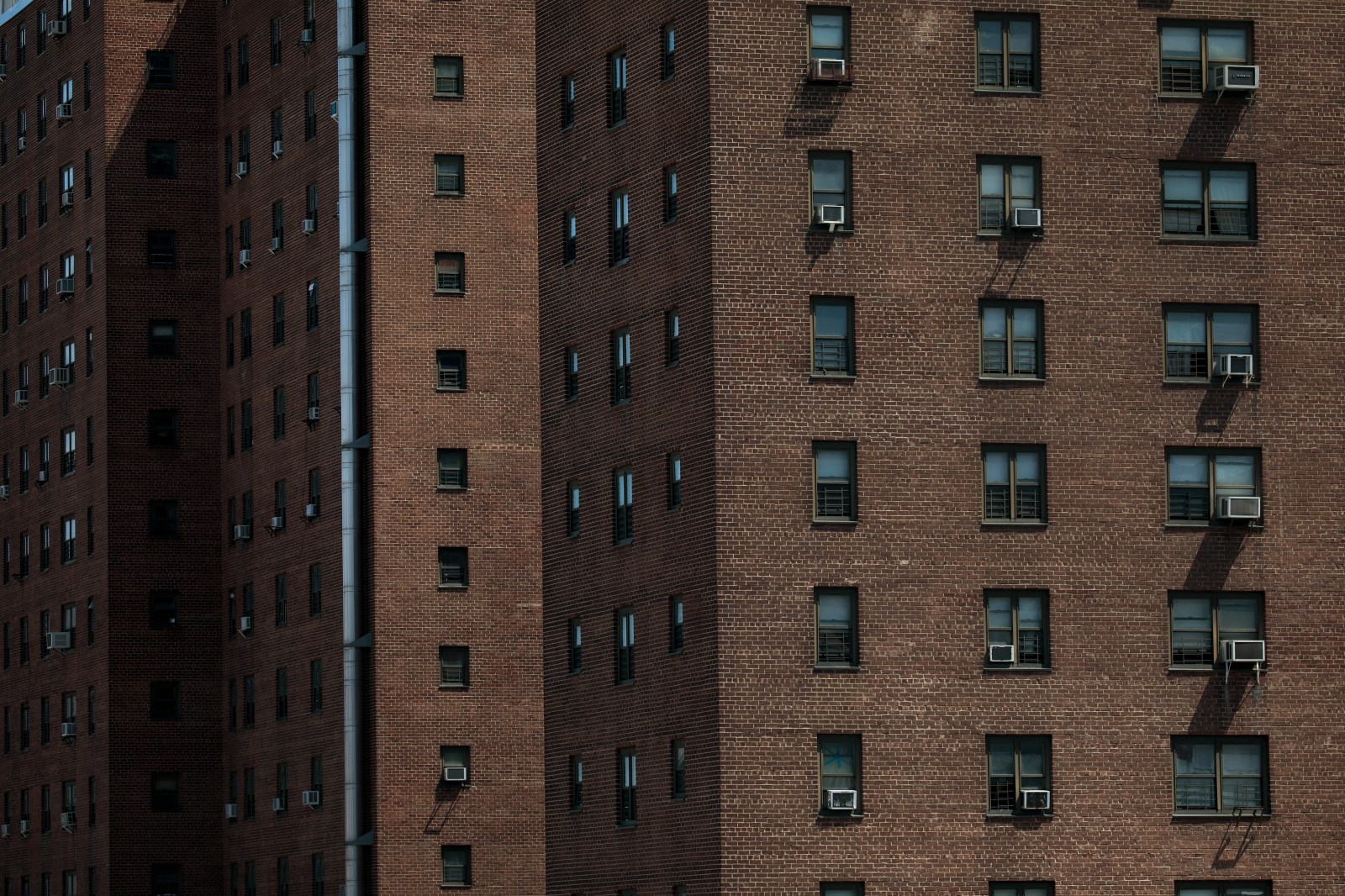
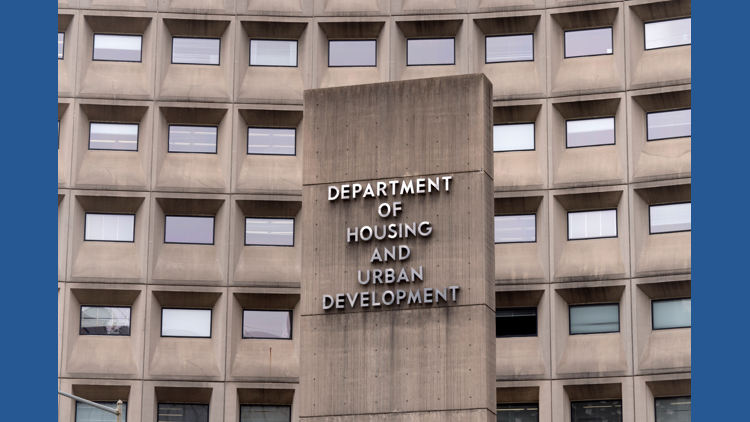
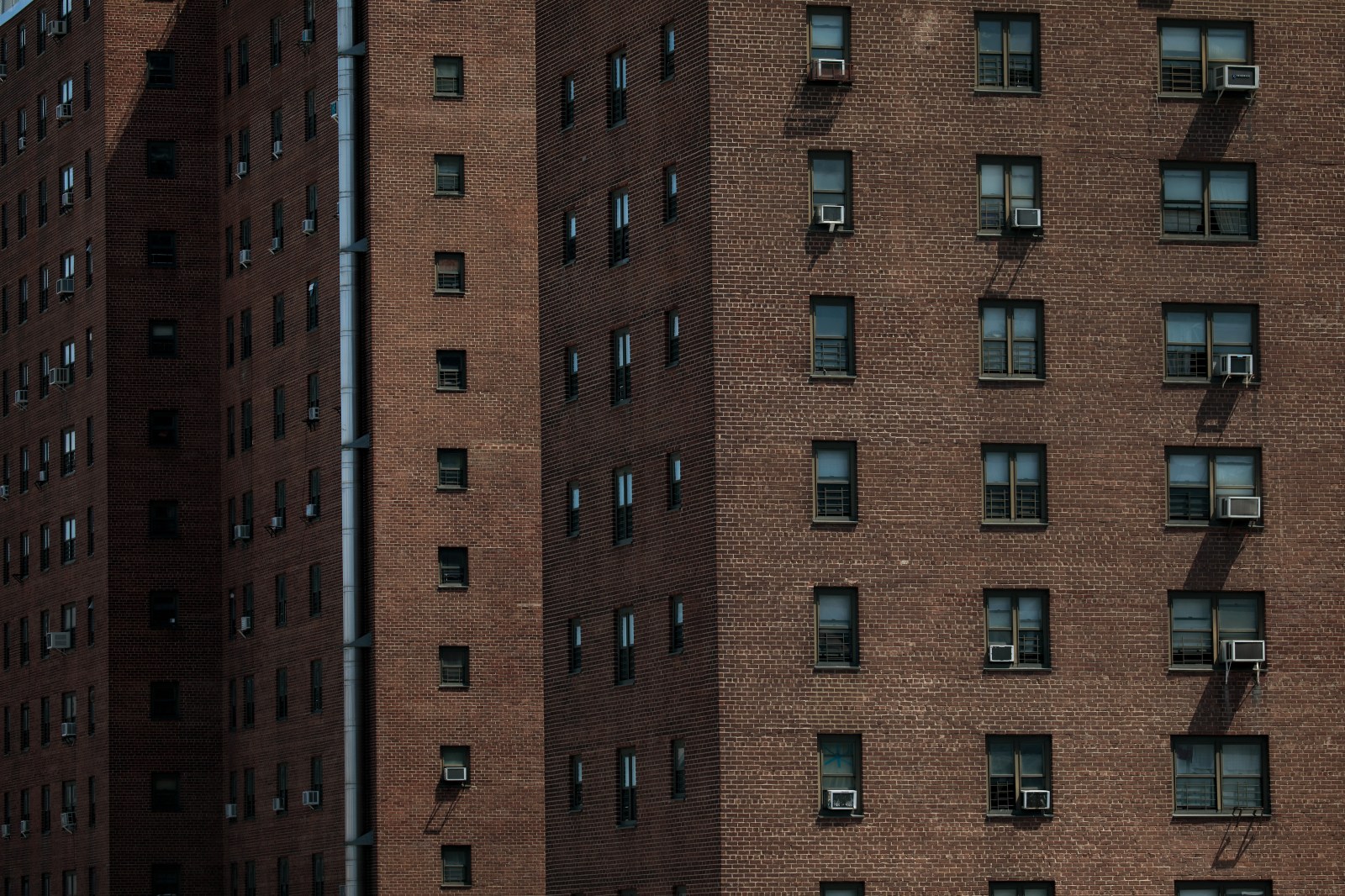
Rule Requires Citizenship Documentation for All HUD Tenants The Department of Housing and Urban Development issued a draft rule published in the Federal Register that obligates every occupant of HUD‑funded housing to present proof of U.S. citizenship or eligible non‑citizen status, eliminating the prior age‑based exemption for seniors [1][2]. The requirement applies to both public housing authorities and private landlords, who must report any resident deemed “present in violation of the Immigration and Nationality Act” to Homeland Security [2]. HUD Secretary Scott Turner framed the measure as an anti‑fraud safeguard aimed at removing “illegal aliens, ineligibles, and fraudsters” from the program [1].
Mixed‑Status Households Face Immediate Loss of Assistance Under the proposal, if any household member cannot verify eligible status, the entire unit loses its subsidy, forcing families to either remove the individual or forfeit assistance after a 90‑day compliance window, with a possible 30‑day extension [2]. The rule therefore bars mixed‑status families from receiving Section 214 aid, reviving a previously stalled Trump‑era policy and aligning with the conservative Project 2025 agenda [1]. Advocates warn that this could trigger mass evictions for thousands of immigrant families [1][2].
Projected Displacement Ranges From Tens to Hundreds of Thousands The Center on Budget and Policy Priorities estimates up to 80,000 individuals—about 20,000 families—could lose HUD assistance under the rule [1]. The National Housing Law Project projects a higher impact, citing potential displacement of over 100,000 people, including more than 37,000 children [2]. Both analyses note that 3.8 million adults lack any citizenship documentation and another 17.5 million cannot readily obtain it, underscoring the rule’s broad reach [1].
Implementation Timeline Remains Unclear The draft becomes official once the Federal Register publishes it, scheduled for Friday, but HUD has not disclosed an effective date for enforcement [1]. Critics argue the lack of a clear rollout exacerbates uncertainty for tenants already facing housing insecurity [2]. Legal challenges are expected as advocacy groups prepare to contest the rule on grounds of discrimination and violation of fair‑housing protections [1][2].
Sources
-
1.
King5: HUD Proposes Rule Limiting Public Housing to Citizens and Eligible Noncitizens: details the rule’s citizenship‑proof requirement, removal of senior exemption, projected impact on 80,000 individuals, HUD Secretary’s anti‑fraud rationale, and pending Federal Register publication .
-
2.
Newsweek: Trump Administration’s HUD Rule Could Bar Mixed‑Status Families From Subsidized Housing: emphasizes the rule’s effect on mixed‑status households, 90‑day compliance window, expanded reporting duties for private landlords, estimate of over 100,000 displaced, and criticism that it targets immigrants .
Related Tickers
Timeline
2019 – HUD drafts a similar citizenship‑only housing proposal that would have left roughly 25,000 families homeless, foreshadowing the stricter rule now under review [1].
Feb 19, 2026 – A draft Federal Register filing shows HUD plans to restrict Section 214 housing aid to U.S. citizens or eligible noncitizens, requiring every occupant in subsidized units to prove status and ending the senior‑exemption carve‑out [1][2].
Feb 19, 2026 – The proposal limits prorated subsidies to the brief period needed for status verification; after a 90‑day compliance window (with a possible 30‑day extension) households must remove ineligible members or lose all assistance [1].
Feb 19, 2026 – HUD expands reporting duties to private landlords, obligating them to notify the Department of Homeland Security when a resident is “present in the U.S. in violation of the Immigration and Nationality Act” [1].
Feb 19, 2026 – Advocacy groups warn the rule could displace over 100,000 people, including more than 37,000 children, echoing earlier HUD projections that a 2019 version would have left 25,000 families homeless [1].
Feb 19, 2026 – Critics argue the change deepens the housing crisis and targets immigrants; Adriana Cadena says it “scapegoats immigrants,” while Shamus Roller warns it will force family separations [1].
Feb 19, 2026 – HUD Secretary Scott Turner frames the rule as an anti‑fraud measure, stating it will end “illegal aliens, ineligibles, and fraudsters gaming the system” and ensure only eligible tenants receive HUD assistance [2].
Feb 19, 2026 – Policy analysts at the Center on Budget and Policy Priorities estimate up to 80,000 individuals (about 20,000 families) could lose aid, noting 3.8 million adults lack citizenship documentation and another 17.5 million cannot easily obtain it [2].
Feb 20, 2026 – The proposal is published in the Federal Register, becoming official, but HUD does not disclose an effective date; the rule awaits final publication and a future implementation timeline [2].