Sedanka’s Men Vanish as War Leaves Rural Russian Village Depleted
Updated (2 articles)
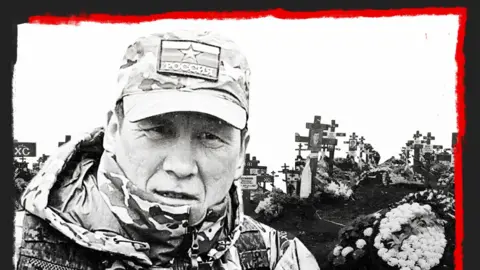
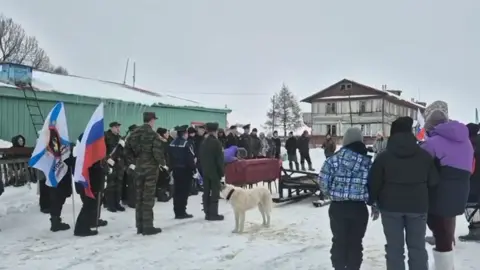
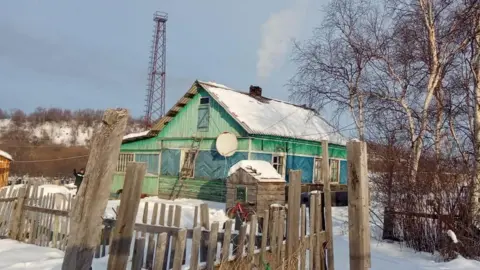
Mass Conscription Drains Sedanka’s Working‑Age Men From a total population of 258, only 39 men aged 18‑55 signed contracts to fight in Ukraine; 12 have been confirmed dead and seven are missing, leaving the majority of families without male laborers and severely reducing the village’s workforce [1].
Harsh Infrastructure and Climate Exacerbate Village Hardship Sedanka lacks running water, indoor toilets, and central heating; it is isolated by road only from May to October and endures winter temperatures around –10 °C, compounding daily survival challenges for the remaining residents [1].
Indigenous Communities Suffer Disproportionate Fatalities The Koryak and Itelmen of Sedanka reflect a broader pattern where small Siberian peoples face higher loss rates, with overall indigenous deaths reported as 201 Nenets, 96 Chukchi, 77 Khanty, 30 Koryaks and seven Inuit, amounting to up to 2 % of some groups [1].
War Death Toll Nationwide Far Exceeds Official Figures BBC analysis verified 40,201 Russian soldiers killed in 2025 and projects 2025 deaths around 80,000; experts estimate these figures cover only 45‑65 % of all fatalities, implying a total Russian war death count between 286,000 and 413,500 [1].
Government Promises Remain Unfulfilled in Sedanka A “village of military valour” title and a support programme were pledged in 2024, yet the honor has not arrived, aid remains limited, and critical infrastructure such as homes, a school and a monument are deteriorating [1].
Rural Per‑Capita Losses Outpace Urban Areas Dramatically Although 48 % of Russia’s population lives in settlements under 100,000, they account for 67 % of war deaths; Moscow records only five deaths per 10,000 males (0.05 %), while poorer Siberian regions experience death rates 27‑33 times higher [1].
Timeline
Spring 2024 – Wolf numbers in Finland’s north rise to about 295, the highest level in decades according to the Natural Resources Institute Finland, setting the stage for later predation spikes [2].
2024 – Russian authorities pledge a “village of military valour” title and a support programme for Sedanka, but the honor and aid never arrive, leaving the remote Far‑East community without promised infrastructure upgrades [1].
2025 – Russian war fatalities climb sharply, with BBC analysis confirming 40,201 soldiers killed in 2025 and projecting total Russian deaths for the year at roughly 80,000, implying an overall death toll of 286,000‑413,500 when accounting for under‑reporting [1].
2025 – Wolves in Finland surge to roughly 430 individuals, the highest level in decades, as reduced hunting pressure in Russia after the 2022 mass mobilization allows more wolves to cross the border, according to wildlife scientists [2].
2025 – The Reindeer Herders’ Association records about 1,950 reindeer killed by wolves this year, a 70 % increase over the previous year, with herders like Juha Kujala reporting daily carcasses and severe economic loss, especially of breeding females [2].
2025 – DNA testing of thousands of wolf samples uncovers markers absent from native Finnish populations, supporting the hypothesis that many predators originate from Russia, though scientists note data gaps limit definitive proof [2].
2025 – Finnish authorities advance legislation to permit wolf hunting in reindeer districts and issue new hunting licences, a move herders welcome as a means to protect their herds while conservationists warn of potential ecological impacts [2].
2025 – In Sedanka, 39 men aged 18‑55 sign contracts to fight in Ukraine; 12 are confirmed dead and seven are missing, leaving most families without male laborers and underscoring the village’s demographic collapse [1].
2025 – Indigenous Siberian groups suffer disproportionate war casualties, with deaths including 201 Nenets, 96 Chukchi, 77 Khanty, 30 Koryaks and seven Inuit, representing up to 2 % of some populations, highlighting the uneven burden of the conflict [1].
Winter 2025‑2026 – Sedanka endures harsh living conditions—no running water, indoor toilets, or central heating, road access only May‑October, and winter temperatures around –10 °C—compounding the social strain from the loss of men [1].
Feb 20, 2026 – Rural Russia records far higher per‑capita war deaths than Moscow, with Siberian regions experiencing death rates 27‑33 times higher, while Sedanka’s infrastructure—homes, school, monument—continues to deteriorate despite the unfulfilled “military valour” promise [1].