Venice Carnival 2026 Showcases Handcrafted Masks and 15,000 Historic Costumes
Updated (2 articles)
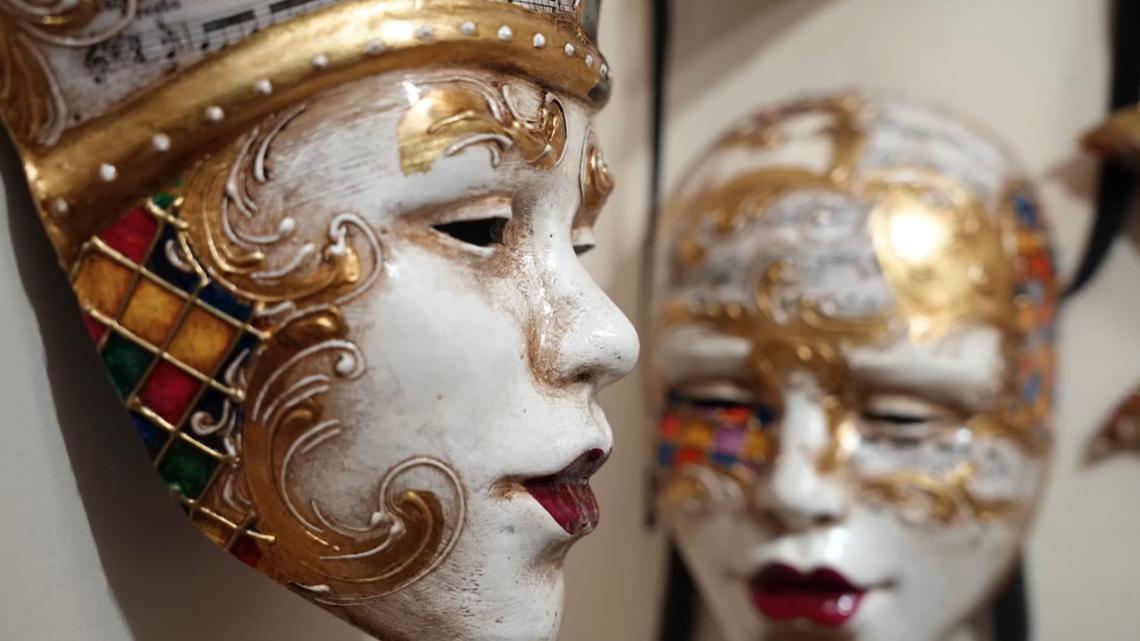
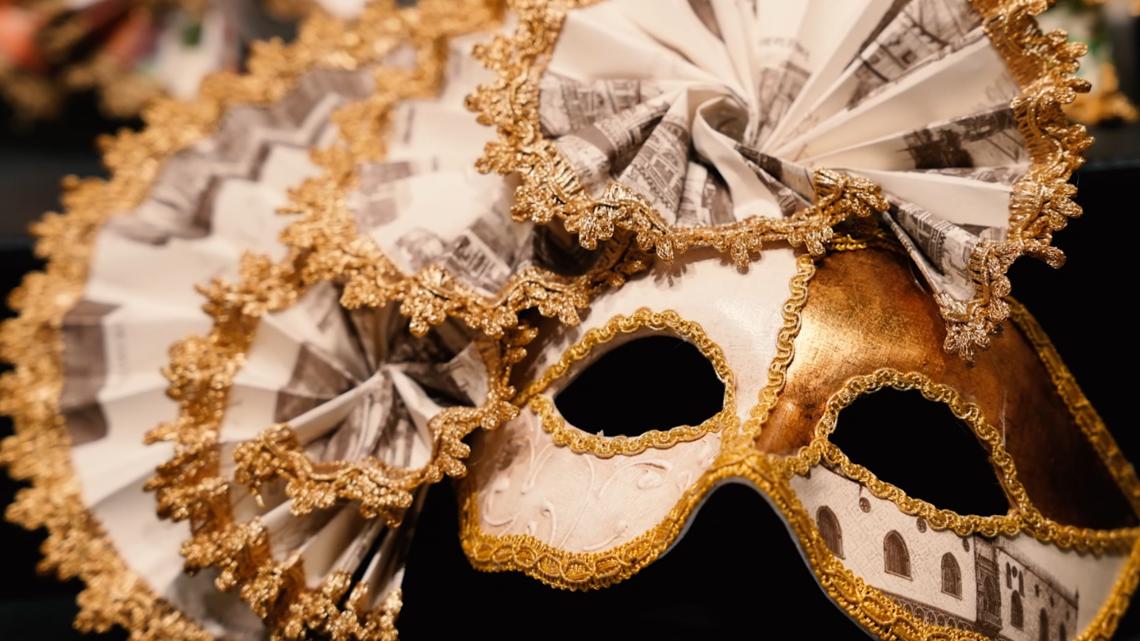
Two‑Week Carnival Draws Millions to Venice’s Streets The festival runs for two weeks each February, filling canals and narrow alleys with locals and tourists who explore gondolas, attend street parties, and wear elaborate disguises [1][2]. Participants revel in the city‑wide celebration that blends historic pageantry with modern tourism revenue. The event’s open‑air venues create a continuous flow of visitors throughout the fortnight.
Councilor Simone Venturini Emphasizes One‑Day Identity Freedom Tourism councilor Simone Venturini describes the Carnival as a rare chance for anyone to become “another person” for a day, highlighting the freedom to choose any mask or costume [1][2]. He frames the experience as a “special atmosphere” that encourages personal expression and anonymity. Venturini’s comments underscore the municipal support for preserving this cultural tradition.
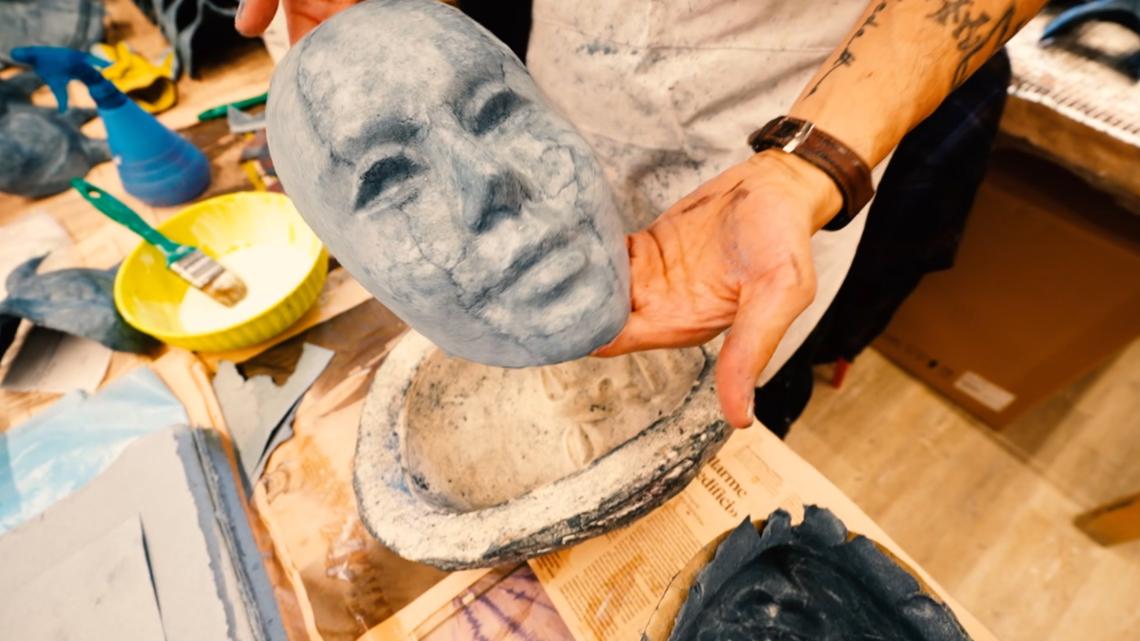
Ca’Macana Workshop Produces Thousands of Hand‑Mâché Masks Second‑generation artisan David Belloni leads the Ca’Macana studio, hand‑crafting 8,000‑9,000 paper‑mâché masks annually [1][2]. The process begins with a clay model, adds plaster, layers thin paper, then dries and hand‑paints each piece, preserving techniques dating back to 1984. Belloni stresses that each mask retains the “soul” of Venetian craftsmanship, distinguishing them from mass‑produced plastic alternatives.
Historic Masks Symbolize Social Equality and Protection Iconic styles such as the Bauta and the plague‑doctor mask historically concealed identity, allowing citizens of different clans and classes to mingle anonymously during the Republic era [1][2]. The Bauta, dubbed the “queen of Venetian masks,” and the beaked plague‑doctor mask also reflect past health practices and social leveling. Their continued popularity links contemporary revelers to centuries‑old customs.
Costume Designer Stefano Nicolao Supplies 15,000 Period Outfits With a five‑decade career, Nicolao offers a wardrobe of 15,000 historic costumes for theatre, film, and Carnival rentals, including pieces used in productions like “Marco Polo” and “Pirates of the Caribbean” [1][2]. Visitors can rent Renaissance‑inspired garments to “live a dream” of historic Venice. His extensive collection supports both cultural tourism and the entertainment industry.
Sources
-
1.
WBNS: Venice Carnival’s Mask‑Making and Costume Legacy – Highlights the two‑week festival, councilor Venturini’s identity quote, Ca’Macana’s 8,000‑9,000 handmade masks, price range up to €500, Belloni’s critique of cheap plastic masks, and Nicolao’s 15,000 historic outfits for rent .
-
2.
King5: Venice Carnival: Masks, Costumes, and Timeless Tradition – Mirrors the festival’s duration and Venturini’s remarks, details Ca’Macana’s production process, emphasizes masks’ role in concealing identity and leveling classes, and notes Nicolao’s costume rentals for major film productions .
Related Tickers
Timeline
1984 – Ca’Macana workshop is founded in Venice, later becoming a second‑generation family studio that hand‑crafts thousands of paper‑mâché masks each year, preserving traditional techniques [1].
16th‑18th century (Republic era) – Venetian masks conceal personal identity, allowing people of different clans and social classes to mingle anonymously, a practice that levels social hierarchies during the Republic [2].
17th century – The plague‑doctor mask, with its long beak, originates as protective headgear for physicians during epidemic outbreaks, later becoming an iconic Carnival symbol [1].
Each February (annual) – Venice hosts a two‑week Carnival that transforms canals and alleys into a city‑wide party, inviting locals and tourists to explore gondolas, narrow streets, and elaborate dress‑up events celebrating anonymity and festivity [1][2].
Feb 2026 (current Carnival) – Councilor Simone Venturini declares that Carnival lets anyone become a new persona for a day, saying “Just for one day, you become another person. Dress as you want. Become what you want to be,” highlighting the event’s freedom of identity [1][2].
Feb 2026 – Ca’Macana workshop produces 8,000‑9,000 handmade masks annually, starting with a clay model, adding plaster and thin paper, then drying and hand‑painting each piece, thereby maintaining authentic Venetian craftsmanship [1][2].
Feb 2026 – Signature masks such as the Bauta, plague‑doctor, and popular laughing‑face dominate the market, while the most expensive mask, adorned with peacock feathers, sells for €500 [1].
Feb 2026 – David Belloni warns that cheap plastic masks lack the soul of authentic Venetian craftsmanship, contrasting factory‑made items with the workshop’s hand‑crafted pieces [1].
Feb 2026 – Costume designer Stefano Nicolao, with a 50‑year career, offers 15,000 historic outfits for theatre, film, and Carnival rentals, enabling visitors to “live a dream” of Renaissance life and supporting productions like “Marco Polo” [1][2].
Future (2027 onward) – Venice’s Carnival is expected to continue its two‑week February schedule, with Ca’Macana projected to craft thousands of masks and Nicolao to provide historic costumes, sustaining the city’s mask‑making and costume legacy [1].
External resources (3 links)
- https://www.camacana.com/ (cited 2 times)
- https://www.nicolao.com/en/ (cited 2 times)
- https://www.wthr.com/section/journey-to-italy (cited 2 times)