Supreme Court Set to Rule on Learning Resources Tariff Lawsuit This Week
Updated (3 articles)
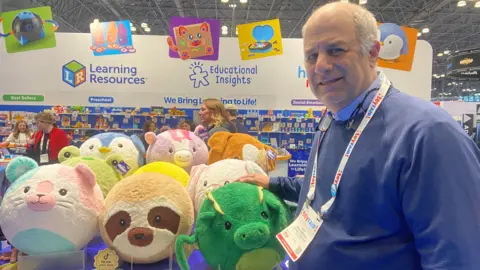
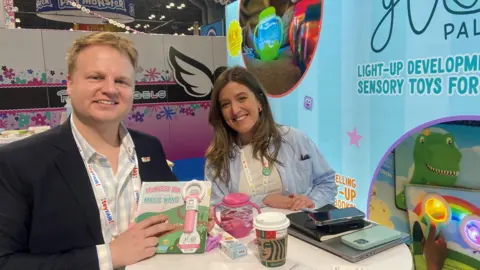
Court Hearing Scheduled Amid Industry Tension The Supreme Court may issue a decision on Learning Resources’ tariff challenge by Friday, prompting CEOs like Rick Woldenberg to prepare for rapid outcomes [1]. The case targets Trump‑era import levies that dramatically increased costs for firms dependent on Chinese production [1]. Toy manufacturers across the United States are monitoring the hearing closely, aware that a loss could trigger massive tariff refunds [1].
Tariff History Shows Sharp Peaks and Recent Relief The Trump administration initially imposed duties of up to 145 % on Chinese toy imports, inflating manufacturers’ expenses and disrupting supply chains [1]. Subsequent White House exemptions and rollbacks have lowered the average tariff to roughly 20 % [1]. These adjustments have softened the price impact on U.S. consumers compared with the earlier peak levels [1].
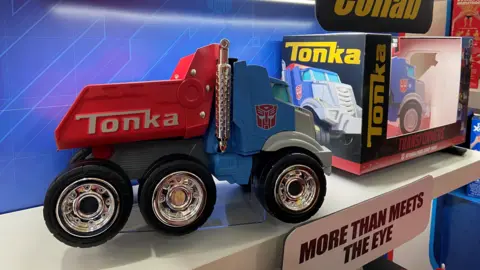
Price Adjustments Remain Limited Despite Higher Duties Companies such as Basic Fun raised the Tonka truck price from $30 to about $35, while Glo Pals increased its light‑up cube pack to $12.99, marking the first hikes in six years [1]. Harvard Business School professor Alberto Cavallo notes that overall toy prices have seen little movement, though low‑cost items experienced faster growth [1]. Industry leaders warn they will stay vigilant for years, fearing that an adverse ruling could force the government to return billions collected from businesses [1].
Related Tickers
Timeline
Spring 2025 – The Trump administration rolls out sweeping tariffs on Chinese imports, slashing toy imports with duties up to 145 % and prompting retailers such as Amazon to stockpile inventory ahead of the surge in costs[2][3].
June 2025 – Amazon CEO Andy Jassy tells CNBC that “prices have not appreciably gone up,” reflecting early confidence that tariff pass‑through remains limited[2].
Aug 27, 2025 – New tariffs on Indian diamonds take effect at 50 % and a trade deal trims Swiss‑watch duties from 39 % to 15 %, adding cost pressure to jewelry and luxury‑goods markets[3].
Dec 2025 – Holiday shoppers face uneven price impacts as toy wholesale costs climb 5‑20 % after tariffs settle at about 47 % on Chinese toys, pushing a $20‑$25 doll to $30‑$35; small retailers shift to higher‑margin items while consumer gift budgets shrink by $229 on average[3].
Jan 2026 – Speaking at the World Economic Forum in Davos, Andy Jassy says “tariffs are beginning to creep into some prices,” noting that Amazon’s pre‑tariff stockpiles have run down and sellers are mixing cost‑passing with absorption; White House spokesman Kush Desai counters that foreign exporters will ultimately bear the tariff burden[2][2].
Jan 2026 – An Amazon spokesperson tells CNN that overall price levels remain stable despite isolated hikes, while Walmart, Target and Home Depot warn of tariff‑driven price increases and the Fed’s Beige Book reports many businesses plan larger price hikes in the coming year[2].
Feb 2026 – The Supreme Court schedules a hearing on Learning Resources’ challenge to the Trump‑era toy tariffs, with a decision possible by Friday; industry leaders such as Jay Foreman warn they will “remain vigilant for years,” and a loss could force the government to refund billions in collected duties[1][1].
Feb 2026 – Harvard Business School professor Alberto Cavallo notes that tariffs have had “little impact” on overall toy prices, though low‑cost items see faster price growth, while the average tariff on Chinese imports settles near 20 % after exemptions and rollbacks[1].