Maersk CEO Says Iran War Costs Will Be Passed to Consumers
Updated Published Cached

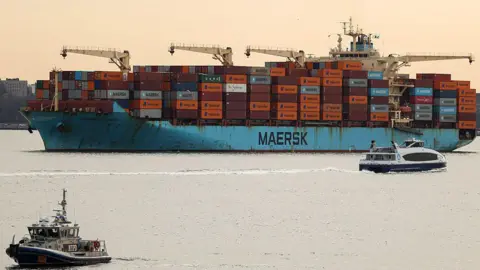
Iran‑linked oil surge lifts shipping expenses – Since the US‑Israel war with Iran began, oil prices jumped to nearly $120 a barrel before easing to $87, roughly 20 % above pre‑conflict levels, prompting Maersk to pass higher fuel costs onto its customers and ultimately consumers [1].
Extra $200 per 20‑ft container adds 15‑20 % freight cost – Vincent Clerc said the price hike works out to about $200 for a standard container, translating into a fifteen to twenty percent increase on some freight rates [1].
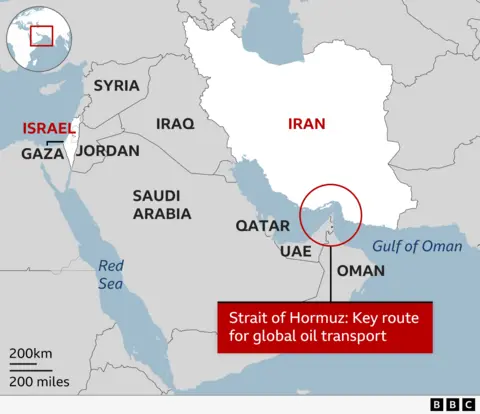
Ships rerouted around Cape of Good Hope after Hormuz blockade – The closure of the Strait of Hormuz, which previously carried about one‑fifth of global oil, forces vessels onto longer, costlier voyages via the Cape of Good Hope, disrupting deliveries worldwide [1].
China summons Maersk executives over rising shipping fees – China’s transport ministry called in Maersk and another carrier to discuss “international shipping operations” as Beijing protests the higher cost of moving goods [1].
Rivals MSC and Hapag‑Lloyd also raise charges – Competing container lines have followed Maersk’s lead, increasing their fees in response to the same fuel and routing pressures [1].
CEO favors diplomatic solution over naval escorts – Clerc called naval protection a “temporary reprieve,” stressing the risk to crews and urging a US‑Israel‑Iran deal to restore free navigation through the strait [1].
- Vincent Clerc, CEO of Maersk – “So what it means is that ultimately, in this case, these increases will pass to our customers and will pass on to the consumers.”; also warned that naval escorts are not a permanent fix and that a diplomatic deal is needed.
- Fatemeh Mohajerani, Iranian government spokesperson – Justified the Hormuz blockade by saying Iran must maximise “all resources” while in a state of war.