New 10% U.S. Import Duty Takes Effect Feb 24 After Supreme Court Ruling, Replacing Short‑Lived 15% Measure
Updated (2 articles)
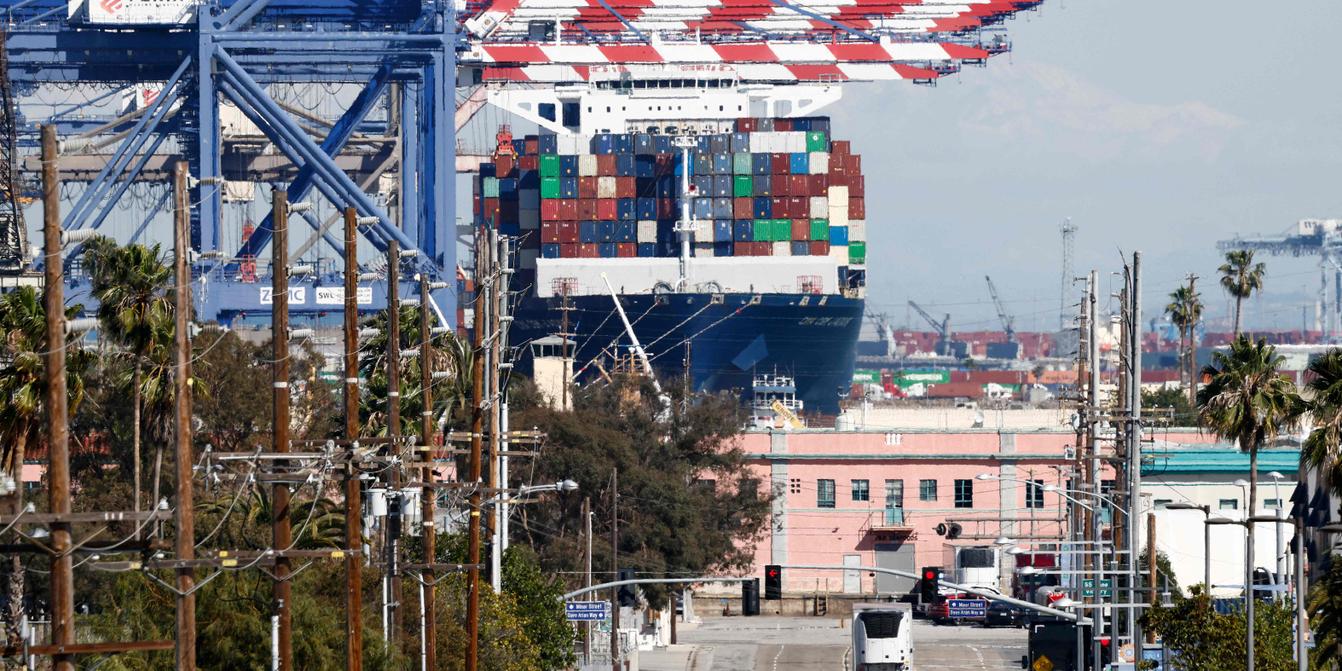
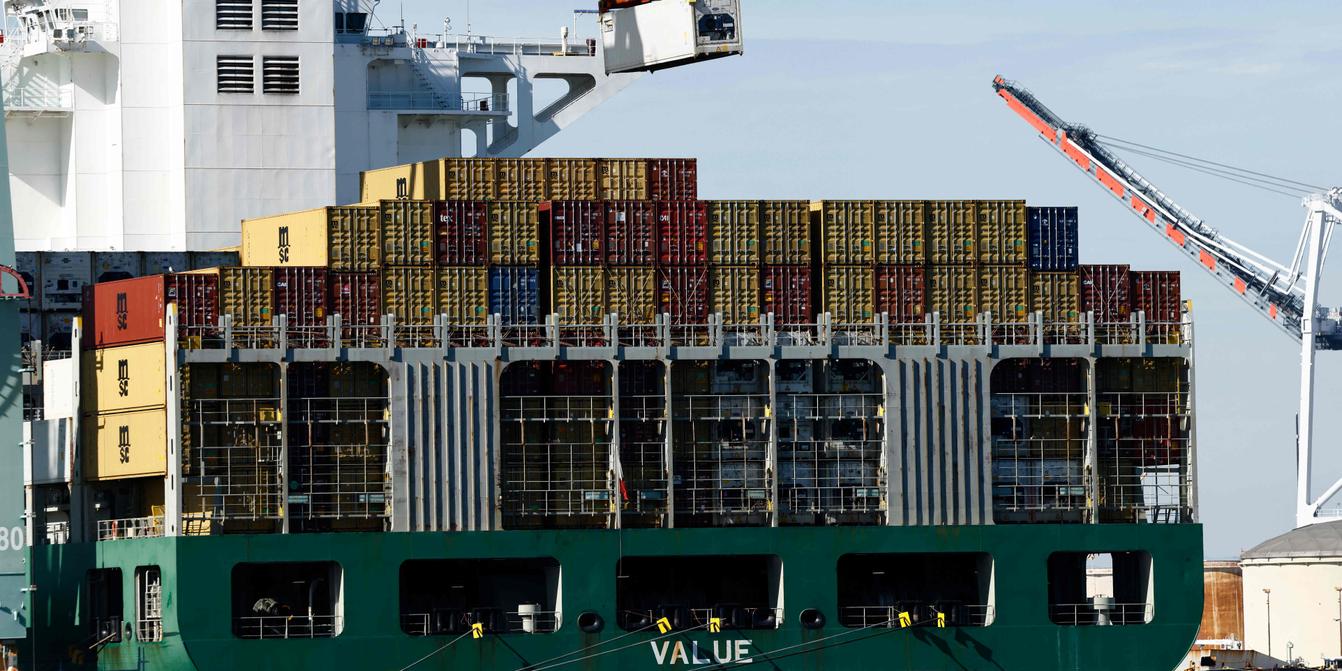
Supreme Court voids earlier tariffs, prompting Trump’s rapid counter‑policy. On Feb 20, the U.S. Supreme Court struck down the “reciprocal” tariffs that President Trump had imposed, ruling he exceeded his authority [2]. Hours later, Trump announced a 15% duty on all imports under Article 122 of the Trade Act, slated to begin Feb 24 [2]. The decision created immediate uncertainty for exporters, especially French firms, whose leaders warned of heightened risk [2].
Decree activates uniform 10% surcharge at midnight Washington time. presidential decree issued on Feb 24 imposed a flat 10% tariff on most goods entering the United States, replacing the invalidated duties [1]. Customs stopped collecting the struck‑down tariffs at 00:00 Washington (06:00 Paris) and began levying the new surcharge the same moment [1]. The measure relies on a 1974 trade‑balance statute that permits adjustments when a payment‑balance gap is identified [1].
Sector‑specific and USMCA duties remain untouched, lowering average rate. Existing higher tariffs on copper, automobiles, and construction wood (10‑50%) continue unchanged, as do duty‑free treatments for Canadian and Mexican products under the US‑Mexico‑Canada Agreement [1]. Yale’s Budget Lab estimates the overall effective duty falls from 16% to about 13.7% because of the new uniform rate [1]. This selective approach preserves targeted protection while easing the burden on most imports.
Temporary measure expires July 24, with possible escalation to 15%. The 10% decree is set to lapse on July 24 unless Congress approves an extension, giving the administration a three‑month window to assess impact [1]. Trump has hinted he may raise the rate to 15% after a “thorough examination,” though no formal decree has been issued yet [1]. The statutory limit of 150 days under the Trade Act allows renewal if congressional consent is obtained [2].
Legal challenges and industry backlash emerge quickly. FedEx filed a lawsuit seeking reimbursement for over $130 billion in duties paid in 2025, arguing the earlier tariffs were unlawful [1]. French industry leaders, such as Haulotte CEO Alexandre Saubot, expressed concern that the shifting legal footing creates a new phase of uncertainty for European exporters [2]. These actions highlight both commercial and judicial resistance to the rapid policy shifts.
Sources
-
1.
Le Monde:New 10% U.S. Import Tariff Takes Effect After Supreme Court Ruling: Details the Feb 24 implementation, legal basis, exemptions, and FedEx lawsuit, emphasizing the temporary nature and average duty reduction .
-
2.
Le Monde:U.S. 15% Tariff Reinstated Under Trade Act, French Firms Face Renewed Uncertainty: Covers the Feb 20 Supreme Court decision, the immediate 15% tariff announcement, and French industry concerns about legal uncertainty .
Related Tickers
Timeline
2025 – The United States collects over $130 billion in duties that later prove unlawful, prompting FedEx to seek refunds for the charges. [1]
Feb 20, 2026 – The Supreme Court voids the “reciprocal” tariffs Trump imposed, ruling he exceeded his authority. [2]
Feb 20, 2026 (hours later) – President Trump announces a 15 % duty on all imports, invoking Article 122 of the Trade Act, which permits tariffs for up to 150 days. [2]
Feb 20, 2026 – Alexandre Saubot, CEO of Haulotte, warns that the move “creates a new phase of uncertainty, which is inevitably worrying” for French companies. [2]
Feb 23, 2026 – FedEx files a lawsuit seeking reimbursement for duties it paid on 2025 shipments, arguing the charges were unlawful. [1]
Feb 24, 2026 (00:00 Washington time) – Customs stop collecting the invalidated duties and begin levying a uniform 10 % surcharge on most imports, while sector‑specific and USMCA duties remain unchanged. [1]
Feb 24, 2026 – The 10 % decree, based on the 1974 trade‑balance law, lowers the average effective tariff rate to about 13.7 % and is set to expire on July 24, pending congressional approval. [1]
July 24, 2026 (expected) – The temporary 10 % tariff expires unless Congress renews it; Trump hints he may raise the rate to 15 % after a “thorough examination.” [1]