U.S. Delegation’s Seoul Visit Postponed Over Scheduling While Nuclear Submarine Talks Remain on Agenda
Updated (4 articles)
-
 Image: YonhapJeong Yeon-doo (R), vice minister for diplomatic strategy and intelligence, and James Heller, charge d'affaires ad interim at the U.S. Embassy in Seoul, shake hands during their meeting in the capital on Feb. 19, 2026, in this photo provided by the foreign ministry. (PHOTO NOT FOR SALE) (Yonhap) Source Full size
 -
 Image: Yonhap
 -
Image: Yonhap


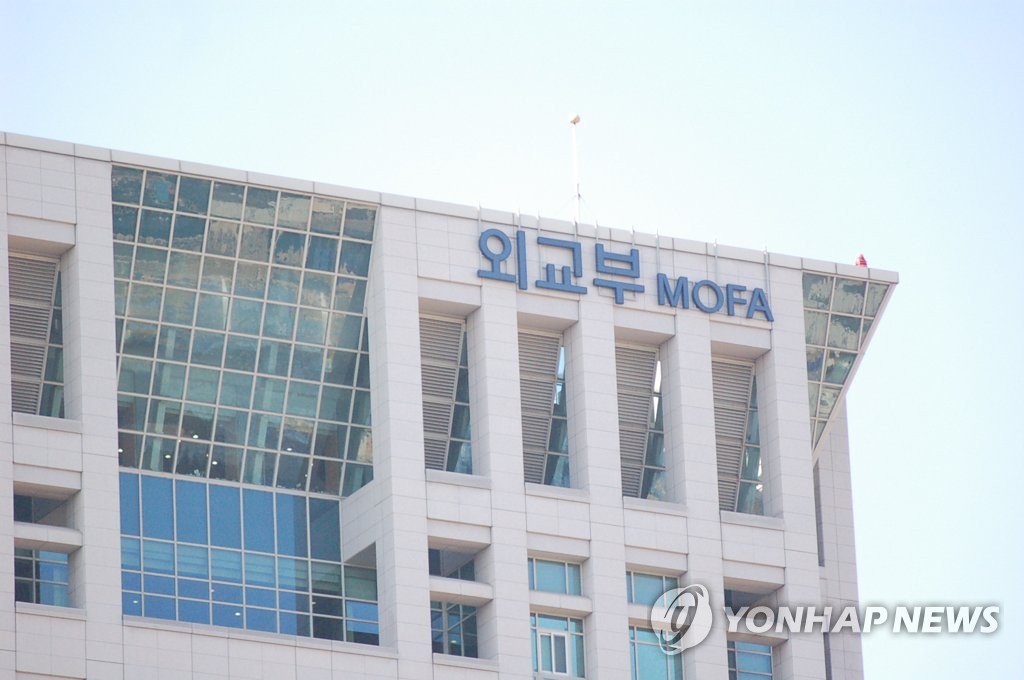
Delay Attributed to Scheduling, Not Trade Disputes A senior Seoul official confirmed the U.S. security delegation’s trip to South Korea has been postponed because of scheduling conflicts, not because of the recent U.S. Supreme Court tariff ruling or trade disagreements, and no replacement date has been set [1]. Officials emphasized the postponement is purely logistical, despite speculation that the tariff decision could affect negotiations. The same source noted that South Korea stands ready to host the talks in Washington if further delays occur [1].
Planned Agenda Centers on Nuclear Submarines and Energy Cooperation The postponed visit was expected to advance a joint fact sheet released in November that outlines South Korea’s pursuit of nuclear‑powered submarines, civil uranium enrichment, spent‑fuel reprocessing, and broader nuclear‑energy collaboration [1][2]. Discussions would also cover shipbuilding projects and other defense‑industry initiatives tied to the bilateral security framework. Both governments aim to translate the summit agreement into concrete implementation steps once the delegation reconvenes [1].
Nuclear Envoy Jeong Yeon‑doo Continues Washington Engagement Vice‑minister Jeong Yeon‑doo, South Korea’s top nuclear envoy, traveled to Washington from Tuesday to Friday, meeting under secretaries Allison Hooker, Thomas DiNanno, and Michael DeSombre [2]. His itinerary marks his first U.S. trip since assuming the role and focuses on exchanging security assessments and refining the joint fact sheet’s provisions. The envoy’s presence underscores Seoul’s commitment to the submarine program despite the delegation’s delay [2].
Earlier Seoul‑Washington Meeting Focused on Trade Deal Implementation On Feb 19, Jeong met acting U.S. ambassador James Heller at the foreign ministry to discuss the bilateral trade deal and investment projects, agreeing to strengthen communication channels [3]. The talks were explicitly not intended to coordinate North‑Korea policy, highlighting a separate diplomatic track from the security agenda. Heller indicated that a U.S. delegation could still travel to Seoul this month for the security negotiations outlined in the November fact sheet [3].
Geopolitical and Economic Context Complicates Scheduling Officials cited unpredictable U.S. political dynamics, ongoing tensions with Iran, Russia’s war in Ukraine, and an upcoming U.S.–China summit as factors that make planning difficult [1]. The Supreme Court’s overturning of former President Trump’s “reciprocal” tariffs added speculation about trade impacts, though officials denied any direct link to the postponement [1]. South Korea has also launched a committee to review the $350 billion investment projects pledged under the trade deal, reflecting broader economic stakes tied to the security talks [3].
Timeline
Oct 2025 – Lee Jae Myung and U.S. President Donald Trump hold a summit in Seoul, agreeing to pursue a nuclear‑powered submarine program for South Korea and to deepen defense and economic cooperation, laying the foundation for later joint initiatives [2].
Nov 2025 – South Korea and the United States publish a joint fact sheet outlining the summit’s agreements, covering a $350 billion investment pledge, nuclear‑energy cooperation, and security measures such as uranium enrichment and spent‑fuel reprocessing rights [2].
Dec 15, 2025 – National security adviser Wi Sung‑lac departs for Washington to discuss post‑summit measures with Secretary of State and national security adviser Marco Rubio; Seoul’s National Security Office creates three task‑force teams to handle working‑level consultations on submarines, fuel work, defense budgeting, and North‑Korea policy coordination under the new U.S. National Security Strategy [4].
Feb 19, 2026 – Vice‑minister Jeong Yeon‑doo meets acting U.S. ambassador James Heller at the Korean foreign ministry, pledging “stronger communication” and reviewing the $350 billion investment pledge tied to the 2025 trade deal; a committee is launched to preliminarily review the pledged projects, and Heller says the United States remains optimistic about delayed South Korean investments [3].
Feb 23, 2026 – Jeong Yeon‑doo travels to Washington for his first U.S. trip as vice‑minister, holding meetings with senior officials Allison Hooker, Thomas DiNanno and Michael DeSombre to exchange security assessments and discuss the joint fact sheet’s trade‑defense agenda, reinforcing the priority both governments place on peninsula stability [2].
Feb 24, 2026 – A senior Seoul official announces that a U.S. delegation’s security‑focused visit to Seoul is postponed for scheduling reasons, not trade disputes; the delay follows a recent U.S. Supreme Court ruling overturning former President Trump’s “reciprocal” tariffs, sparking speculation about its impact, while officials keep open the option for the delegation to meet in Washington and note upcoming U.S.–China summit talks as a complicating factor [1].
All related articles (4 articles)
-
Yonhap: U.S. Delegation’s Seoul Visit Delayed Over Scheduling, Not Trade Disputes
-
Yonhap: South Korea’s Nuclear Envoy to Meet U.S. Security Officials This Week
-
Yonhap: Seoul Diplomat and Acting U.S. Ambassador Hold Talks on Trade Deal and Peninsula Issues
-
Yonhap: Nat'l security adviser set to depart for Washington for talks on post-summit measures