US and Iran Hold Indirect Talks in Oman as Carrier Deploys, Sanctions Imposed
Updated (6 articles)
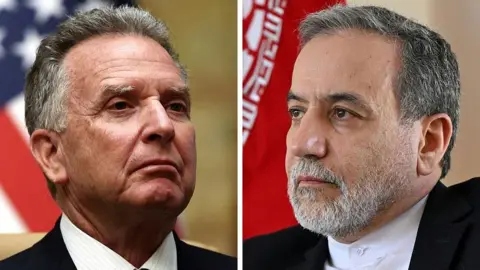
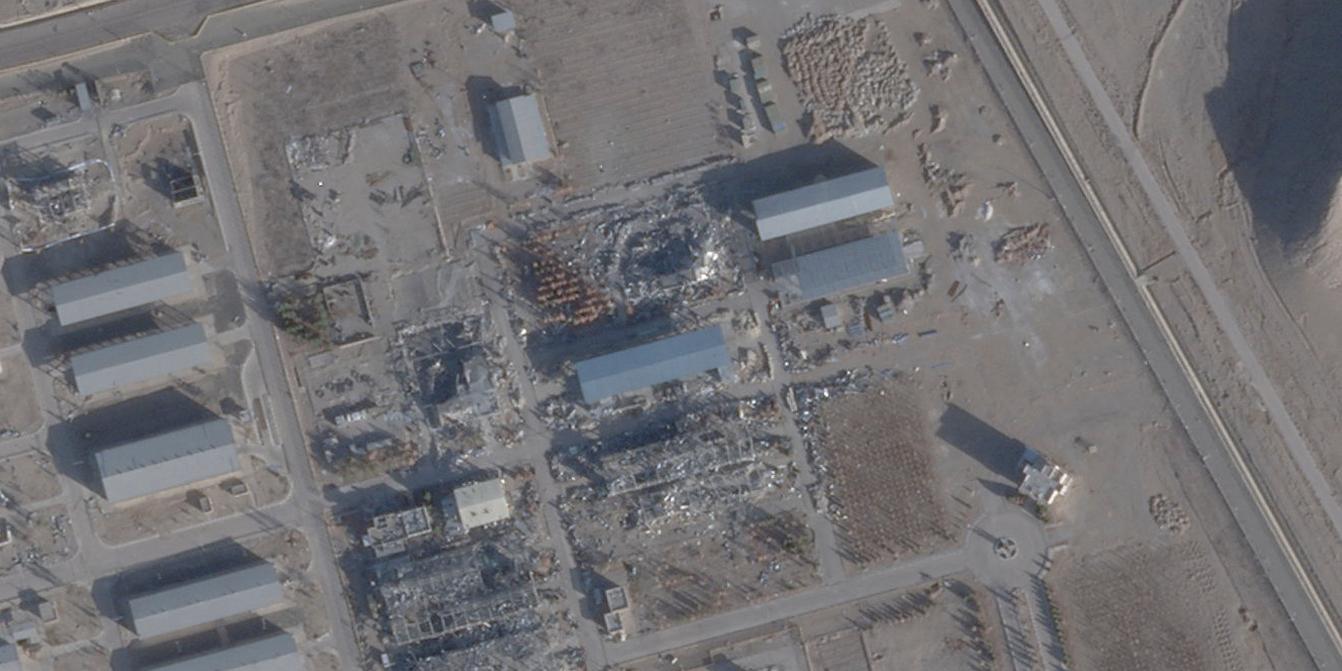
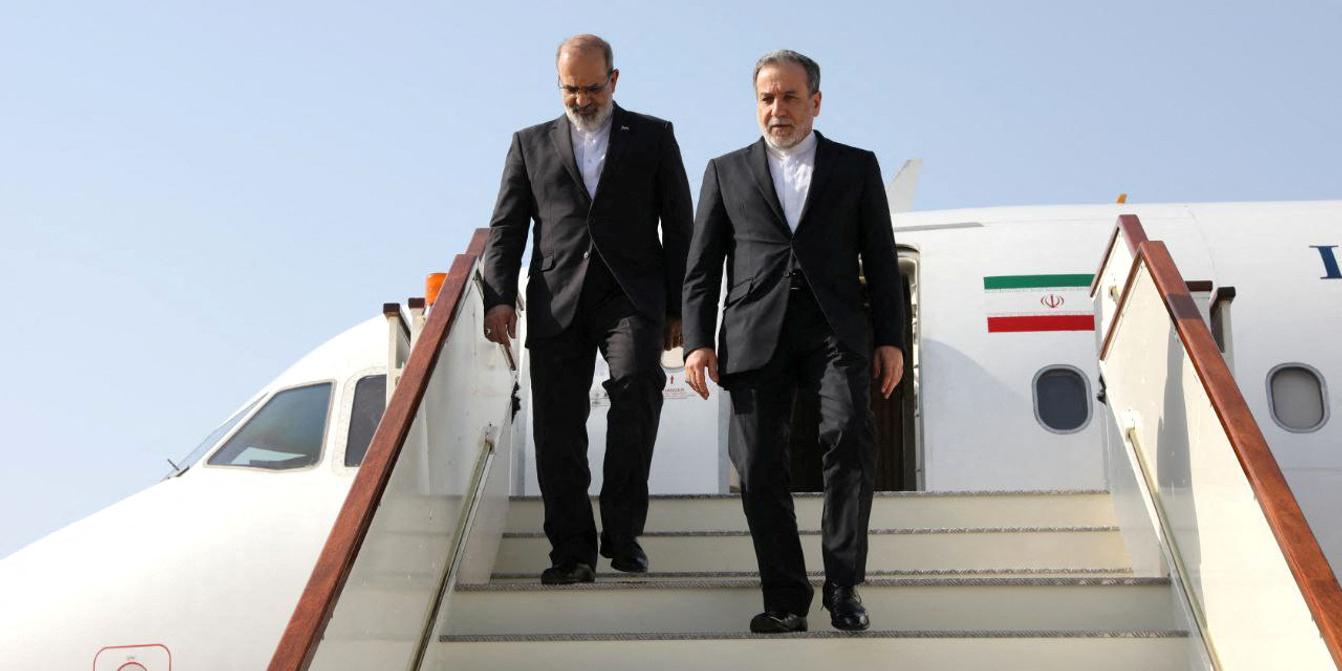
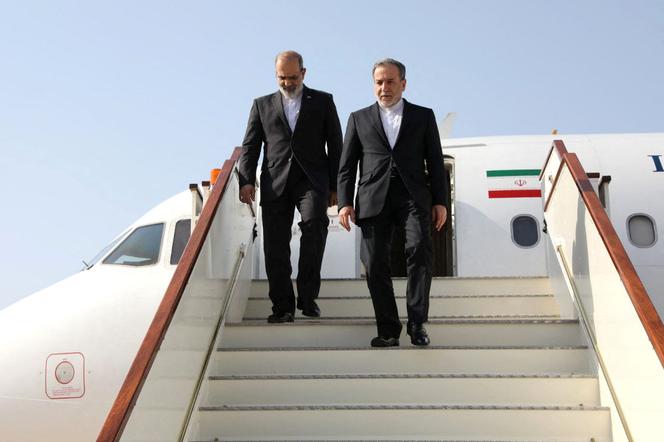
High‑Level Delegations Meet in Muscat on Feb 6‑7 On Friday Feb 6, U.S. officials including Adm. Brad Cooper (CENTCOM), special envoy Steve Witkoff and Jared Kushner met Iranian Foreign Minister Abbas Araghchi in Muscat, Oman; the session opened at 10 a.m. and was described as “useful to clarify both Iranian and American thinking” [1][2][3].
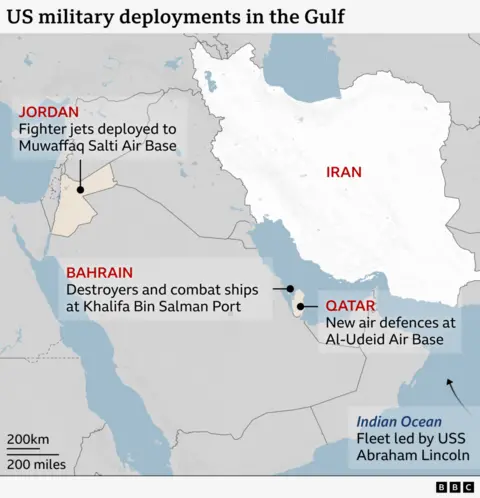
U.S. Naval Buildup Pressures Tehran Amid Regional Tensions The United States positioned the aircraft carrier USS Abraham Lincoln and accompanying warships in the Arabian Sea, a move highlighted after an Iranian drone approached a U.S. carrier and following a violent crackdown on Iranian protests [1][3][4].
New Sanctions and Possible 25 % Import Tax Target Iran’s Energy Trade The Treasury and State Departments announced sanctions on 14 oil tankers, 15 trading firms and two executives, while an executive order grants the president authority to levy a 25 % tariff on goods from countries buying Iranian oil, effective Saturday [1].
Disagreement Over Negotiation Scope and Protest Death Toll Washington seeks to add Iran’s ballistic‑missile program, regional proxy support and human‑rights issues to the talks, whereas Tehran insists on a nuclear‑only agenda and proposes a regional enrichment consortium [2][3][5]. Estimates of deaths from the January protest crackdown vary widely: AP cites “thousands,” BBC reports 6,941, and Le Monde cites over 30,000 [5][2][3].
Sources
-
1.
AP: US and Iran Hold Indirect Talks in Oman Amid Military Posturing: Details the Muscat meeting, Admiral Brad Cooper’s presence, Trump’s “very good” comment, Iran’s 60 % enrichment level and fresh sanctions with a possible 25 % import tax .
-
2.
BBC: Iran‑U.S. Talks in Oman Signal Tentative Nuclear Dialogue: Highlights the “good beginning,” U.S. envoy Steve Witkoff and Jared Kushner’s broader agenda, protest death estimate of 6,941, and divergent statements from Trump and Rubio .
-
3.
Le Monde (Feb 6): US‑Iran Nuclear Talks Begin in Oman Amid Diverging Agendas: Reports the same Muscat delegation, U.S. push for missile and regional issues, Trump’s “last chance” framing, and the carrier group deployment .
-
4.
Le Monde (Feb 5): Trump warns Iran’s Supreme Leader as US‑Iran talks loom in Oman: Covers Trump’s warning to Ayatollah Khamenei, venue shift to Oman after Arab pressure, Rubio’s broader agenda demand, and aggressive U.S. military posture .
-
5.
AP (Feb 5): Iran‑U.S. Nuclear Talks Set for Friday in Oman Amid Heightened Tensions: Announces the Friday meeting, Trump’s warning to Khamenei, Iran’s desire for a nuclear‑only format, background on the collapsed 2025 Oman talks, and mixed regional leader reactions .
Timeline
Jan 13, 2026 – President Donald Trump tells reporters that Iran wants to negotiate, noting the crackdown on protests that activists say have killed at least 646 people, while U.S. officials weigh options from cyber‑attacks to strikes; Oman's foreign minister visits Tehran as a mediator, and Iranian FM Abbas Araghchi claims the situation is “under total control” and blames Israel and the United States (source [4]).
Jan 2026 – Iran’s security forces violently suppress nationwide protests, with human‑rights groups estimating death tolls ranging from 646 to over 30,000 and more than 50,000 arrests, prompting regional and U.S. pressure for diplomatic engagement (source [5]).
Feb 4, 2026 – In an NBC interview, President Trump warns Supreme Leader Ayatollah Ali Khamenei that the United States “knows” about Iran’s plan to open a new nuclear site and threatens “very hard” retaliation, while Iranian FM Abbas Araghchi confirms Friday talks in Muscat and Secretary of State Marco Rubio insists any deal must address missiles, proxies and human rights; the White House also positions a substantial air‑and‑naval strike force near Iran after a drone approaches a U.S. carrier (source [6]).
Feb 5, 2026 – Iranian FM Abbas Araghchi announces that bilateral nuclear talks will occur Friday at 10 a.m. in Muscat, emphasizing a “different” format limited to the nuclear issue and calling for a calm, threat‑free atmosphere; the White House notes the venue shift from Turkey to Oman after Arab leaders’ appeals, while recalling that last year’s Oman talks collapsed following Israel’s 12‑day war and U.S. strikes on Iranian nuclear sites (source [3]).
Feb 5, 2026 – President Trump publicly tells NBC that Iran’s Supreme Leader “should be very worried,” underscoring U.S. pressure ahead of the upcoming negotiations (source [3]).
Feb 6, 2026 – U.S. and Iranian delegations, including special envoy Steve Witkoff and Jared Kushner, commence nuclear talks in Muscat, with the United States seeking to add ballistic‑missile, regional influence and human‑rights issues to the agenda while Tehran insists on a nuclear‑only focus; Iran signals willingness to join a regional uranium‑enrichment consortium and to transfer its 400 kg HEU stockpile, but rejects missile limits (sources [5]; [1]).
Feb 6, 2026 – The United States announces fresh sanctions on Iran’s energy sector—targeting 14 tankers, 15 firms and two executives—and issues an executive order that could impose a 25 % import tax on goods from countries buying Iranian oil, signaling economic pressure alongside the diplomatic effort (source [2]).
Feb 6, 2026 – A U.S. carrier strike group centered on the USS Abraham‑Lincoln moves into the Arabian Sea, reinforcing the “substantial air‑and‑naval strike force” mentioned earlier and serving as leverage for the Muscat negotiations (sources [1]; [5]).
Feb 7, 2026 – Indirect talks continue in Muscat with U.S. Central Command head Adm. Brad Cooper attending in dress uniform, highlighting the parallel military deployment; President Trump calls the discussions “very good,” promises additional talks early next week, and warns that failure to reach a nuclear deal will bring “steep consequences” (source [2]).
Feb 7, 2026 – Iran’s FM Abbas Araghchi reiterates that nuclear negotiations must occur without tension, and Omani FM Badr Al‑Busaidi says the talks clarify both sides’ positions and identify possible progress, while the IAEA notes Iran’s 60 % uranium enrichment—a short step from weapons grade—underscoring the urgency of the diplomatic track (source [2]).
Feb 12‑13, 2026 (expected) – The United States plans to hold a follow‑up round of talks with Iran early the following week, as indicated by President Trump’s promise of “additional talks” after the Feb 7 session (source [2]).
All related articles (6 articles)
-
AP: US and Iran Hold Indirect Talks in Oman Amid Military Posturing
-
BBC: Iran‑U.S. Talks in Oman Signal Tentative Nuclear Dialogue
-
Le Monde: US‑Iran Nuclear Talks Begin in Oman Amid Diverging Agendas
-
Le Monde: Trump warns Iran’s Supreme Leader as US‑Iran talks loom in Oman
-
AP: Iran‑U.S. Nuclear Talks Set for Friday in Oman Amid Heightened Tensions
-
AP: Trump says Iran wants to talk as protest death toll rises
External resources (2 links)
- https://outrider.org/ (cited 1 times)
- https://www.carnegie.org/ (cited 1 times)