Democrats Tie Ten ICE Guardrails to Feb. 13 DHS Funding Deadline
Updated (4 articles)
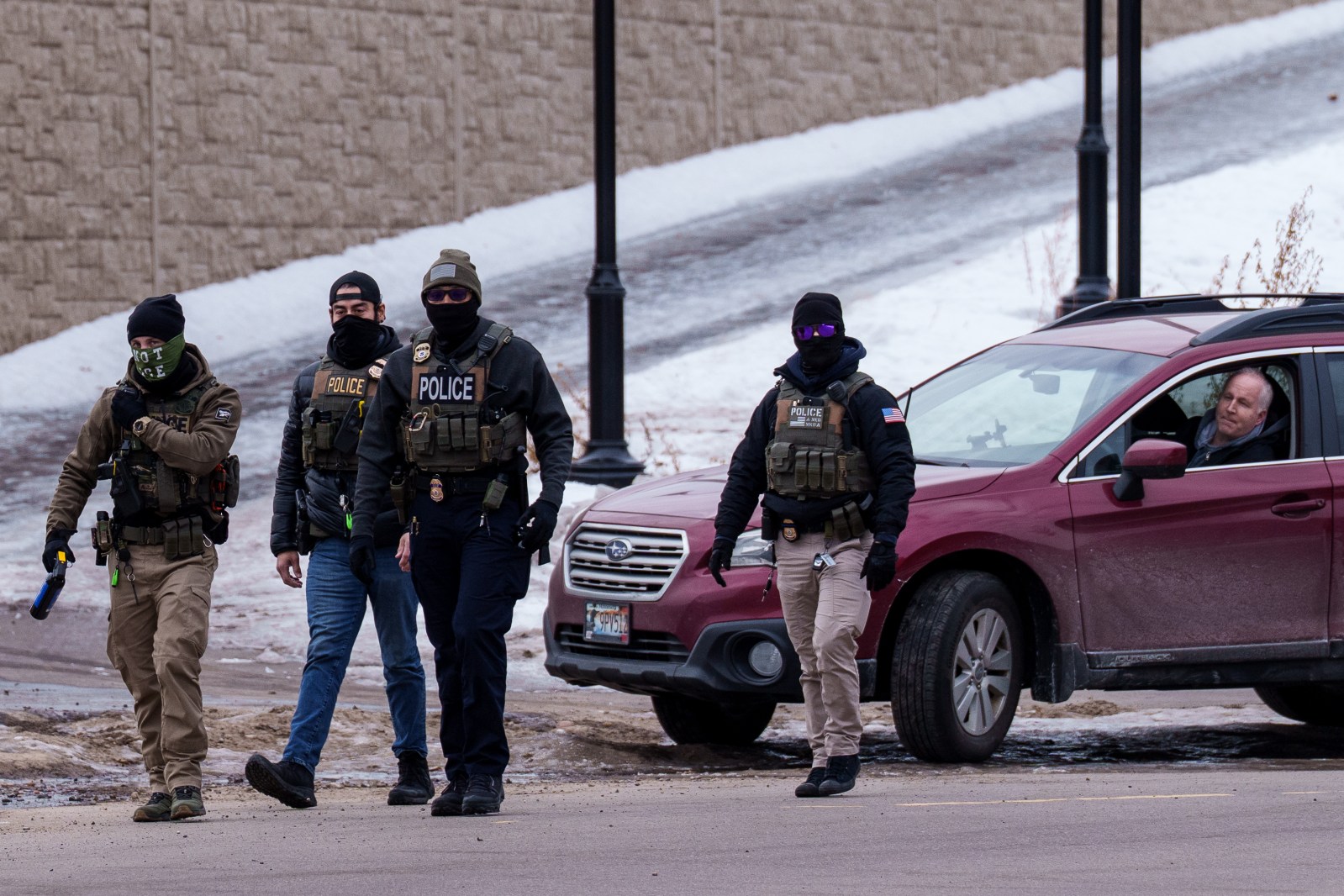
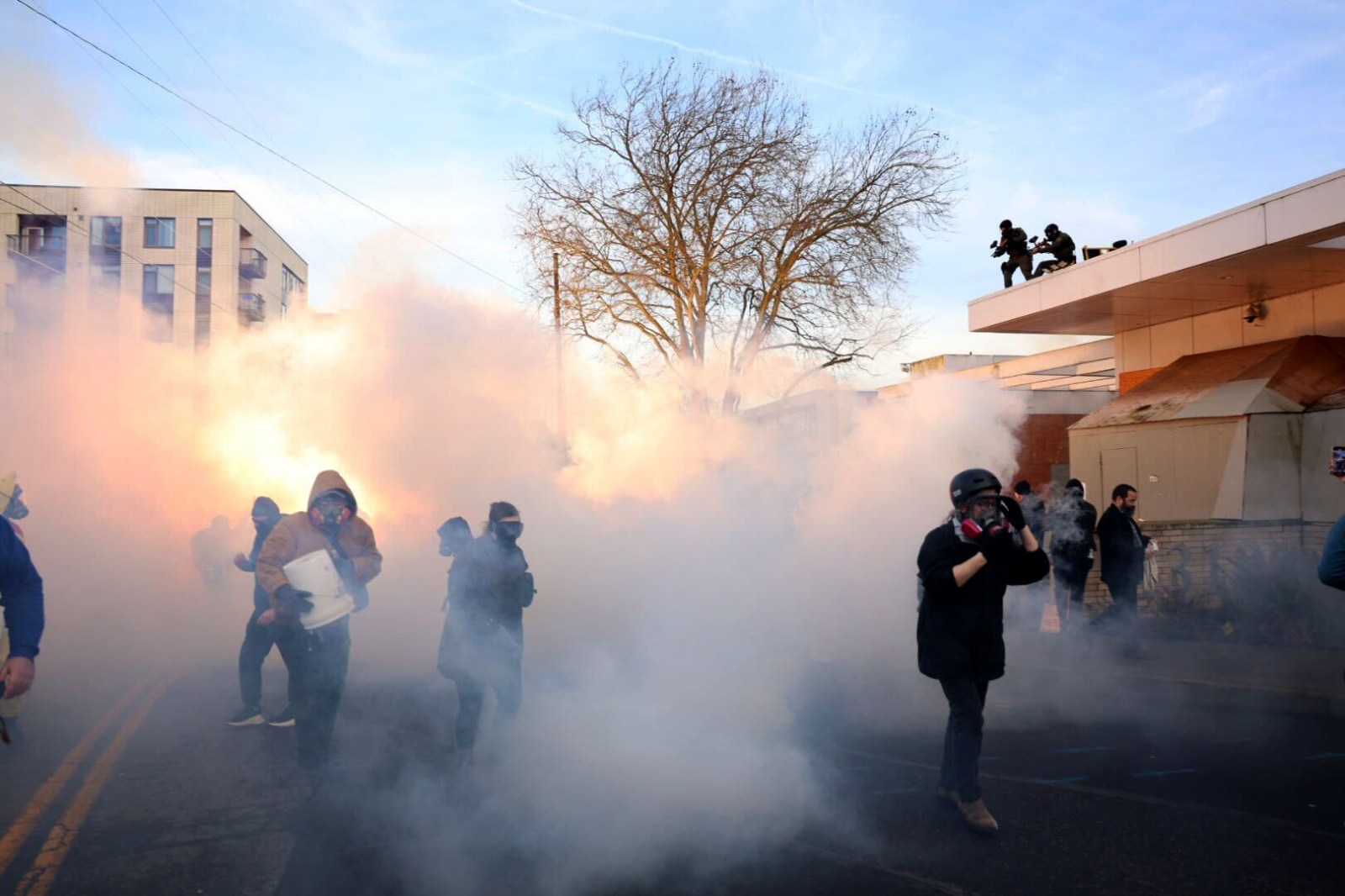
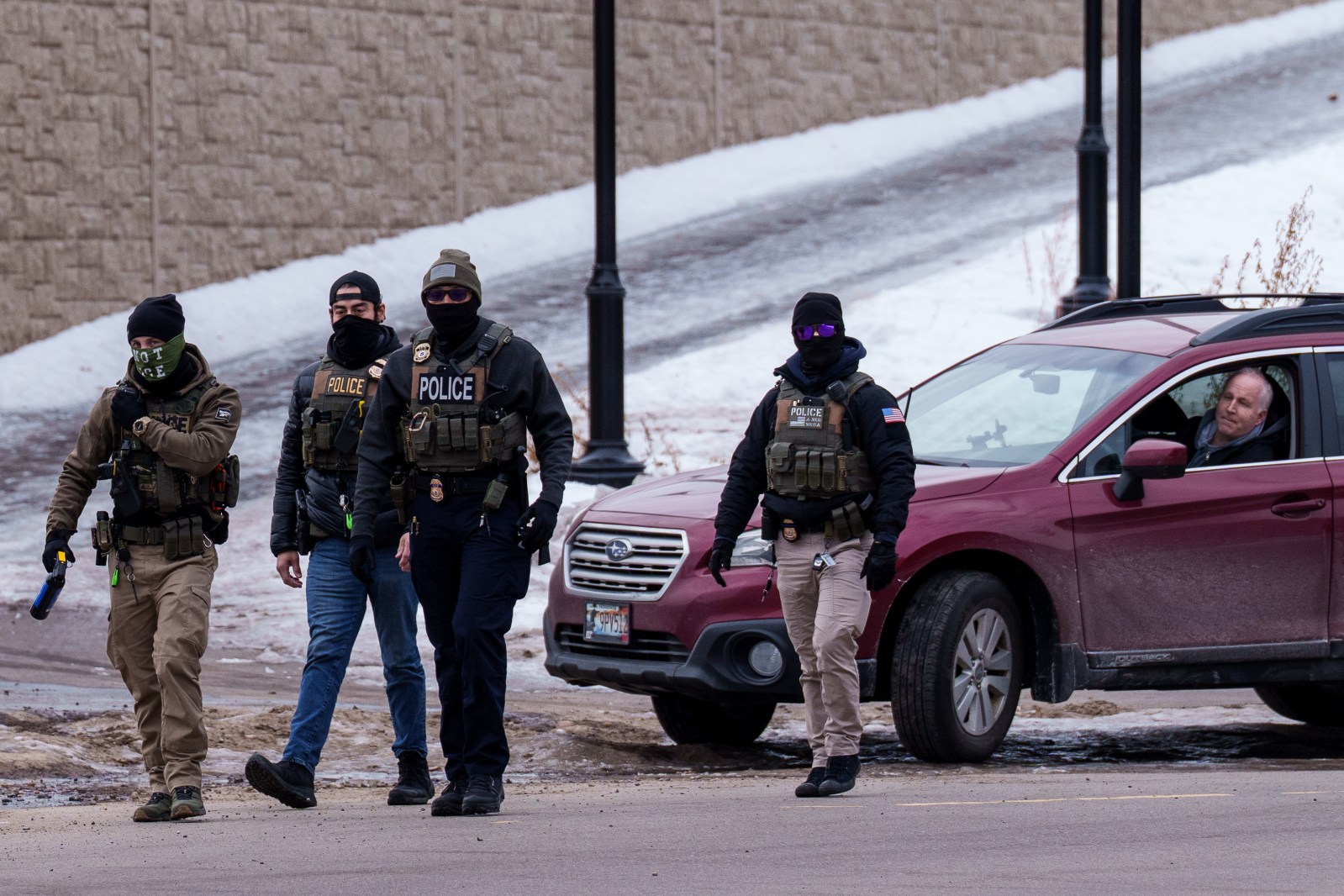
Democrats Link ICE Guardrails to Feb. 13 DHS Funding Deadline House Minority Leader Hakeem Jeffries and Senate Minority Leader Chuck Schumer sent a joint letter to Speaker Mike Johnson and Senate Majority Leader John Thune outlining ten specific “guardrails” – judicial warrants for private‑property entries, mask bans, visible ID numbers, school and hospital protections, anti‑profiling rules, use‑of‑force standards, state/local oversight, attorney access, expanded body‑camera use, and uniform restrictions – and warned they will withhold support for the year‑long DHS appropriations bill unless the measures are adopted before the February 13 deadline [1][2].
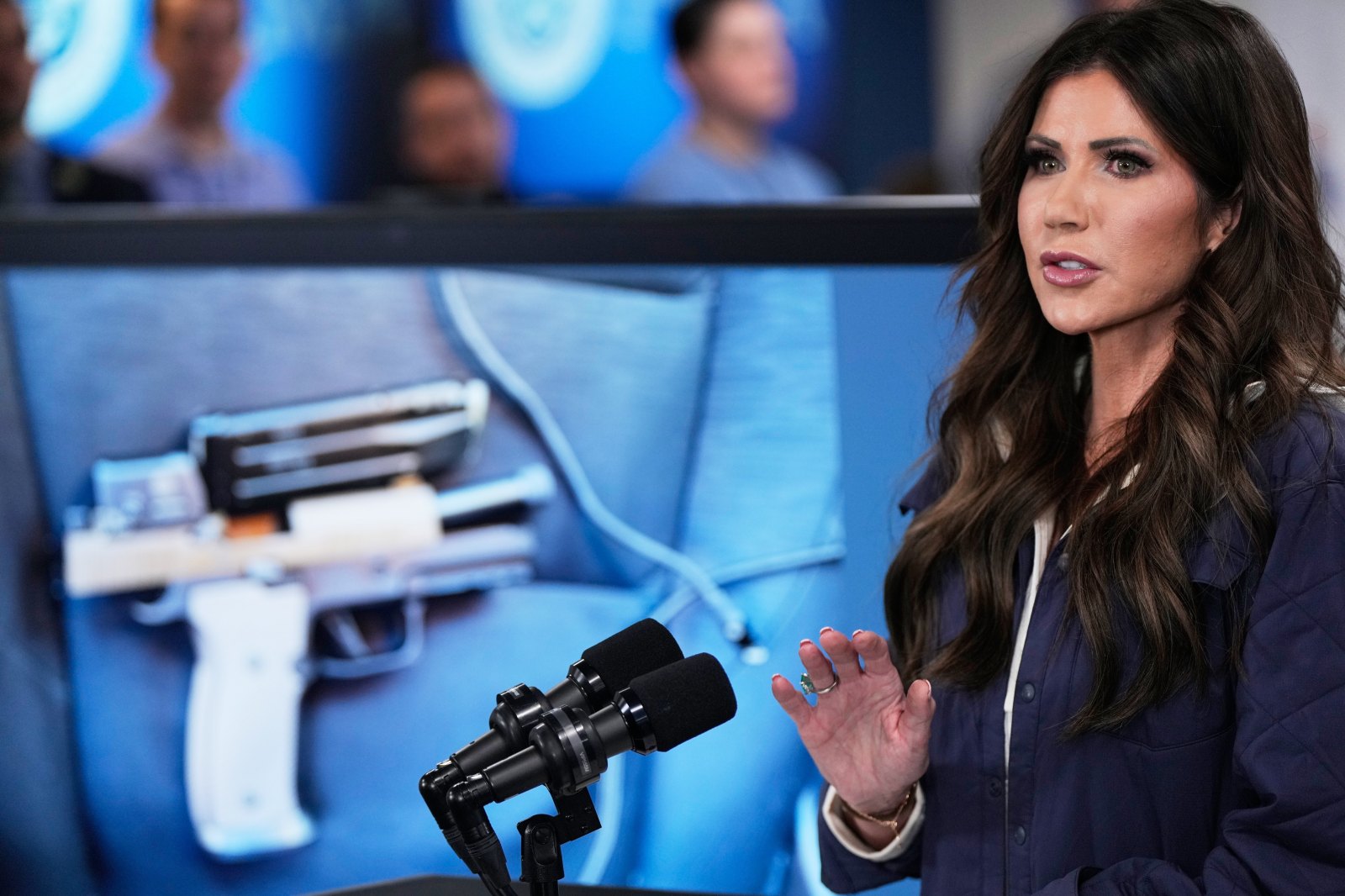
Body‑Camera Mandate Targets Minneapolis ICE Officers DHS Secretary Kristi Noem announced on X that all ICE field officers in Minneapolis will receive body‑worn cameras immediately, with $20 million earmarked for the rollout and a broader national expansion contingent on future appropriations [3][4][2]. President Donald Trump praised the program as “generally 80% good for law enforcement,” while many Republicans accept the cameras but oppose the accompanying mask‑removal and warrant provisions [2][4].
Minnesota Shootings Ignite Reform Urgency Federal agents killed civilians Renee Nicole Good and Alex Pretti in Minneapolis in early January, prompting state Governor Tim Walz to demand access to the investigation, which federal officials blocked [1][2]. The killings have become the rallying point for Democratic calls to end roving patrols, require judicial warrants, and impose police‑style conduct codes on ICE [1][3].
Republican Party Divided Over Reform Proposals Some GOP leaders – including Speaker Johnson, Senators Lindsey Graham, Lisa Murkowski, Susan Collins, and Thom Tillis – called the Democratic guardrails “reasonable” and signaled willingness to consider them [4]. Hard‑liners such as Sen. Ted Cruz dismissed the proposals as radical, warning they could affect other DHS components like TSA and the Coast Guard [1][4].
Internal ICE Memo Raises Fourth‑Amendment Concerns An internal memo disclosed by the AP permits ICE officers to use force to enter homes on administrative warrants, a practice critics argue conflicts with constitutional protections and fuels Democratic demands for stricter warrant requirements [2].
Sources
-
1.
Newsweek: Democrats Push 10 ICE Reforms Ahead of DHS Funding Deadline: Details Jeffries and Schumer’s ten‑point reform list, the Feb. 13 funding deadline, and the Minneapolis shootings that intensified Democratic pressure .
-
2.
AP: Democrats Threaten DHS Funding Block Over ICE Reform Demands: Reports the Democratic threat to withhold DHS funds, the two‑week funding extension negotiated by President Trump, and the internal ICE memo allowing forceful home entries .
-
3.
Newsweek: DHS Secretary Kristi Noem Orders Body‑Camera Rollout for Immigration Officers: Announces Noem’s immediate body‑camera deployment in Minneapolis, Trump’s endorsement, and funding constraints shaping national expansion .
-
4.
Newsweek: GOP Split Over ICE Reforms as Partial Shutdown Persists: Highlights the intra‑party GOP split on ICE reforms, the “minibus” appropriations bill, and cultural backlash such as Grammy protests .
Timeline
Jan 7, 2026 – Federal ICE agents shoot civilians Renee Nicole Good and Alex Pretti in Minneapolis, sparking bipartisan calls for accountability and prompting state officials, including Gov. Tim Walz, to demand access to the investigation, which federal authorities block [1][4].
Early Feb 2026 – A measles outbreak infects two detainees at the Dilley Immigration Processing Center in Texas, leading ICE to place the facility on lockdown and halt all detainee movements [3].
Feb 2, 2026 – DHS Secretary Kristi Noem orders body‑worn cameras for all ICE officers in Minneapolis and announces a plan to expand the program nationwide as funding allows, marking a reversal of the 2025 Trump‑era rescission of the Biden‑mandated camera policy [2][3].
Feb 2, 2026 – President Donald Trump publicly backs the camera rollout, saying they are “generally 80 % good for law enforcement,” while Senate Democratic leader Chuck Schumer calls the moment “a moment of truth” for ICE accountability [2].
Feb 2, 2026 – The Senate passes a “minibus” appropriations package that funds the government through September and provides a two‑week stopgap for DHS, but the bill must still clear the House, keeping the funding deadline looming [3].
Feb 2, 2026 – GOP leaders split over ICE reform demands: moderates such as Speaker Mike Johnson and Sens. Lindsey Graham and Lisa Murkowski signal openness to Democratic guardrails, while hard‑liners like Sen. Ted Cruz reject them as “radical,” deepening intra‑party tension [3].
Feb 4, 2026 – At the Grammy Awards, Bad Bunny uses his acceptance speech to demand “ICE out,” joining a wave of cultural protests against immigration enforcement [3].
Feb 4, 2026 – House and Senate Democrats announce they will block any DHS funding unless ICE adopts ten specific “guardrails,” including mandatory body cameras, visible ID numbers, a ban on face coverings, judicial‑warrant requirements for private‑property entries, and an end to roving patrols; they warn they will withhold support when the two‑week funding extension expires [4][1].
Feb 4, 2026 – President Trump agrees to separate DHS funding from the larger spending bill and extend it for an additional two weeks, allowing negotiations on ICE reforms to continue while keeping the department operational [4].
Feb 5, 2026 – House Minority Leader Hakeem Jeffries and Senate Minority Leader Chuck Schumer deliver a formal letter to Speaker Mike Johnson and Senate Majority Leader John Thune outlining the ten ICE guardrails, tying their adoption to the upcoming Feb 13 DHS appropriations deadline [1].
Feb 5, 2026 – DHS begins the Minneapolis body‑camera rollout, with Secretary Noem allocating $20 million for the program and pledging a nationwide expansion contingent on future appropriations; Democrats argue the rollout must be immediate and universal to ensure transparency [1][2].
Feb 13, 2026 – The deadline for the full‑year DHS appropriations bill arrives; if the ten guardrails are not incorporated, Democrats are poised to withhold their support, potentially triggering a further government shutdown [1][4].
External resources (5 links)
- https://jeffries.house.gov/2026/02/04/leaders-jeffries-and-schumer-deliver-urgent-ice-reform-demands-to-republican-leadership/ (cited 1 times)
- https://newsroom.ap.org/detail/pronto/35abc94e6579e701f03d9c18ca5a7c44 (cited 1 times)
- https://newsroom.ap.org/detail/pronto/bb4cfeaab5f3a17e2fde5c23bb27677f (cited 1 times)
- https://x.com/CraigCaplan/status/2018444331963543646/photo/1 (cited 3 times)