South Korea Considers Lowering Juvenile Age While France Charges Teens in Terror Plot
Updated (3 articles)

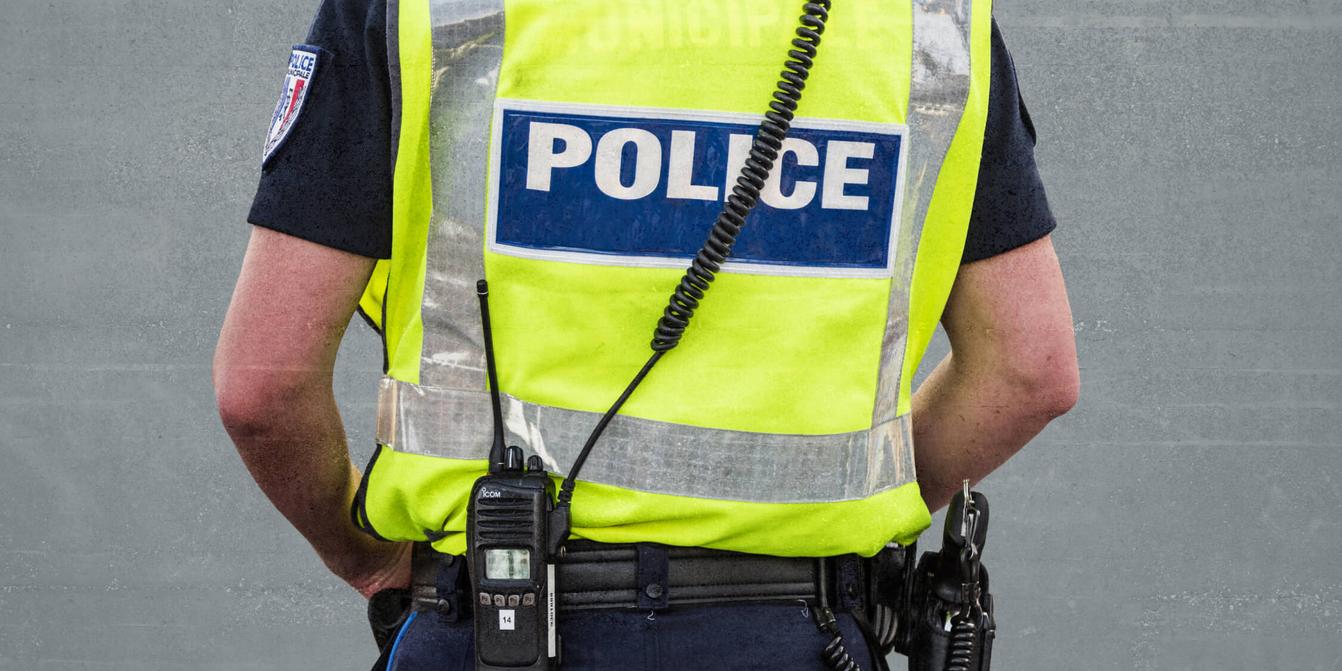
President Lee Launches Two‑Month Public Consultation on Juvenile Age President Lee Jae‑myung ordered ministries to collect public opinion on reducing the criminal‑minor age, which currently spans ages 10 to under 14, and to deliver a decision within sixty days [1]. The Justice Ministry’s proposal targets a cutoff around age 13, aligning with the first year of middle school, to address a surge in offenses among early‑teens [1]. Vice Justice Minister Lee Jin‑soo highlighted growing calls for the 13‑year threshold, arguing it reflects distinct psychological stages between elementary and middle‑school students [1]. Family Minister Won Min‑kyung cautioned that existing preventive measures are weak, urging careful evaluation before any amendment [1].
French Prosecutors Formalize Charges Against Two 16‑Year‑Olds On 20 February, the Parquet national antiterroriste (PNAT) placed two sixteen‑year‑old boys under formal examination for a planned jihadist attack on a Nord‑region shopping centre or concert hall [2]. The alleged leader was ordered into pre‑trial detention while his accomplice received judicial supervision, and investigators opened a judicial inquiry to probe the plot [2]. Prosecutors disclosed that the mastermind intended to “steal” a firearm and had acquired chemicals to conduct combustion tests at his home, indicating preparation for violent action [2]. Olivier Christen noted that minors accounted for 22 terrorism charges in 2025, representing roughly one‑third of all terrorism procedures [2].
Youth Crime and Terrorism Prompt Parallel Policy Responses South Korean officials cite a rise in early‑teen criminal activity as the impetus for revisiting the juvenile age limit, emphasizing the need for age‑appropriate legal treatment [1]. In France, the same year saw a notable increase in minor‑involved terrorism, with social‑media platforms such as TikTok and Telegram identified as rapid radicalisation channels for isolated school‑dropouts [2]. Both governments are therefore confronting the challenge of balancing preventive measures with legal reforms to address the growing involvement of minors in serious offenses [1][2].
Sources
-
1.
Yonhap:President Lee Orders Public Consultation on Lowering Age for Criminal Minors: Details Lee Jae‑myung’s directive for a two‑month public opinion gathering, the proposal to lower the age limit to around 13, and internal ministerial debates on preventive measures .
-
2.
Le Monde:Two 16‑year‑old boys charged with planning a jihadist attack in northern France: Reports the formal charges on 20 February, the differing judicial measures for the suspects, the plot’s specifics, and the broader rise in minor‑involved terrorism linked to social‑media radicalisation .
Timeline
2015‑2025 – The number of registered offences linked to suspects under 15 doubles over the decade, signaling a sharp rise in youth crime that fuels calls for stricter laws[1].
2025 – A government‑ordered inquiry recommends lowering Sweden’s criminal‑responsibility age from 15 to 14, providing the first formal evidence for reform[1].
Sept 2025 – Prime Minister Ulf Kristersson announces the intention to cut the age from 15, moving the proposal into the political agenda ahead of the September election[1].
2025 – Prosecutors charge 22 minors with terrorism offences, accounting for roughly one‑third of all terrorism procedures, while jihadist threats make up 87 % of PNAT cases, highlighting a surge in youth‑involved extremism[3].
Jan 27, 2026 – Justice Minister Gunnar Strommer declares an “emergency situation” as gangs exploit children and the government proposes to lower criminal responsibility to 13 for murder, aggravated bombings, weapons offences and rape, with possible prison sentences[1].
Jan 27, 2026 – Police and prison officials warn the new law could draw significantly younger children into gangs and stress that the correctional system lacks capacity to detain 13‑year‑olds, urging alternative care measures[1].
Jan 27, 2026 – The bill is sent to 126 authorities for comment and proceeds to Sweden’s Council on Legislation, setting the stage for a parliamentary vote later in 2026[1].
Feb 20, 2026 – French prosecutors formally charge two 16‑year‑old boys with planning a jihadist attack on a shopping centre or concert hall in the Nord region; the alleged leader is placed in pre‑trial detention[3].
Feb 20, 2026 – Investigators reveal the mastermind intends to steal a firearm and conduct combustion tests with chemicals at his home, showing advanced preparation for violence[3].
Feb 20, 2026 – Prosecutor Olivier Christen notes a surge in minor‑involved terrorism, citing 22 minors charged in 2025 and warning that TikTok and Telegram rapidly funnel youths toward extremist propaganda[3].
Feb 24, 2026 – President Lee instructs a public consultation on lowering the criminal‑minor age, targeting the first‑year middle‑school age of about 13, and sets a two‑month deadline for a final decision[2].
Feb 24, 2026 – Vice Justice Minister Lee Jin‑soo cites growing public demand for an age‑13 threshold, while Family Minister Won Min‑kyung cautions that current preventive measures are insufficient to justify a lower age limit[2].
By Apr 2026 (expected) – The South Korean government aims to finalize the age‑limit decision within sixty days, potentially reshaping juvenile‑justice policy ahead of upcoming elections[2].
Summer 2026 (expected) – If parliament approves the amendment, Sweden’s new law could take effect, allowing prosecution of 13‑year‑olds for the most serious crimes[1].