Saif al‑Islam Gaddafi Shot Dead in Zintan Home on 3 February 2026
Updated (4 articles)
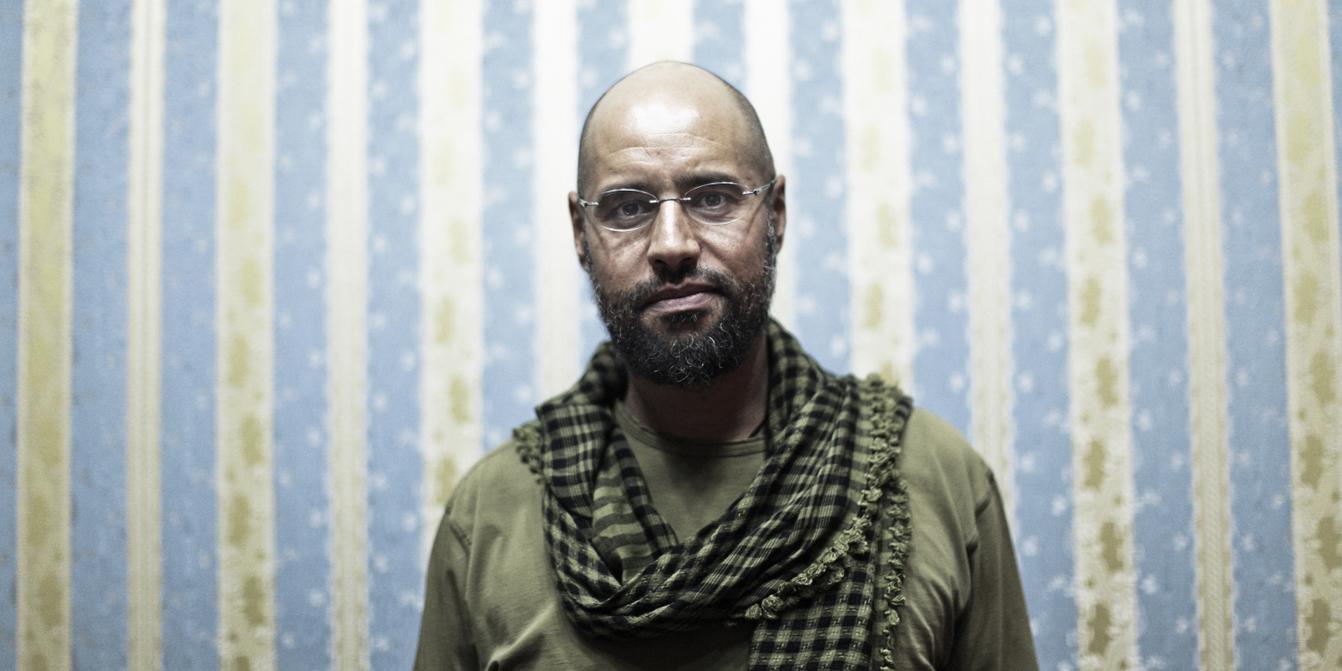
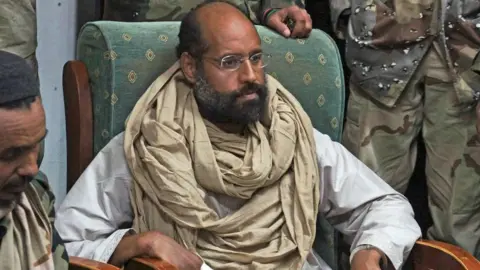
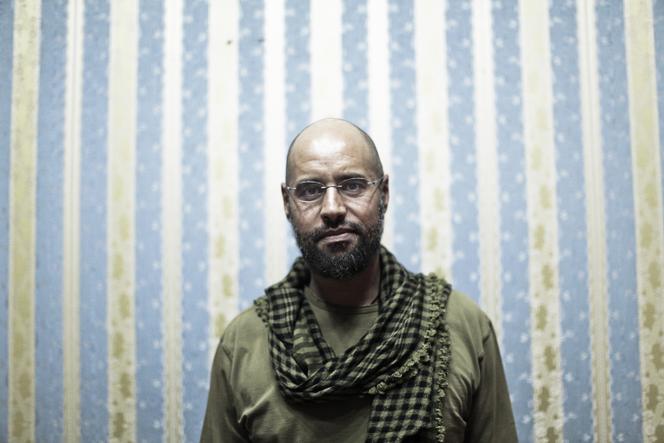
Gaddafi Killed in Direct Confrontation by Four Masked Gunmen The 53‑year‑old son of former ruler Muammar Gaddafi was shot dead inside his Zintan residence on 3 February 2026 after four masked assailants stormed the house and disabled security cameras [1][3][4]. His lawyer Khaled al‑Zaidi and political adviser Abdullah Othman confirmed the killing on Facebook, while Libya’s public prosecutor opened a murder investigation the same day [1][3]. Forensic experts were dispatched to collect evidence from the scene, underscoring the authorities’ immediate response [1].
Attackers Disabled CCTV Before Opening Fire According to the political team, the gunmen deliberately turned off the home’s CCTV system to conceal their actions, then opened fire in a “cowardly and treacherous” assault [3][4]. BBC reports that the assailants entered during a “direct confrontation,” and the prosecutor’s office described the incident as a shooting by unknown gunmen [1]. No official statement from Libya’s rival governments has confirmed the details, leaving the investigation reliant on the team’s account [4].
Reformist Background and Contested Legal Legacy Gaddafi held a Ph.D. candidacy at the London School of Economics and was long viewed as the regime’s reformist face [3][4]. He was captured by Zintan fighters in 2011, detained until a 2017 amnesty, and faced a 2015 death sentence in absentia from a Tripoli court, as well as an ICC arrest warrant for crimes against humanity [1][3]. His 2021 presidential bid was blocked by the High National Elections Committee, and he had been drafting a reconciliation proposal before his death [4].
Death Occurs Amid Libya’s Ongoing Split Between Rival Militias The killing happens while Libya remains divided between a UN‑backed government in the west and militia‑controlled factions in the east, a fragmentation that fuels instability [1][4]. The prosecutor’s murder probe and the deployment of forensic teams illustrate attempts to impose legal order despite the political vacuum [1]. The International Criminal Court has not yet responded to the incident, reflecting the broader diplomatic impasse [4].
Le Monde Reports Additional Militia Deaths and Body Display Le Monde adds that the assault also killed local militia chief Ajmeri Al‑Atiri and his son Mohammed, and that Gaddafi’s blood‑stained corpse was later shown on the back of a Toyota pickup [2]. These details were not mentioned in the other outlets, highlighting divergent reporting on the attack’s full scope [2].
Sources
-
1.
BBC: Saif al‑Islam Gaddafi’s death prompts Libyan prosecutor investigation: outlines the prosecutor’s murder probe, forensic team deployment, and varied accounts of the killing’s location, emphasizing local rivalry and possible foreign interference .
-
2.
Le Monde: Saif al‑Islam Kadhafi Killed in Djebel Nefoussa, Libya: focuses on the mountain‑side setting, the death of militia leaders, and graphic images of the body on a pickup, noting that perpetrators and motives remain unknown .
-
3.
AP: Son of late Libyan dictator Seif al‑Islam Gadhafi killed in Zintan: reports the official prosecutor announcement, confirms death via lawyer and former UN envoy, and details the political team’s claim of four masked attackers disabling CCTV .
-
4.
CNN: Saif al‑Islam Gadhafi killed in Zintan home attack: highlights the masked assailants, lack of government confirmation, and Gaddafi’s reformist background, while calling for an independent investigation by international bodies .
Timeline
June 25, 1972 – Saif al‑Islam Gaddafi is born in Tripoli, later earns a Ph.D. candidacy at the London School of Economics and becomes known as the reformist face of the Gaddafi regime [3].
Feb 21, 2011 – He delivers a televised speech warning of civil war and pledging to support the regime’s crackdown, his last public address before the uprising [2].
Late 2011 – He is captured by Zintan fighters while fleeing toward Niger, beginning six years of detention by a rival militia [3].
2015 – A Tripoli court sentences him to death in absentia for inciting violence, adding a death‑sentence to his legal woes [3].
June 2017 – He is released under a controversial general amnesty, re‑entering Libyan public life after his imprisonment [2][3].
Nov 2021 – He announces a presidential candidacy, but the High National Elections Committee disqualifies him and the election is postponed amid Libya’s political fragmentation [3].
Feb 3, 2026 – Four masked gunmen storm his Zintan residence, disable security cameras and shoot him dead; his political advisor Abdullah Othman calls the assault “treacherous and cowardly” [2].
Feb 3, 2026 – Libyan prosecutors open a murder probe, dispatching forensic experts to the scene of the “direct confrontation” [1].
Feb 3, 2026 – His sister tells Libyan TV he died near the Algeria border, while his lawyer describes the assailants as a “four‑man commando” [1].
Feb 3, 2026 – His political team blames “four masked men” and CCTV sabotage, labeling the killing a “cowardly and treacherous assassination” [3].
Feb 3, 2026 – He had been drafting a “proposal for reconciliation” and his team urges the Libyan judiciary, the UN and human‑rights groups to launch an independent probe [2].
Feb 3, 2026 – The attack also kills local militia chief Ajmeri Al‑Atiri and his son Mohammed, underscoring broader regional violence [4].
Feb 3, 2026 – Images circulate of his blood‑stained corpse propped on a Toyota pickup, highlighting the brutality of the killing [4].
Feb 3, 2026 – Analysts note his death occurs amid Libya’s split between a UN‑backed western government and rival eastern militia factions, fueling instability [1].
Feb 4, 2026 – Libyan authorities have not issued an official statement on his death, and the International Criminal Court remains silent on the killing [2].
External resources (4 links)
- http://bbcafrica.com/ (cited 1 times)
- https://twitter.com/BBCAfrica (cited 1 times)
- https://www.facebook.com/BBCnewsafrica/ (cited 1 times)
- https://www.instagram.com/bbcafrica/ (cited 1 times)