Trump’s Alleged Week‑Long Ukraine Ceasefire Collapses as Russia Resumes Strikes
Updated (2 articles)
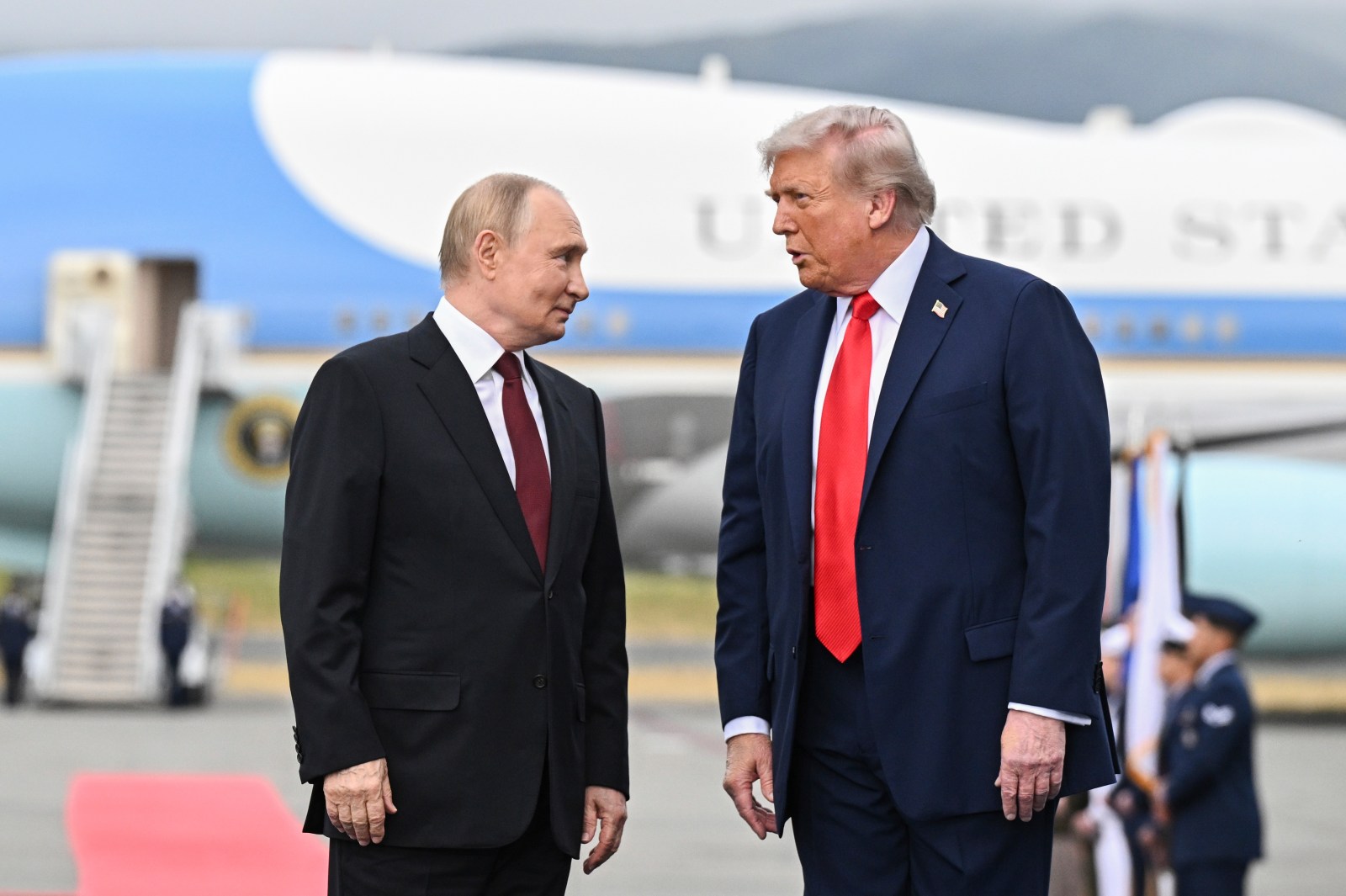
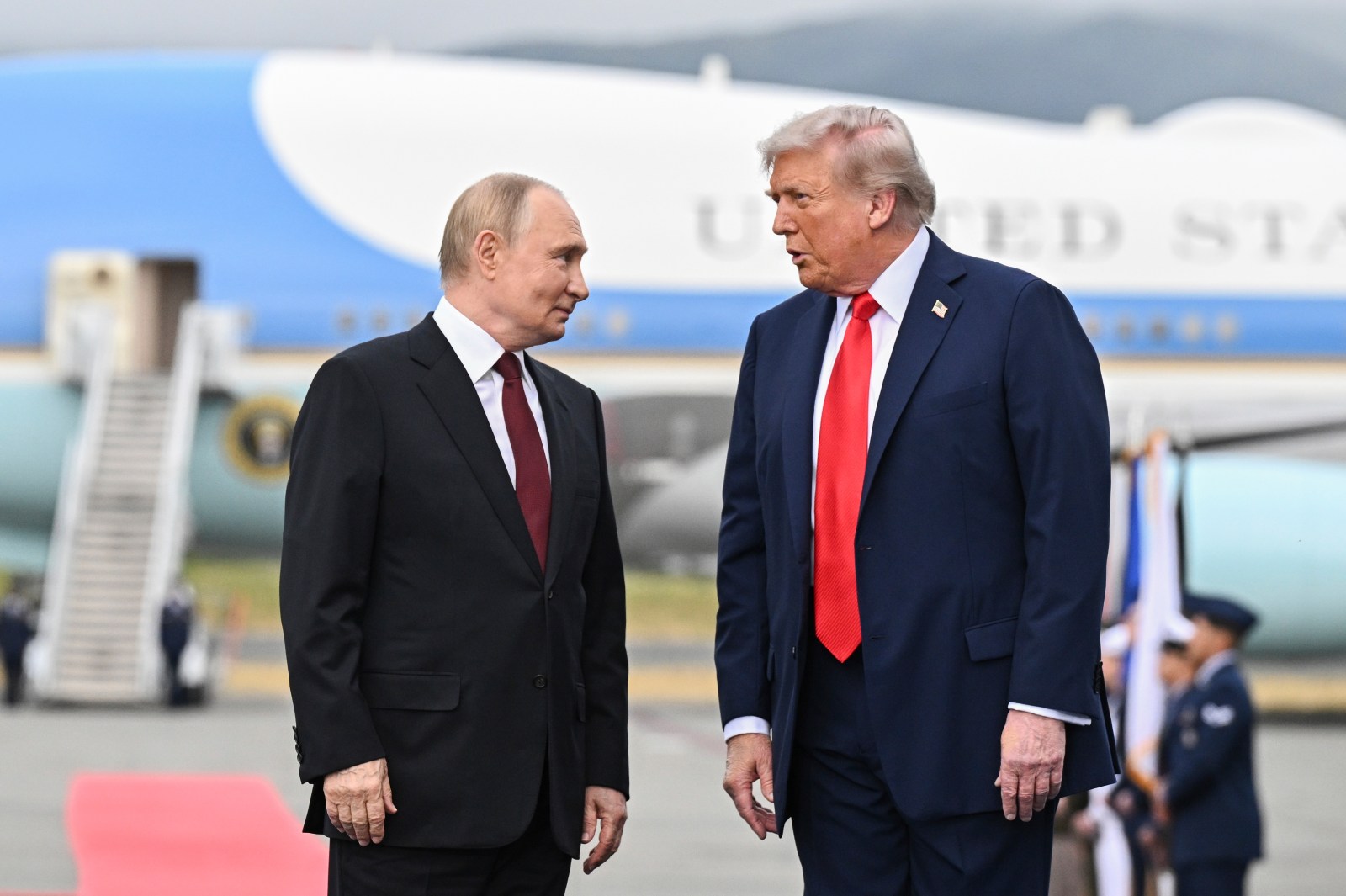
Trump Announces Personal Negotiation With Putin for One‑Week Pause President Donald Trump told a White House Cabinet meeting on Jan 30 that he asked Vladimir Putin to halt strikes on Kyiv and other cities for a week, citing the severe cold and an “energy truce” [2]. He later reiterated the claim on Feb 4, emphasizing his personal rapport with the Russian leader [1]. Kremlin spokesman Dmitry Peskov acknowledged a limited pause but said it was set to end on Feb 1 and did not confirm a full cease‑fire [1].
Zelensky Welcomes the Prospect While Ukraine Records Ongoing Attacks Ukrainian President Volodymyr Zelensky thanked Trump on X, saying a temporary halt could protect critical power infrastructure and noting the idea was discussed in Abu Dhabi talks [2]. Despite the diplomatic optimism, the Ukrainian Air Force reported five missiles and 25 drones launched across 15 regions overnight, with 80 drones intercepted [2]. Later, Ambassador Olga Stefanishyna submitted evidence that Russia fired roughly 70 missiles and 450 drones against power grids in Kyiv, Kharkiv, Dnipro and other areas after the supposed truce [1].
Kremlin Frames the Pause as Limited and Denies a Formal Ceasefire Peskov described the halt as a tactical concession limited to energy targets and ending on Feb 1, refusing to label it a week‑long cease‑fire [1]. When asked for comment, he replied “No, I can’t comment on that yet,” indicating no official Russian acknowledgment [2]. Moscow maintains it never committed to a broader agreement and portrays continued attacks as unrelated to any truce [1].
Evidence Shows Massive Missile and Drone Barrage After the Truce Ukrainian officials documented about 70 missiles and 450 drones striking energy facilities after the alleged pause, causing widespread outages [1]. The attacks targeted Kyiv, Kharkiv, Dnipro and other regions, contradicting the notion of a sustained cease‑fire [1]. Ukrainian air defenses intercepted a portion of the drones, but the scale of the barrage underscores the fragility of any negotiated pause [2].
U.S. and Allied Leaders React Divergently to Trump’s Peace Push Senate Majority Leader John Thune pledged tools to pressure Russia, while Senators Roger Wicker and Chuck Schumer criticized the plan as favoring Putin [1]. UK Prime Minister Keir Starmer called the energy attacks “barbaric” and “particularly depraved” [1]. U.S. officials, including Special Envoy Steve Witkoff and Secretary of State Marco Rubio, expressed cautious optimism about broader peace talks, noting the Donetsk territorial claim remains a hurdle [2].
Sources
-
1.
Newsweek: Trump’s Claimed Week‑Long Ukraine Ceasefire Falters Amid New Russian Strikes – Details Trump’s cease‑fire claim, Kremlin’s limited‑pause framing, Ukraine’s post‑truce attack data, and split reactions among U.S. and allied politicians .
-
2.
CNN: Ukraine President Thanks Trump After Claim of Russian Attack Pause – Highlights Zelensky’s gratitude, lack of Kremlin confirmation, fresh missile/drone strikes, and U.S. diplomatic optimism toward a peace deal .
Related Tickers
Timeline
Mar 2022 – Russian violations halt evacuation plans from Mariupol, illustrating early difficulty in sustaining truces and setting a precedent for later cease‑fire failures [1].
May 2025 – A three‑day cease‑fire collapses as Ukraine accuses Russia of breaking the pact, underscoring the fragility of temporary pauses in the conflict [1].
Mid‑Jan 2026 (week of Jan 20‑26) – Trilateral talks in Abu Dhabi between the United States, Ukraine and Russia discuss a possible energy pause; Zelensky later credits these talks for the announced cease‑fire idea [1].
Jan 29, 2026 – In a White House Cabinet meeting, President Donald Trump tells staff he asked President Vladimir Putin to halt strikes on Kyiv and other towns for a week, claiming Putin “agreed” to the request, though Moscow offers no confirmation [1].
Jan 30, 2026 – Ukrainian President Volodymyr Zelensky thanks Trump on X, saying a temporary halt could protect critical energy infrastructure and that Ukraine expects the agreement to be implemented, while Kremlin spokesman Dmitry Peskov says he cannot comment on any cease‑fire [1].
Jan 30, 2026 – The Ukrainian Air Force reports five missiles and 25 drones launched across 15 regions overnight, with 80 drones intercepted, indicating that fighting continues despite the claimed pause [1].
Feb 1, 2026 – Kremlin spokesman Dmitry Peskov describes the pause as limited and set to expire on this date, suggesting the “energy truce” ends without clarifying its scope [2].
Feb 2‑3, 2026 – Ukrainian Ambassador Olga Stefanishyna submits evidence of post‑truce attacks to the State Department; President Zelensky later states Russia fires roughly 70 missiles and 450 drones at power grids in Kyiv, Kharkiv, Dnipro and other cities, showing the cease‑fire has faltered [2].
Feb 4, 2026 – President Trump publicly declares he secured a week‑long cease‑fire with Putin, emphasizing his personal rapport and framing it as an “energy truce” during the severe cold snap [2].
Feb 4, 2026 – Moscow denies ever committing to a week‑long cease‑fire, characterizing the limited pause as a tactical concession while continuing attacks on Ukraine’s energy infrastructure [2].
Feb 4, 2026 – U.S. Senate Majority Leader John Thune pledges tools to pressure Russia, whereas Senators Roger Wicker and Chuck Schumer criticize the plan as favoring Putin; UK Prime Minister Keir Starmer condemns the energy attacks as “barbaric” and “particularly depraved,” highlighting split international reactions [2].