Supreme Court Blocks Trump’s Global Tariff Authority; President Promises New 10% Tariff via Alternate Statutes
Updated (5 articles)
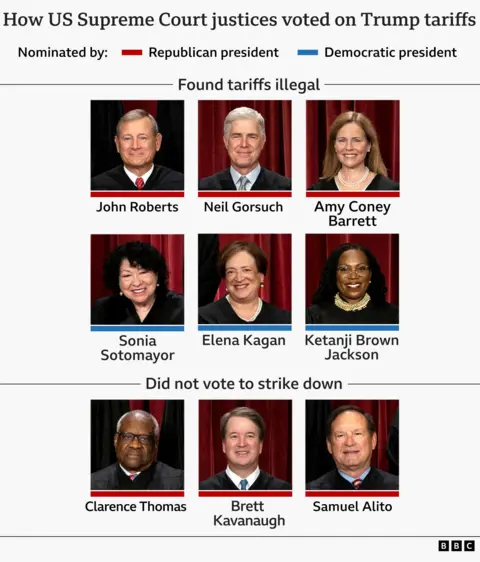
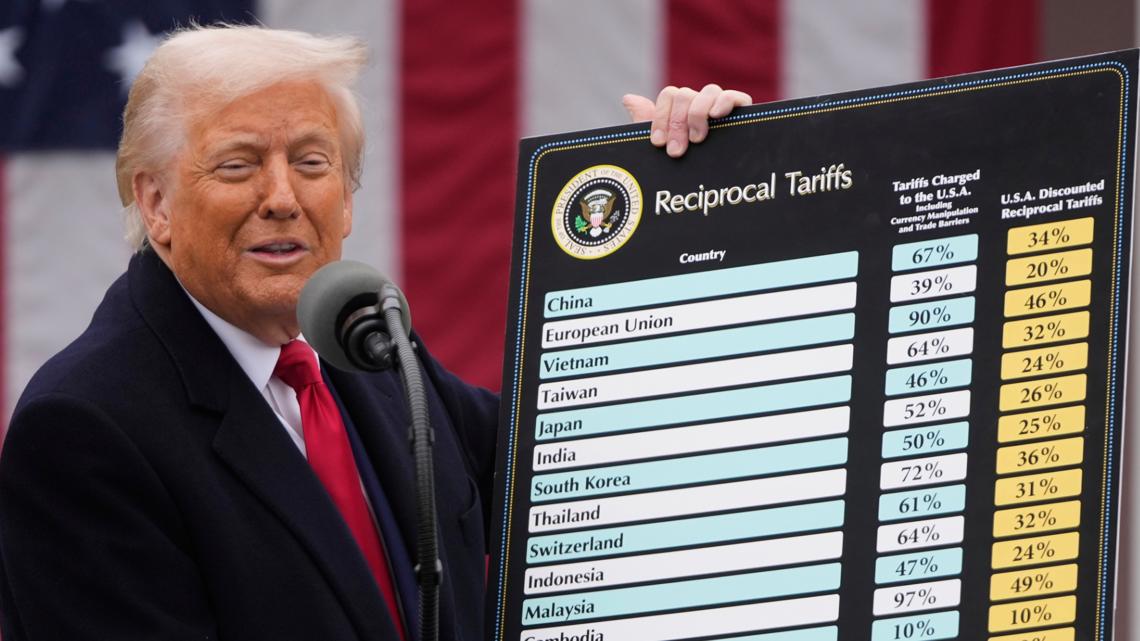
Court’s 6‑3 Decision Cites Constitutional Tax Power The Supreme Court ruled 6‑3 that President Trump exceeded his authority under the 1977 International Emergency Economic Powers Act, holding that the Constitution reserves taxing power for Congress. Chief Justice John Roberts wrote that “the Framers did not vest any part of the taxing power in the Executive Branch.” The majority opinion invalidated the global tariff scheme that covered nearly every trading partner, including specific levies on China, Canada, Mexico, Brazil and India [1][2][3][4][5].
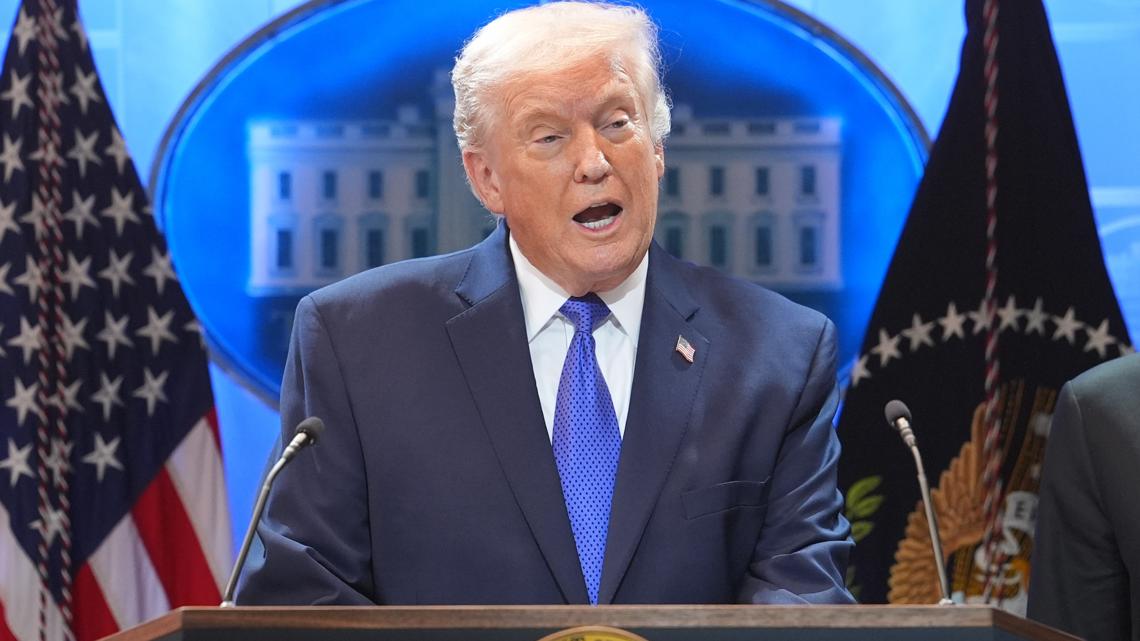
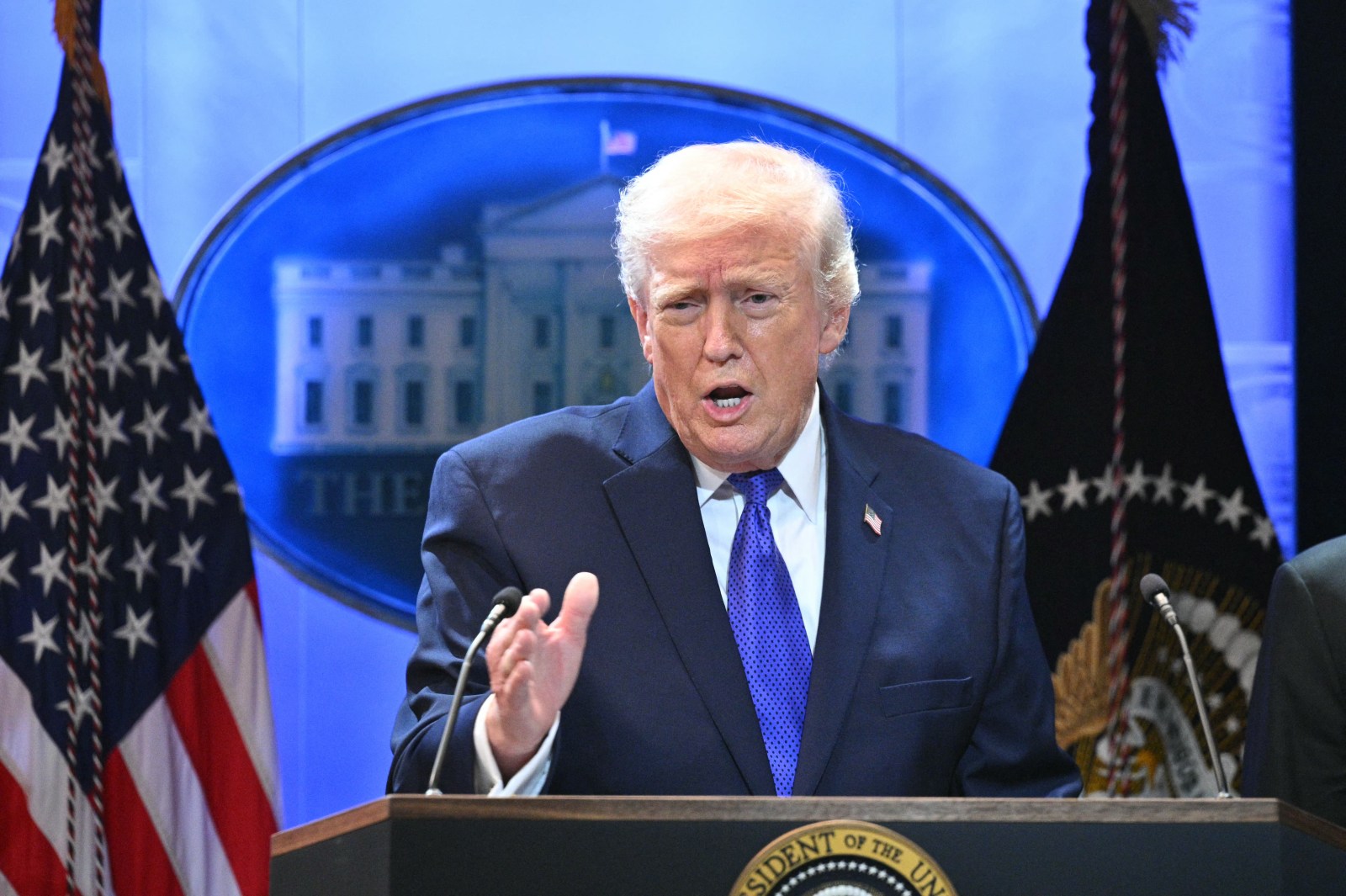
Trump Denounces Justices and Announces New 10% Tariff In a press conference hours after the ruling, Trump called the justices “disloyal,” “ashamed,” and “deeply disappointing,” then pledged to sign an executive order imposing a 10 % global tariff using statutes such as the Trade Expansion Act and the Tariff Act of 1930. He framed the move as a continuation of his trade agenda despite the Court’s decision [1][2][3][4][5].
Conservative Justices Dissent and Receive Presidential Praise Justices Brett Kavanaugh, Samuel Alito and Clarence Thomas filed a dissent arguing the tariffs were “clearly lawful” under existing trade‑power precedents. Trump publicly lauded their votes, calling the dissent “genius” and praising Kavanaugh’s 63‑page opinion [1][2][3][4][5].
Treasury’s $133 Billion Revenue and Refund Uncertainty Federal data show the Treasury collected more than $133 billion from the emergency‑law tariffs through December, with analysts estimating a potential $3 trillion impact over the next decade. Small‑business groups welcomed the ruling for certainty, but the Court did not address whether importers will be reimbursed for tariffs already paid [1][3][5].
Political Reactions Highlight Midterm Implications Vice President JD Vance condemned the decision as “lawlessness,” while constitutional lawyer Neal Katyal hailed it as a victory for democratic values. The European Commission said it will stay in close contact with Washington for clarity, and Republicans see reduced vulnerability ahead of the 2026 midterm elections [1][4].
Sources
-
1.
AP: Supreme Court nullifies Trump’s global tariff regime – Details the 6‑3 ruling, Trump’s vow to impose a new 10 % tariff, $133 billion collected, and reactions from conservatives and officials .
-
2.
Newsweek: Supreme Court Halts Trump’s Global Tariff Plan, President Vows Alternative Path – Highlights the Court’s decision, Trump’s criticism of the justices, his plan to use other statutes, and public opinion poll data .
-
3.
WBNS: Supreme Court blocks President Trump’s global tariff authority – Reports the ruling, Trump’s announced executive order, the administration’s search for alternative legal bases, and the disruption of a governors’ meeting .
-
4.
BBC: Supreme Court Limits Trump’s Tariff Authority, President Vows New Measures – Emphasizes the constitutional basis of the decision, Trump’s promise of a 10 % tariff via other laws, and potential revenue return implications .
-
5.
King5: Supreme Court blocks Trump’s global tariff plan – Covers the 6‑3 decision, Trump’s vow to use alternate tools, praise for dissenting justices, and ongoing legal and business fallout .
Related Tickers
Timeline
1930 – The Tariff Act of 1930 grants Congress broad authority over import duties, becoming a statutory fallback the Trump administration cites for a new global tariff after the Supreme Court blocks its emergency‑power scheme [2].
1977 – The Emergency Economic Powers Act of 1977 establishes the emergency‑powers framework the Court later determines does not give the president sweeping tariff authority, shaping the legal dispute over Trump’s trade actions [1].
Dec 2025 – Treasury reports that emergency‑law tariffs have generated over $133 billion in revenue, with analysts projecting a $3 trillion impact over the next decade, underscoring the financial stakes of the contested regime [3].
Jan 2026 – An AP‑NORC poll shows roughly 60 % of Americans say President Trump has “gone too far” with tariffs, with nine‑in‑ten Democrats and six‑in‑ten independents sharing that view, highlighting broad public discomfort ahead of the court case [2].
Early 2026 (months before Feb.) – The Supreme Court fast‑tracks the Trump tariff case after the administration files an expedited hearing request, a rare procedural move following lawsuits from small businesses and states alleging illegal use of emergency powers [4].
Feb 20, 2026 – In a 6‑3 ruling, the Supreme Court holds that the International Emergency Economic Powers Act does not grant the president authority to impose worldwide tariffs, reaffirming that taxing power resides with Congress and overturning the administration’s claim under the 1977 Emergency Economic Powers Act [1][2][3][4][5].
Feb 20, 2026 – Chief Justice John Roberts authors the majority opinion, emphasizing that “the Framers did not vest any part of the taxing power in the Executive Branch,” thereby anchoring the decision in constitutional separation of powers [2][5].
Feb 20, 2026 – Justices Brett Kavanaugh, Samuel Alito and Clarence Thomas dissent, arguing the tariffs are “clearly lawful” under presidential trade powers; Kavanaugh warns that refunding companies could be “complicated,” and President Trump later lauds the dissent as “genius” [2][4][3].
Feb 20, 2026 – President Trump denounces the majority justices as “disgraceful” and “ashamed,” calls the decision “deeply disappointing,” and vows to sign an executive order imposing a fresh 10 % global tariff using the Trade Expansion Act or the Tariff Act of 1930, despite the Court’s ruling [1][2][3][4][5].
Feb 20, 2026 – Trade adviser Jamieson Greer tells reporters the White House has “a lot of different options” and expects tariffs to remain part of policy, but any new measures must include detailed agency reports and longer lead times [1].
Feb 20, 2026 – Small‑business groups such as the National Retail Federation celebrate the decision for providing “much‑needed certainty,” while the Court leaves the fate of refunds for firms that already paid tariffs unresolved [3].
Feb 20, 2026 – Vice President JD Vance labels the ruling “lawlessness,” and former Solicitor General Neal Katyal calls it a “complete and total victory” for constitutional values, reflecting partisan reactions to the decision [3].
Feb 20, 2026 – The European Commission says it will stay in close contact with the U.S. administration as it seeks clarity on future trade steps, indicating international concern over the tariff policy shift [3].
Feb 20, 2026 – Louisiana Governor Jeff Landry remarks that the ruling “completely overshadows” his meeting with other governors, underscoring the immediate political disruption caused by the decision [4][5].
Feb 2026 (later in month) – Analysts note that the ruling eases pressure on Republican candidates in swing districts ahead of the 2026 midterm elections and may shape Trump’s upcoming State of the Union address, influencing the political landscape [1].
External resources (2 links)
- https://www.cbp.gov/newsroom/stats/trade (cited 1 times)