Measles Outbreak Hits Spartanburg County with 847 Cases, Schools Quarantined
Updated (2 articles)
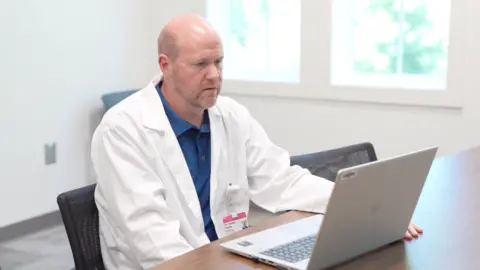

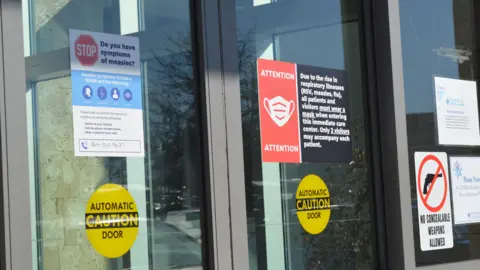

Outbreak Swells to 847 Confirmed Infections The South Carolina Department of Public Health recorded 847 measles cases across Spartanburg County in the two months ending late January 2026, the largest U.S. outbreak since the disease was declared eliminated in 2000. Most patients are unvaccinated children, and the surge has reignited concerns about losing national elimination status. Pediatrician Stuart Simko treated six severely ill children, noting high fevers that were difficult to control[1].
Vaccination Gaps Expose Schools to Rapid Spread Countywide school‑age measles vaccination sits near 90%, but religious exemptions have driven rates at several schools down to roughly 20%, far below the 95% herd‑immunity threshold. These pockets of low coverage align with the locations of most new cases, highlighting the role of localized exemption policies. Health officials warn that without rapid immunization drives, additional schools could become transmission hubs[1].
Mass Quarantine Affects Over 500 Students and Staff Exposure notifications forced more than 500 individuals, including students from at least 15 schools, into a 21‑day quarantine after contact with confirmed cases. The isolation orders have disrupted classroom instruction and placed logistical strain on families and school districts. Officials continue to monitor symptoms and enforce isolation to curb further spread[1].
Senator Kimbrell Calls for Restricting Unvaccinated Access Republican state senator Josh Kimbrell, previously silent on the outbreak, publicly advocated limiting where unvaccinated individuals can go after a vaccinated teacher was hospitalized with measles. His remarks sparked both praise from pro‑vaccination advocates and backlash from parents defending exemption rights. The debate underscores the politicization of the public‑health crisis in South Carolina[1].
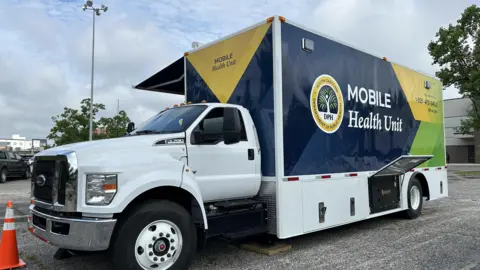
Federal Messaging and Misinformation Hinder Response The South Carolina Department of Public Health has operated mobile clinics that vaccinated 62 people since October 2025, but national mixed messages from Health Secretary Robert F. Kennedy Jr. and circulating conspiracy theories about MMR have complicated outreach. Officials cite these mixed signals as a major obstacle to achieving higher community immunity quickly[1].
Timeline
2000 – The United States declares measles eliminated, establishing a public‑health benchmark that later outbreaks threaten to reverse [1].
2025 – The nation experiences a measles resurgence, ending the year with 2,144 confirmed cases and prompting warnings that the U.S. could lose its elimination status like the UK and Canada did earlier [2].
Oct 2025 – South Carolina health officials declare a measles outbreak after initial cases appear in late September, identify a Ukrainian immigrant community with low vaccination as the likely seed, and launch mobile vaccination clinics that later vaccinate 62 people [2][1].
Oct 2025 – 2025 school year – Spartanburg County’s school‑age measles vaccination rate drops from about 95% to 90% overall, with some schools falling to roughly 20%, well below the 95% herd‑immunity threshold needed to halt spread [1].
Nov‑Dec 2025 – Transmission concentrates in churches, public schools, restaurants, and shops; the vast majority of infections involve unvaccinated children, complicating contact tracing and fueling community spread [2].
Dec 2025 – Jan 2026 – Pediatrician Stuart Simko treats six children with measles, calling them “very sick” and noting high fevers that are hard to control, marking his first direct experience with the disease in years [1].
Jan 8 2026 – State health officials report more than 200 measles cases in Spartanburg County, over 500 people placed in quarantine, and the operation of pop‑up clinics and a mobile unit to boost vaccination amid slow progress toward higher coverage [2].
Jan 30 2026 – South Carolina records 847 measles infections, the largest outbreak since 2000; dozens of unvaccinated students enter 21‑day quarantines, and Republican Senator Josh Kimbrell, after a vaccinated teacher’s hospitalization, urges limits on where unvaccinated individuals can go, warning the situation could “lead to a death” [1].
Early 2026 onward – Public health authorities continue intensive contact tracing, mobile vaccination efforts, and school‑based quarantine enforcement, while national debate over vaccine policy—shaped by Health Secretary Robert F. Kennedy Jr.’s mixed messages—adds complexity to containment and raises the specter of the United States losing its measles‑elimination status if spread persists [1][2].
All related articles (2 articles)
External resources (4 links)
- https://www.cdc.gov/schoolvaxview/data/index.html (cited 2 times)
- https://dph.sc.gov/form/information-about-childhood-vacc (cited 1 times)
- https://dph.sc.gov/health-wellness/child-teen-health/school-vaccination-coverage-data/school-vaccination-coverage-and (cited 1 times)