Ethiopian Army Masses Troops on Tigray Border Amid Renewed Conflict Fears
Updated (3 articles)
-
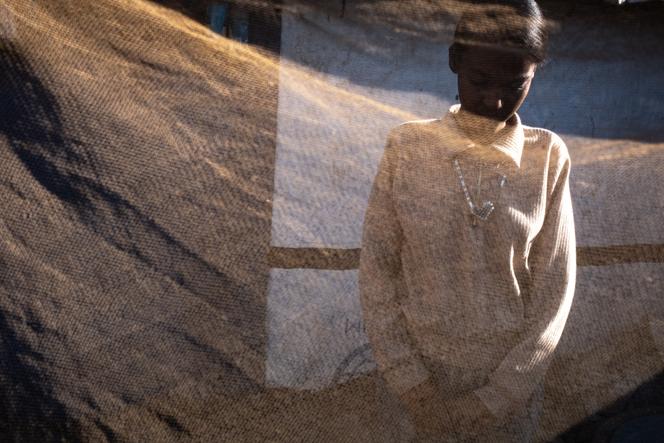 Image: Le Monde

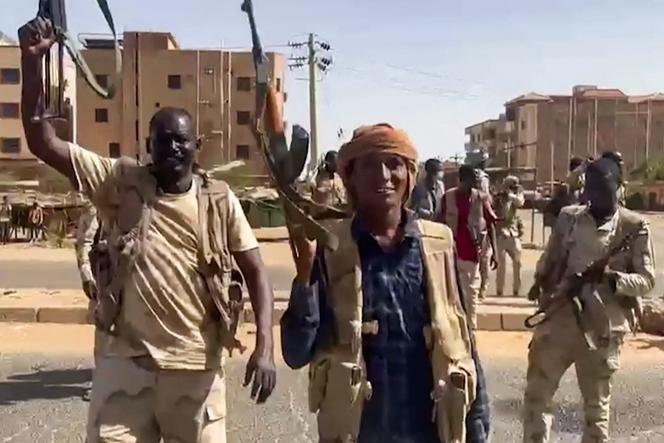
Massive troop deployment signals heightened tension Large Ethiopian formations moved toward the northern frontier of the Tigray region in early February, with satellite‑derived images and social‑media videos confirming convoys of armored vehicles and infantry units concentrated near the border [1]. The federal government has not issued an official statement, but analysts link the buildup to lingering grievances from the 2022 cease‑fire that ended a war killing roughly 600,000 people [1]. Military observers note that the scale of the deployment exceeds previous post‑conflict patrols, suggesting preparation for possible offensive operations [1].
Displaced youth echo community anxiety Fifteen‑year‑old Million Mehari, who fled Humera for Sudan during the 2020‑2022 war and returned to the Tshehaye displacement camp in 2025, says rumors of renewed fighting dominate conversations among camp residents [1]. She fears that the new troop concentrations could trigger fresh hostilities, jeopardizing the fragile return‑to‑home process for thousands of internally displaced persons [1]. Humanitarian NGOs in the camp have reported increased requests for protection and food aid amid the heightened insecurity [1].
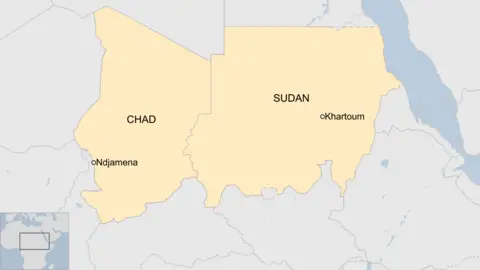
Chad shuts eastern border to block Sudan spillover On 23 February 2026, Chad announced the closure of its eastern frontier with Sudan after intense fighting erupted in the border town of al‑Tina, killing five Chadian soldiers and three civilians [2]. The government said the shutdown would remain “until further notice” but may allow tightly controlled humanitarian exemptions [2]. Communications Minister Mahamat Gassim Cherif emphasized that the move aims to prevent the Sudanese civil war from spilling into Chad and to safeguard both citizens and the roughly one million Sudanese refugees already hosted in the country [2].
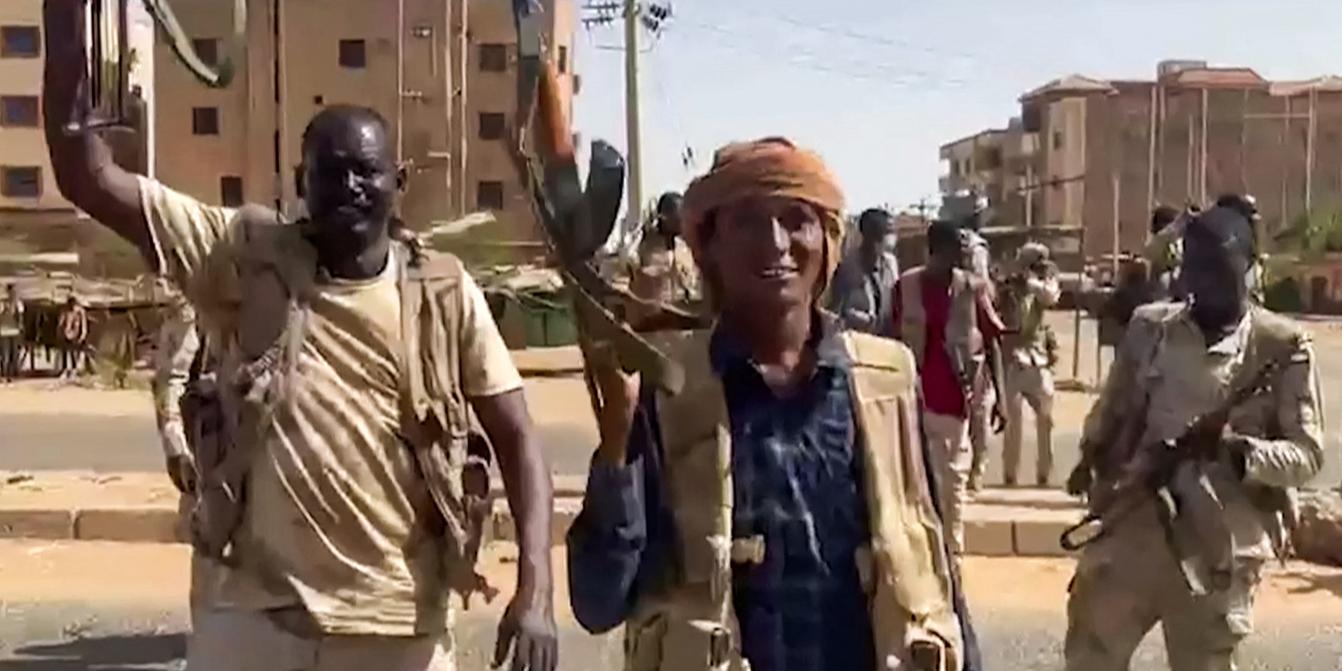
Rapid Support Forces claim capture of al‑Tina The Sudanese Rapid Support Forces (RSF) posted a Telegram video on 21 February 2026 announcing they had seized al‑Tina, a strategic town on the Chad‑Sudan border, after earlier advances in December 2025 [3]. The RSF’s statement highlighted the town’s importance for supply routes and for extending their control across northern Darfur, where they have dominated most of the region since taking El‑Fasher in October 2025 [3]. Darfur Governor Minni Minnawi condemned the takeover as a “criminal act against civilians,” while the Sudanese regular army has not publicly responded [3].
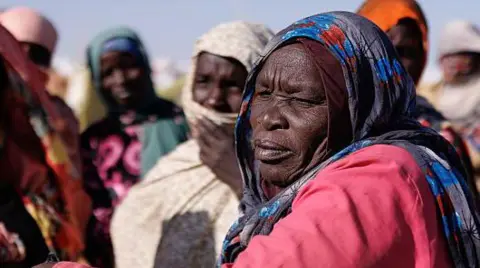
Humanitarian crisis deepens across borders The Sudan war, now in its third year, has caused tens of thousands of deaths and displaced about 14 million people, a situation the United Nations describes as the world’s worst humanitarian crisis [3]. Chad’s border closure complicates aid delivery to the millions of refugees and internally displaced persons reliant on cross‑border convoys [2]. Meanwhile, the UN fact‑finding mission has labeled recent RSF atrocities in Darfur as “genocide,” underscoring the urgency of international intervention [3].
Contrasting official narratives fuel uncertainty Sudan’s regular army has remained silent on the RSF’s al‑Tina claim, creating ambiguity about the actual control of the town [3]. Conversely, Chad refutes Sudanese accusations that it is aiding the RSF, insisting that any support to armed groups is denied [2]. These divergent statements highlight the complex information environment surrounding the conflict’s expansion into neighboring states [2][3].
Sources
-
1.
Le Monde: Ethiopian Forces Mass Near Tigray as New War Threat Looms: Details Ethiopian troop concentrations, social‑media convoy footage, and displaced teen’s fear of renewed fighting .
-
2.
BBC: Chad Closes Eastern Border with Sudan to Contain Conflict: Reports Chad’s border shutdown, casualty figures from al‑Tina clash, humanitarian exemption policy, and refugee statistics .
-
3.
Le Monde: Sudan: Rapid Support Forces claim capture of Al‑Tina on Chad border: Covers RSF’s announced seizure of al‑Tina, its strategic significance, Darfur governor’s condemnation, and UN genocide labeling .
Related Tickers
Timeline
2022 – A cease‑fire ends the 2020‑2022 war in Ethiopia’s Tigray, which had killed about 600,000 people and left deep scars that fuel later tensions. [2]
Apr 2023 – A civil war erupts in Sudan, spreading into Darfur and igniting a humanitarian crisis that later forces millions to flee. [3]
2023‑2025 – Approximately one million Sudanese refugees cross into Chad, turning the country into a key refuge and conduit for aid convoys. [1]
2025 – Fifteen‑year‑old Million Mehari returns to northern Ethiopia after fleeing to Sudan during the 2020‑2022 conflict; she now lives in the Tshehaye displacement camp and says “rumors of a new war frighten” her and her community. [2]
Oct 2025 – The Rapid Support Forces seize El‑Fasher, bringing them to dominate most of Darfur; the UN fact‑finding mission subsequently labels recent massacres, rapes and kidnappings as “genocide.” [3]
Dec 2025 – RSF advance further, capturing two towns near Al‑Tina and tightening their grip on the Sudan‑Chad border region. [3]
Feb 21, 2026 – RSF announce the capture of Al‑Tina on the Chad border, posting a Telegram video of fighters raising a banner and declaring total control of the strategic town. [3]
Feb 22, 2026 – Darfur governor Minni Minnawi condemns the seizure as “repeated criminal behaviour that embodies the worst forms of atrocities against innocents.” [3]
Feb 23, 2026 – Chad closes its eastern border with Sudan “until further notice” to stop armed incursions; Communications Minister Mahamat Gassim Cherif says the move aims to “prevent the Sudan war from spilling into Chad and to safeguard citizens and refugee communities,” while allowing “exceptional exemptions, strictly justified by humanitarian reasons” with prior approval. [1]
Feb 24, 2026 – Ethiopia mass‑deploys large numbers of troops to the northern frontier of Tigray; social‑media videos show impressive convoys moving north, confirming the army’s alert status as the threat of renewed fighting grows. [2]
Future (unspecified) – Chad reserves the right to retaliate against any aggression, signalling a possible future military response if cross‑border attacks resume. [1]
External resources (4 links)
- http://bbcafrica.com/ (cited 1 times)
- https://twitter.com/BBCAfrica (cited 1 times)
- https://www.facebook.com/BBCnewsafrica/ (cited 1 times)
- https://www.instagram.com/bbcafrica/ (cited 1 times)