Trump Gives Iran 10‑15 Days to Seal Deal as Second Carrier Heads Toward Eastern Mediterranean
Updated (35 articles)
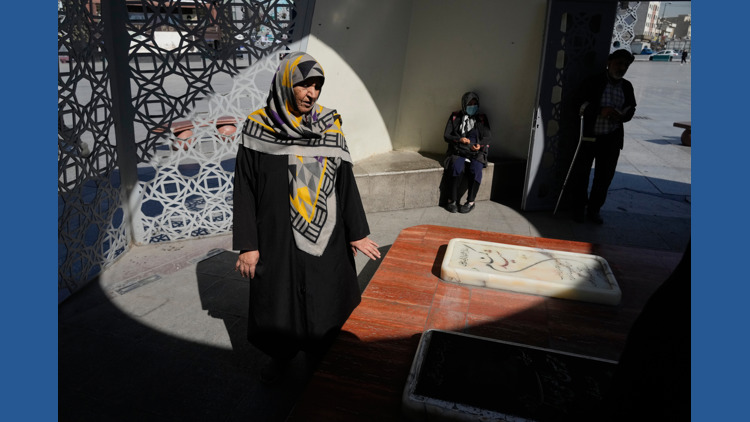


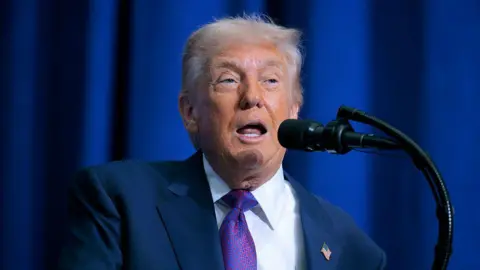
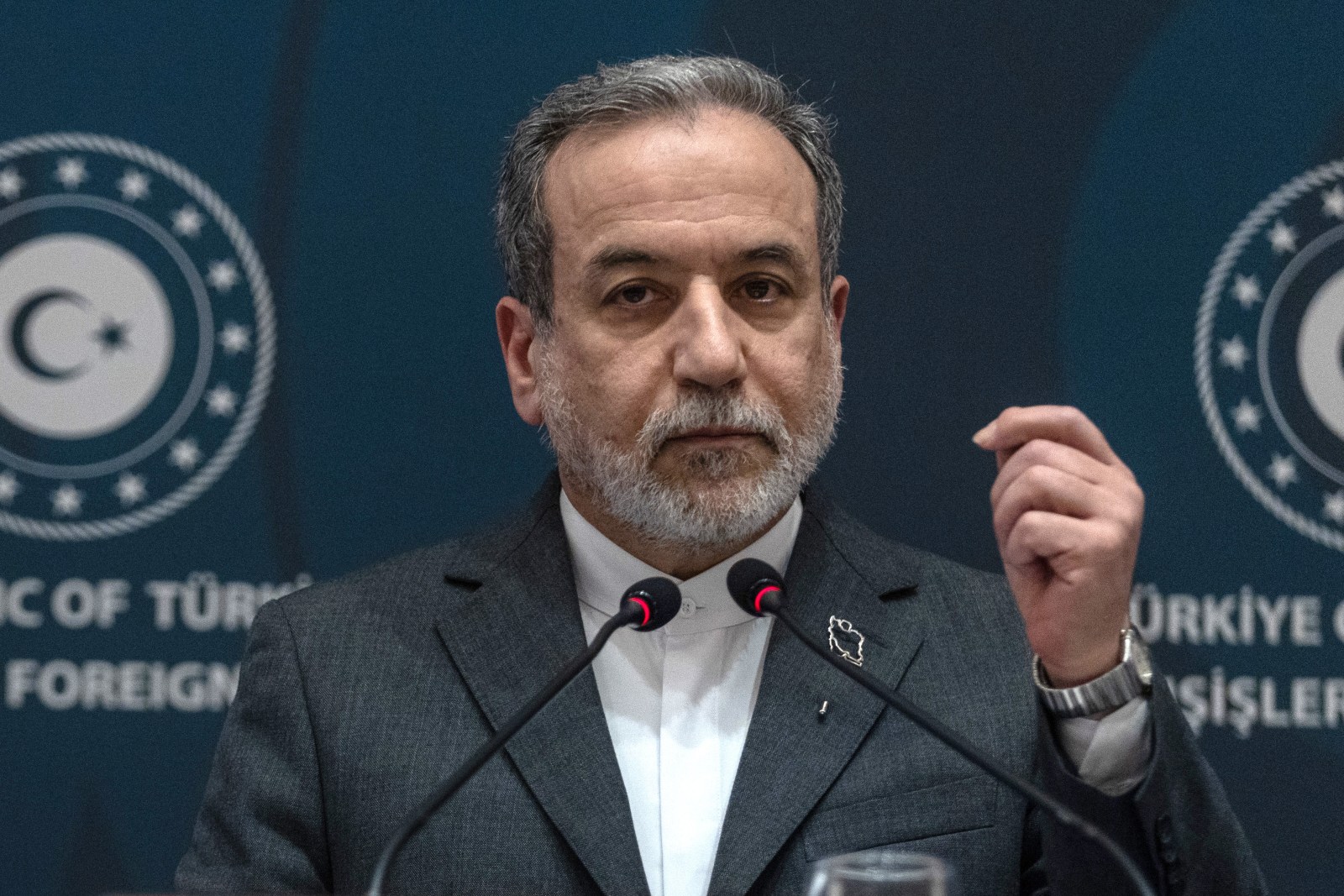
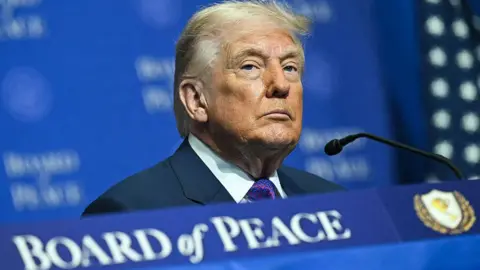
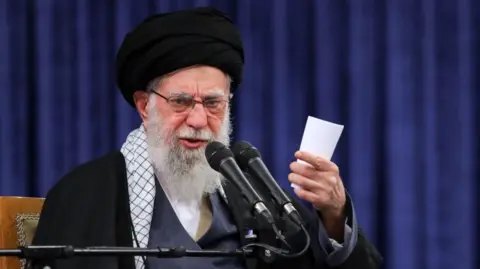
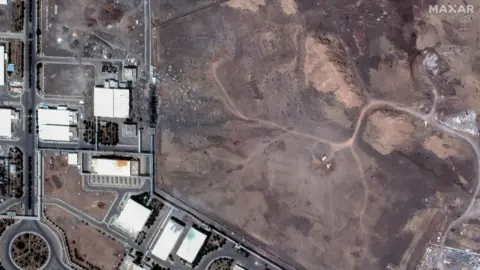
Ultimatum Coupled With “Bad Things” Threat President Donald Trump told reporters on Feb 20 that Tehran has “ten to fifteen days” to reach a nuclear agreement, warning that failure would bring “bad things” for Iran [2][4][5]. He repeated the deadline at the inaugural Board of Peace meeting, mixing diplomatic language with the possibility of a new U.S. air campaign [1][3]. White House press secretary Karoline Leavitt urged Iran to be “very wise” and accept the deal, while Trump hinted that regime change could be the “best thing” for Iran [9][5].
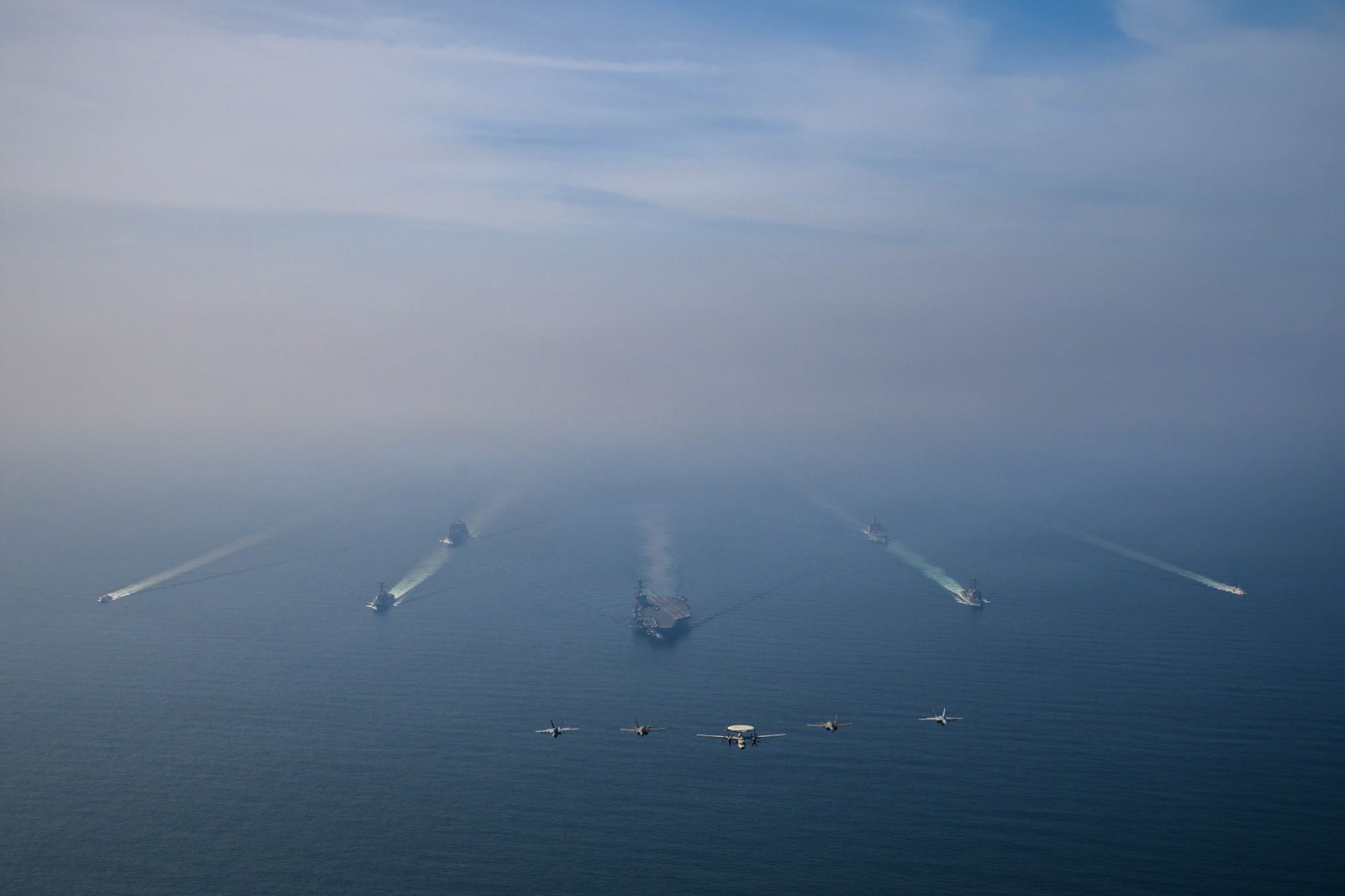
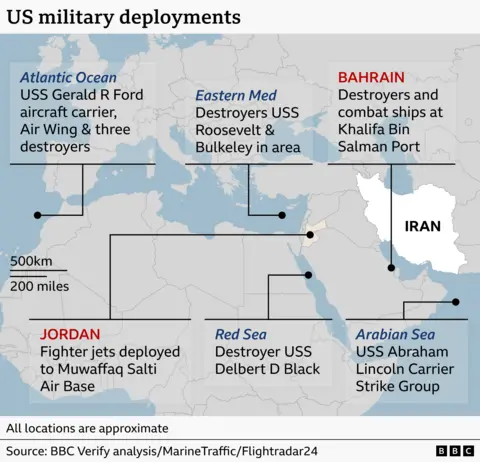
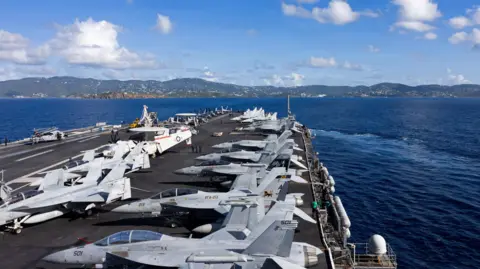
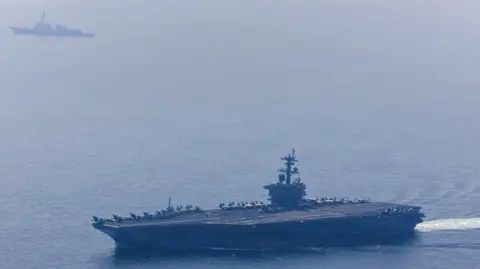
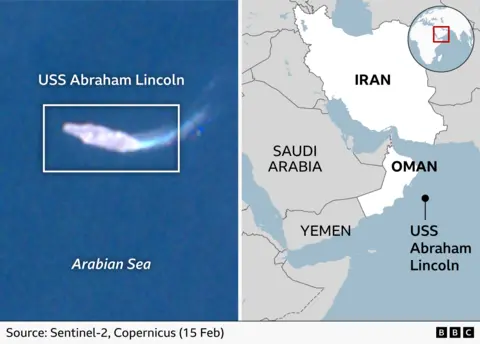
Largest Middle‑East Buildup Since Early 2000s The United States has deployed its biggest post‑2003 force to the region, including the carrier strike groups USS Abraham Lincoln and USS Gerald R. Ford, plus roughly 50 combat aircraft such as F‑35s, F‑22s and F‑16s [1][2][6][7]. Analysts note this is the most extensive buildup in 22 years, intended to pressure Tehran and protect U.S. bases [3][6]. The Gerald R. Ford is expected in the eastern Mediterranean by early next week, while the Abraham Lincoln is already operating near Iranian waters [8][10].
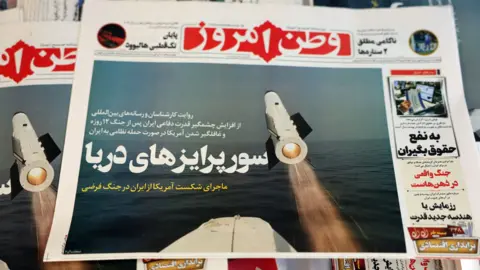
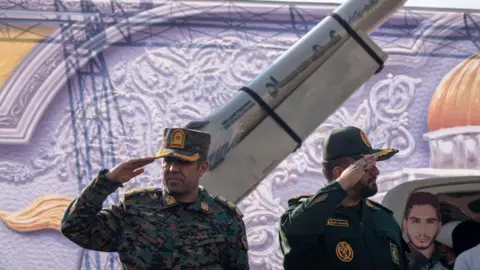
Iran‑Russia Live‑Fire Drills Heighten Tensions On Feb 19 Iran conducted its annual joint exercise with Russia, firing live rounds in the Strait of Hormuz and the Gulf of Oman [2][4][6][8]. Tehran framed the drills as a response to “existential threats” from Washington’s demands on its nuclear and missile programs [6][8]. Despite the shows of force, Iranian officials said they do not seek war but will meet any U.S. aggression “decisively and proportionately” [2][4].
Geneva Indirect Talks Yield Guiding Principles, No Final Deal Indirect negotiations in Geneva produced a set of “guiding principles” but left key issues unresolved; Iran agreed to draft a written proposal on enrichment limits [2][4][10]. Both sides described the talks as “far apart” on missile restrictions and regional proxy support [3][6]. U.S. officials expect the full complement of forces to be ready by mid‑March, while Iran’s foreign minister announced a “general agreement” that could pave the way for a formal text [11][10].
Decision Remains Fluid Amid Domestic and International Pressures Military commanders say forces could strike as early as the weekend, yet Trump has not given final authorization [9][10]. Senators and representatives are preparing a War Powers vote, and Trump’s midterm election strategy and Nobel Peace Prize ambitions are influencing his rhetoric [1][5]. Israeli Prime Minister Benjamin Netanyahu pledged “unimaginable” retaliation if Iran attacks, adding another layer to the U.S. calculus [2][4].
Sources
-
1.
BBC: Trump Issues New Iran Ultimatum Amid Growing Military Buildup – Details Trump’s mixed diplomatic‑threat speech, the unprecedented Middle‑East force surge, and past Venezuela operation as context .
-
2.
King5: Trump warns of ‘bad things’ if Iran doesn’t make a deal as second US carrier nears Mideast – Highlights the 10‑15‑day deadline, USS Gerald R. Ford movement, and regional evacuation alerts .
-
3.
CNN: Trump Mulls Iran Options Amid Largest Middle‑East Buildup in 22 Years – Explores strike options, lack of target list, and internal U.S. political split over authorization .
-
4.
AP: Trump warns Iran of “bad things” if deal stalls – Reports carrier deployment, Iran‑Russia drills, and allied nations repositioning personnel .
-
5.
BBC: Trump warns world has ten days to see Iran deal or military action – Emphasizes the ten‑day deadline, Board of Peace scope, and British refusal to host U.S. strikes .
-
6.
BBC: US Deploys Carrier Groups as Iran Signals Defiance Over Washington’s Demands – Focuses on carrier arrivals, U.S. demands on enrichment and missiles, and Iranian leadership’s perspective .
-
7.
Newsweek: Trump Signals New Military Options as Iran Talks Stall – Notes second carrier group, stricter deal demands, and expert predictions on strike targets .
-
8.
BBC: White House Presses Iran to Negotiate as U.S. Warships Deploy – Covers Leavitt’s urging, carrier positioning timeline, and Khamenei’s AI‑generated warning image .
-
9.
CNN: Trump’s Opaque Rationale as He Inches Toward Possible War with Iran – Describes weekend‑ready forces, Trump’s regime‑change rhetoric, and Venezuela precedent .
-
10.
CNN: US Military Poised for Iran Strike This Weekend, Trump Yet to Decide – Reports Situation Room briefing, carrier group movements, and satellite evidence of Iran fortifying sites .
-
11.
Newsweek: Iran Says “General Agreement” Reached With U.S. on Nuclear Talks – Announces Iran’s claim of a “general agreement,” missile red line, and regional escalation backdrop .
Timeline
Dec 12, 2025 – Trump warns the United States will strike any new Iranian nuclear sites if Tehran restarts its program, citing the June 2025 U.S.–Israeli attacks that destroyed key enrichment facilities and claiming Iran could have avoided those strikes by accepting a deal [25].
June 2025 – U.S. and Israeli forces conduct a 12‑day campaign that cripples Iran’s nuclear enrichment infrastructure, destroying several sites and setting the program back roughly two years [13][25].
Jan 21, 2026 – In a NewsNation interview Trump threatens to wipe the Iranian regime off the face of the Earth; U.S. F‑15E jets land in Jordan and the carrier USS Abraham Lincoln sails toward the Gulf, while Patriot and THAAD systems are slated for deployment and UN estimates put protest deaths at up to 18,000 [23].
Jan 29, 2026 – A U.S. carrier strike group arrives in the Middle East as Trump signals a possible attack; Iran retains thousands of short‑range missiles and drones that can strike regional bases, proxy militias pledge retaliation, Secretary of State Rubio warns 30‑40 k U.S. troops are within range, and Tehran threatens to close the Strait of Hormuz, risking a global recession [20].
Jan 29, 2026 – Trump weighs a major new strike after stalled nuclear talks, posts a Truth Social ultimatum demanding a “fair and equitable” deal and warning of a “far worse” attack; the USS Abraham Lincoln carrier group moves closer, the U.S. readies Patriot and THAAD defenses, and regional allies refuse to allow U.S. use of their airspace [21].
Jan 29, 2026 – Iran’s Ali Shamkhani warns any U.S. attack would trigger “unprecedented” retaliation against the United States, Israel and supporters; Trump revives a carrier “armada” threat, Rubio notes up to 40,000 U.S. troops are at risk, and Reuters reports Trump is considering regime‑change options [22].
Jan 30, 2026 – The USS Abraham Lincoln carrier enters the Indian Ocean, bringing U.S. forces within striking distance of Iran; Trump tells Tehran “time is running out” and threatens a strike worse than the summer 2025 attacks, while Iranian officials say their forces have “fingers on the trigger” [18].
Jan 30, 2026 – The Abraham Lincoln strike group moves into the U.S. Central Command area, intensifying fears of broader conflict; Iran endures its worst protest crackdown since 1979, with thousands killed, and analysts note that past Iranian retaliation after the June 2025 strikes was delayed, but current unrest could prompt faster responses [19].
Jan 30, 2026 – Trump claims Iran prefers a nuclear deal over war, says only Tehran knows whether it will negotiate, and reiterates two conditions: halt the nuclear program and stop killing protesters; Iran’s foreign minister says talks are possible but missiles are excluded [17].
Jan 30, 2026 – Iran says it is ready for “fair and just” nuclear talks but will not accept dictation or discuss its missile program; Trump urges a deal while threatening a naval strike with “very big, very powerful ships,” and Turkey and Russia offer to facilitate de‑escalation [16].
Jan 30, 2026 – Iran’s Supreme Leader Khamenei warns a U.S. attack would spark a regional war; Trump signals a massive naval presence with the Abraham Lincoln carrier and offers two conditions to avoid action—stop the nuclear program and end protest killings; HRANA reports thousands killed in the crackdown and Iran prepares live‑fire drills in the Strait of Hormuz [15].
Feb 1, 2026 – Khamenei repeats that a U.S. war would become a regional war; the United States deploys the Abraham Lincoln carrier to the Arabian Sea; Iran’s foreign minister says trust in the U.S. has eroded but negotiations continue; the IRGC cancels a planned live‑fire drill in the Strait of Hormuz; explosions in southern Iran are blamed on gas leaks, and human‑rights groups warn the protest death toll could exceed 25,000 [14][15].
Feb 2, 2026 – Iranian President Masoud Pezeshkian orders the start of nuclear negotiations with the United States, preparing a negotiation framework; Trump expresses optimism that a deal can prevent conflict while threatening military action and moving a carrier group to West Asia [29].
Feb 2, 2026 – Turkey seeks to convene U.S. envoy Steve Witkoff and Iranian leaders by week’s end, while the USS Abraham Lincoln and destroyers remain positioned as a show of force; Trump says the U.S. is “talking to Iran” about a nuclear deal and warns of “bad things” if it fails; the EU designates the IRGC as a terrorist organization, and protest death tolls remain in the thousands [28].
Feb 3, 2026 – Iran’s President Pezeshkian says Tehran will negotiate only in a threat‑free environment and instructs Foreign Minister Abbas Araghchi to pursue talks under those conditions; Trump threatens “tremendous force” with the Abraham Lincoln carrier and Tomahawk‑armed destroyers, and potential Istanbul talks are floated [5].
Feb 3, 2026 – After the June 2025 bunker‑buster strikes set Iran’s nuclear program back two years, Trump posts a “massive Armada” message on Truth Social, warning that time is running out; internal unrest and protest deaths heighten the stakes, and U.S. officials and Democrats debate constitutional war‑powers issues [13].
Feb 5, 2026 – Trump tells NBC that Ayatollah Khamenei should be “very worried” ahead of Muscat talks; Iran showcases the Khorramshahr‑4 long‑range missile; a U.S. carrier shoots down an Iranian drone and IRGC gunboats threaten a U.S.‑flagged tanker in the Strait of Hormuz, while Iran’s month‑long internet blackout continues [12].
Feb 6, 2026 – Trump’s approval falls below 40 percent; U.S.–Iran talks are slated for Friday in Oman; Iran’s internal crises make the regime appear vulnerable; experts warn a multi‑day strike would be politically risky; Secretary of State Marco Rubio outlines U.S. goals on nuclear, missiles, terrorism and human‑rights concerns [11].
Feb 11, 2026 – After the June 2025 war and protests, the United States and Iran consider a second round of nuclear talks; Trump escalates military pressure, threatening strikes over protest killings; Oman hosts direct meetings between U.S. envoy Steve Witkoff and Iranian foreign minister; the IAEA reports ~9,870 kg of uranium stockpiled with enrichment halted [27].
Feb 17, 2026 – Iran announces a “general agreement” reached in Geneva on nuclear negotiations, laying groundwork for a draft text; Tehran maintains a red line on its ballistic‑missile program and regional allies; Supreme Leader Khamenei condemns pre‑determined outcomes; the talks occur against the backdrop of the 2015 JCPOA and the 2018 U.S. withdrawal [10].
Feb 18, 2026 – U.S. forces stand ready for a weekend strike, but Trump has not given final authorization; the Situation Room convenes; Geneva indirect talks produce guiding principles but no resolution; the USS Gerald R. Ford may arrive, and Iran fortifies nuclear sites with concrete; timing considerations include the Winter Olympics, Ramadan and Trump’s State of the Union [9].
Feb 19, 2026 – White House press secretary Karoline Leavitt urges Iran to strike a deal, saying it would be “very wise”; the USS Abraham Lincoln positions near Iranian waters and the USS Gerald R. Ford is slated to arrive within three weeks; Geneva talks yield limited progress; Trump discusses strike options but the decision remains fluid; Khamenei shares an AI image of the Gerald Ford sinking [4].
Feb 19, 2026 – The United States deploys two carrier strike groups: Abraham Lincoln near Iranian waters and Gerald Ford near the Strait of Gibraltar moving east, signaling a layered posture; Washington demands Iran halt enrichment, limit missile ranges, stop proxy support and improve human‑rights treatment; Iran views these demands as existential threats and the Supreme Leader weighs limited war over surrender [3].
Feb 19, 2026 – Trump gives the world a ten‑day deadline to see whether the United States reaches a nuclear deal with Iran or resorts to military action; the Board of Peace expands beyond Gaza; the military buildup follows June strikes; Britain blocks use of its bases for U.S. strikes; Congressional leaders plan a War Powers vote, though odds of passage are low [2].
Feb 19, 2026 – Trump mulls Iran options amid the largest Middle‑East buildup in 22 years, reviewing plans ranging from limited hits to regime change; no target list is issued and a diplomatic path remains preferred; he offers a vague 10‑ to 15‑day timeline for a deal; U.S. forces, including Gerald Ford, are positioned for action; advisers and lawmakers split on intervention, and the IAEA chief says most nuclear material remains [6].
Feb 19, 2026 – Trump signals new military options as talks stall; a second carrier strike group moves toward the Gulf; he demands a stricter deal than the 2015 JCPOA; former deputy assistant secretary of defense Mick Mulroy says the United States is ready for sustained strikes; Iran’s missile and drone arsenal is the largest in the region, while Gulf Arab partners, especially Saudi Arabia, oppose a U.S.–Iran war [7].
Feb 19, 2026 – The United States nears a possible week‑long strike on Iran; Trump has not finalized a decision, and the military says forces could attack by the weekend; the White House offers a vague rationale for a strike; Trump touts regime change as “the best thing” for Iran; the recent Venezuela operation appears to boost his risk tolerance [8].
Feb 20, 2026 – Trump issues a new Iran ultimatum at a Board of Peace meeting, mixing diplomatic language with the threat of a new U.S. air campaign; the White House says Iran would be “very wise” to accept a nuclear deal; the United States begins its largest Middle‑East military buildup since 2003; Iran, weakened by sanctions and protests, signals willingness to negotiate enrichment limits but resists missile demands, and observers question regime‑change motives and Israeli involvement [1].
Feb 20, 2026 – Iran‑Russia drills coincide with the movement of the USS Gerald R. Ford toward the eastern Mediterranean; Trump gives Iran 10‑15 days to seal a deal, warning “bad things” will follow failure; Iran’s UN envoy warns of a decisive U.S. response; U.S. forces are expected to be fully ready by mid‑March; regional allies urge evacuations and boost military presence, and Israeli Prime Minister Benjamin Netanyahu pledges readiness for any Iranian attack [30].
Dive deeper (34 sub-stories)
-
BBC: Trump Issues New Iran Ultimatum Amid Growing Military Buildup
-
Trump Gives Iran 10‑15 Days as Carrier Moves, Allies Mobilize
(2 articles)
-
CNN: Trump Mulls Iran Options Amid Largest Middle‑East Buildup in 22 Years
-
BBC: Trump warns world has ten days to see Iran deal or military action
-
BBC: US Deploys Carrier Groups as Iran Signals Defiance Over Washington’s Demands
-
Newsweek: Trump Signals New Military Options as Iran Talks Stall
-
BBC: White House Presses Iran to Negotiate as U.S. Warships Deploy
-
CNN: Trump’s Opaque Rationale as He Inches Toward Possible War with Iran
-
CNN: US Military Poised for Iran Strike This Weekend, Trump Yet to Decide
-
Newsweek: Iran Says “General Agreement” Reached With U.S. on Nuclear Talks
-
AP: Iran, U.S. Consider Second Nuclear Talks Amid Post‑War Tensions
-
CNN: Trump Faces Tough Choices Over Iran Amid Low Approval
-
CNN: Trump warns Iran’s supreme leader of “very worried” stance ahead of Muscat talks
-
BBC: Iran Signals Readiness for US Negotiations Amid Heightened Regional Tensions
-
Newsweek: Trump’s Nuclear Pressure Prompts Iran to Seek Talks
-
AP: Turkey Pushes for US‑Iran Talks Amid Rising Tensions
-
The Hindu: Iranian President Orders Nuclear Talks Amid U.S. Military Threats
-
BBC: Iran’s Supreme Leader Threatens Regional War Over Possible U.S. Attack
-
Newsweek: Iran’s Supreme Leader Warns U.S. Attack Will Trigger Regional War
-
CNN: Trump’s Iran Options Remain Limited Amid Naval Buildup and Regime Weakness
-
CNN: Iran Signals Openness to US Nuclear Talks While Rejecting Dictation and Missile Negotiations
-
BBC: Trump Claims Iran Wants Nuclear Deal as U.S. Buildup Continues
-
Newsweek: U.S. Carrier Deploys as Trump Issues Final Warning to Iran
-
Newsweek: Iranians Brace for Possible U.S. Attack Amid Rising Tensions
-
BBC: Iran’s heightened risk of escalation as US carrier group arrives
-
CNN: Iran’s Options to Respond if Trump Orders a Strike
-
CNN: Trump Considers Major New Strike on Iran Amid Stalled Nuclear Talks
-
Newsweek: Iran Threatens Unprecedented Retaliation After Trump Revives Strike Threat
-
BBC: Trump warns Iran “time is running out” as US forces surge in Gulf
-
Newsweek: Iran Says It Has Not Requested Negotiations After Trump Claims Deal Is Possible
-
Newsweek: Trump threatens to wipe Iran's regime off the face of the Earth as tensions rise
-
CNN: Arab states help de-escalate US-Iran tensions as US moves carrier group to Middle East
-
Newsweek: Iran could retaliate more aggressively if U.S. intervenes, experts warn
-
Newsweek: Trump Threatens to Strike Iran if It Re‑starts Nuclear Program Without Deal
All related articles (35 articles)
-
BBC: Trump Issues New Iran Ultimatum Amid Growing Military Buildup
-
King5 (Seattle, WA): Trump warns of ‘bad things’ if Iran doesn’t make a deal as second US carrier nears Mideast
-
CNN: Trump Mulls Iran Options Amid Largest Middle‑East Buildup in 22 Years
-
AP: Trump warns Iran of “bad things” if deal stalls
-
BBC: Trump warns world has ten days to see Iran deal or military action
-
BBC: US Deploys Carrier Groups as Iran Signals Defiance Over Washington’s Demands
-
Newsweek: Trump Signals New Military Options as Iran Talks Stall
-
BBC: White House Presses Iran to Negotiate as U.S. Warships Deploy
-
CNN: Trump’s Opaque Rationale as He Inches Toward Possible War with Iran
-
CNN: US Military Poised for Iran Strike This Weekend, Trump Yet to Decide
-
Newsweek: Iran Says “General Agreement” Reached With U.S. on Nuclear Talks
-
AP: Iran, U.S. Consider Second Nuclear Talks Amid Post‑War Tensions
-
CNN: Trump Faces Tough Choices Over Iran Amid Low Approval
-
CNN: Trump warns Iran’s supreme leader of “very worried” stance ahead of Muscat talks
-
BBC: Iran Signals Readiness for US Negotiations Amid Heightened Regional Tensions
-
Newsweek: Trump’s Nuclear Pressure Prompts Iran to Seek Talks
-
AP: Turkey Pushes for US‑Iran Talks Amid Rising Tensions
-
The Hindu: Iranian President Orders Nuclear Talks Amid U.S. Military Threats
-
BBC: Iran’s Supreme Leader Threatens Regional War Over Possible U.S. Attack
-
Newsweek: Iran’s Supreme Leader Warns U.S. Attack Will Trigger Regional War
-
CNN: Trump’s Iran Options Remain Limited Amid Naval Buildup and Regime Weakness
-
CNN: Iran Signals Openness to US Nuclear Talks While Rejecting Dictation and Missile Negotiations
-
BBC: Trump Claims Iran Wants Nuclear Deal as U.S. Buildup Continues
-
Newsweek: U.S. Carrier Deploys as Trump Issues Final Warning to Iran
-
Newsweek: Iranians Brace for Possible U.S. Attack Amid Rising Tensions
-
BBC: Iran’s heightened risk of escalation as US carrier group arrives
-
CNN: Iran’s Options to Respond if Trump Orders a Strike
-
CNN: Trump Considers Major New Strike on Iran Amid Stalled Nuclear Talks
-
Newsweek: Iran Threatens Unprecedented Retaliation After Trump Revives Strike Threat
-
BBC: Trump warns Iran “time is running out” as US forces surge in Gulf
-
Newsweek: Iran Says It Has Not Requested Negotiations After Trump Claims Deal Is Possible
-
Newsweek: Trump threatens to wipe Iran's regime off the face of the Earth as tensions rise
-
CNN: Arab states help de-escalate US-Iran tensions as US moves carrier group to Middle East
-
Newsweek: Iran could retaliate more aggressively if U.S. intervenes, experts warn
-
Newsweek: Trump Threatens to Strike Iran if It Re‑starts Nuclear Program Without Deal
External resources (20 links)
- https://www.eia.gov/international/analysis/country/irn (cited 2 times)
- https://usun.usmission.gov/u-s-representative-to-the-united-nations-ambassador-mike-waltzs-interview-with-tony-perkins-of-the-salem-news-channel/ (cited 1 times)
- https://edition.cnn.com/2026/02/01/middleeast/iran-diplomat-araghchi-interview-intl (cited 2 times)
- https://www.reutersconnect.com/all?search=all%3AL1N3YF0BU&linkedFromStory=true (cited 2 times)
- https://x.com/ifrc/status/2011790950574531015 (cited 2 times)
- https://x.com/netblocks/status/2011838716562542678 (cited 2 times)
- https://x.com/CENTCOM/status/2015815632302801143 (cited 1 times)
- https://x.com/alishamkhani_ir/status/2016582565390655585?s=20 (cited 1 times)
- https://x.com/araghchi/status/2016568541399445735 (cited 1 times)
- https://x.com/drpezeshkian/status/2018551558959710505?s=20 (cited 1 times)
- https://www.bing.com/ck/a?!&&p=8b801433ae68c44f5453de72e45c10b1e846f1ca098dafb67ed046fcab4f8c53JmltdHM9MTc2OTY0NDgwMA&ptn=3&ver=2&hsh=4&fclid=31294c2b-4a98-6c6c-3c6d-5ac24bca6d43&psq=USS+Abraham+Lincoln+Newsweek&u=a1aHR0cHM6Ly93d3cubmV3c3dlZWsuY29tL21hcC1zaG93cy11c3MtYWJyYWhhbS1saW5jb2xuLXBhdGgtdG93YXJkLWlyYW4tcHJvdGVzdHMtY29udGludWUtMTEzNzE4MDQ (cited 2 times)
- https://www.fmprc.gov.cn/wjbzhd/202601/t20260115_11813505.shtml (cited 2 times)
- https://www.ifrc.org/article/ifrc-mourns-killing-one-iranian-red-crescent-colleague (cited 2 times)
- https://www.newsguardrealitycheck.com/p/ai-videos-fill-void-amid-iran-internet-blackout (cited 2 times)
- https://www.opec.org/assets/assetdb/asb-2025.pdf (cited 2 times)
- https://assets.newsweek.com/wp-content/uploads/2025/08/2691909-how-israel-could-exploit-irans-ethnic-divides.jpg (cited 1 times)
- https://outrider.org/ (cited 1 times)
- https://www.bing.com/ck/a?!&&p=302e892761936c6d391ff9b80cbb4cf3e55326a7a8dbaf2ac23ca6e3831d2c8aJmltdHM9MTc2ODM0ODgwMA&ptn=3&ver=2&hsh=4&fclid=24c05a7b-dba0-6e8d-1f70-4e79da6b6f70&psq=Al+Udeid+Air+Base+in+Qatar+Newsweek+June+23&u=a1aHR0cHM6Ly93d3cubmV3c3dlZWsuY29tL2lyYW4tdHJ1bXAtc3RyaWtlcy1hbC11ZGVpZC1haXItYmFzZS1xYXRhci0xMTM1NzA0NQ (cited 1 times)
- https://www.bing.com/ck/a?!&&p=65e0516d046020389640ccff0832ad6b9bf7e11b7dc1521552dea5cc311b1a05JmltdHM9MTc2OTY0NDgwMA&ptn=3&ver=2&hsh=4&fclid=31294c2b-4a98-6c6c-3c6d-5ac24bca6d43&psq=Iran+drills+Newsweek&u=a1aHR0cHM6Ly93d3cubmV3c3dlZWsuY29tL2lyYW4tdXBkYXRlLXVzLW1pbGl0YXJ5LXRvLXBlcmZvcm0tc2hvdy1vZi1zdHJlbmd0aC1pbi1taWRkbGUtZWFzdC0xMTQyNzg4OQ (cited 1 times)
- https://www.carnegie.org/ (cited 1 times)