New Extremist Charges Threaten March Release of Russian Youth Prisoner Nikita Ouvarov
Updated (3 articles)
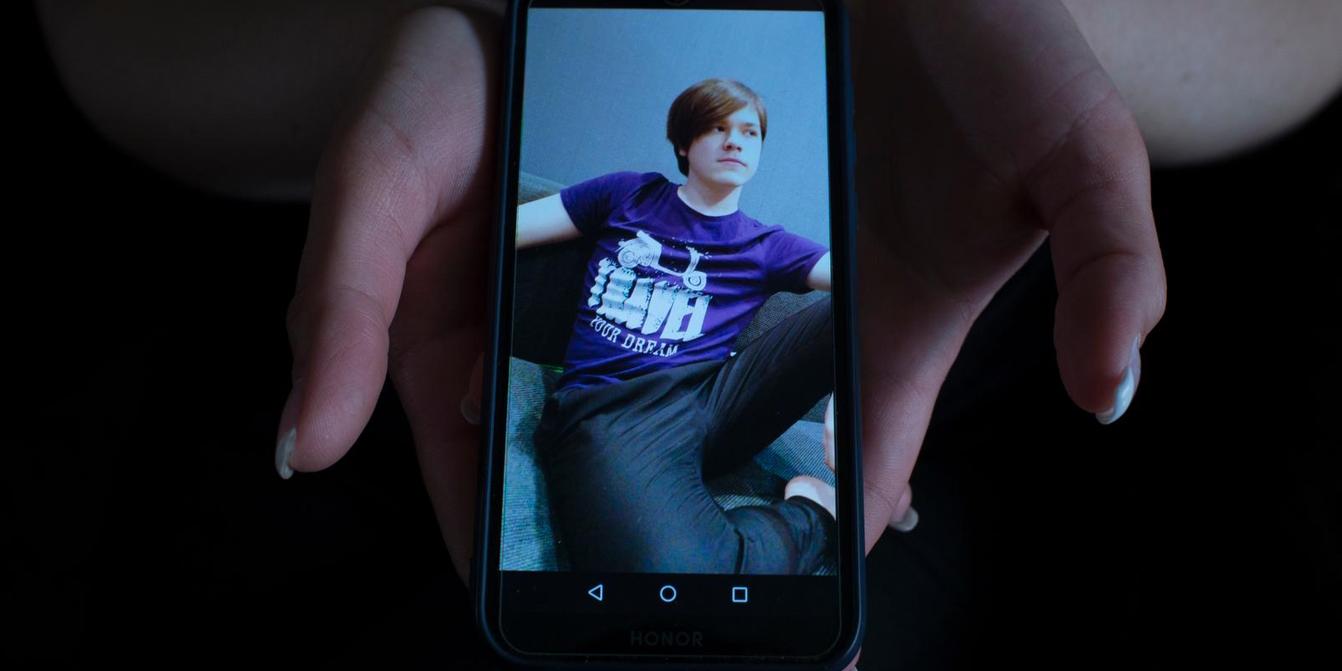

Scheduled March 19 Release After Five Years Behind Bars Nikita Ouvarov was set to be freed on 19 March 2026 after completing five years of a 14‑year sentence, according to court records [1]. The original term began when he was sentenced at age 14 for alleged terrorist preparation [1]. His mother, Anna Ouvarova, announced plans to host a welcoming ceremony once he leaves prison [1].
Original 14‑Year Sentence Stemmed From Anti‑FSB Posters at Age Fourteen Authorities arrested Ouvarov in Kansk for affixing hostile posters against the Federal Security Service when he was 14 [1]. The conviction resulted in a 14‑year term that would have ended when he turned 20 [1]. This early conviction has shaped his legal trajectory and public perception [1].
February 17 Prosecutors Open New Extremist Case Against Ouvarov On 17 February 2026, the Krasnoïarsk regional detention centre informed Anna Ouvarova that prosecutors filed a fresh charge of “participation in an extremist organization” [1]. The new case could block his imminent release and extend his detention beyond the planned date [1]. Long‑time lawyer Vladimir Vasin was absent, traveling in Moscow during the initial investigation, leaving Ouvarov without counsel at a critical moment [1].
Family Prepares Celebration While Future Remains Uncertain Anna Ouvarova intends to rent a small house with a bania, prepare meals, invite former classmates, and provide new clothing for her son [1]. Despite these preparations, the additional charge casts doubt on whether the March 19 freedom will occur [1]. The situation highlights the precarious nature of his legal status after half a decade in prison [1].
Related Tickers
Timeline
2011‑2012 – Sergei Udaltsov rises as a leading organizer of Russia’s mass anti‑Putin protests, mobilizing thousands across the country[1].
Feb 2012 – He attends a high‑profile meeting with President Dmitry Medvedev and other opposition figures, cementing his status as a prominent dissent leader[2].
2014 – He receives a prison sentence for organizing a 2012 demonstration, marking his first major incarceration for political activity[1].
2017 – He is released from prison and returns to opposition politics, continuing his activism against the Kremlin[1].
2022 – Russia’s invasion of Ukraine triggers a sweeping crackdown on dissent, with hundreds jailed and thousands fleeing, creating the repressive backdrop for later prosecutions[2].
Dec 2023 – A Moscow court sentences Udaltsov to 40 hours of compulsory labour for a Red Square protest where he tried to unfurl a Stalin flag, illustrating ongoing state pressure[2].
Early Dec 2025 – Allied activists linked to the same case receive sentences of 16‑22 years, demonstrating the severity of the Kremlin’s response to dissent[1].
Dec 25 2025 – A Russian court convicts Udaltsov of “justifying terrorism” for an online post supporting other activists and orders a six‑year term in a maximum‑security penal colony[1][2].
Dec 25 2025 – Udaltsov denounces the verdict as “shameful,” calls the charges fabricated, and announces a hunger strike to protest the sentence[1][2].
Feb 17 2026 – Prosecutors open a new criminal case against 20‑year‑old Nikita Ouvarov, accusing him of “participation in an extremist organization,” jeopardizing his imminent release[3].
Mar 19 2026 – Ouvarov’s release is scheduled after completing five years of a 14‑year sentence, pending the outcome of the fresh extremist charge[3].
Mar 2026 (post‑release) – His mother, Anna Ouvarova, plans a welcoming ceremony with a rented house, a bania, meals, former classmates, and new clothing, reflecting personal hopes amid legal uncertainty[3].
Mar 2026 (future) – The additional extremist charge could extend Ouvarov’s detention beyond March 19, underscoring the precariousness of his legal situation[3].