Iran Opens Negotiations With U.S. After Trump’s Threats, Bunker‑Buster Fallout
Updated (10 articles)
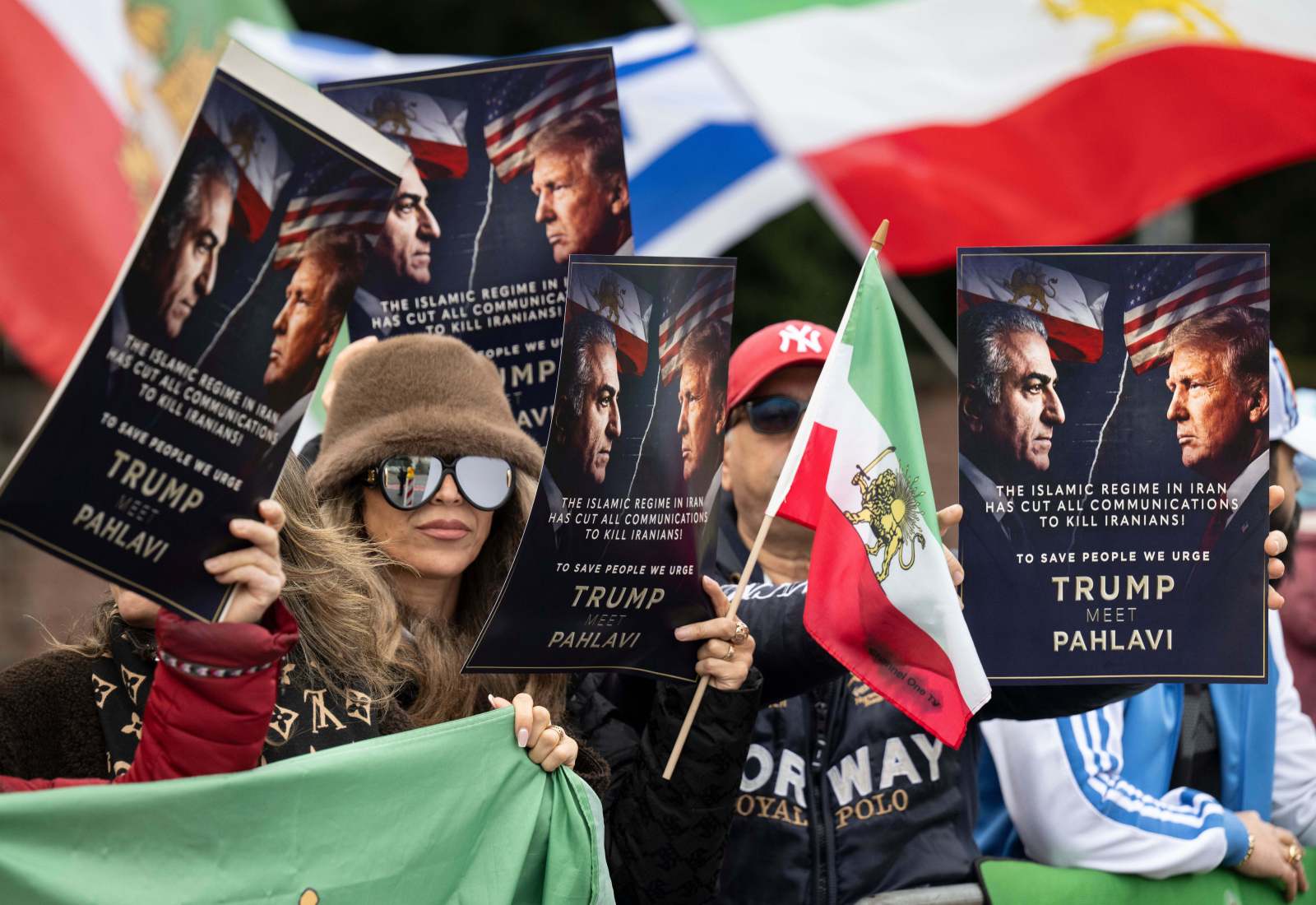
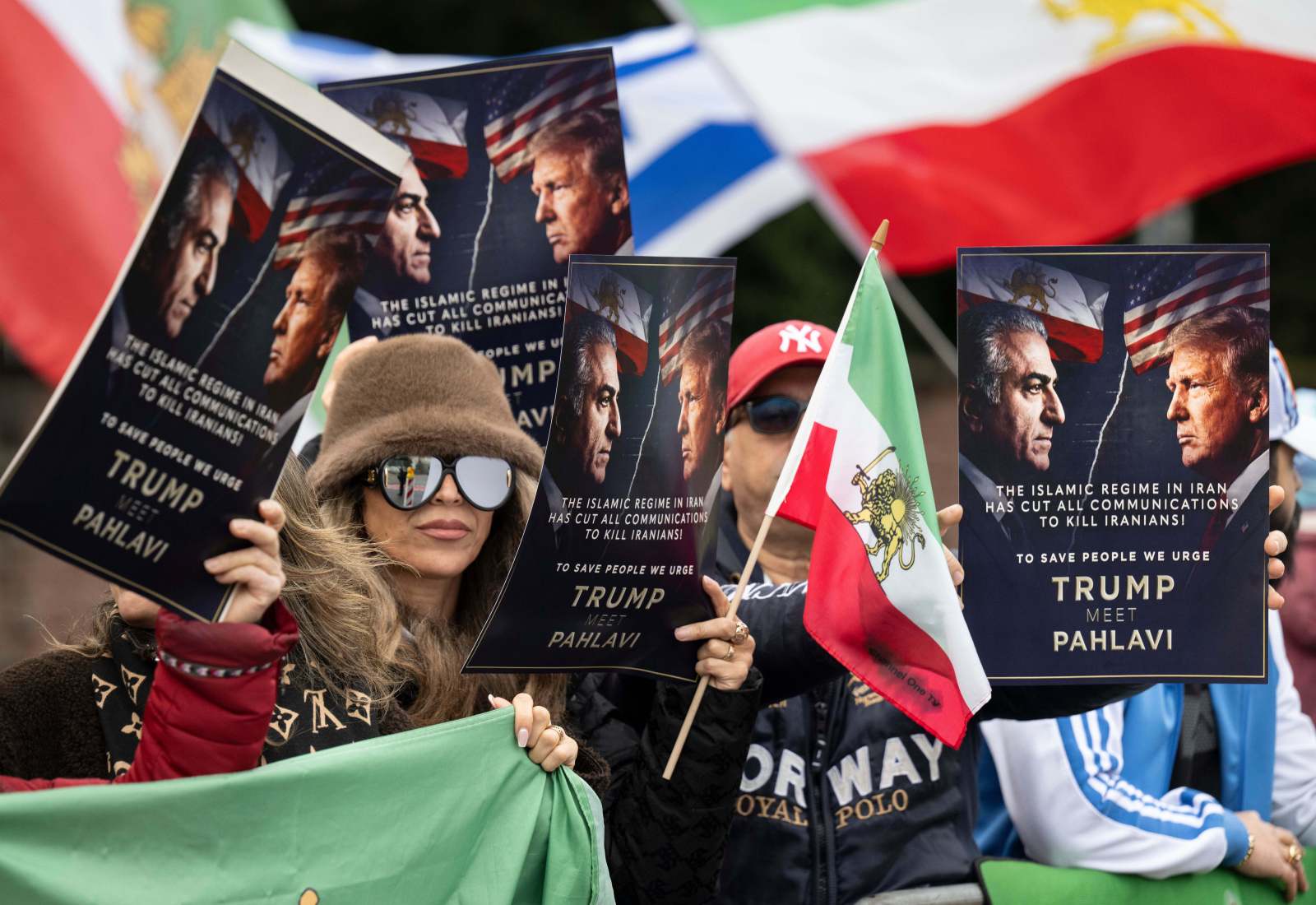
Trump’s Escalatory Threats Prompt Carrier Deployment President Donald Trump posted an ultimatum on Truth Social demanding a “fair and equitable deal – NO NUCLEAR WEAPONS” and warned that any U.S. strike would be “far worse” than the June 2025 attacks [3][4]. He ordered the USS Abraham Lincoln carrier strike group toward the Indian Ocean, describing it as a “massive Armada” [1][4]. Open‑source monitoring confirms that the U.S. now fields a single carrier group plus additional assets, maintaining pressure while limiting surprise [2]. The carrier’s proximity expands Trump’s operational options, from limited airstrikes to broader bombardment [3].
Iran Reverses Stance, Orders Negotiations On 3 February 2026 Iran’s foreign minister was instructed by President Masoud Pezeshkian to open talks with Washington, ending a long‑standing refusal to negotiate [1]. The reversal follows intense internal unrest, a strained economy, and the perception that further U.S. strikes could topple the regime [1]. Analysts view the move as driven by fear of additional “brinkmanship” rather than genuine confidence in diplomatic progress [1]. Tehran’s shift occurs despite Ali Shamkhani’s warning that any U.S. attack would trigger “unprecedented” retaliation [3][4].
Regional Military Posture Shifts Amid Iranian Weakness June 2025 bunker‑buster strikes on three enrichment sites set Iran’s nuclear program back roughly two years, leaving facilities damaged but not destroyed [1]. Israel’s 12‑day campaign later depleted Iranian missile stocks and strained command structures, further weakening the armed forces [2]. The United States responded by moving Patriot batteries and planning THAAD deployments, while conducting multi‑day air‑defense exercises [3]. Saudi Arabia and the United Arab Emirates have denied U.S. use of their airspace, limiting operational corridors [3].
Political and Legal Debate Rages in Washington Republican figures, including Senator Rick Scott and Secretary of State Marco Rubio, endorse Trump’s hard line and cite the presence of up to 40,000 U.S. troops within Iranian missile range [1][4]. Democratic leaders such as Chuck Schumer and John Fetterman call for a congressional debate under the War Powers Act and raise constitutional concerns about unilateral strikes [1]. Reuters reported that Trump is also weighing regime‑change options, adding another layer of controversy [4]. The split underscores the high domestic stakes of any escalation.
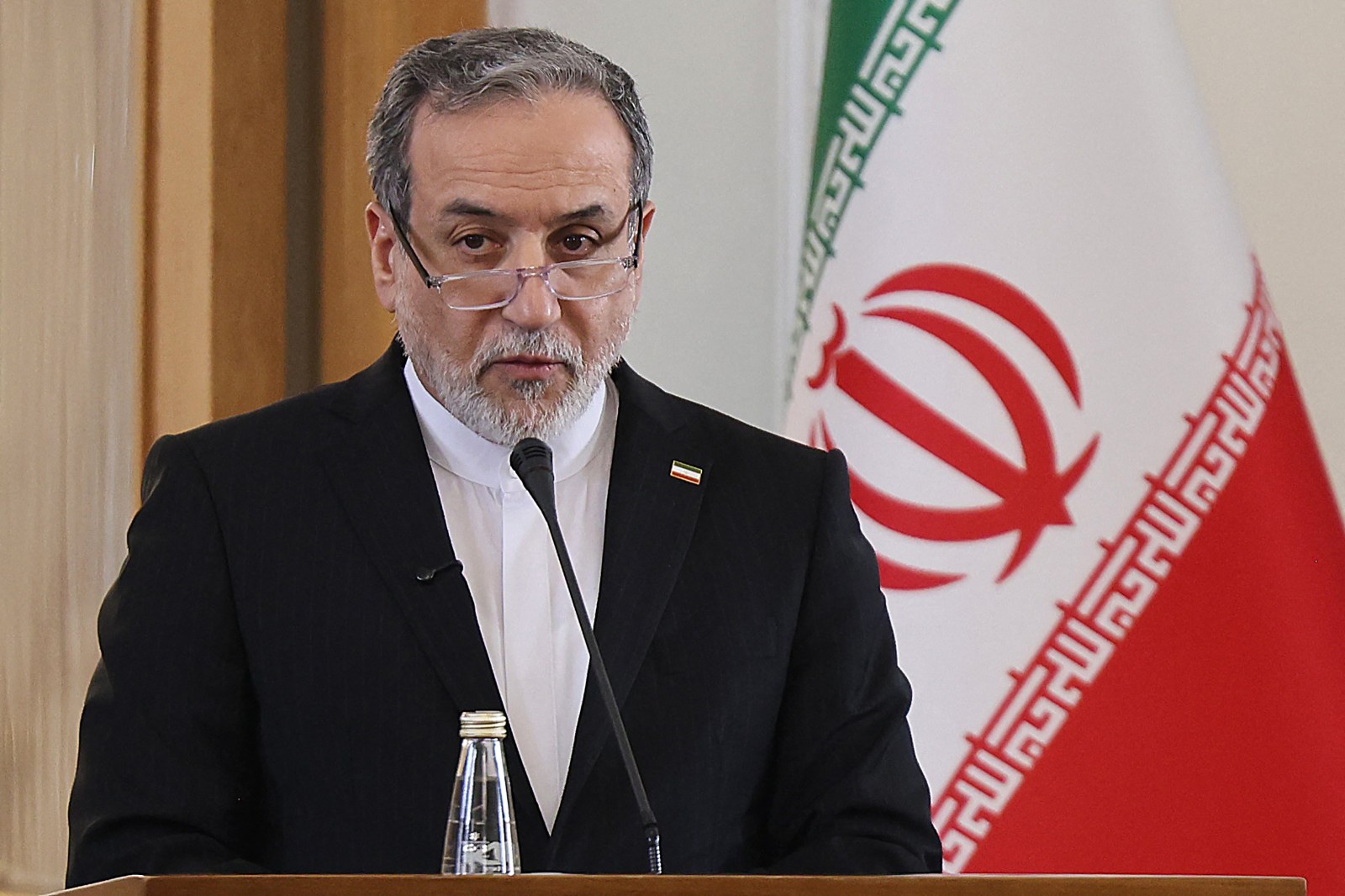
Iranian Retaliation Threats Remain Explicit Ali Shamkhani, senior adviser to Supreme Leader Ayatollah Ali Khamenei, posted on X that a U.S. attack would be “the start of war” and vowed an “unprecedented” response against the U.S., Israel, and their supporters [3][4]. Foreign Minister Abbas Araghchi echoed the warning, stating Iran’s forces have “their fingers on the trigger” and are ready to respond immediately [3][4]. These statements contrast with Tehran’s diplomatic overture, highlighting the regime’s dual track of negotiation and deterrence [1].
Sources
-
1.
Newsweek: Trump’s Nuclear Pressure Prompts Iran to Seek Talks: Details Trump’s carrier “armada,” Republican backing, Democratic war‑powers concerns, and Iran’s internal pressures leading to a negotiation directive .
-
2.
CNN: Trump’s Iran Options Remain Limited Amid Naval Buildup and Regime Weakness: Analyzes the narrowed U.S. strike options, the reduction to one carrier group, and Iran’s weakened missile capabilities after Israel’s campaign .
-
3.
CNN: Trump Considers Major New Strike on Iran Amid Stalled Nuclear Talks: Reports Trump’s renewed threat, carrier movement, deployment of Patriot/THAAD, and Iranian advisers’ retaliation warnings .
-
4.
Newsweek: Iran Threatens Unprecedented Retaliation After Trump Revives Strike Threat: Highlights Ali Shamkhani’s retaliation warning, Rubio’s troop‑range claim, and Reuters’ note on regime‑change considerations .
Timeline
Dec 12, 2025 – President Donald Trump warns that “the United States would attack any new Iranian nuclear facility” if Tehran restarts its program without a deal, citing the June 2025 U.S.–Israeli strikes that destroyed three enrichment sites; he adds that Iran could have avoided the destruction by accepting a deal earlier, while Supreme Leader Ali Khamenei dismisses conflict fears as “enemy propaganda” [9].
Dec 30, 2025 – Iranian President Masoud Pezeshkian posts that “cruel aggression will be met with a harsh and discouraging response,” directly replying to Trump’s renewed strike warnings made during a meeting with Benjamin Netanyahu; foreign minister Abbas Araghchi says Iran’s armed forces have “their fingers on the trigger” and will respond powerfully to any aggression, as protests continue and the central bank chief resigns amid a plunging rial [8].
Dec 31, 2025 – The IRGC advances a chemical‑ and biological‑warhead program for ballistic missiles, accelerating development and potentially altering regional deterrence; Trump warns the United States could back further Israeli strikes if Tehran rebuilds its long‑range missiles, saying “the United States would knock them down if necessary,” while Israeli Prime Minister Netanyahu tells Fox News that Iran’s missile rebuild “will have consequences,” and Iran declares a “full‑scale war” with the West and Israel [7].
Jan 13, 2026 – Trump hints at “very strong options” against Iran after the regime’s crackdown on protesters, while parliamentary speaker Mohammad Bagher Qalibaf declares that all U.S. bases and ships in the region would be legitimate targets if attacked; President Pezeshkian again promises a “harsh and discouraging response” to any U.S. strike; analysts compare U.S. and Iranian defense budgets ($895 bn vs $15.5 bn) and force structures, underscoring U.S. dominance in air, sea and hardware [6].
Jan 15, 2026 – Experts assess that the U.S. weapons stockpile is depleted yet remains powerful, noting that missile munitions have been drawn down for recent campaigns and that rebuilding takes about two years; the Wall Street Journal reports that Trump ordered military assets to be prepared for a potential strike on Iran; FY 2024 U.S. arms sales total $117.9 bn, highlighting the scale of foreign transfers that could affect future readiness [5].
Jan 29, 2026 – Iran’s senior adviser Ali Shamkhani posts that any U.S. attack would be “the start of war” and promises an “unprecedented” response against the U.S., Israel and supporters, calling a limited strike “an illusion” [4]; Trump revives his strike threat on Truth Social, ordering an “armada” led by the carrier USS Abraham Lincoln to move toward the Middle East and schedule drills; Secretary of State Marco Rubio tells a Senate hearing that up to 40,000 U.S. troops sit within Iranian missile range, raising the risk of direct conflict; Iranian foreign minister Abbas Araghchi vows immediate armed response, while parliament speaker Mohammad Bagher Ghalibaf calls for sincere negotiations but warns Trump cannot control the war’s outcome [4].
Jan 29, 2026 – Trump weighs a major new strike after nuclear talks stall, posting on Truth Social a demand for a “fair and equitable deal – NO NUCLEAR WEAPONS” and warning that the next U.S. strike will be “far worse” than the summer attacks; the USS Abraham Lincoln Carrier Strike Group enters the Indian Ocean to support potential strikes and protect allies; the United States moves additional Patriot batteries, plans THAAD deployments, and schedules a multi‑day Air Force exercise to demonstrate dispersed combat sortie generation; Saudi Arabia and the UAE refuse to grant U.S. airspace, while Iran’s foreign minister warns of an immediate, powerful response [2].
Jan 31, 2026 – Trump signals a possible Iran strike for the 19th day, posting “HELP IS ON ITS WAY” after canceling meetings over protester killings; the U.S. naval presence shifts from two carrier strike groups in June to a single carrier group plus tracked assets, limiting surprise but maintaining pressure; Iran’s armed forces remain weakened after Israel’s 12‑day campaign that depleted missile stocks; Trump’s options narrow to precise strikes on IRGC leaders or broader bombardment, while political constraints keep a ground‑force deployment unlikely [1].
Feb 3, 2026 – Iran orders its foreign minister to open U.S. negotiations, marking a stark reversal after years of refusal, as Tehran feels cornered by internal unrest, economic strain and Trump’s “massive Armada” threat posted on Truth Social; analysts note that June 2025 bunker‑buster strikes set Iran’s nuclear program back roughly two years; Republican officials back Trump’s hard line, while Democrats call for a congressional debate under the War Powers Act; the timeline suggests U.S. brinkmanship may have forced Iran’s shift, but miscalculation risks remain [3].
All related articles (10 articles)
-
Newsweek: Trump’s Nuclear Pressure Prompts Iran to Seek Talks
-
CNN: Trump’s Iran Options Remain Limited Amid Naval Buildup and Regime Weakness
-
CNN: Trump Considers Major New Strike on Iran Amid Stalled Nuclear Talks
-
Newsweek: Iran Threatens Unprecedented Retaliation After Trump Revives Strike Threat
-
Newsweek: US weapons stockpile examined amid potential war with Iran
-
Newsweek: Iran's military assessed against US as Tehran vows retaliation amid Trump threats
-
Newsweek: Iran developing chemical and biological warheads for long-range missiles, report says
-
Newsweek: Iran warns of harsh response to any attack after Trump threat
-
AP: Iranian president pledges harsh response to aggression in apparent rebuke to Trump warning
-
Newsweek: Trump Threatens to Strike Iran if It Re‑starts Nuclear Program Without Deal
External resources (1 links)
- https://x.com/alishamkhani_ir/status/2016582565390655585?s=20 (cited 1 times)