New START Treaty Expires Feb 5, 2026 After Trump Ignores Putin’s Extension Offer
Updated (2 articles)
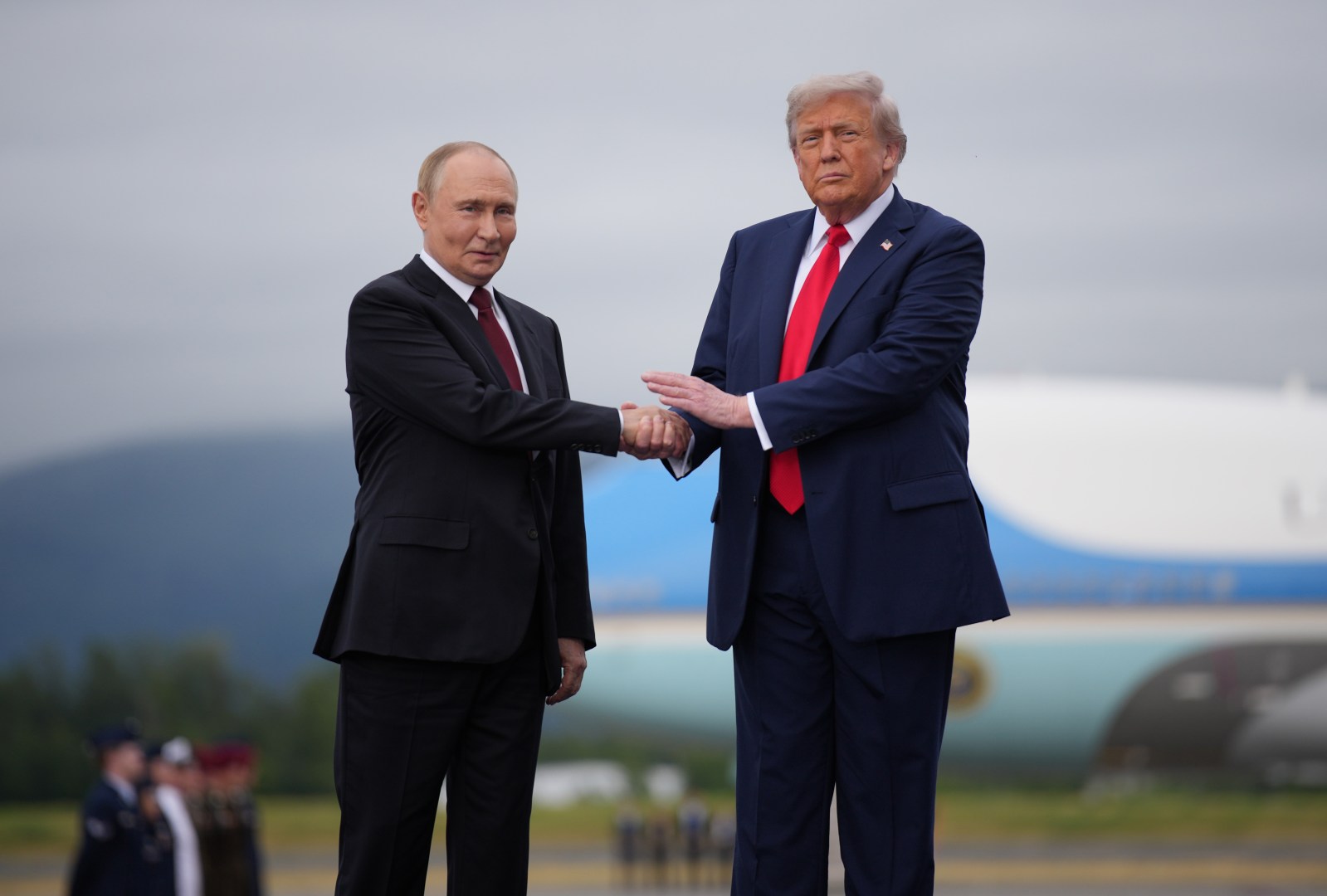
Treaty Expiration Removes Half‑Century Nuclear Caps The New START treaty expired on Thursday, Feb 5, 2026, ending the sole bilateral arms‑control pact that limited the United States and Russia’s strategic arsenals. The agreement had capped each side at 1,550 deployed long‑range warheads, covering ICBMs, SLBMs and strategic bombers. Its lapse removes the only nuclear caps that have existed for more than half a century, leaving both powers without formal limits. [1][2]
Trump Dismisses Expiry and Rejects Putin’s One‑Year Proposal In September 2025, President Vladimir Putin offered an informal one‑year extension of New START. President Donald Trump never responded, later stating “If it expires, it expires…we’ll just do a better agreement.” Trump’s dismissal echoed his earlier January interview remark that the expiry was inevitable and unimportant. [1][2]
Russian Leaders Warn Accelerated Doomsday Clock Former Russian president Dmitry Medvedev warned the lapse could accelerate the Doomsday Clock, signaling heightened existential risk. Kremlin spokesman Dmitry Peskov said U.S. silence on the treaty threatens global security by removing a verification framework. Former NATO deputy secretary‑general Rose Gottemoeller called the expiration a diplomatic win for Putin and a blow to the United States’ image. [1][2]
U.S. Political Landscape Shows Broad Support for New Limits Former President Barack Obama cautioned that the treaty’s end could spark a new arms race and blamed congressional inaction for failing to renew the pact after Russia withdrew in 2023. A YouGov poll released in early February showed 91 % of Americans favor negotiating a replacement agreement, and 85 % of Trump voters support accepting Putin’s extension proposal. The polling data underscores broad domestic demand for renewed limits despite the administration’s low priority. [1]
Washington Plans Future Arms Talks Including China, Revives Battleship Concept The Trump administration has signaled interest in drafting a future arms‑control framework that would include China alongside the United States and Russia. Simultaneously, officials have revived discussion of a “Trump‑class” nuclear‑armed battleship concept, expanding the strategic gap with Russia. These moves indicate a shift toward broader, potentially more destabilizing, security architectures after the New START lapse. [2]
Sources
-
1.
Newsweek: Trump’s Inaction Lets New START Expire, Leaving No Nuclear Caps: Highlights Trump’s refusal to act on Putin’s informal extension, Gottemoeller’s criticism, Medvedev’s Doomsday warning, Obama’s arms‑race alert, and a YouGov poll showing overwhelming public support for renewed limits.
-
2.
CNN: New START Treaty Expires, Signaling Shift in Nuclear Power Balance: Emphasizes the treaty’s expiration, caps details, Trump’s dismissive comment, Medvedev’s Doomsday warning, Kremlin’s security concerns, and U.S. intent to bring China into future agreements while reconsidering nuclear‑armed battleships.
Timeline
2010 – The Strategic Arms Reduction Treaty (New START) is signed, capping each side at 1,550 deployed long‑range nuclear warheads and establishing parity across ICBMs, SLBMs and strategic bombers [1].
2023 – Russia formally withdraws from New START, ending its participation in the last remaining bilateral nuclear‑arms‑control framework [2].
Sep 2025 – President Putin proposes an informal one‑year extension of New START, but President Trump does not respond, later dismissing the lapse as inevitable [2].
Jan 2026 – Trump tells reporters “If it expires, it expires…we’ll just do a better agreement,” downplaying the security impact of the treaty’s end [1][2].
Feb 4, 2026 – New START expires, removing the sole limits on the United States’ and Russia’s strategic nuclear arsenals for the first time in over 50 years [1][2].
Feb 4, 2026 – Former Russian President Dmitry Medvedev warns the expiry could accelerate the Doomsday Clock, heightening global existential risk [1][2].
Feb 4, 2026 – Kremlin spokesman Dmitry Peskov says U.S. silence on a replacement treaty threatens global security, stressing the need for verification mechanisms [1].
Feb 4, 2026 – The U.S. administration signals a desire to craft future arms‑control agreements that include China and revives the “Trump‑class” nuclear‑armed battleship concept, widening the strategic gap with Russia [1].
Feb 5, 2026 – Former NATO deputy secretary‑general Rose Gottemoeller declares the lapse a diplomatic win for Putin and a blow to the United States’ image [2].
Feb 5, 2026 – Former President Barack Obama cautions that the treaty’s end could spark a new arms race, blaming congressional inaction for stalling a replacement [2].
Feb 5, 2026 – A YouGov poll finds 91 % of Americans support negotiating a new nuclear‑limits treaty and 85 % of Trump voters back accepting Putin’s proposal to maintain New START caps [2].
2026 onward – The United States plans to negotiate a new arms‑control agreement that could involve China, aiming to restore strategic nuclear caps and stabilize the bilateral balance [1].