Iran Protesters Receive Secret Home Medical Care as Hospitals Targeted by Police
Updated (8 articles)
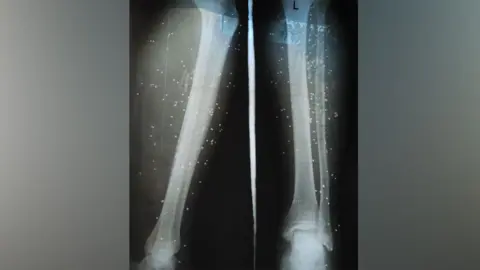
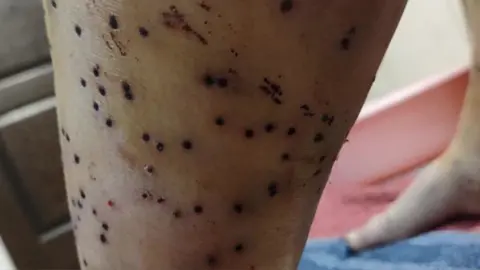
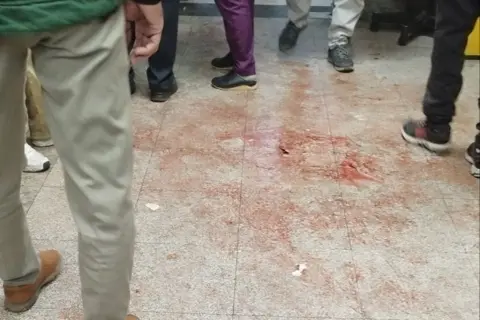
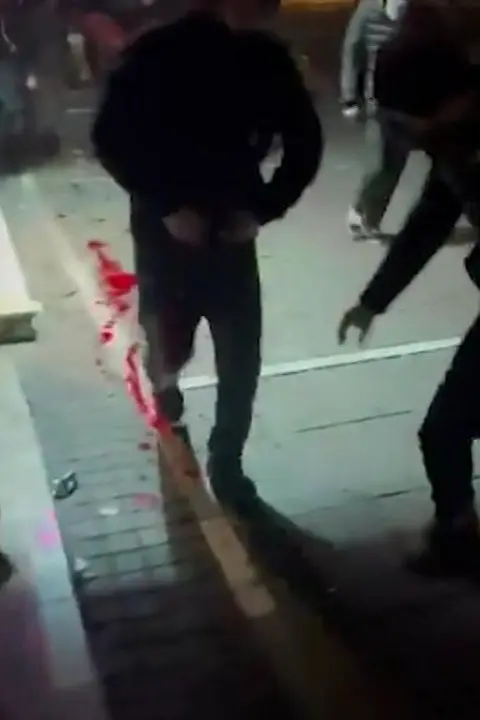
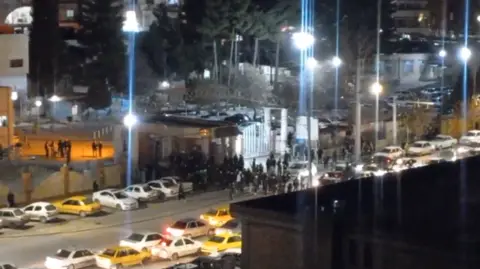
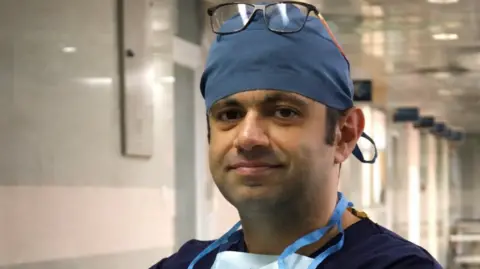
Clandestine Home Treatment Replaces Hospital Care Protesters shot with bird‑shot in Isfahan fled to a stranger’s car and refused hospital admission, fearing police identification of injuries [1]. Doctors and volunteers entered private homes to clean wounds and perform surgeries, including a surgeon who removed pellets at dawn [1]. Security forces routinely monitor hospital records, prompting medics to hide patients’ treatment from authorities [1].
Casualty Figures Diverge Between Government and Rights Groups HRANA documented 6,301 killings—including 5,925 protesters, 112 children, and 50 by‑standers—and at least 11,000 serious injuries during the month‑long crackdown [1]. The Iranian health ministry reported roughly 13,000 surgeries and claimed over 3,100 deaths, mostly security personnel or by‑standers [1]. Norway‑based IHR warned the death toll could exceed 25,000, while officials continue to dispute the higher figures [2].
Medical Personnel Endure Arrests and Exhaustive Operations Tehran surgeon Nima worked nonstop for 96 hours after the 8 January attacks, transporting patients in his car’s boot and performing amputations without sleep [1]. At least five doctors and a volunteer responder were arrested, and surgeon Dr Alireza Golchini was beaten and detained on “moharebeh” charges, a crime punishable by death [1]. Medical volunteers risk intimidation and imprisonment to provide clandestine care [1].
Visual Evidence Shows Mass Mortuary and Armed Snipers BBC Verify footage confirmed at least 31 bodies inside Tehranpars hospital mortuary and seven body bags outside, indicating a large casualty surge on 8‑9 January [2]. Separate video captured two men on a Mashhad rooftop with a large rifle, confirming the presence of armed security snipers [2]. Another clip showed a protester repeatedly striking a CCTV camera until it broke, illustrating active attempts to evade state surveillance [2].
Protests Persist Across 71 Towns Despite Internet Blackout An internet shutdown began on 8 January, yet demonstrations spread to 71 locations, with participants accessing limited video transmission via SpaceX’s Starlink satellites and VPNs [2]. The blackout did not stop thousands from gathering after exiled heir Reza Pahlavi’s call for nationwide protests, which turned the nights of 8‑9 January into the deadliest so far [2]. Crowds continued to mobilize despite state efforts to suppress communication [2].
Sources
-
1.
BBC: Iran protesters receive secret medical care as hospitals become police targets: Highlights home‑based treatment, clandestine doctors, surgeon Nima’s 96‑hour operation, and arrests of medics, emphasizing state repression of medical aid.
-
2.
BBC: Iran videos expose hospital mortuary bodies, rooftop snipers and CCTV sabotage: Presents video proof of dozens of bodies in Tehranpars mortuary, Mashhad snipers, camera destruction, and spread of protests to 71 towns during internet blackout.
Timeline
Dec 28, 2025 – Protests erupt in Tehran’s bazaars over soaring inflation, quickly spreading to more than 100 cities and marking the broadest sustained challenge to the regime since the 2022 Mahsa Amini uprising, as citizens chant against economic hardship and political repression [8][6].
Jan 8, 2026 – Exiled heir Reza Pahlavi urges nationwide demonstrations; thousands flood streets across Iran, and security forces open fire, creating the deadliest protest night recorded so far, with video footage capturing gunshots and screaming crowds [2][3].
Jan 9, 2026 – Mortuary records show over 100 victims dated 9 January, confirming the scale of casualties from the previous night’s clashes; families gather around screens at Kahrizak Forensic Medical Centre to identify loved ones amid the grim tally [3][5].
Jan 10, 2026 – Inside Kahrizak Forensic Medical Centre, activist Vahid films the interior, counting at least 186 bodies in a five‑minute clip and describing the scene as “the apocalypse,” while hospitals across Tehran report emergency rooms overwhelmed by gunshot and pellet injuries and a full morgue at Rasht demanding 7 billion rials for releases [5][6].
Jan 11, 2026 – Protesters recount seeing “bodies piled up on each other” in a Tehran hospital, describing chaotic medical response and HRANA’s tally of 116 deaths and 2,638 arrests as demonstrations enter a second week [8][6].
Jan 12, 2026 – A makeshift morgue at Kahrizak holds roughly 250 bodies, with families gathering to identify victims; state media blame “rioters” for the deaths, while rights groups point to security‑force responsibility [7].
Jan 14, 2026 – Vahid releases additional mortuary footage showing nearly 200 bodies across courtyards and warehouses, reinforcing HRANA’s estimate of more than 2,500 protest‑related deaths and highlighting injuries on victims as young as 16 [5].
Jan 15, 2026 – Families report authorities demand exorbitant sums—700 million tomans in Rasht and up to 1 billion tomans for a Kurdish worker’s body—to release corpses, prompting some relatives to break into mortuaries and guard bodies themselves; HRANA records 2,435 protesters killed to date [4].
Jan 21, 2026 – Leaked photographs from Kahrizak allow BBC Verify to identify 326 victims, including 18 women, with date stamps confirming many died on 9 January; families use bank cards and facial features to recognize the dead amid ongoing internet blackouts [3].
Jan 26, 2026 – Verified videos expose a mortuary with at least 31 bodies and seven body bags, rooftop snipers in Mashhad, and crowds disabling CCTV cameras, illustrating coordinated security presence; HRANA’s investigation now covers nearly 6,000 killings while officials maintain the death toll is around 3,100 [2].
Jan 28, 2026 – Doctors and volunteers treat wounded protesters clandestinely at homes to avoid police raids; surgeon Nima works nonstop for 96 hours after the 8 January attacks, saying “I load the wounded into my car’s boot,” while the health ministry claims 13,000 surgeries have been performed and several medics face arrest on “moharebeh” charges [1].
All related articles (8 articles)
-
BBC: Iran protesters receive secret medical care as hospitals become police targets
-
BBC: Iran videos expose hospital mortuary bodies, rooftop snipers and CCTV sabotage
-
BBC: Leaked photos reveal hundreds killed in Iran crackdown
-
BBC: Iran protests: families report authorities demand large sums for returning bodies
-
BBC: Tehran mortuary videos reveal brutality of Iran crackdown
-
CNN: Morgue Overload Highlights Toll of Iran's Crackdown on Dissent
-
CNN: Tehran protesters describe seeing bodies in hospitals as crackdown intensifies
-
BBC: Iranian hospitals overwhelmed as protests expand with dead and injured