Mélenchon Reaffirms Support for Jeune Garde at Digital Press Conference During Deranque Murder Probe
Updated (3 articles)
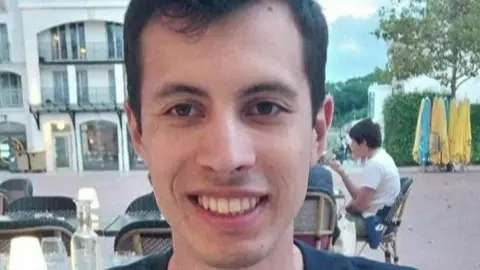
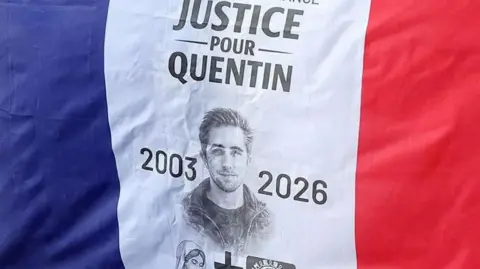
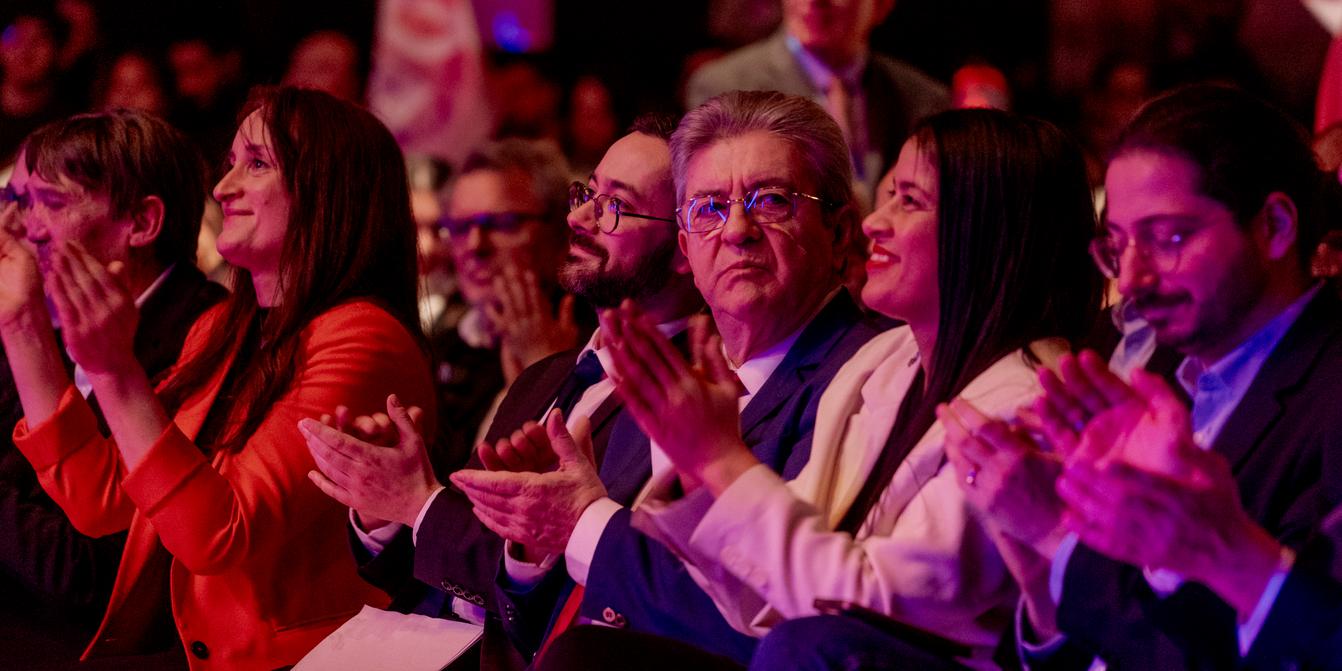
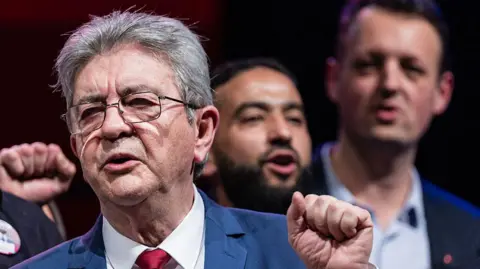
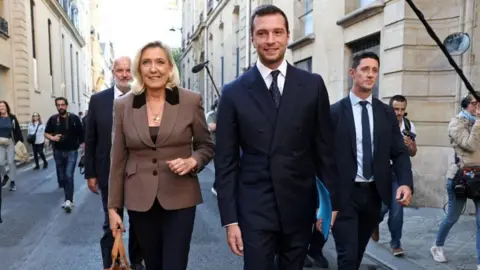
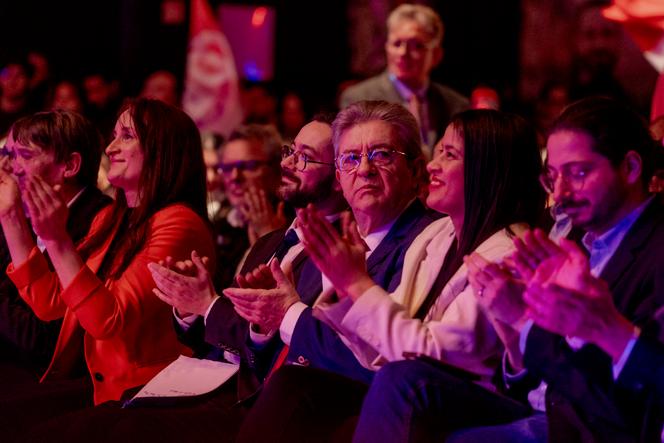
Press Conference Confirms Mélenchon’s Endorsement On 23 February, Jean‑Luc Mélenchon addressed a “new media” audience at La Fabrique in Paris’s 10th arrondissement, publicly reiterating his backing of the Jeune Garde and describing the group as fully aligned with La France Insoumise’s programme [1]. The briefing was limited to digital creators and influencers, and mainstream outlets such as France Info, AFP, TF1, Libération and L’Express were denied accreditation, while Le Monde’s request went unanswered [1]. Mélenchon’s statement came as the party faced mounting pressure over the February 14 killing of far‑right activist Quentin Deranque [1].
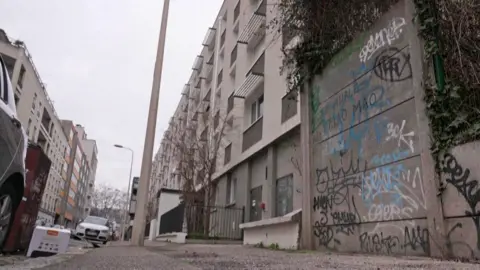
Deranque Killing Links Jeune Garde to Violence Quentin Deranque, a 23‑year‑old nationalist student, died on 14 February after being beaten and kicked in the head by masked assailants during a protest in Lyon [2][3]. Police have identified all nine detained suspects as members or affiliates of the outlawed Jeune Garde, including parliamentary aide Jacques‑Elie Favrot, who faces charges of “complicity to murder by instigation” [2][3]. Prosecutor Thierry Dran reported that at least six attackers inflicted the fatal skull injuries, confirming the group’s direct involvement in the homicide [3].
Political Fallout Threatens Left‑Right Cordons The murder has ignited a crisis for France’s far‑left, with analysts warning that LFI could become the new political pariah, destabilising the long‑standing cordon sanitaire that isolates the far right [2]. Commentators such as Guillaume Tabard (Le Figaro) claim the incident benefits the National Rally, while former prime minister Dominique de Villepin warns it creates a “corridor of respectability” for extremist forces [2]. Mélenchon condemned the violence but stopped short of denouncing the Jeune Garde or suspending its founder Raphaël Arnault, leaving mainstream left parties in a tactical dilemma [2].
Legal and Media Access Issues Escalate Nine arrests, including the parliamentary assistant to LFI deputy Raphaël Arnault, underscore the legal pressure on the party ahead of the 2027 presidential race [3]. The state prosecutor’s briefing highlighted the severity of the attack and the involvement of multiple Jeune Garde militants [3]. Simultaneously, the refusal of accreditation to major news organisations at Mélenchon’s press event raises concerns about transparency and media freedom in covering the unfolding scandal [1].
Sources
-
1.
Le Monde: Mélenchon Reaffirms Backing of Jeune Garde at Selective Digital Media Press Conference – Details Mélenchon’s endorsement, the exclusive “new media” press briefing on 23 Feb, and the party’s scrutiny over Deranque’s death, while noting media accreditation denials .
-
2.
BBC: Killing of nationalist student sparks political crisis for France’s far left – Describes Deranque’s fatal attack on 12 Feb, links all suspects to the banned Jeune Garde, outlines the political ramifications for LFI and the broader left‑right alliance .
-
3.
BBC: Nine Arrested in France After Murder of Far‑Right Student Sparks Political Fallout – Reports nine detentions including an LFI aide, prosecutor statements on the lethal injuries, and Mélenchon’s denial of party involvement, emphasizing legal fallout .
Related Tickers
Timeline
2025 – French authorities officially dissolve the far‑left security outfit La Jeune Garde, the former protection wing of La France Insoumise, after investigations into extremist activities [3].
2025 – The government also bans the predecessor LFI security group, extending the legal “cordon sanitaire” that isolates extremist factions from mainstream politics [1].
Feb 12, 2026 – Quentin Deranque, a 23‑year‑old nationalist maths student, is attacked by masked men while protecting far‑right feminists at a Sciences‑Po demonstration in Lyon; mobile‑phone footage shows repeated kicking and punching to his head [1][2].
Feb 14, 2026 – Deranque succumbs to fatal skull injuries in hospital two days after the assault, with prosecutor Thierry Dran stating that at least six attackers caused the lethal damage [2].
Feb 17, 2026 – Police detain nine suspects, including parliamentary aide Jacques‑Elie Favrot who worked for LFI deputy Raphaël Arnault; authorities link all detainees to the outlawed Jeune Garde and charge them with murder and complicity [2].
Feb 21, 2026 – About 3,000 participants—from traditionalist Catholics to neo‑fascist groups—gather in Lyon to commemorate Deranque; the rally is tightly policed and notably excludes the National Rally, highlighting shifting alliances ahead of municipal elections [1].
Feb 21, 2026 – Commentators warn the killing threatens France’s long‑standing cordon sanitaire, with Le Figaro’s Guillaume Tabard calling the fallout a “godsend” for the RN and former PM Dominique de Villepin warning it creates a “corridor of respectability” for the far right [1].
Feb 23, 2026 – Jean‑Luc Mélenchon holds a digital‑media press conference at La Fabrique, publicly reaffirming his backing of the Jeune Garde despite its 2025 dissolution and the ongoing investigation, while mainstream outlets are denied accreditation [3].
Later 2026 – Municipal elections scheduled across France will test the stability of left‑right alliances as parties navigate the fallout from the Deranque case and the potential erosion of the cordon sanitaire [1].
2027 – The French presidential election looms, with analysts noting that the Deranque murder could reshape voter perceptions of LFI and influence the race’s dynamics [1].