Russians Still Lead South Korea Asylum Applications in 2025 Despite Sharp Drop
Updated (5 articles)
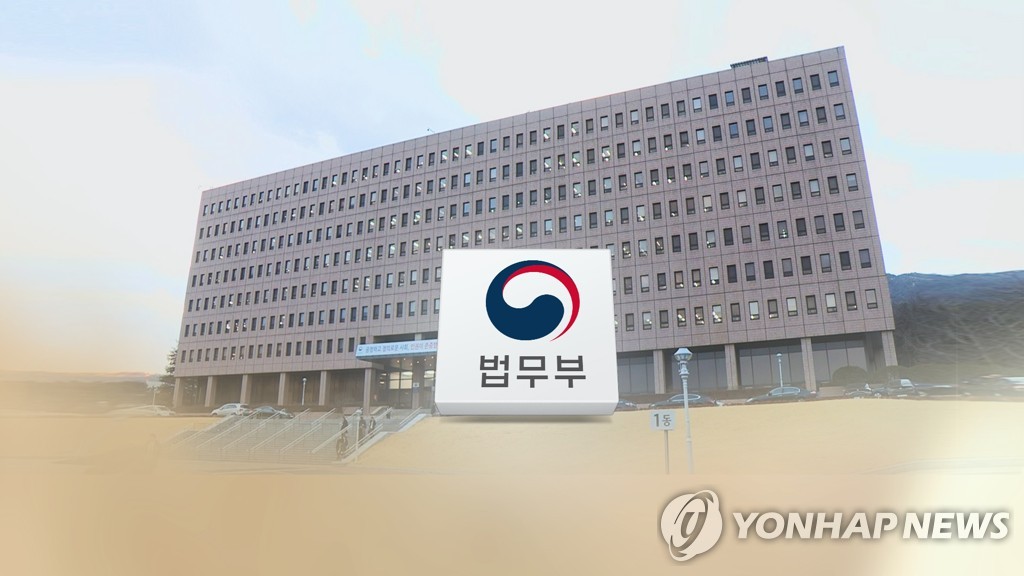
Russian Applicants Remain Largest Group in 2025 In 2025, 2,026 Russian nationals filed asylum claims, accounting for 13.8 % of the 14,626 total applications recorded by the justice ministry. This marks the third consecutive year Russians have held the top share among all nationalities seeking refuge in South Korea. Their dominance persists despite an overall decline in the total applicant pool compared with previous years[1].
Application Numbers Fell Sharply From 2024 The Russian applicant count dropped dramatically from 4,546 in 2024 to 2,026 in 2025, a reduction of more than 55 %. The previous year’s surge followed a five‑fold increase in 2023, when 5,750 Russians applied after Moscow’s 2022 invasion of Ukraine. Officials attribute the 2025 decline to the war’s continuation and heightened conscription pressures[1].
No Russian Asylum Seekers Granted Refugee Status Despite the high volume of Russian filings, none received refugee recognition in 2025. South Korea granted refugee status to only 135 individuals overall, including 75 Burmese nationals. The ministry linked the lack of approvals for Russians to the ongoing conflict and the perception of conscription risk[1].
Overall Recognition Rate Remains Low Since 1992 Since joining the UN Refugee Convention in 1992 and beginning registrations in 1994, South Korea has recognized just 1,679 refugees, yielding a 2.7 % acceptance rate. The low approval figure underscores the country’s historically stringent refugee policy. The 2025 data continue this long‑term trend of limited recognitions[1].
Indians and Kazakhs Follow Russia in Applicant Rankings The second‑largest group comprised 1,462 Indian applicants, while Kazakh nationals submitted 1,216 claims, together representing a smaller share of the total pool. Their numbers illustrate a diversified asylum landscape beyond the Russian majority. The ministry’s data highlight these groups as the only other nationalities approaching significant share levels[1].
Timeline
1992 – South Korea joins the UN Refugee Convention, establishing the legal basis for refugee protection, yet recognises only 1,679 refugees (a 2.7 % recognition rate) since 1994, reflecting historically low acceptance [1].
1994 – The country begins formally registering asylum seekers, creating the data foundation for future refugee statistics [1].
2020 – Naturalizations peak at 13,885 foreign nationals obtaining Korean citizenship, the highest on record before a dip in the following years [2].
2021 – Foreigners staying 90 days or longer total 1.1 million, marking the start of a steady upward trend in long‑term foreign residency [3].
2021‑2022 – Naturalization numbers fall to around 10,000 per year, indicating a temporary slowdown after the 2020 peak [2].
2023 – Russian asylum applications surge fivefold to 5,750 after Moscow’s invasion of Ukraine, illustrating the conflict’s spillover into migration patterns [1]; foreign long‑term residents rise to 1.3 million, continuing growth [3]; naturalizations climb to 10,346, showing recovery [2].
2024 – Russian asylum applications decline to 4,546, yet Russia remains the top nationality for asylum seekers [1]; naturalizations reach 11,008, the highest since the pandemic’s onset [2]; the first registration‑based census reports migrants at 2.72 million (5.2 % of the total population) [5].
Nov 1, 2024 – Migrants comprise 5.2 % of South Korea’s population, with 2.72 million people of migration background; 75.2 % are foreign nationals and 57 % reside in the greater Seoul area [5].
May 2025 – Total foreigners aged 15 or older living in Korea reach 1.69 million, up 8.4 % year‑on‑year, indicating an expanding migrant labor pool [4].
2025 – Foreign workers employed hit a record 1.1 million, a 9.8 % increase from 2024 and the highest since data collection began in 2017, underscoring Korea’s reliance on migrant labor [4].
2025 – International students employed rise to 56,000, a 71.8 % jump, reflecting policies to attract overseas students and the growing popularity of Korean culture [4].
2025 – Chinese nationals account for 29.8 % of long‑term foreign residents and Vietnamese 18.4 %, shaping the demographic composition of the 1.6 million foreigners staying 90 days or more as of November 2025 [3].
Nov 2025 – Foreigners staying 90 days or longer exceed 1.6 million, an 8 % increase from the previous year, with 54 % concentrated in the greater Seoul area, highlighting urban concentration of migrant communities [3].
2025 – Russian asylum applications drop sharply to 2,026, representing 13.8 % of 14,626 total applicants and marking the third consecutive year Russia leads the nationality ranking; none receive refugee status, illustrating strict adjudication [1].
2025 – 11,344 foreign nationals obtain Korean citizenship, the highest post‑pandemic figure, driven largely by Chinese applicants (56.5 % of new citizens); citizenship regain numbers rise to 4,037 and renunciations fall 5.6 % to 25,002, indicating stronger retention [2].
2025 – 18,623 foreign nationals apply for naturalization, showing sustained demand for Korean citizenship despite a competitive process [2].
All related articles (5 articles)
-
Yonhap: Russians Remain Top Asylum Applicants in South Korea in 2025 Amid Decline
-
Yonhap: South Korea’s Naturalization Numbers Rise Above 11,000 in 2025
-
Yonhap: Foreigners staying 90+ days in South Korea exceed 1.6 million in November, concentrated in Seoul area
-
Yonhap: Record 1.1 million foreign workers employed in South Korea in 2025
-
Yonhap: South Korea’s Migrant Population Exceeds 5% of Total in 2024