Trump’s Urban Approval Rises to 40% in Late‑January Fox News Survey
Updated (3 articles)
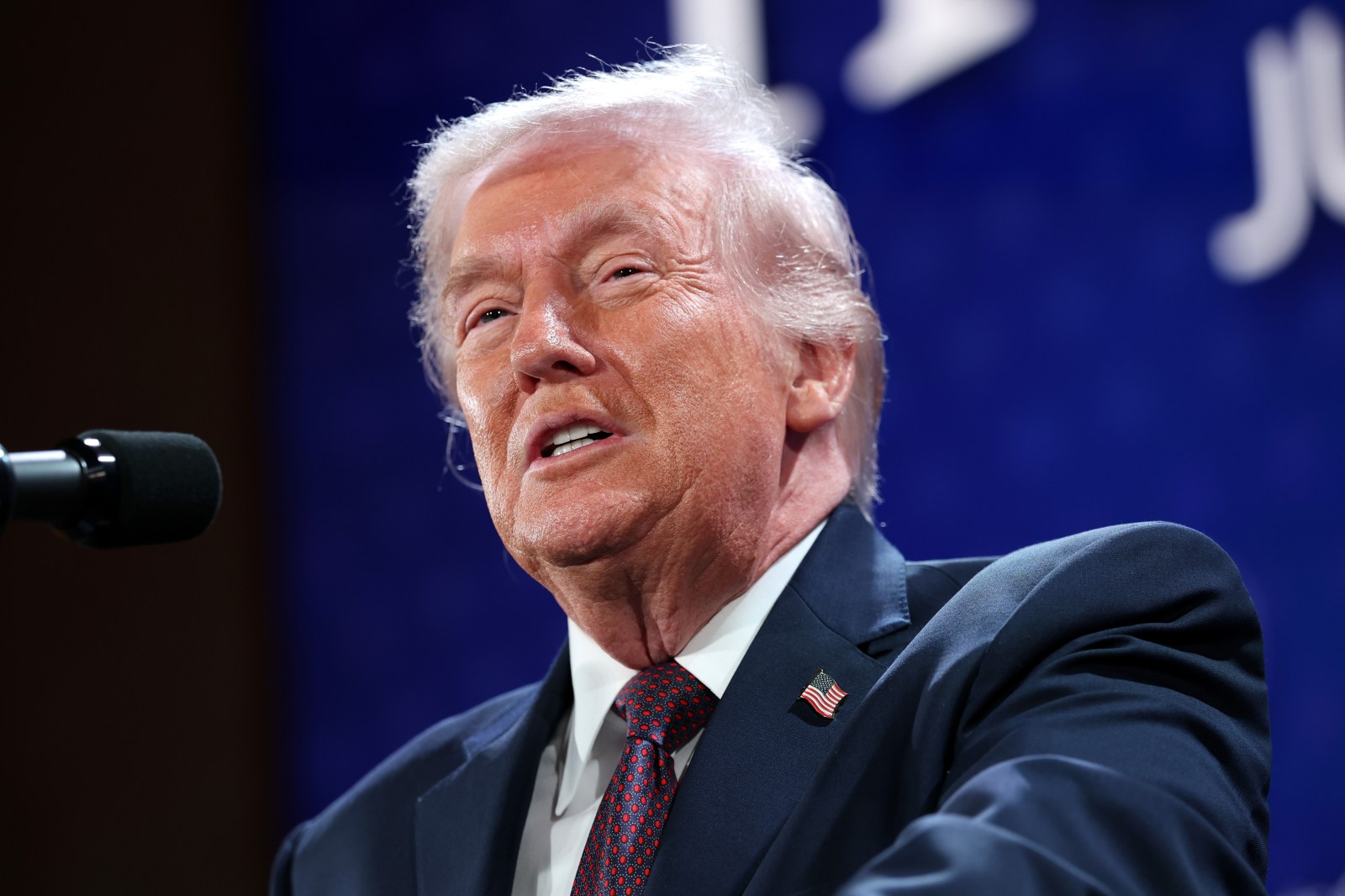
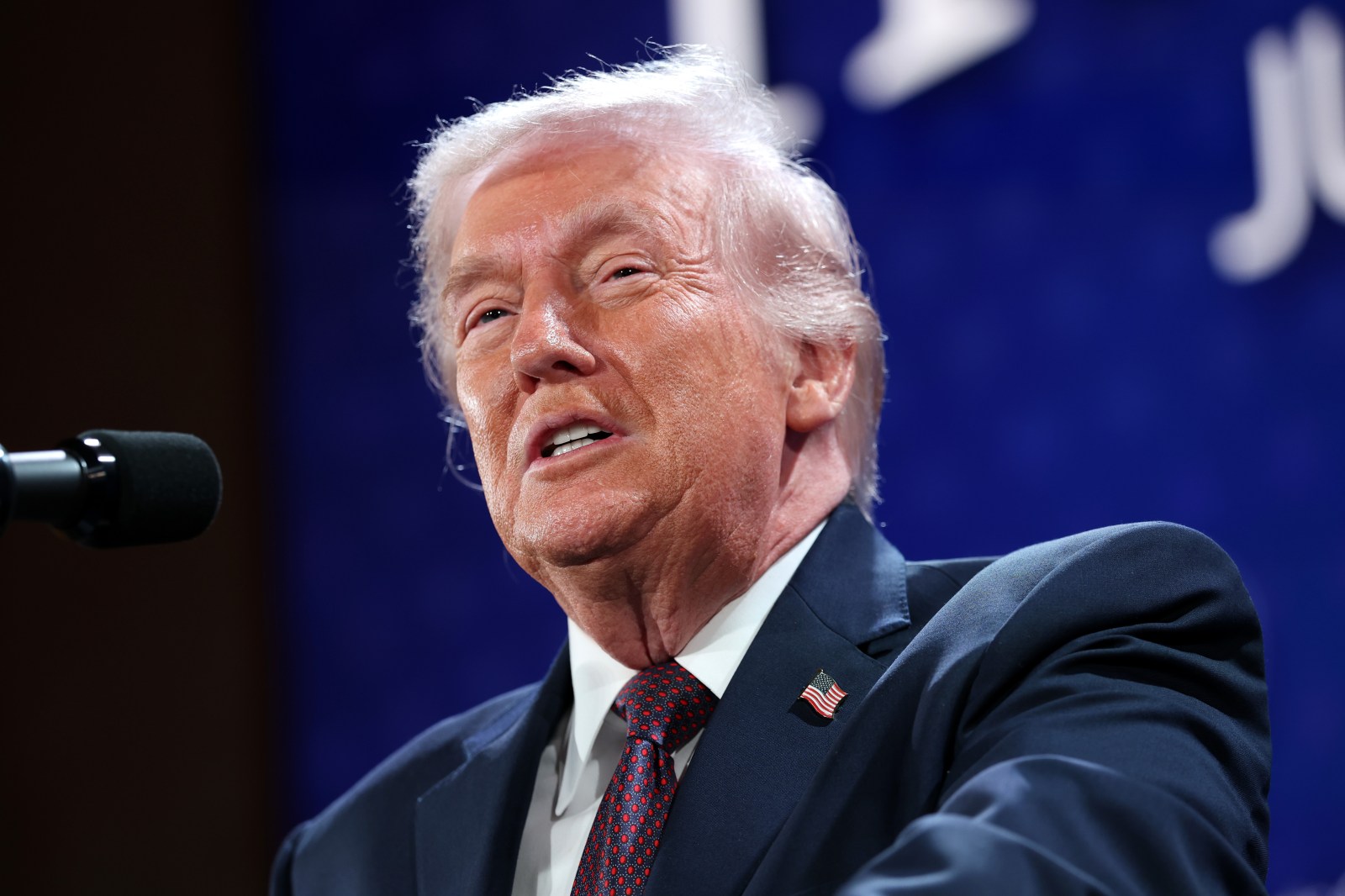
Urban Approval Climbs to 40% in Late‑January Poll The Fox News poll conducted January 23‑26 2026 surveyed 1,005 registered voters and recorded Trump’s job approval among city dwellers at 40 %, up from 34 % in the December 12‑15 2025 poll [1]. Disapproval among urban respondents fell to 60 % from 66 % over the same period [1]. The survey’s margin of error was ±3 percentage points, making the shift statistically notable [1].
National Approval Remains Steady at 44% Across the same January sample, overall national approval held at 44 %, indicating the urban increase did not affect the broader electorate [1]. Urban voters comprised a small subgroup within the total sample, limiting their impact on the aggregate figure [1]. Both polls used identical firms—Beacon Research and Shaw & Company—and comparable weighting methods [1].
Methodology Mirrors Prior Survey for Direct Comparison Respondents were randomly selected from a national voter file and interviewed via landlines, cellphones, and online links, ensuring at least 100 urban participants for reliable subgroup analysis [1]. Weighting adjusted for age, race, education, and region, allowing shifts in urban sentiment to be tracked over time [1]. The consistent approach enables direct comparison between the December baseline and the January results [1].
Political Reactions Highlight Strategic Implications Republican pollster Daron Shaw warned that despite the urban gain, Trump still faces “virtually unanimous” Democratic opposition [1]. White House spokesperson Kush Desai cited cooling inflation and job growth as reasons for the improved urban sentiment [1]. Trump attacked the poll on Jan 22, calling it a “Polling SCAM” and urging criminal penalties for “Fake and Fraudulent Polling” [1].
Timeline
2017 – Trump’s approval in California never reaches 40%, fluctuating between 27 % and 39 % among likely voters, establishing a long‑standing Democratic dominance in the state [3].
Nov 2025 – Quantus Insights records urban approval at 37 % and disapproval at 60 %, providing the baseline for the December surge [2].
Nov 13‑19, 2025 – The PPIC statewide survey finds 34 % of California likely voters approve of Trump, while 55 % disapprove, confirming the state’s low support level [3].
Dec 12‑15, 2025 – A Fox News poll shows urban approval at 34 % and disapproval at 66 %, establishing the reference point for the January gain [1].
Dec 2025 – Urban approval climbs to 43 % and disapproval drops to 53 %; strong disapproval falls to 42 %; 36 % of respondents cite cost of living as their top problem, and Trump’s tariff and urban immigration enforcement policies appear to boost his city support [2].
Jan 22, 2026 – Trump posts on Truth Social, “Fake and Fraudulent Polling should be, virtually, a criminal offense,” and calls the Fox survey a “Polling SCAM” [1].
Jan 23‑26, 2026 – The Fox News poll records urban approval at 40 % (up from 34 %) and disapproval at 60 %; national approval holds steady at 44 %; Republican pollster Daron Shaw warns of “virtually unanimous” Democratic opposition, while White House spokesperson Kush Desai credits cooling inflation and job growth for the urban uptick [1].
2026 onward – Analysts expect tariffs, city‑specific immigration enforcement, and inflation debates to keep urban approval volatile through the upcoming midterm election cycle [2].
All related articles (3 articles)
External resources (5 links)
- https://static.foxnews.com/foxnews.com/content/uploads/2025/12/fox_december-12-15-2025_complete_national_cross-tabs_december-19-release.pdf (cited 1 times)
- https://static.foxnews.com/foxnews.com/content/uploads/2026/01/fox_january-23-26-2026_national_cross-tabs_january-28-release.pdf (cited 1 times)
- https://static.foxnews.com/foxnews.com/content/uploads/2026/01/fox_january-23-26_national_topline_january-28-release.pdf (cited 1 times)
- https://www.nytimes.com/2025/12/11/opinion/trump-approval-rating-affordability.html (cited 1 times)