Extreme Cold Warnings Sweep Five States as Record Arctic Air Hits Florida
Updated (4 articles)
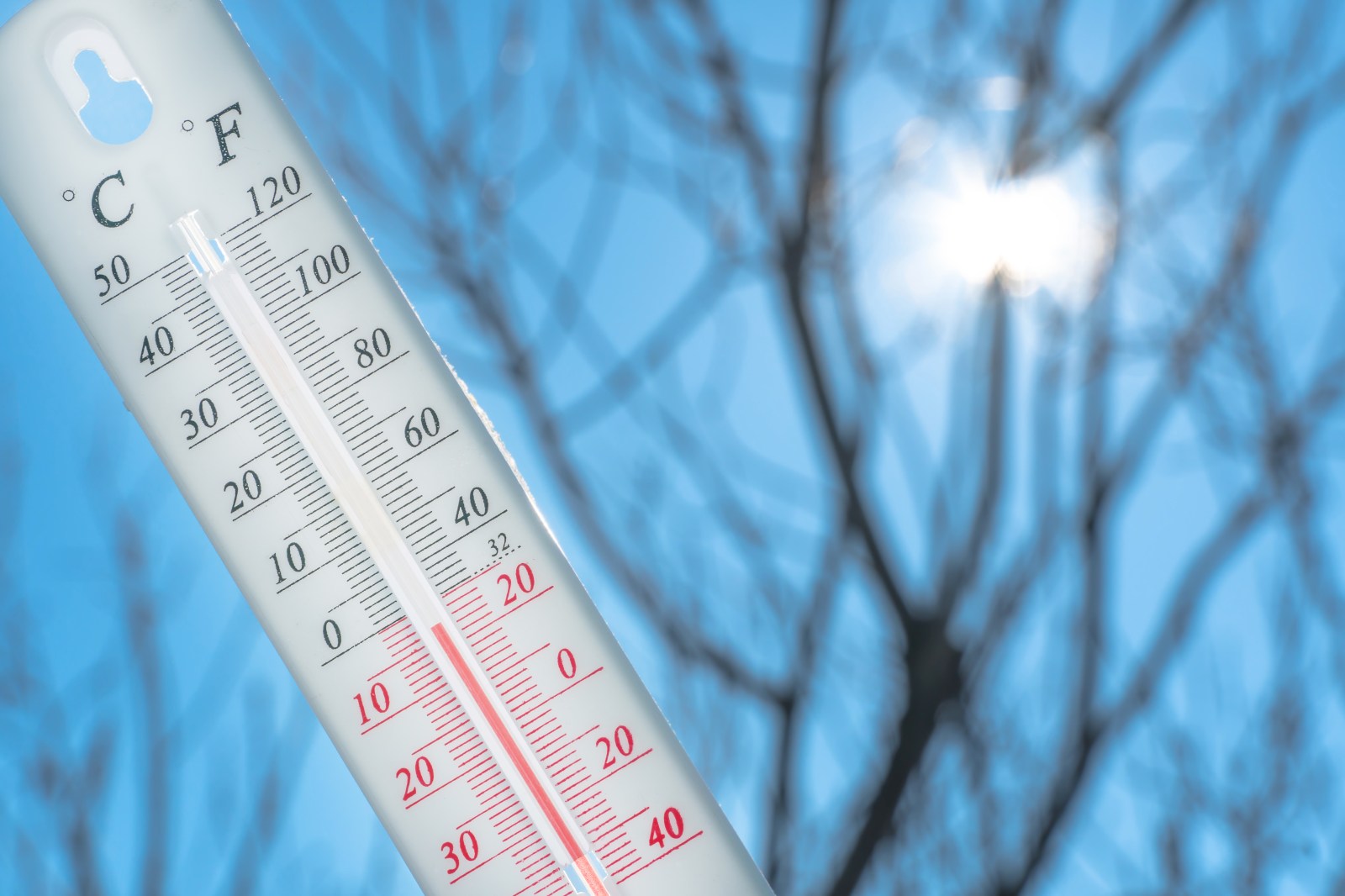
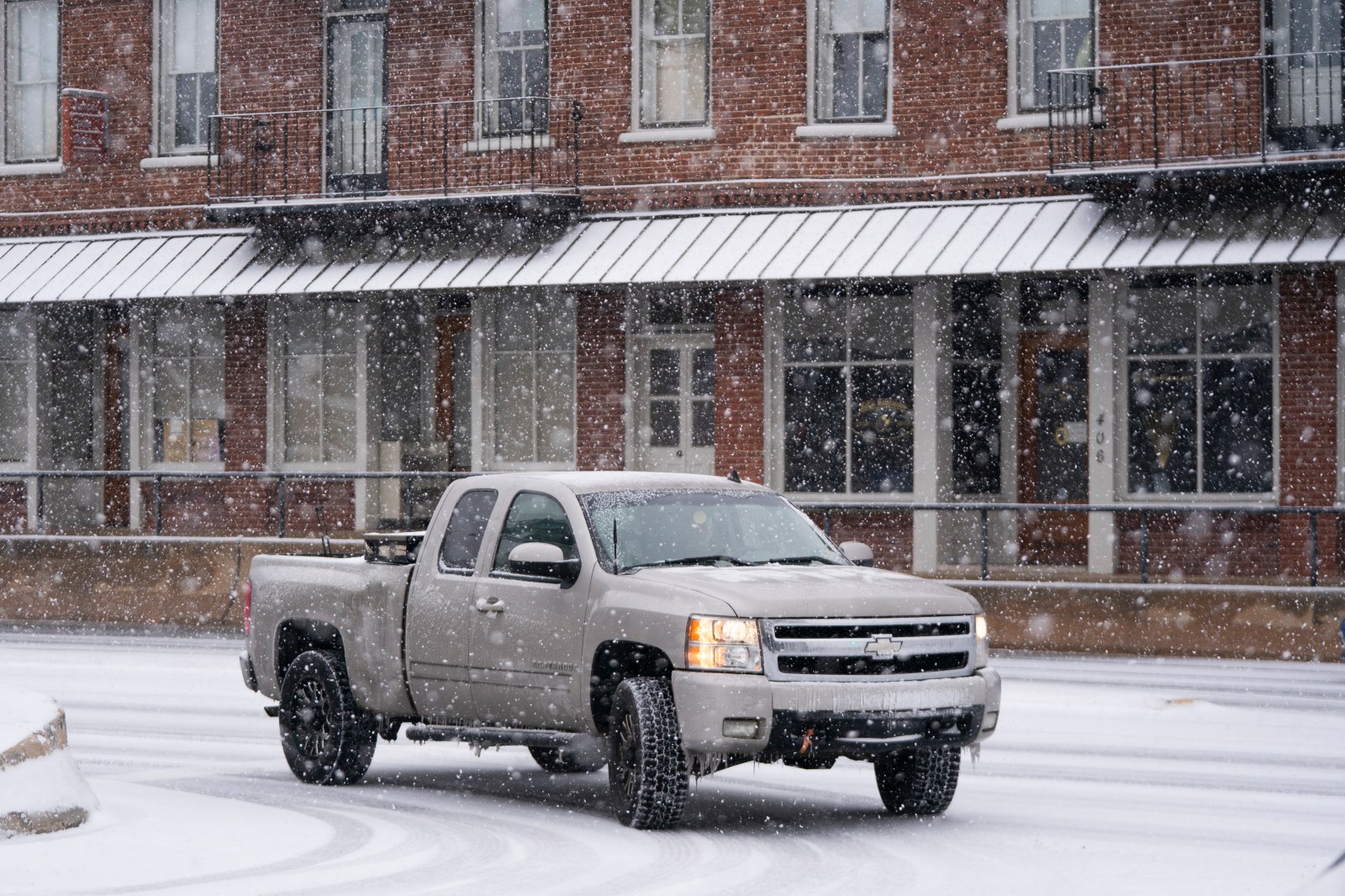
Nationwide Alerts Grow From Fifteen to Five States The National Weather Service issued extreme‑cold and freeze warnings for fifteen states on Jan. 27, including Florida, Georgia, Texas and Alaska, warning of wind chills below zero and heightened hypothermia risk[3]. By Feb. 2 the agency narrowed its focus to five states—Florida, North Carolina, South Carolina, Alaska and Montana—launching snow, ice and wind‑chill alerts that run from Sunday night through Tuesday, with some areas extending to Wednesday[1]. The shift reflects the most severe impacts concentrating in the Southeast and interior West, while earlier warnings remain in effect elsewhere.
Florida Records Sub‑30 °F Lows and Possible Gulf‑Effect Snow Orlando is forecast to dip to 24 °F on Sunday morning, the first sub‑30 °F reading in eight years, and Miami’s low may reach 35 °F, both breaking recent records[2]. Central Florida counties such as Volusia and Orange are expected to see overnight lows between 22 °F and 27 °F, raising pipe‑burst concerns[1]. Meteorologists note a low‑chance “Gulf‑effect” snow band could produce flurries from Tampa to Orange County as frigid air moves over the warm Gulf, a rare event for the state[2].
Wind Chills Plunge to Life‑Threatening Levels Across the South and Arctic Wind chills in Florida’s Big Bend may hit 10 °F with temperatures near 19 °F, while the Panhandle could see 9 °F chills and 17 °F temps[3]. In Alaska’s western Brooks Range and the Delong Mountains, wind chills are projected between –68 °F and –70 °F, capable of causing frostbite on exposed skin within five minutes[3]. The Arctic coast of the Beaufort Sea is expected to experience blizzard‑like conditions with winds up to 50 mph and visibility under half a mile from Sunday night through Tuesday[1].
NWS Urges Immediate Protective Actions for Vulnerable Groups The service highlights babies, the elderly, chronically ill, outdoor workers and homeless individuals as especially at risk, recommending layered clothing, indoor shelter for pets, and checking on neighbors[1]. It lists frostbite signs such as waxy skin and numbness, and hypothermia indicators including confusion and shivering, urging prompt medical attention[1]. Residents are also advised to drain outdoor water pipes, keep pets inside, and limit outdoor exposure to prevent injuries and infrastructure damage[3].
Power Outages and Fatalities Persist Amid Continuing Cold Snap The historic winter storm that preceded the current cold wave has been linked to at least 85 deaths nationwide and left more than 200,000 homes and businesses without electricity, some outages lasting six days[2]. Restoration crews are battling the renewed Arctic surge in Tennessee and Mississippi, complicating recovery efforts[2]. Authorities warn that the cold may not ease until later next week, extending the risk of further power failures and health emergencies[2].
Sources
-
1.
Newsweek: Extreme Cold Warnings Sweep Five States, Prompting Health and Travel Alerts – Details the Feb. 2 NWS warnings for five states, sub‑freezing forecasts in central Florida, travel hazards in the Carolinas, Arctic blizzard conditions, and specific advice for vulnerable populations.
-
2.
CNN: Arctic Air Surge Threatens Snow on Florida Gulf Coast Amid Record Cold – Covers the Jan. 30 Arctic air plunge, record low temperatures in Orlando and Miami, potential Gulf‑effect snow, nationwide record‑breaking cold, and the storm’s death toll and power‑outage impacts.
-
3.
Newsweek: Extreme Cold and Freeze Warnings Issued for 15 U.S. States – Reports the Jan. 27 NWS alerts spanning fifteen states, extreme wind chills in the South, life‑threatening Arctic chills, and recommended protective measures, providing a broader context for the later, more focused warnings.
Timeline
Dec 10, 2025 – The National Weather Service issues a freeze watch for northern and northeastern Florida and parts of southeast Georgia as a weakened polar vortex drives Arctic air, forecasting lows of 30‑32 °F and widespread frost, and warns that the cold snap threatens vegetation, pets, and vulnerable populations while meteorologist Rich Otto cautions about potential crop damage[4].
Jan 27, 2026 – The National Weather Service expands extreme‑cold and freeze alerts to 15 states—including Florida, Georgia, Alabama, Texas, the Carolinas, the Midwest, and Alaska—warning wind chills will plunge below zero, with Florida’s Big Bend seeing 10 °F wind chills and Alaska’s Brooks Range facing –68 °F to –70 °F chills that can cause frostbite in five minutes, and urges residents to wear heavy clothing, protect pipes, and check on vulnerable neighbors[3].
Jan 27, 2026 – The service notes, “Wind chills as low as 20 °F below zero can cause frostbite on exposed skin in as little as 30 minutes, while chills near –70 °F can produce frostbite in as little as five minutes,” emphasizing the urgency of protective measures[3].
Jan 30, 2026 – A surge of Arctic air drives the coldest temperatures in Florida in 15 years, threatening over 200 daily cold‑temperature records nationwide and setting new lows of 24 °F in Orlando (first sub‑30 °F in eight years) and 35 °F in Miami, while the National Weather Service warns the extreme chill could produce rare Gulf‑effect snow from Tampa to Orange County[1].
Jan 30, 2026 – The historic winter storm that preceded the cold snap leaves at least 85 deaths across the United States and knocks out power to more than 200,000 homes and businesses in the South, with some outages lasting six days as crews race to restore service amid another cold wave[1].
Jan 30, 2026 – Philadelphia, Washington, D.C., New York City, and Chicago each enter their longest consecutive freezing periods since 1961, 1989, and 2018 respectively, underscoring the unprecedented nature of the cold, which is expected to ease later next week[1].
Feb 2, 2026 – The National Weather Service issues extreme‑cold warnings to millions across Florida, the Carolinas, Alaska, and Montana, warning that wind chills will fall well below freezing, heightening frostbite and hypothermia risks and urging the public to limit outdoor exposure and adopt protective measures[2].
Feb 2, 2026 – Central Florida counties, including Volusia, Lake, and Orange, are forecast to see overnight lows of 22‑27 °F Sunday‑Monday and 27‑32 °F Monday‑Tuesday, with coastal Martin County potentially dropping to 20 °F, prompting alerts about pipe bursts and outdoor exposure[2].
Feb 2, 2026 – Snow, black ice, and sub‑freezing temperatures force the NWS to warn of hazardous travel in North and South Carolina, advising motorists to reduce speed, use caution, and allow extra travel time until mid‑Monday morning[2].
Feb 2, 2026 – The central and eastern Beaufort Sea Coast and the northwest Arctic Coast brace for blizzard‑like conditions with up to one inch of snow, 50 mph winds, and visibility under half a mile, but the NWS expects the storm to subside by Wednesday afternoon[2].
Feb 2, 2026 – The NWS highlights babies, the elderly, chronically ill, outdoor workers, and the homeless as especially vulnerable, listing specific frostbite and hypothermia symptoms and urging immediate action at the first sign of illness[2].
All related articles (4 articles)
-
Newsweek: Extreme Cold Warnings Sweep Five States, Prompting Health and Travel Alerts
-
CNN: Arctic Air Surge Threatens Snow on Florida Gulf Coast Amid Record Cold
-
Newsweek: Extreme Cold and Freeze Warnings Issued for 15 U.S. States
-
Newsweek: Florida Freeze Watch Issued for Northeast and Northern Regions Amid Arctic Air Surge
External resources (6 links)
- https://forecast.weather.gov/wwamap/wwatxtget.php?cwa=usa&wwa=Freeze%20Warning (cited 5 times)
- https://forecast.weather.gov/wwamap/wwatxtget.php?cwa=usa&wwa=Winter%20Weather%20Advisory (cited 3 times)
- https://forecast.weather.gov/wwamap/wwatxtget.php?cwa=TBW&wwa=extreme%20cold%20warning (cited 2 times)
- https://forecast.weather.gov/wwamap/wwatxtget.php?cwa=usa&wwa=Extreme%20Cold%20Warning (cited 1 times)
- https://www.weather.gov/safety/cold-during (cited 1 times)
- https://poweroutage.us/ (cited 1 times)