New Collar‑Camera Study Tracks Alaska Grizzlies While Polar Bears Grow Heavier
Updated (5 articles)
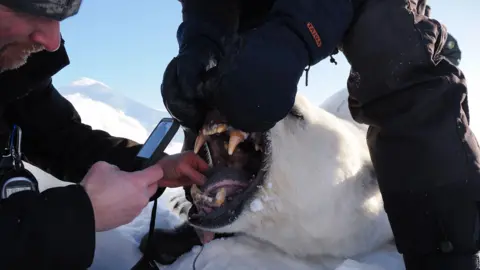
Grizzly Collar‑Camera Project Expands on Alaska’s North Slope Twelve of roughly 200 North Slope grizzlies now wear lightweight video collars that record 4‑6‑second clips every ten minutes in spring‑summer and every five minutes in fall, providing up to 17 hours of footage per bear [1]. The collars were deployed by Washington State University and the Alaska Department of Fish and Game after helicopter‑darting the animals, and the study will continue through 2028 with an additional 24 collars planned [1]. Researchers download the videos each September and later replace the devices with GPS collars to monitor movement, den sites, and potential disturbance from oil‑field road construction [1].
Seasonal Feeding Shifts Reveal Arctic Grizzly Ecology Early‑spring footage shows the collared bears scavenging caribou and musk‑ox carcasses, then attacking calves before the tundra greens up [1]. As the melt progresses, the bears switch to vegetation, especially blueberries and soapberries, reflecting a rapid dietary transition [1]. The study notes that Arctic grizzlies reach a maximum weight of about 350 lb (159 kg), considerably smaller than coastal salmon‑eating counterparts that can exceed 1,000 lb [1].
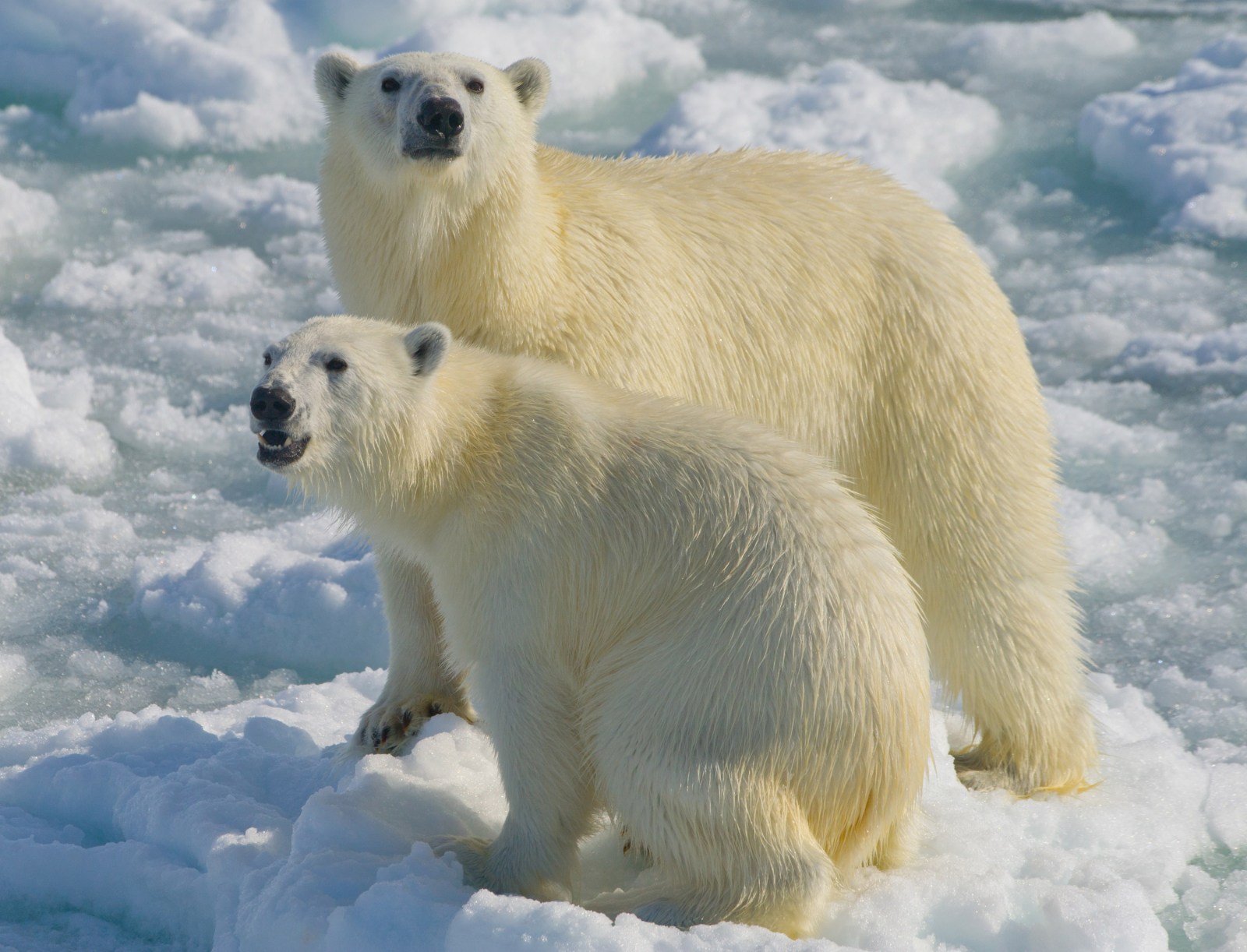
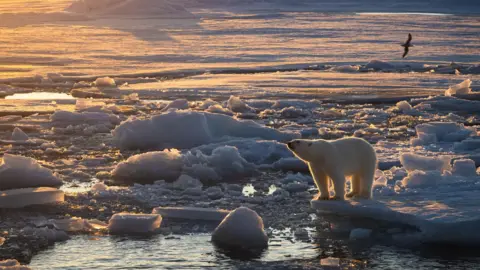
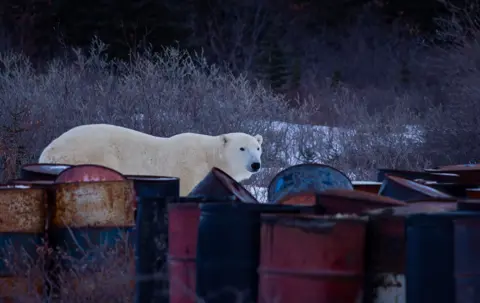
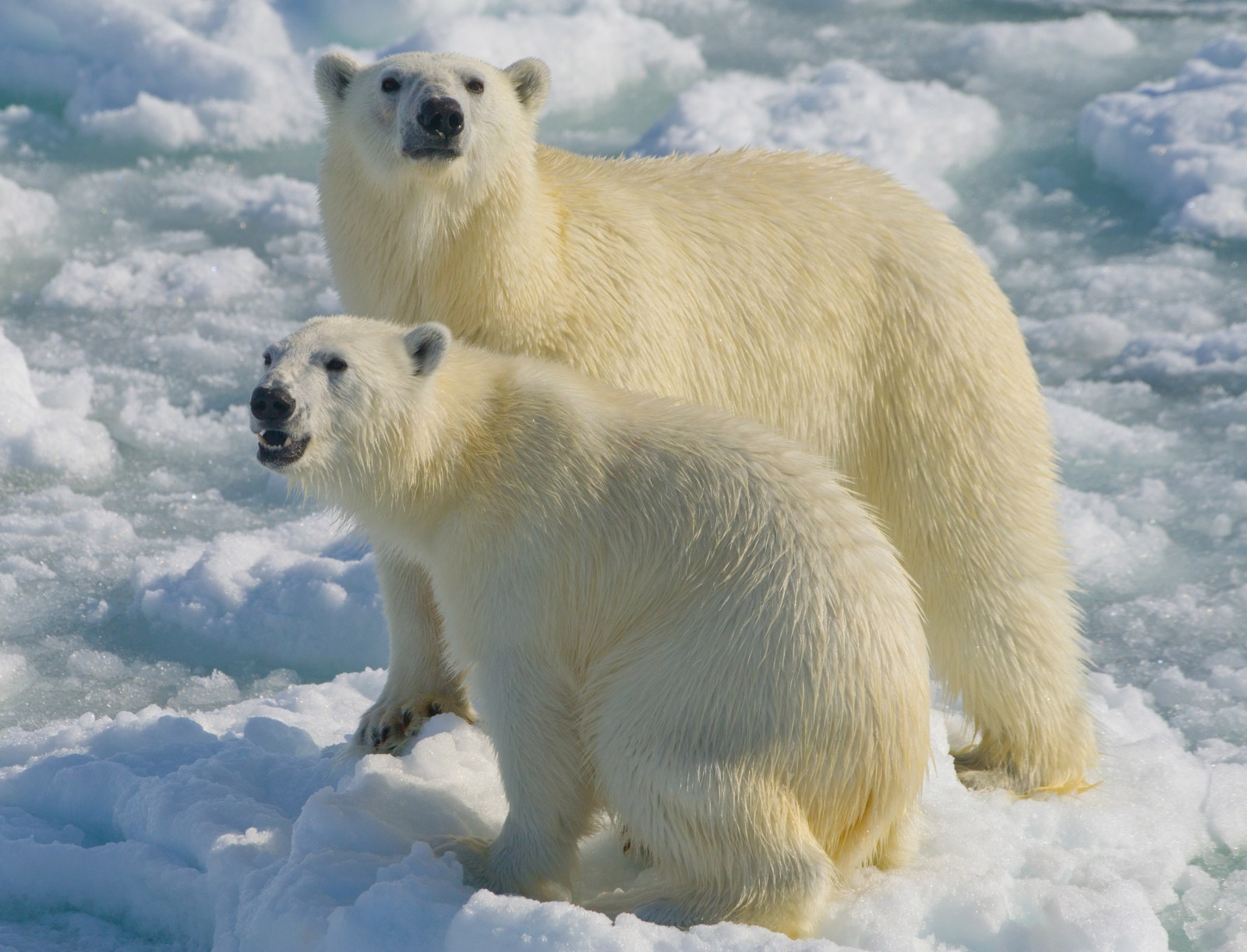
Svalbard Polar Bears Have Gained Mass Since Early 1990s A 30‑year dataset of 770 adult bears measured between 1992 and 2019 shows a statistically significant increase in body condition, contradicting expectations of decline with sea‑ice loss [3]. The region experienced roughly 100 additional ice‑free days, yet bears have become fatter by exploiting land‑based prey such as reindeer and abundant walrus carcasses [3][2]. Lead researcher Dr Jon Aars described the heavier bears as “healthier,” while other scientists warned that improved condition may be short‑term and could mask rising mortality among cubs and older females [3][2].
Researchers Debate Long‑Term Outlook Amid Climate‑Adaptation Narrative While the weight gain suggests short‑term resilience, experts emphasize that body condition alone does not guarantee population stability, citing links between prolonged ice loss and lower survival rates for vulnerable age classes [3][2]. The findings have entered a broader policy debate, with Bill Gates’ adaptation‑focused memo cited by both proponents and critics, and political commentary ranging from Vox’s cautious optimism to National Review’s endorsement of adaptation strategies [2]. Despite earlier climate‑skeptic rhetoric, the Trump administration allocated $50 million for Greenland polar‑bear conservation, illustrating a complex interplay between scientific data and policy decisions [2].
Sources
-
1.
AP:Grizzly Bears on Alaska’s North Slope Document Their Lives with Collar Cameras: details the deployment of video collars on 12 grizzlies, seasonal recording intervals, diet shifts, weight data, and project extension through 2028 .
-
2.
Newsweek:Fat Polar Bears Highlight Trump‑Aligned Climate Adaptation Debate: reports Svalbard bears’ increased body condition, links to ice‑free days, adaptive foraging, and the political discourse surrounding climate adaptation, including Gates’ memo and Trump‑era funding .
-
3.
BBC:Svalbard Polar Bears Gain Weight as Sea Ice Shrinks: presents the 30‑year weight study of 770 bears, sea‑ice loss statistics, shift to land prey, expert commentary on health versus long‑term risk, and historical hunting context .
Timeline
1970s – International protections end heavy hunting of Svalbard polar bears, allowing populations to recover and contributing to recent health improvements [1].
2008 – The United States grants polar bears Endangered Species Act protection, providing legal safeguards that shape conservation actions [3].
2014 – Donald Trump tweets that polar ice caps are at an all‑time high and the polar bear population has never been stronger, a claim later debunked by climate scientists but partially echoed by recent Svalbard data showing fatter bears [4].
2017‑2021 (Trump administration) – The administration allocates $50 million for Greenland polar‑bear conservation, linking rhetoric to concrete wildlife funding despite earlier climate skepticism [4].
2025 – Bill Gates releases a climate memo urging adaptation over strict temperature targets, arguing the “doomsday view” is wrong and suggesting policies focus on human welfare while acknowledging missed Paris 1.5 °C goal [4].
Dec 12, 2025 – University of East Anglia researchers detect heat‑stress gene changes and altered fat‑processing genes in southeastern Greenland polar bears, indicating rapid genetic adaptation to warming and reduced seal availability; lead scientist calls the findings a “genetic blueprint” for conservation and warns two‑thirds may vanish by 2050 [3].
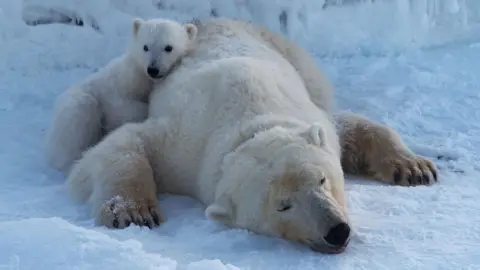
Dec 17, 2025 – Researchers in Western Hudson Bay document a five‑year‑old female polar bear adopting an unrelated cub, the 13th known adoption among ~4,600 studied bears, highlighting unusual maternal behavior that could aid cub survival under climate stress [2].
Jan 29, 2026 – A three‑decade Svalbard study of 770 adult bears finds statistically significant increases in body mass and condition since the early 1990s, with sea‑ice loss adding nearly 100 ice‑free days; lead researcher Dr Jon Aars says, “The fatter a bear is the better it is,” emphasizing short‑term health gains despite habitat change [1].
Jan 29, 2026 – Dr John Whiteman of PBI cautions that improved body condition is only one piece of the puzzle, noting other studies link more ice‑free days to lower survival of cubs, sub‑adults, and old females, and warns that continued ice loss could eventually eliminate bear populations [1].
Jan 30, 2026 – The Svalbard findings spark political debate: Vox calls the fatter bears a “wrinkle of hope,” while National Review and the Wall Street Journal praise Gates’s adaptation memo; environmentalists like Bill McKibben criticize the narrative as downplaying tipping points, illustrating ideological splits over climate strategy [4].
Feb 1, 2026 – Washington State University and Alaska’s Department of Fish and Game outfit 12 of ~200 North Slope grizzlies with lightweight video collars, capturing short clips every ten minutes in spring/summer and every five minutes in fall to document diet shifts from carrion to berries and monitor impacts of oil‑field roads; the project plans to add 24 more collars and run through 2028 [5].
2028 (planned) – The Alaska grizzly collar study expands to include an additional 24 bears, extending data collection on feeding behavior, habitat use, and human development effects through 2028, aiming to inform management decisions in a changing Arctic ecosystem [5].
All related articles (5 articles)
-
AP: Grizzly Bears on Alaska’s North Slope Document Their Lives with Collar Cameras
-
Newsweek: Fat Polar Bears Highlight Trump‑Aligned Climate Adaptation Debate
-
BBC: Svalbard Polar Bears Gain Weight as Sea Ice Shrinks
-
BBC: Polar bear mother adopts cub in rarely documented case
-
BBC: Polar Bears Show Genetic Shifts Linked to Warmer Greenland Habitat
External resources (5 links)
- https://www.facebook.com/BBCNorfolk/ (cited 1 times)
- https://www.instagram.com/bbceastofengland/ (cited 1 times)
- https://x.com/BBCnorfolk (cited 1 times)
- https://polarbearsinternational.org/ (cited 1 times)
- https://www.nature.com/articles/s41598-025-33227-9 (cited 1 times)