Iran Claims “Good Progress” in Geneva Talks, Schedules New Session Within a Week
Updated (4 articles)
-
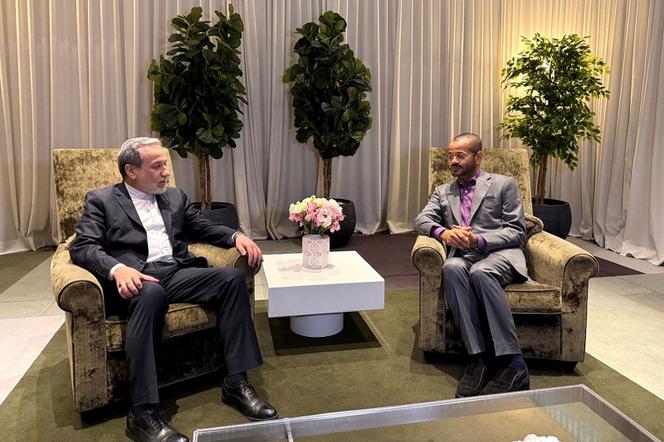 Image: Le MondeLe ministre des affaires étrangères iranien, Abbas Araghtchi, à gauche, et son homologue omanais, Badr Al-Boussaïdi, à droite, à Genève, en Suisse, jeudi 26 février 2026. Photo diffusée par le ministère des affaires étrangères iranien.MINISTÈRE IRANIEN DES AFFAIRES ÉTRANGÈRES/AFP (MINISTÈRE IRANIEN DES AFFAIRES ÉTRANGÈRES/AFP) Source Full size
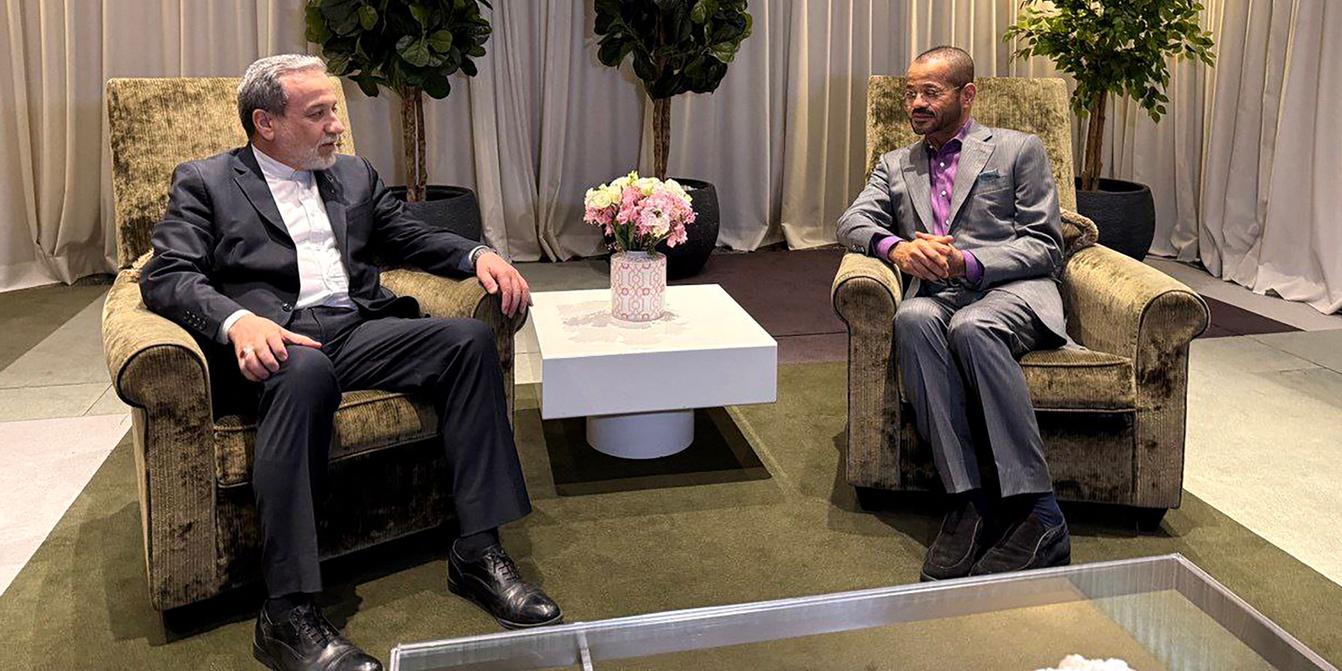
Geneva Negotiations Show Momentum, Tehran Announces Immediate Follow‑up On 26 February, Foreign Minister Abbas Araghtchi told state TV that indirect talks in Geneva produced “good progress” on both nuclear constraints and sanctions relief, and that Tehran would convene a new round “very soon, maybe in less than a week” to avoid escalation after the U.S. deployed additional forces to the region[1]. The statement frames the upcoming session as a final diplomatic chance before any military option is considered.
U.S. Sticks to Zero‑Enrichment Demand and Facility Dismantlement Washington continues to press for a total shutdown of Iran’s enrichment program, insisting on the dismantlement of Fordow, Natanz and Isfahan and the return of all enriched uranium, a demand echoed by the Wall Street Journal and reinforced by U.S. officials who say any deviation could trigger a multi‑week air campaign[1][3]. Vice President JD Vance emphasized that a strike would not lead to a prolonged regional war, underscoring the administration’s preference for a diplomatic resolution contingent on Tehran’s compliance[1].
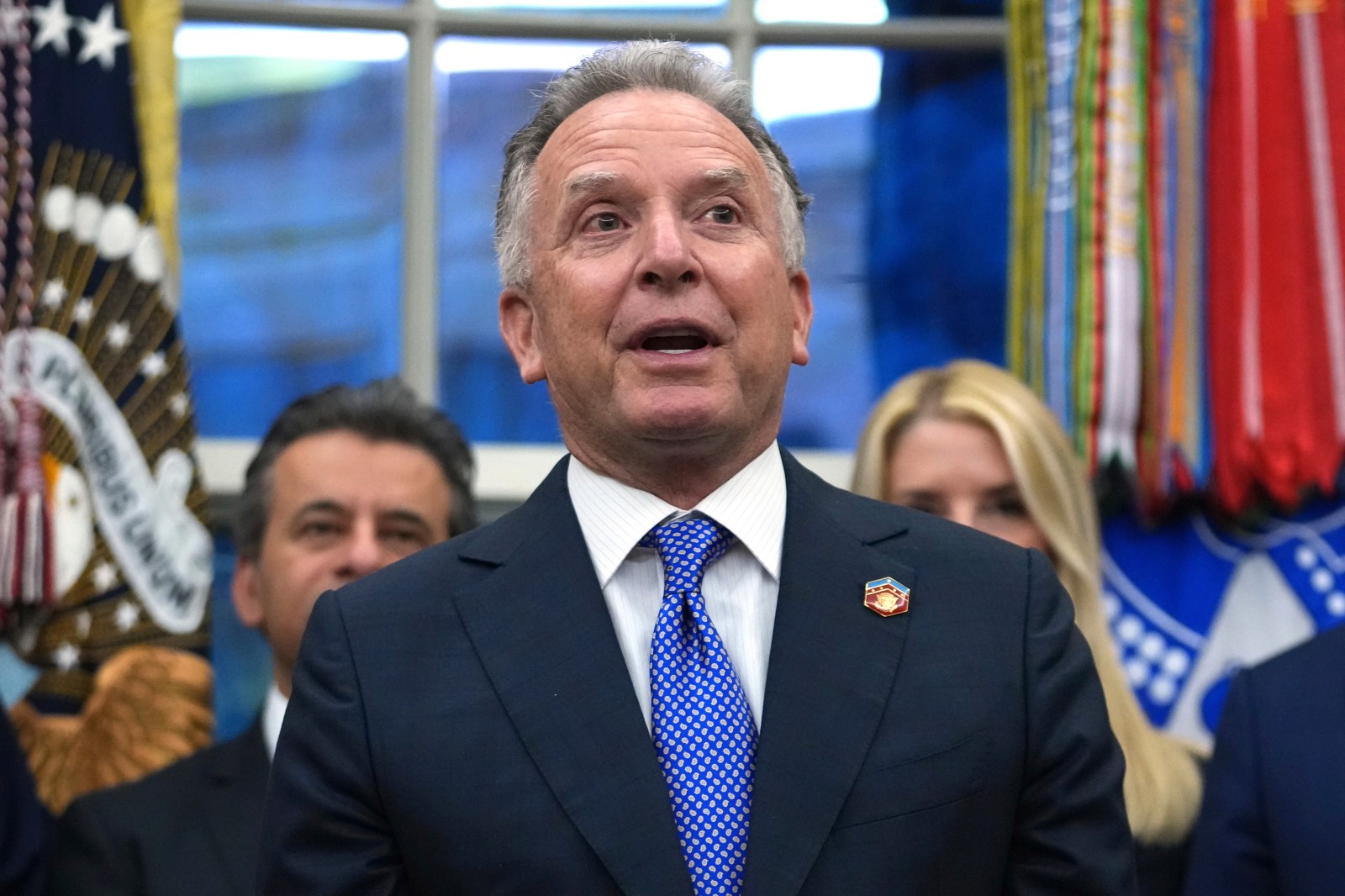
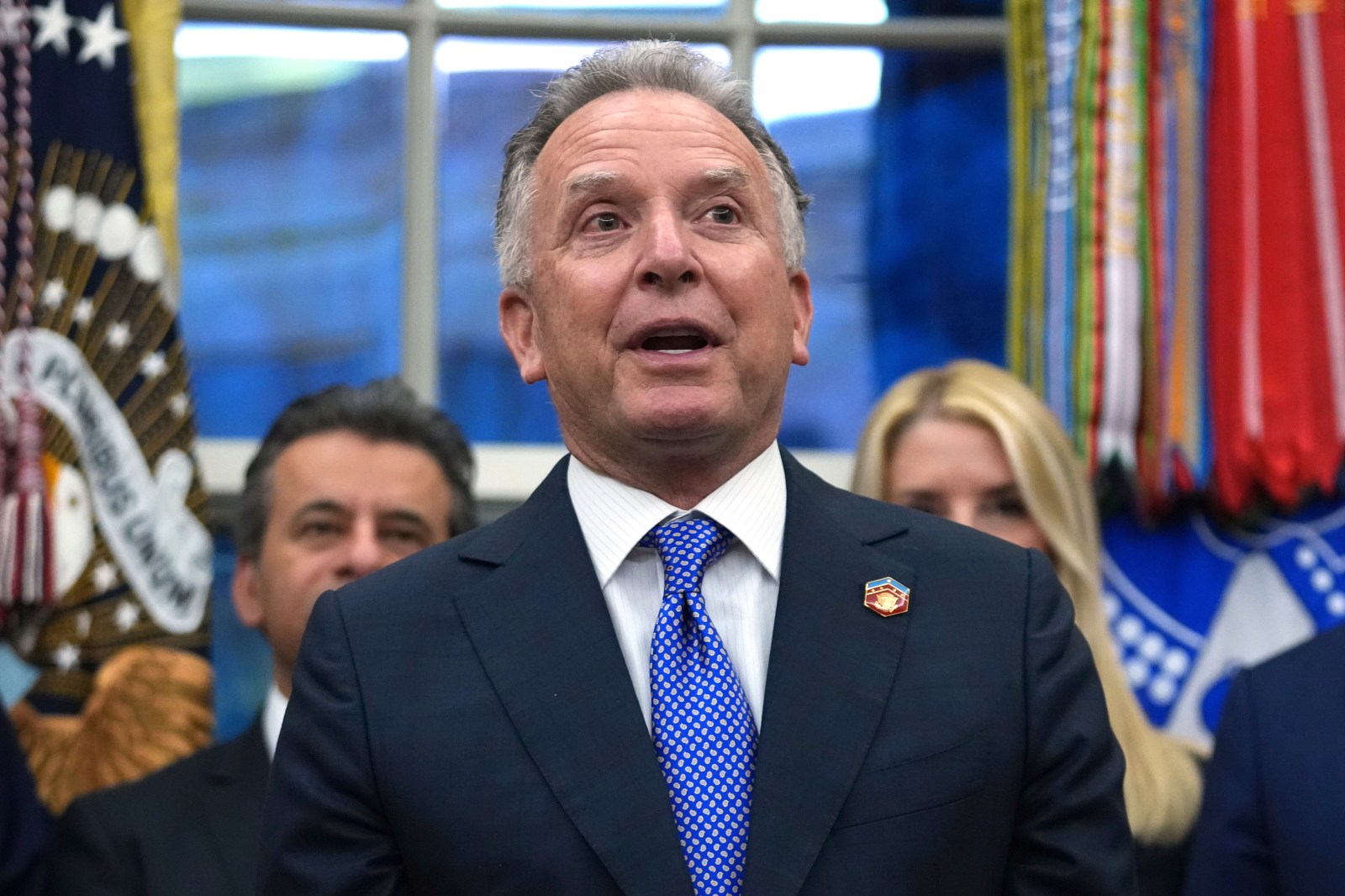
Technical Teams to Meet IAEA Experts in Vienna While U.S. Warns of Imminent Bomb‑Grade Material Preliminary technical discussions are slated for the coming Monday in Vienna, with International Atomic Energy Agency experts joining Iranian and American delegations, signaling deeper verification steps[1]. Simultaneously, U.S. special envoy Steve Witkoff warned that Iran could reach “industrial‑grade bomb‑making material” within a week, noting enrichment at 60 %—well below the 90 % weapons threshold but close enough for rapid advancement[3]. Tehran counters that it lacks the machines, material, and delivery systems needed for a weapon, maintaining its right to peaceful nuclear energy[1][3].
Iran Boosts Military Readiness Amid Negotiations and Regional Tensions In February, senior Iranian commanders inspected air‑defense zones in Tabriz, Babolsar and Birjand, while Rear Admiral Faramarz Bemani toured the Pasabandar naval base, reflecting a heightened combat‑readiness posture[2]. The United States has positioned the carrier USS Gerald R. Ford in the area, and analysts note that Hezbollah could intervene with limited rocket attacks or larger missile strikes if it perceives a U.S./Israeli move against Tehran[2]. These parallel tracks of diplomacy and deterrence illustrate the fragile balance shaping the crisis.
Sources
-
1.
Le Monde: Iran Signals “Good Progress” in Geneva Talks, Eyes New Round Within a Week – Reports Araghtchi’s claim of progress, the planned follow‑up session, U.S. zero‑enrichment demands, and upcoming technical talks in Vienna, highlighting diplomatic momentum and U.S. war‑avoidance stance.
-
2.
ISW: Iran’s Nuclear Standoff, Military Prep, and Regional Tensions (Feb 20 2026) – Details Iran’s likely limited concessions, U.S. firm zero‑enrichment position, extensive inspections of air‑defense and naval bases, domestic protests, and potential Hezbollah responses, emphasizing the military dimension of the crisis.
-
3.
Newsweek: Iran Nearing Industrial‑Grade Bomb Material, U.S. Envoy Warns – Cites envoy Witkoff’s warning that Iran could achieve bomb‑grade material within a week, notes 60 % enrichment level, recounts 2025 strikes’ impact, and presents Tehran’s denial of a weapons program, underscoring divergent risk assessments.
Related Tickers
Timeline
June 2025 – U.S. and Israeli forces destroy specialized centrifuges and damage key nuclear sites, setting back Iran’s enrichment program by an estimated one to two years and prompting the White House to call the facilities “obliterated” [1].
Dec 2025 – Iranian Foreign Minister Abbas Araghchi tells RT that “technology cannot be bombed,” insisting Iran will continue peaceful nuclear enrichment despite the recent U.S. strikes [2].
Dec 2025 – President Donald Trump warns that any new Iranian nuclear site will be bombed if Tehran restarts its program without a deal [2].
Dec 2025 – The Joint Comprehensive Plan of Action formally expires, leaving Iran at odds with Western powers over nuclear limits and sanctions relief [2].
Feb 19, 2026 – President Trump gives Tehran a 10‑to‑15‑day deadline to accept a U.S. zero‑enrichment demand, threatening an extended air campaign pending the arrival of the carrier USS Gerald R. Ford [3].
Feb 20, 2026 – Senior Iranian commanders, including Brig. Gen. Alireza Elhami and Rear Adm. Faramarz Bemani, inspect air‑defense zones and the Pasabandar naval base, signaling a last‑minute push to boost combat readiness [3].
Feb 20, 2026 – Twenty anti‑regime protests erupt in eight provinces, with at least 1,000 participants in five locations and the regime sentencing 26 protesters, including a minor, to death [3].
Feb 20, 2026 – Hezbollah signals it could intervene if the U.S./Israel attempt to topple Tehran, ranging from symbolic rockets to large‑scale missile/drone strikes against Israeli targets [3].
Feb 21‑22, 2026 – U.S. special envoy Steve Witkoff warns Iran is “a week from bomb‑grade material,” noting enrichment at 60 % (below 90 % weapons‑grade) and urging a “zero enrichment” stance at the upcoming Geneva talks [1].
Feb 26, 2026 – Iran’s foreign minister Abbas Araghchi announces “good progress” in indirect Geneva negotiations on nuclear and sanctions issues and says a new round will occur “very soon, maybe in less than a week” [4].
Feb 26, 2026 – The United States presses for the total dismantlement of Iran’s three main enrichment facilities—Fordow, Natanz and Isfahan—and the return of all enriched uranium [4].
Feb 26, 2026 – Tehran rejects any nuclear‑weapon ambition, asserts its missiles are capped at 2,000 km, and calls President Trump’s claim of “missiles that can threaten Europe” “big lies” [4].
Feb 27, 2026 – Technical talks involving IAEA experts are scheduled for Monday in Vienna, marking the next diplomatic step after the Geneva session [4].
Feb 27, 2026 – U.S. Vice President J.D. Vance tells the Washington Post there is “no chance” a strike would trigger a prolonged regional war, emphasizing a preference for diplomacy [4].
All related articles (4 articles)
-
Le Monde: Iran signals “good progress” in Geneva talks, eyes new round within a week
-
ISW: Iran’s Nuclear Standoff, Military Prep, and Regional Tensions (Feb 20 2026)
-
Newsweek: Iran Nearing Industrial‑Grade Bomb Material, U.S. Envoy Warns
-
Newsweek: Iran asserts peaceful nuclear program and enrichment rights despite U.S. strikes
External resources (38 links)
- https://mei.edu/publication/hezbollahs-regional-activities-support-irans-proxy-networks/ (cited 1 times)
- https://www.aljazeera.com/news/2024/10/22/hezbollah-takes-responsibility-for-drone-attack-on-netanyahu-holiday-home (cited 1 times)
- https://www.reuters.com/world/middle-east/hezbollah-strikes-israel-gaza-war-anniversary-fears-grow-over-middle-east-2024-10-07/ (cited 1 times)
- https://www.washingtonpost.com/national-security/2026/02/19/trump-iran-attack-military/ (cited 1 times)
- https://www.wral.com/news/ap/018c2-lebanons-financial-recovery-will-rest-on-security-and-political-reforms-economy-minister-says/ (cited 1 times)
- https://www.wsj.com/world/middle-east/u-s-brings-tough-demands-to-iran-nuclear-talks-8aab06ad?mod=Searchresults&pos=1&page=1 (cited 1 times)
- https://x.com/Entekhab_News/status/2024845655001239975?s=20 (cited 2 times)
- https://x.com/AvichayAdraee/status/1981680901672124691 (cited 1 times)
- https://x.com/EndlessWint_r/status/2024836536940761414 (cited 1 times)
- https://x.com/FSeifikaran/status/2024938251199431086?s=20 (cited 1 times)
- https://x.com/ManotoNews/status/2024799201889010124?s=20 (cited 1 times)
- https://x.com/RadioFarda_/status/2024498397940441537?s=20 (cited 1 times)
- https://x.com/idfonline/status/1863657296422732177 (cited 1 times)
- (cited 2 times)
- https://defapress.ir/fa/news/812674 (cited 2 times)
- https://defapress.ir/fa/news/813880 (cited 2 times)
- https://tasnimnews.ir/fa/news/1404/11/21/3513582 (cited 2 times)
- https://www.criticalthreats.org/analysis/iran-update-october-1-2024 (cited 2 times)
- https://www.irna.ir/news/86081645/ (cited 2 times)
- https://www.tasnimnews.ir/fa/news/1404/11/15/3509151 (cited 2 times)
- https://www.tasnimnews.ir/fa/news/1404/12/01/3521734/ (cited 2 times)
- https://apps.dtic.mil/sti/tr/pdf/ADA496916.pdf (cited 1 times)
- https://carnegieendowment.org/research/2020/03/the-transformation-of-the-iraqi-syrian-border-from-a-national-to-a-regional-frontier?lang=en¢er=middle-east (cited 1 times)
- https://english.aawsat.com/arab-world/5241904-hezbollah-rejects-disarmament-plan-and-government%E2%80%99s-four-month-timeline (cited 1 times)
- https://nationalinterest.org/blog/middle-east-watch/irans-strategy-of-delay (cited 1 times)
- https://newlinesmag.com/spotlight/life-returns-to-al-bukamal-after-iranian-militias-flee/ (cited 1 times)
- https://syriacpress.com/blog/2025/11/05/hezbollahs-ideology-no-end-in-sight/ (cited 1 times)
- https://thisisbeirut.com.lb/articles/1322452/what-options-for-hezbollah-after-lebanon-s-decision-to-disarm-it (cited 1 times)
- https://www.criticalthreats.org/analysis/iran-update-february-11-2026 (cited 1 times)
- https://www.criticalthreats.org/analysis/iran-update-february-17-2026 (cited 1 times)
- https://www.criticalthreats.org/analysis/iran-update-june-26-2025 (cited 1 times)
- https://www.eremnews.com/news/arab-world/bxhk26s (cited 1 times)
- https://www.jpost.com/israel-news/defense-news/article-871549 (cited 1 times)
- https://www.jpost.com/middle-east/iran-news/article-881050 (cited 1 times)
- https://www.naharnet.com/stories/en/309547-israel-says-hezbollah-fired-two-missiles-at-occupied-shebaa-farms (cited 1 times)
- https://www.newarab.com/news/israeli-army-fortifying-positions-south-lebanon (cited 1 times)
- https://www.timesofisrael dot (cited 1 times)
- https://www.washingtoninstitute.org/policy-analysis/hezbollah-nervously-watches-iran-washington-should-double-down-disarmament (cited 1 times)