Chappell Roan’s Mugler Dress Dominates Grammy Red Carpet, Divides Fans
Updated (6 articles)
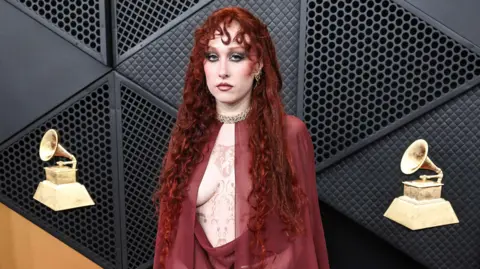
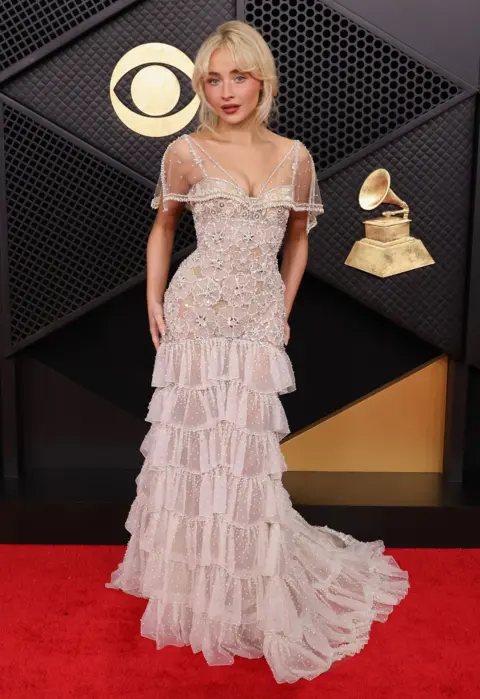

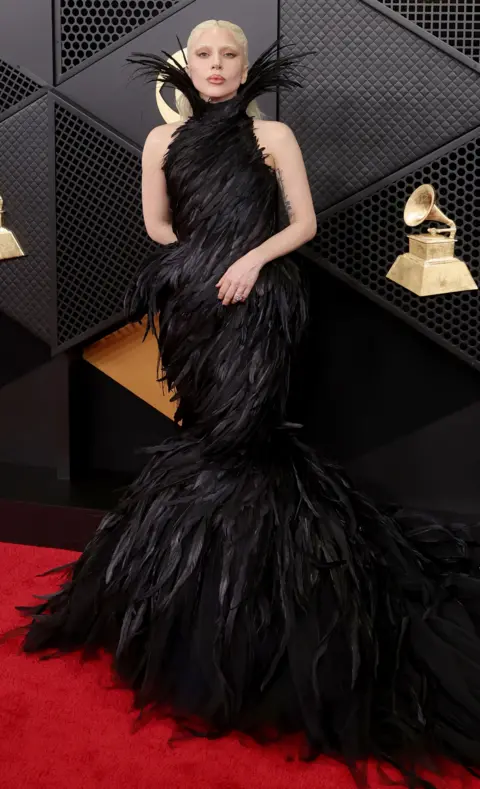
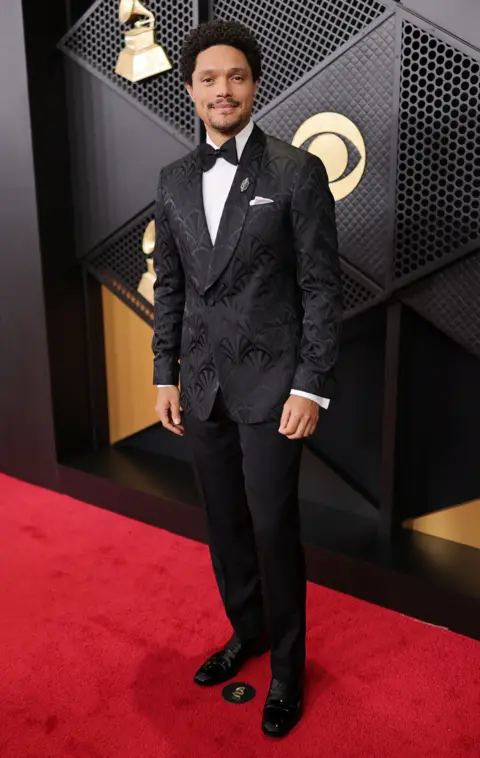
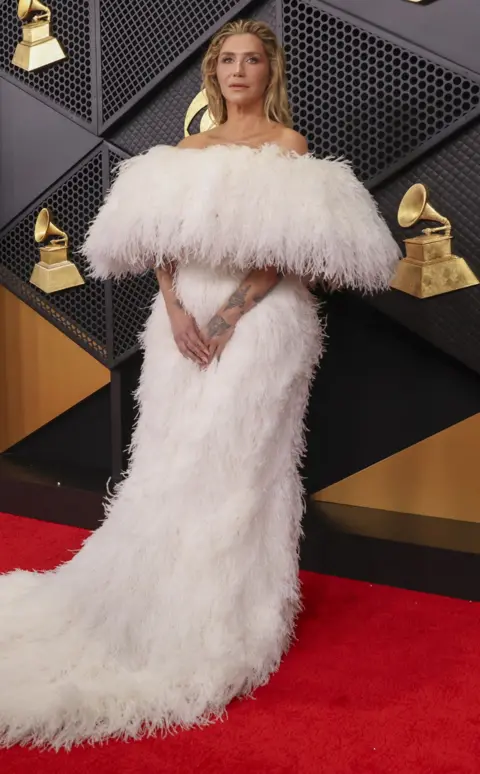
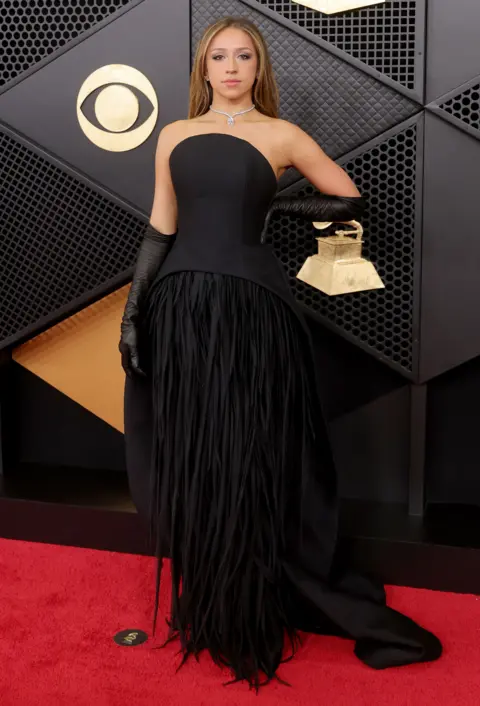
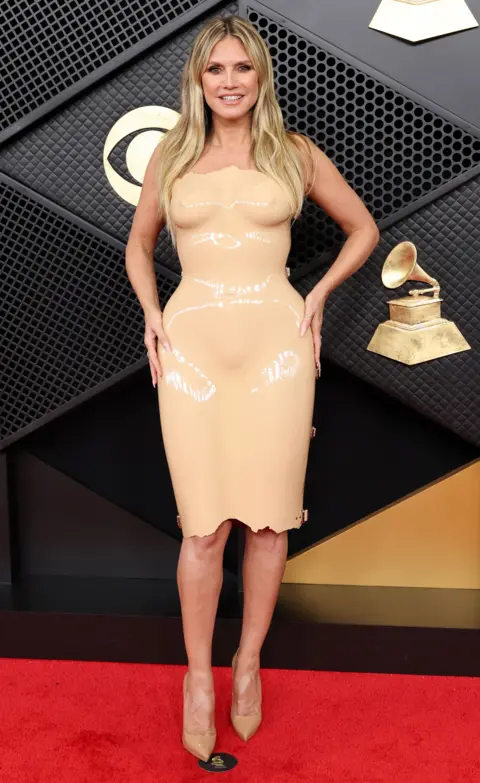
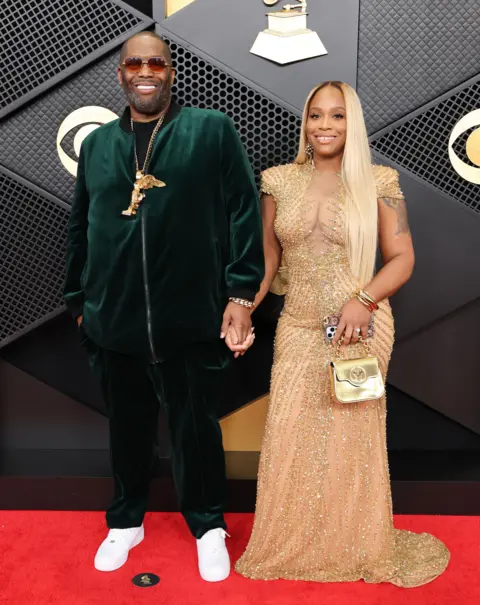

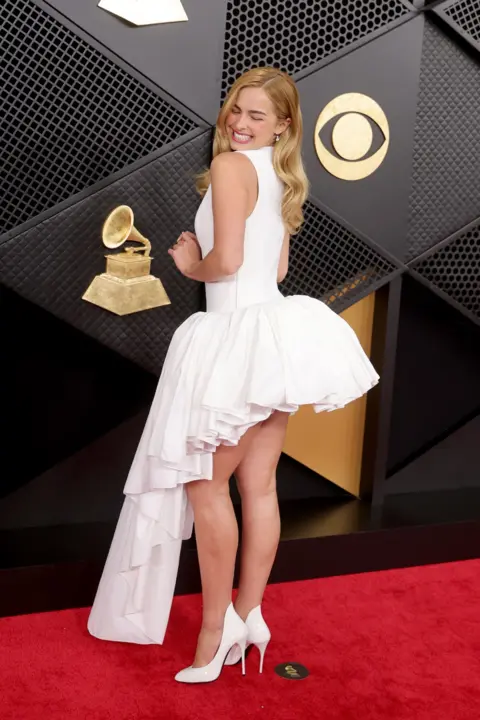
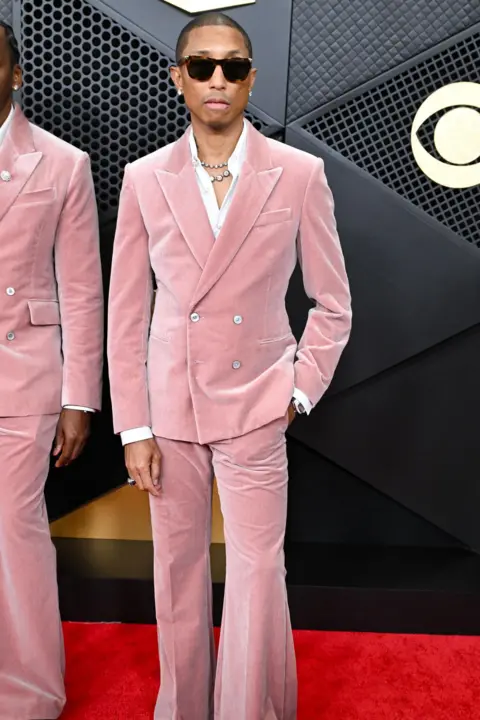
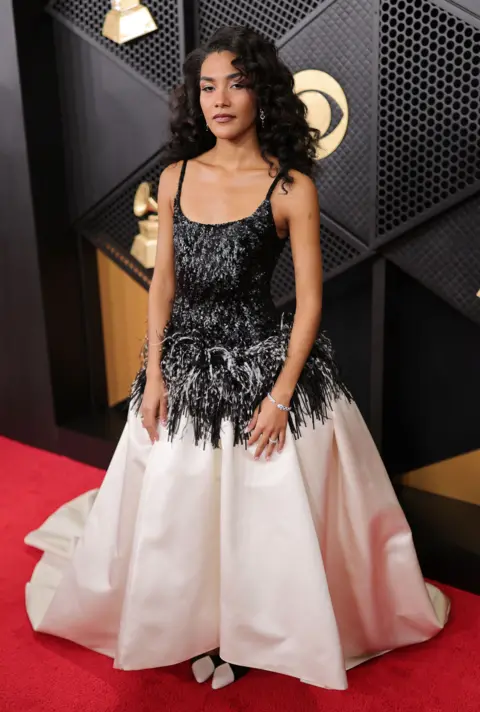
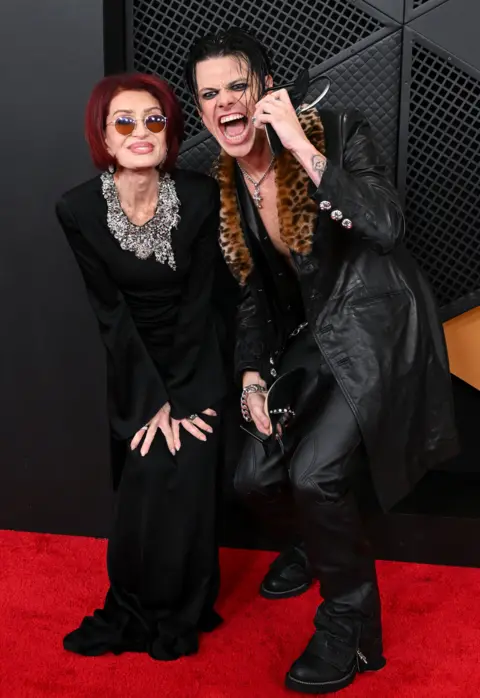
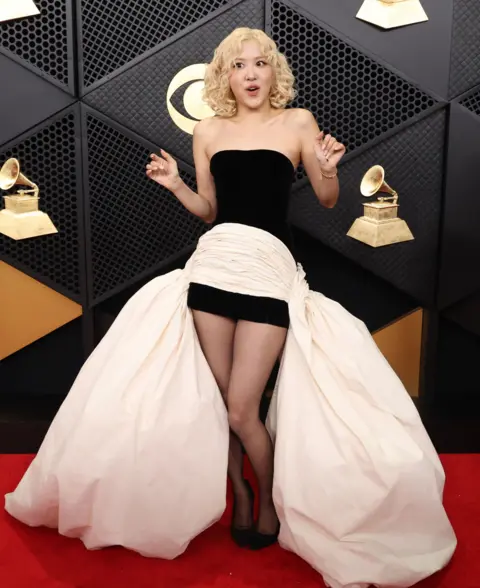
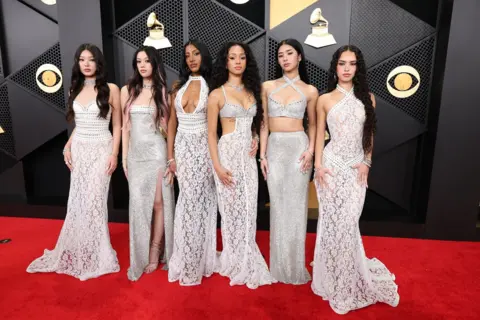
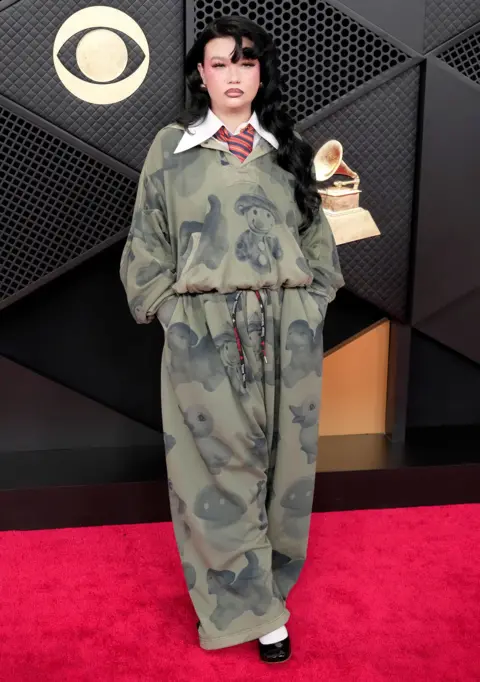
Grammy Awards 2026 Highlight Emerging Talent and Bold Fashion The 68th Grammy ceremony took place on Feb. 1, 2026 at Los Angeles’s Crypto.com Arena, where newcomers such as Addison Rae, Olivia Dean, Doechii and Chappell Roan filled the red‑carpet spotlight as established stars like Beyoncé and Taylor Swift were absent [3][5]. The event featured 95 award categories, making it the most expansive ceremony in Grammy history [5]. Designers used the platform to showcase experimental silhouettes, feathered gowns and gender‑bending tailoring that set a theatrical tone for the night [5][2].
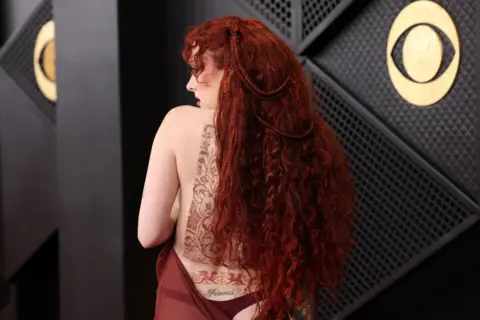
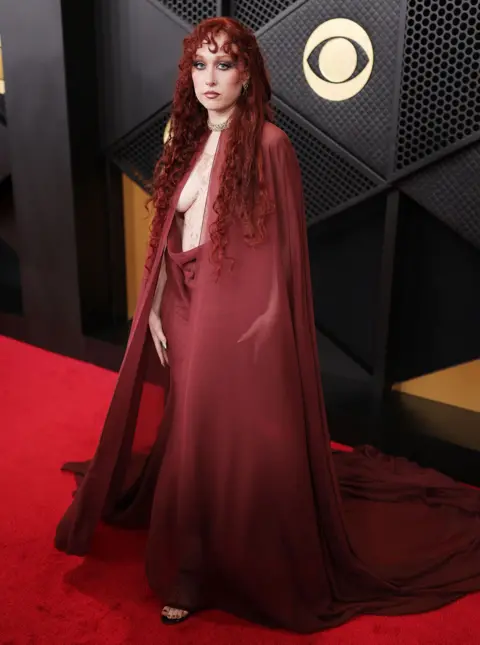
Chappell Roan’s Transparent Mugler Gown Stuns and Provokes Roan arrived in a deep‑red Mugler creation that she stripped of a sheer cape to expose a georgette négligée dress attached to her breasts by nipple rings, echoing the designer’s 1980s transparency legacy [1][3]. CNN reported the look revived Mugler’s 1998 design with prosthetic areolas, a detail not mentioned in the BBC account, highlighting a minor discrepancy between sources [2]. Fashion writer Alex Fullerton noted the outfit honors Mugler’s history of sheer fabrics and bare‑breast aesthetics [1], while Roan later dismissed criticism on Instagram, calling the ensemble “awesome and weird” [1].
Mixed Public Reaction Splits Over Roan’s Revealing Look Social media buzz ranged from fans hailing Roan as a “goddess” and “icon” to others questioning whether the attire was “too much” and could lead to a ban [1]. Commentators compared the backlash to the double standard faced by Justin Bieber’s 2023 underwear performance [1]. Roan’s alter‑ego “Chappell,” a drag‑queen persona she described in a 2024 interview, provided a framework for the risqué expression she displayed on the carpet [1].
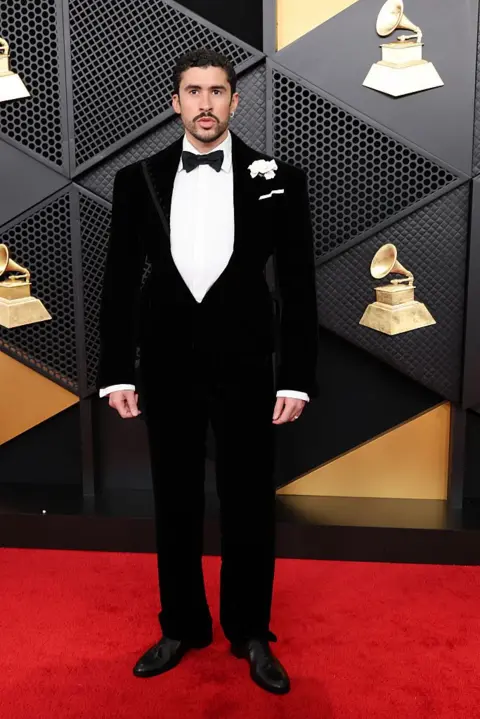
Other Notable Red‑Carpet Moments Include Bad Bunny’s Historic Win Puerto Rican star Bad Bunny arrived in a Schiaparelli tuxedo with a corset‑style back and later became the first artist to win Album of the Year with an entirely Spanish‑language record [4][2][3]. Olivia Dean captured attention as the first British Best New Artist winner since 2019, accepting the award in a sequined Chanel gown [4]. Their appearances underscored the ceremony’s blend of cultural milestones and avant‑garde fashion.
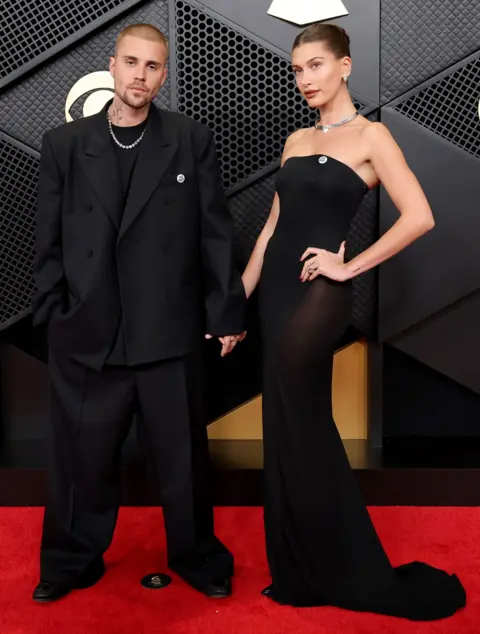
Political Statements and ‘Bad Taste’ Trends Mark the Ceremony Several attendees, including the Bieber brothers and Finneas, wore “ICE OUT” pins protesting U.S. immigration policies, turning the red carpet into a platform for activism [3][5]. Media outlets described many outfits as “bad‑taste” or “odd,” arguing that such provocative fashion fuels industry innovation and cultural rebellion [2][5]. The convergence of daring design, political messaging and emerging talent defined the 2026 Grammys as a night of both controversy and celebration.
Sources
-
1.
BBC: Chappell Roan’s revealing Grammy look sparks split reaction and highlights her alter‑ego: Details Roan’s nipple‑ring Mugler dress, Instagram response, fan division, and her drag‑queen alter‑ego, emphasizing Mugler’s transparency legacy.
-
2.
CNN: Grammy Night’s “Bad‑Taste” Fashion Steals the Spotlight: Describes overall odd outfits, lists Roan’s nipple‑clasped Mugler dress, Bad Bunny’s Schiaparelli tux, and argues “bad taste” fuels fashion innovation.
-
3.
AP: Grammy 2026 Red‑Carpet Turns Spotlight to Rising Stars and Bold Statements: Highlights emerging artists dominating carpet, Roan’s daring dress described as “moody pre‑Raphaelite goddess,” and political “ICE OUT” pins.
-
4.
BBC: Grammy Awards 2026 Red Carpet Highlights: Styles, Milestones and Final Host: Notes Bad Bunny’s historic Spanish‑language Album of the Year win, Olivia Dean’s British Best New Artist win, and Roan’s deep‑red Mugler gown dominating conversation.
-
5.
CNN: Striking Fashion Highlights on the 2026 Grammys Red Carpet: Focuses on theatrical outfits, gender‑bending looks, Doechii’s 13‑foot train, and protest badges, underscoring the experimental fashion mood.
Timeline
1980s – Mugler establishes a legacy of sheer fabrics and exposed breasts, a design ethos that later red‑carpet looks reference and honor [1].
1996 – Prada launches its “Banal Eccentricity” collection, coining “Ugly Chic” and framing ugliness as attractive, influencing avant‑garde fashion discourse [3].
1998 – Mugler’s original salacious design featuring prosthetic areolas debuts, later revived by Chappell Roan’s 2026 Mugler dress [3].
2013 – In a T Magazine interview, Miuccia Prada declares “Ugly is attractive, ugly is exciting…”, reinforcing the brand’s embrace of unconventional beauty [3].
2019 – Dua Lipa wins Best New Artist, marking the last British victory in that category until Olivia Dean’s 2026 win, providing a benchmark for the award’s history [2].
2024 – In a BBC interview, Chappell Roan describes her alter‑ego “Chappell” as a “larger‑than‑life, drag queen version of myself,” explaining its role in her risqué artistic expression [1].
Jan 5, 2026 – The Critics Choice Awards open the season on a black carpet, signaling a subdued tone for the awards circuit; Ariana Grande pays homage to Diahann Carroll’s 1969 Oscar dress, hinting at retro influences for the year [5].
Feb 1, 2026 – The 68th Grammy Awards take place at Crypto.com Arena; rising stars Addison Rae, Olivia Dean, Doechii, and Chappell Roan dominate the red‑carpet fashion as established icons are largely absent [6].
Feb 1, 2026 – Chappell Roan removes a sheer red Mugler cape to reveal a georgette négligée dress attached to nipple rings; InStyle’s Lauren Valenti calls the look a “moody pre‑Raphaelite goddess,” and fans split between praise and criticism [1][6].
Feb 1, 2026 – Roan posts on Instagram that her outfit is “awesome and weird,” urging fans to exercise free will and dismissing the outrage as overblown [1].
Feb 1, 2026 – Justin Bieber, Hailey Bieber, and Kehlani wear “ICE OUT” pins on the carpet to protest the U.S. immigration crackdown; Bad Bunny and Olivia Dean reference immigrant advocacy in their acceptance speeches, with Dean noting her own immigrant heritage [4][6].
Feb 1, 2026 – Bad Bunny arrives in a Schiaparelli tuxedo featuring corset detailing and later wins Album of the Year, becoming the first artist in Grammy history to claim the award with a record sung entirely in Spanish [2][3][4].
Feb 1, 2026 – Olivia Dean wins Best New Artist, the first British recipient since 2019, arriving in a two‑tone feathered Chanel gown and highlighting her immigrant background during her speech [2][6].
Feb 2, 2026 – Trevor Noah hosts the Grammy Awards for the sixth and final time, marking the end of his tenure as the ceremony’s presenter [2].
Feb 2, 2026 – Fashion commentators note the night’s “bad‑taste” outfits, citing John Waters: “Bad taste is what entertainment is all about,” underscoring how unconventional style fuels cultural rebellion [3].
Feb 3, 2026 – BBC Radio 5 Live fashion writer Alex Fullerton states Roan’s look honors Mugler’s 80s transparency legacy, reinforcing the designer’s historical aesthetic influence [1].
All related articles (6 articles)
-
BBC: Chappell Roan’s revealing Grammy look sparks split reaction and highlights her alter‑ego
-
CNN: Grammy Night’s “Bad‑Taste” Fashion Steals the Spotlight
-
AP: Grammy 2026 Red‑Carpet Turns Spotlight to Rising Stars and Bold Statements
-
BBC: Grammy Awards 2026 Red Carpet Highlights: Styles, Milestones and Final Host
-
CNN: Striking Fashion Highlights on the 2026 Grammys Red Carpet
-
CNN: Critics Choice Awards red carpet opens season with black carpet, highlights 13 key looks
External resources (5 links)
- https://www.nytimes.com/2013/05/27/t-magazine/power-of-one-miuccia-pradas-circle-of-influence.html (cited 1 times)
- https://www.instagram.com/p/DUQ5-D0D2KW/ (cited 1 times)
- https://www.instagram.com/p/DURN_akE93b/ (cited 1 times)
- https://www.instagram.com/reel/DUPCjnagRcV/ (cited 1 times)
- https://www.showstudio.com/projects/ugly/essay-alexander-fury (cited 1 times)