Druze Security Chief Calls for Law‑And‑Order, Praises Trump, Rejects Israeli Intervention
Updated (2 articles)
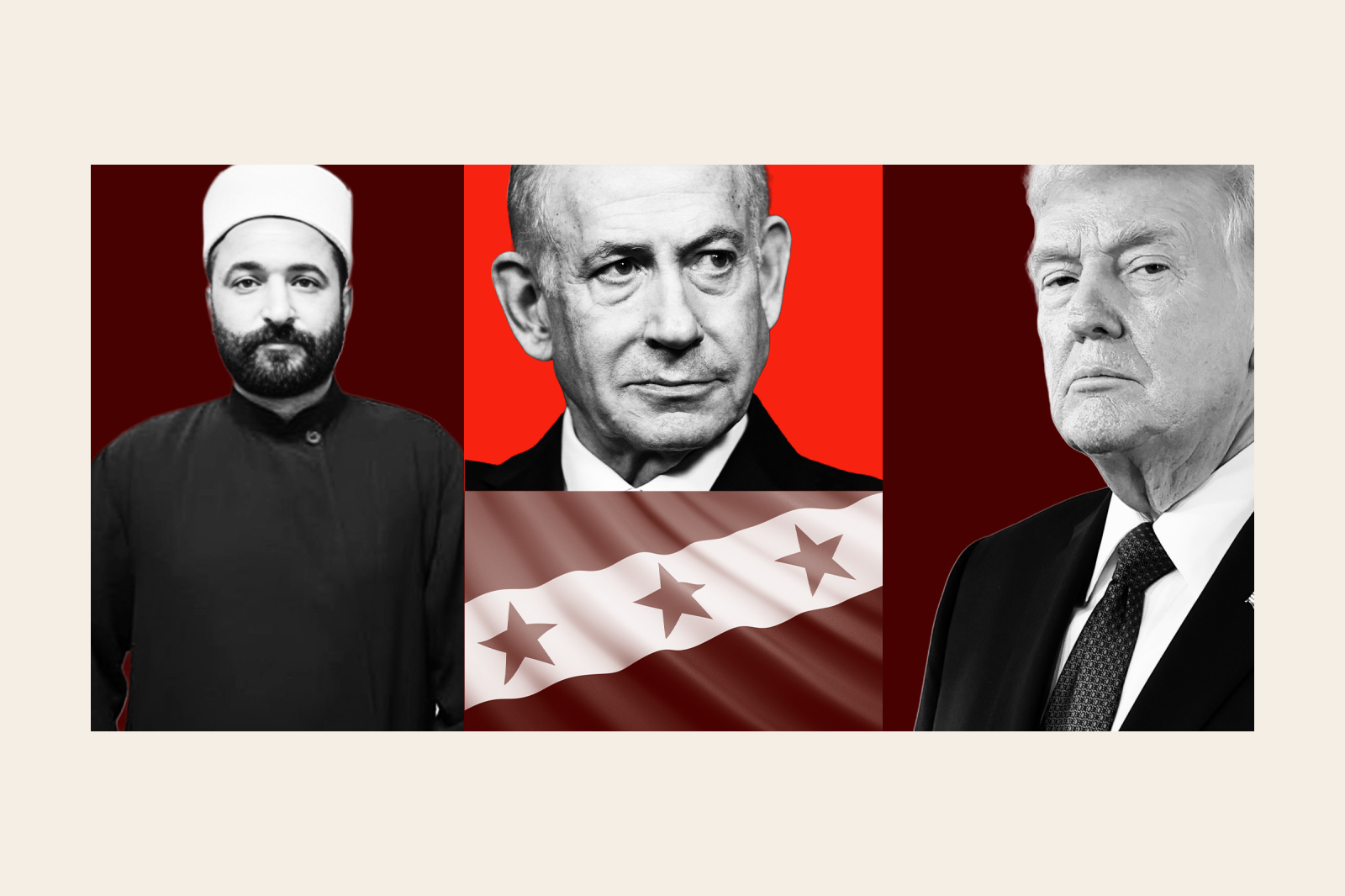
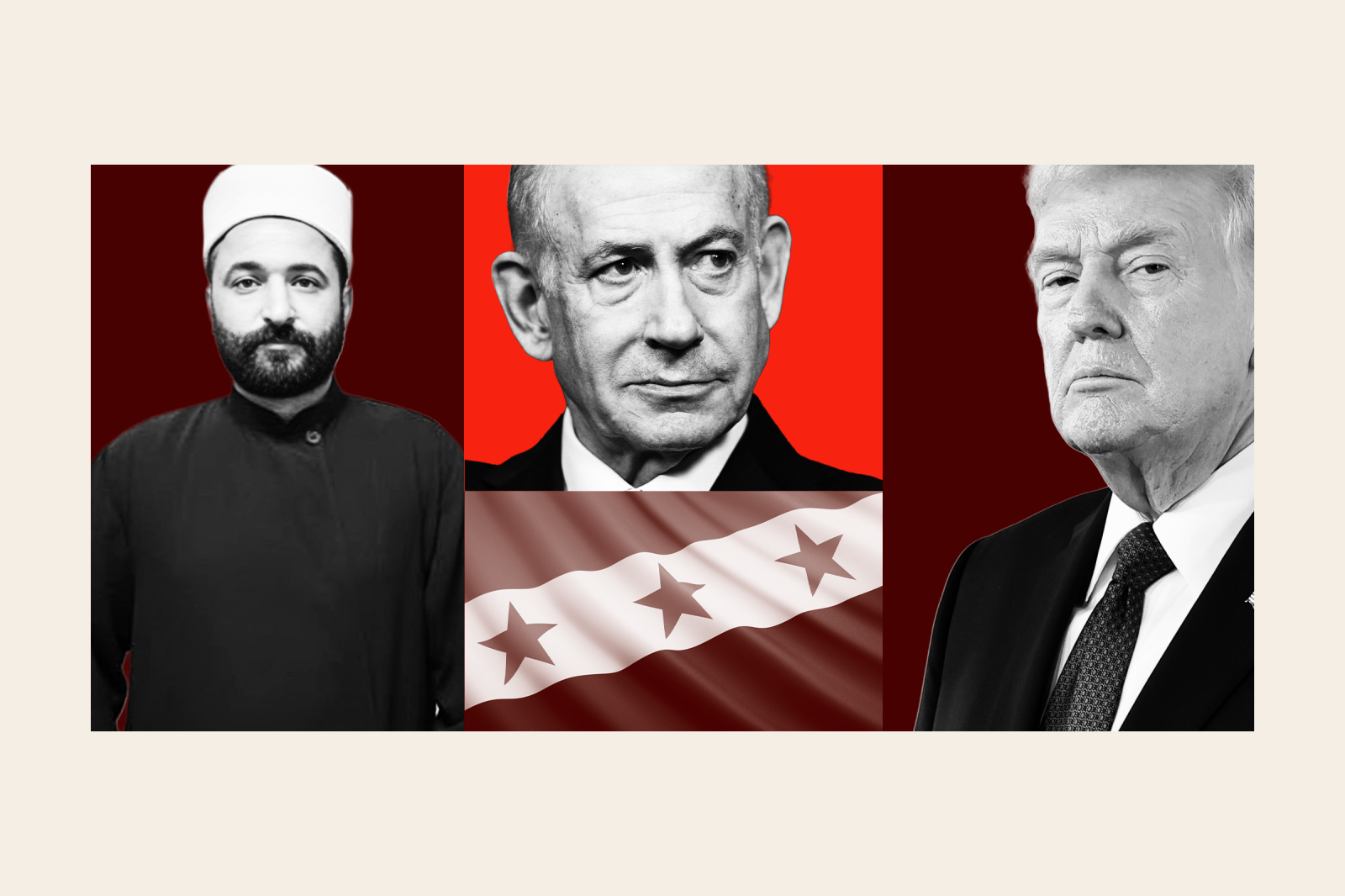
Sheikh Abdul Baqi Denounces Israeli Rhetoric He told Newsweek that Israel’s claim to protect Druze “emboldened” armed factions and made reconciliation “very hard” [1]. He argued that only law‑and‑order, not external interference, can safeguard the community [1]. Abdul Baqi warned that Israeli moves risk destabilizing the already volatile sectarian balance in Sweida [1].
Trump’s Syria Policy Receives Druze Endorsement The chief praised President Trump’s explicit support for the Syrian state, saying U.S. policy “clearly decides: support the state, eliminate terrorism” [1]. He called for a specialized U.S. team to supervise state work and protect Druze interests [1]. Abdul Baqi asserted that Trump’s approach offers the only reliable guarantee of security for minorities [1].
Sweida’s Violence Eases Yet Remains Fragile Clashes between Druze militias and Sunni clans subsided after a truce in July 2025, but the city remains volatile [1]. A mortar attack by Druze fighters on security forces was reported on Monday, underscoring lingering tensions [1]. The chief noted that while sectarian violence has eased, any breach of the truce could reignite widespread fighting [1].
U.S. State Department Supports Reconstruction Roadmap State Department spokesperson reiterated backing for Trump’s “stable, unified” Syria vision and cited a Jordan‑consulted reconstruction plan for Sweida [1]. The U.S. urged all parties to follow the practical security, reconstruction, and reconciliation roadmap [1]. Abdul Baqi welcomed the U.S. stance as essential for long‑term peace in the region [1].
Timeline
Dec 8, 2024 – Insurgent forces seize Damascus, forcing President Bashar Assad to flee to Moscow, ending his 50‑year rule and prompting a rapid collapse of Syrian army defenses in Aleppo, Hama and Homs. [2]
Dec 2024 – Mohammad Marwan escapes from the Saydnaya prison complex after rebel forces open the gates; he had endured six years of torture and electric shocks for evading compulsory military service. [2]
Dec 2024 – Ahmad al‑Sharaa, former Hayat Tahrir al‑Sham leader, assumes the Syrian presidency, delivering a “stunning victory” that ends half a century of Assad rule and raises minority concerns about the new government’s orientation. [1]
Late 2024 – Early 2025 – Russia refrains from intervening in the Damascus takeover and subsequently establishes diplomatic ties with the new Islamist‑led government while retaining its naval bases on the Syrian coast. [2]
2025 – Sectarian clashes between pro‑government Sunni fighters and Alawite and Druze communities kill hundreds, prompting local Druze groups to form a de‑facto administration in Sweida province. [2]
2025 – The World Bank estimates Syria’s reconstruction will cost $216 billion; Gulf‑state pledges largely fail to materialize, leaving many damaged homes to be repaired by individual owners. [2]
2025 – More than one million refugees and nearly two million internally displaced Syrians return, but limited jobs and infrastructure keep many at risk of re‑migration; former prisoners like Marwan earn about $5 a day before seeking work abroad. [2]
July 2025 – A truce largely holds in Sweida after deadly clashes between Druze militias and Sunni clans the previous year, stabilizing the city though tensions remain volatile. [1]
Early Feb 2026 – Druze fighters launch a mortar attack on Syrian security forces in Sweida, breaking the fragile peace and underscoring ongoing volatility. [1]
Feb 5, 2026 – Sheikh Suleiman Abdul Baqi, head of internal security in Sweida, tells Newsweek that “law‑and‑order, not Israeli intervention, is the Druze’s best protection” and lauds Trump’s policy that “clearly decides: support the state, eliminate terrorism,” calling for a specialized team to supervise state work. [1]
Feb 5, 2026 – Israeli Druze spiritual leader Sheikh Muwaffiq Tarif recounts alleged Syrian security abuses in Sweida and urges President Trump to adopt a harder line on Damascus to protect all minorities. [1]
Feb 6, 2026 – A U.S. State Department spokesperson reiterates support for Trump’s approach, cites a Jordan‑consulted reconstruction roadmap for Sweida, and urges all parties to follow a practical plan for security, reconstruction and reconciliation. [1]