Australia Backs Removal of Prince Andrew After Arrest, Offering Commonwealth Support
Updated (4 articles)
-
 Image: Newsweek
 -
Image: Newsweek
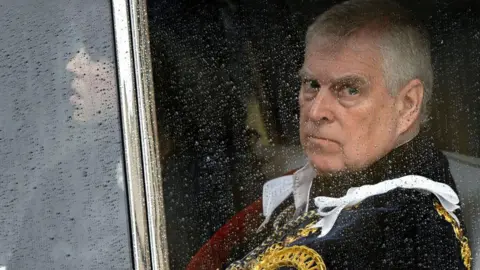
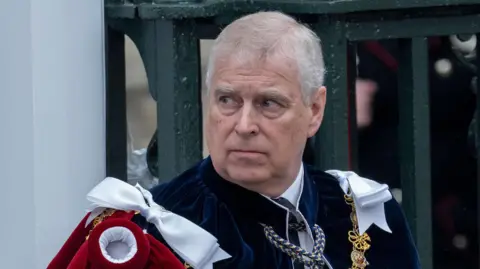
Prince Andrew Arrested and Released Amid Ongoing Probe On Thursday morning (21 Feb 2026) Prince Andrew was taken into custody by Thames Valley Police on suspicion of misconduct in public office and released after a 10‑ to 11‑hour detention while investigators searched Sandringham, his Windsor residence and Royal Lodge for electronic evidence [1][2][3][4]. He has denied any wrongdoing, and the police have not disclosed the specific trigger for the arrest [2][3]. The high‑profile arrest has dominated UK front pages and prompted immediate calls for legislative action [2].
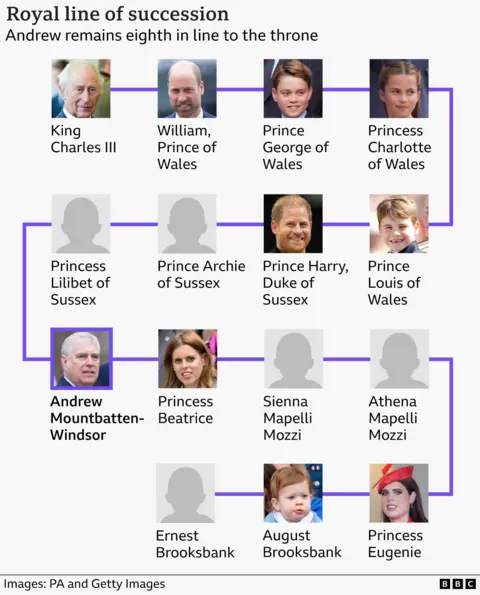
Legislative Path Requires Parliament and Commonwealth Approval The UK government is drafting a bill that would remove Andrew from the line of succession; the proposal must pass ten parliamentary stages, receive royal assent, and be ratified by all 14 Commonwealth realms under the Statute of Westminster [1][2][3][4]. The last comparable removal occurred in 1936 when Edward VIII and his descendants were excluded following his abdication [1]. A similar modern amendment, the 2013 Succession to the Crown Act, shows the legal precedent for changing succession rules [3].
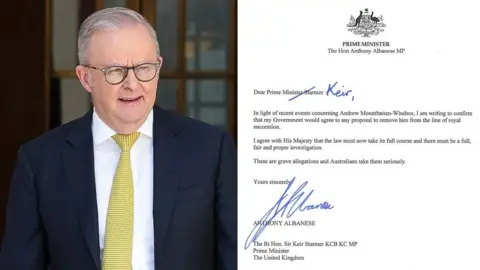
Political Leaders Across Parties Back Removal Defence Minister Luke Pollard called the move “the right thing to do,” emphasizing that no one is above the law [1][2][3]. Liberal Democrat leader Sir Ed Davey, SNP Westminster leader Stephen Flynn and Labour MP Rachael Maskell publicly supported the legislation [3][4]. Australian Prime Minister Anthony Albanese wrote to UK Prime Minister Keir Starmer confirming Australia would support any Commonwealth‑wide action [1].
Opposition Cautions Against Premature Action Reform UK leader Nigel Farage urged Parliament to wait for the police investigation before legislating, warning of a “trial by media” [1]. Conservative leader Kemi Badenoch similarly called for space for the probe, while some Labour members questioned the necessity given Andrew’s low position on the succession list [4]. These voices stress the importance of due process before constitutional changes [1][4].
Implications for Titles and Duties Stripping Andrew from the succession would also remove his status as a Counsellor of State, ending any remaining royal duties and further distancing him from the monarchy [2][3]. He already lost his prince title in October 2023 and settled a U.S. civil lawsuit in 2022 without admitting liability, but removal from the line would be the most consequential sanction [4].
Sources
-
1.
BBC: Australia backs removing Prince Andrew from succession – Reports Australian PM Anthony Albanese’s letter offering Commonwealth support and outlines the legislative requirements, noting the last removal in 1936 .
-
2.
CNN: UK government moves to strip Prince Andrew from succession after arrest – Details the arrest, police searches, and the political push to revoke his Counsellor of State role, emphasizing the need for a bill .
-
3.
BBC: Government considers stripping Prince Andrew from succession – Highlights the UK government’s draft bill, cross‑party backing, and the procedural steps required across Parliament and the Commonwealth .
-
4.
Newsweek: UK Parliament considers removing Prince Andrew from succession – Provides context on the legal history, mentions Prime Minister Keir Starmer’s earlier reluctance, and notes mixed reactions within Labour and Conservative ranks .
Related Tickers
Timeline
1936 – Parliament removes Edward VIII and his descendants from the line of succession after his abdication, establishing a precedent for parliamentary removal of royals from the throne [1].
2013 – The Succession to the Crown Act reforms succession rules, requiring any removal to pass both Houses, receive royal assent and obtain consent of the 14 Commonwealth realms, a framework later cited for Prince Andrew’s case [2].
2022 – Prince Andrew settles a U.S. civil lawsuit alleging sexual abuse by Virginia Giuffre without admitting liability, losing military titles and royal duties, which fuels ongoing scrutiny of his conduct [4].
Oct 2025 – The UK strips Prince Andrew of his prince title over his ties to Jeffrey Epstein, yet he remains eighth in line to the throne, highlighting the gap between title loss and succession rights [1].
Feb 20 2026 – Liberal Democrat and SNP MPs introduce a bill to remove Prince Andrew from the succession, noting that any change must pass both Houses, receive the King’s assent and be approved by all 14 Commonwealth realms [4].
Feb 20 2026 – Thames Valley Police arrest Prince Andrew on suspicion of misconduct in public office, detain him for 10‑11 hours, release him under investigation, and conduct searches at Sandringham and his Windsor residence for electronic evidence [3][4].
Feb 21 2026 – Defence Minister Luke Pollard tells the BBC that stripping Andrew “is the right thing to do” regardless of the police probe outcome, and says the government coordinates with Buckingham Palace to seek cross‑party support for the bill [2][3].
Feb 21 2026 – The UK government announces it is reviewing legislation to remove Prince Andrew from the line of succession, emphasizing that the bill will wait until the police investigation concludes and will need Commonwealth approval [2].
Feb 23 2026 – Australian Prime Minister Anthony Albanese writes to UK Prime Minister Keir Starmer confirming Australia will support any proposal to strip Prince Andrew from the succession, stating Australians take the grave allegations seriously [1].