US DOJ Releases 3 Million Epstein Files, Prompting Slovak Resignation and Prince Andrew Probe
Updated (2 articles)
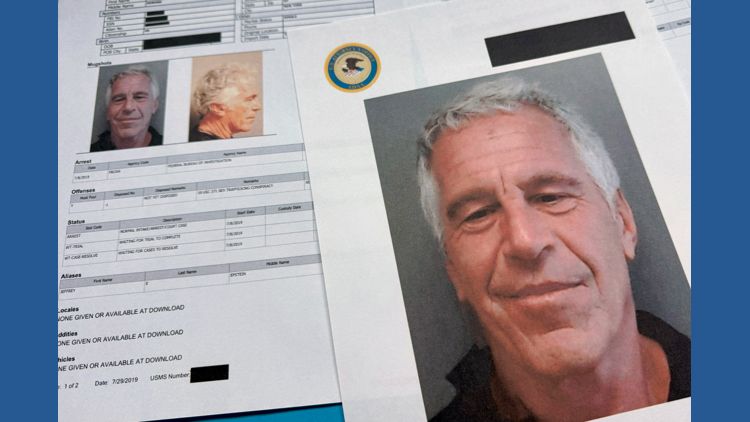
Massive DOJ Release Unveils Decades of Epstein Documentation The Justice Department posted over 3 million pages, 2,000 videos and 180,000 images covering two decades of investigations on Jan 31, 2026 [1][2]. Materials show Epstein corresponded with high‑profile figures including Steve Bannon, Steve Tisch, Bill Gates and Elon Musk. The files are publicly accessible on the DOJ website, though many sections remain redacted.
Early FBI Probe Detailed in Draft Indictment Records reveal the FBI began probing Epstein in July 2006 and drafted an indictment in May 2007 after underage girls reported paid sexual massages [1][2]. The draft listed three personal assistants as potential co‑defendants and noted tasks such as delivering flowers to a high‑school student and handling cash and condoms near Epstein’s bed. The indictment was never filed after a 2008 non‑prosecution agreement was signed by U.S. attorney Alexander Acosta.
Slovak Resignation Triggers Political Fallout Miroslav Lajcak, former Slovak foreign minister and one‑year UN General Assembly president, resigned as national security adviser after emails showed Epstein invited him to dinner in 2018 [1][2]. Prime Minister Robert Fico accepted the resignation on Jan 30, 2026, though Lajcak faced no criminal accusations. Opposition parties and a nationalist coalition partner pressured the government, citing the diplomatic nature of the contacts.
British Government Presses Prince Andrew for Cooperation Prime Minister Keir Starmer urged former Prince Andrew, now Andrew Mountbatten‑Windsor, to provide a “transcribed interview” to the U.S. House Oversight Committee [1][2]. Andrew has ignored the request despite his name appearing hundreds of times in the released emails, including a 2010 exchange arranging a dinner date. Starmer’s appeal follows renewed calls in Britain for the former royal to cooperate with the U.S. investigation.
Political Figures React to File Dump Former President Donald Trump claimed the release “absolved” him and framed it as vindication, though he offered no specific evidence of interactions [1][2]. A coalition of Epstein survivors warned that selective redactions make victims identifiable while shielding possible enablers, prompting Rep. Jamie Raskin to demand unredacted access for Congress [1][2]. DOJ officials acknowledged inconsistencies, noting some copies expose names that are blacked out in others.
Sources
-
1.
AP: New DOJ Epstein Files Spark International Fallout: Details the 3 million‑page release, Slovak official’s resignation, Starmer’s call for Prince Andrew’s interview, Trump’s vindication claim, early FBI investigation, and survivor criticism of redactions.
-
2.
King5: Epstein Files Trigger Slovak Resignation and Renew Calls on Prince Andrew: Highlights the same massive document dump, Lajcak’s resignation, Starmer’s urging of Prince Andrew, Trump’s reaction, FBI draft indictment, and lawmakers’ demand for full, unredacted files.
Timeline
July 2006 – FBI launches its first probe into Jeffrey Epstein after reports of underage girls receiving paid sexual massages, marking the start of a two‑decade investigation that later yields millions of pages of documents [1][2].
May 2007 – FBI drafts an indictment against Epstein, naming three personal assistants as potential co‑defendants and noting tasks such as delivering flowers to a high‑school student and handling cash and condoms near Epstein’s bed; the indictment never proceeds due to a later non‑prosecution agreement [1][2].
2008 – U.S. Attorney Alexander Acosta signs a non‑prosecution agreement with Epstein, effectively ending the 2007 indictment draft and allowing Epstein to avoid federal charges at that time [1][2].
2010 – Email exchange between Prince Andrew and Epstein arranges a dinner date, later cited in the 2026 DOJ file release as evidence of the former royal’s long‑standing friendship with Epstein [1][2].
2018 – Epstein invites Slovak diplomat Miroslav Lajcak to dinner and meetings, a contact revealed in the 2026 files that later triggers Lajcak’s resignation from his role as national security adviser [1][2].
Jan 31, 2026 – U.S. Justice Department posts more than 3 million pages, 2,000 videos and 180,000 images from two decades of Epstein investigations, making the trove publicly accessible online and sparking international political fallout [1][2].
Jan 31, 2026 – Prime Minister Keir Starmer publicly urges former Prince Andrew to provide a “transcribed interview” to the U.S. House Oversight Committee about his relationship with Epstein, after the files reference his name hundreds of times [1][2].
Jan 31, 2026 – Former President Donald Trump tells reporters on a flight to Florida that the newly released records “absolve” him and represent “the opposite of what people were hoping,” framing the dump as personal vindication despite offering no specifics [1][2].
Jan 31, 2026 – Slovak Prime Minister Robert Fico accepts the resignation of Miroslav Lajcak as national security adviser following the disclosure of Epstein’s 2018 dinner invitation; Lajcak says the contacts were part of his diplomatic duties and faces no accusations of wrongdoing [1][2].
Jan 31, 2026 – A coalition of Epstein survivors and Rep. Jamie Raskin condemn the DOJ’s selective redactions, arguing they expose victims while shielding alleged enablers, and Raskin calls on Congress to obtain fully unredacted files to assess the legality of the redactions [1][2].
Future (as of Jan 2026) – The U.S. House Oversight Committee anticipates receiving Prince Andrew’s transcribed interview, while congressional leaders plan to pursue unredacted versions of the DOJ files to determine whether redactions violate transparency standards [1][2].