Record Low Antarctic Sea Ice Triggers Massive Emperor Penguin Moult Crisis, 2024‑25
Updated (3 articles)
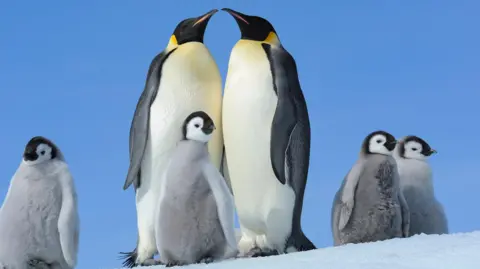
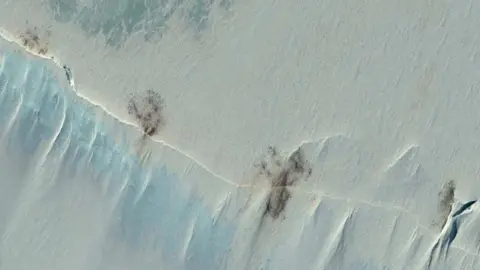
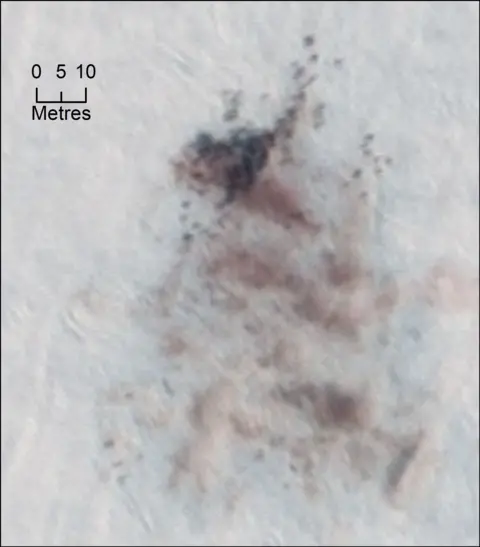
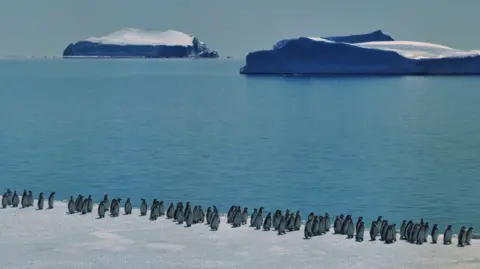
Sea‑Ice Extent Hits Historic Minimum Across Antarctic Summer Antarctic summer sea‑ice area fell from a 2.8 million km² average (2022‑2024) to a record 1.79 million km² in 2023, the lowest extent recorded by satellites, removing the stable platforms penguins need for their annual feather‑shedding [1].
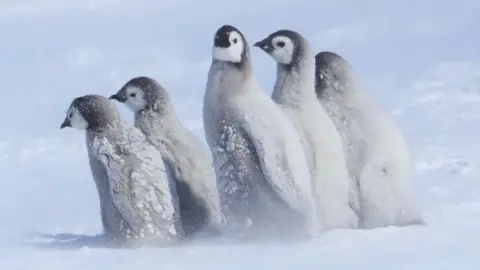
Moult Period Becomes Fatal Without Stable Ice Platforms Emperor penguins must remain on solid ice for a 30‑40‑day moult that strips up to half their body mass; without a waterproof coat, any immersion in frigid water is lethal, making the moult the most dangerous period of the year as ice shrinks [1].
Satellite Data Show Sharp Drop in Penguin Colony Numbers Feather‑mound signatures from 2019‑2025 previously indicated healthy colonies, yet in the 2024‑25 season researchers detected only 25 groups (10‑1,000 birds each), far below expectations, suggesting massive mortality or large‑scale displacement [1].
Researchers Predict Thousands of Penguin Deaths This Decade Dr Peter Fretwell of the British Antarctic Survey, a two‑decade veteran studying emperor penguins, warns that thousands may have already perished and that the new data could shift extinction‑risk models; a targeted Ross Sea count is planned to refine mortality estimates [1].
Some Penguins Begin Moult on Shallow Ice Shelves minority of colonies have started moult on shallow ice shelves rather than sea‑ice floes, offering temporary refuge but potentially disrupting breeding cycles and foraging routes, viewed as a desperate yet likely unsustainable adaptation [1].
Related Tickers
Timeline
2002‑2020 – NASA records Antarctic ice loss of roughly 149 billion metric tons per year, highlighting a long‑term acceleration of melt that underpins later sea‑ice declines and penguin habitat loss[3].
2011‑2021 – Remote‑camera networks across dozens of colonies collect continuous data that later reveal the fastest recorded shift in breeding timing for any backbone animal, forming the empirical basis of the 2026 breeding‑phenology study[2].
2012‑2022 – Average temperatures on Antarctic breeding grounds rise by about 5.4 °F (3 °C), prompting Adelie, chinstrap and gentoo penguins to start breeding roughly two weeks earlier than a decade earlier[2].
2019‑2025 – Satellite feather‑mound signatures track historically healthy emperor‑penguin colonies, but by 2024‑25 researchers detect only 25 groups (10‑1,000 birds each), indicating a massive loss or displacement of colonies[1].
2022‑2024 – Summer sea‑ice area contracts from an average 2.8 million km² to a record low of 1.79 million km² in 2023, drastically reducing safe moult platforms for emperor penguins[1].
2023 – The record low sea‑ice extent leaves few stable platforms for the 30‑40‑day “catastrophic moult,” heightening mortality risk during this critical period[1].
2024‑25 – Researchers observe a sharp decline in emperor‑penguin moult sites, with many birds lacking the waterproof coat needed for survival, prompting warnings of thousands of deaths[1].
Dec 2025 – Tourists navigate the Lemaire Channel while a NASA‑linked study projects that up to 60 % of Adelie colonies could be threatened by warming by 2100, underscoring the broader risk to ice‑dependent species[3].
Jan 2026 – A study in Journal of Animal Ecology confirms that warming has fast‑tracked penguin breeding, notes increasing diet overlap as gentoo penguins breed earlier, and quotes lead author Martinez: “Chinstraps are declining globally and could go extinct before the end of the century,” while Adelies face high local‑extinction risk on the Peninsula[2].
Feb 2026 – Dr Peter Fretwell of the British Antarctic Survey warns that the emperor‑penguin moult crisis could shift extinction projections, and announces a planned Ross Sea count to refine mortality estimates, while noting some groups begin moult on shallow ice shelves—a potential but risky adaptation[1].
All related articles (3 articles)
External resources (4 links)
- https://science.nasa.gov/earth/earth-observatory/climate-change-may-shift-or-shrink-penguin-habitat-88352/ (cited 1 times)
- https://www.ap.org/about/standards-for-working-with-outside-groups/ (cited 2 times)
- https://www.ap.org/discover/Supporting-AP (cited 2 times)
- https://www.zooniverse.org/projects/penguintom79/penguin-watch (cited 1 times)