Bomb Cyclone Spurs Over 1,900 Flight Cancellations Nationwide, Charlotte Worst Affected
Updated (2 articles)
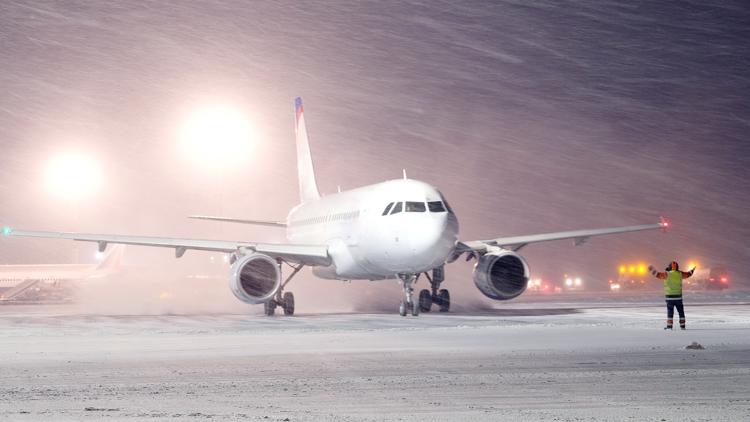
Nationwide Flight Cancellations Surge Amid Bomb Cyclone More than 1,910 flights were canceled across the United States on Sunday, following nearly 2,500 cancellations on Saturday, according to FlightAware data compiled by both outlets [1][2]. Airlines scrambled to adjust schedules as heavy snow, high winds, and frigid temperatures crippled operations at major hubs. Passengers were repeatedly urged to verify flight status before heading to the airport.
Charlotte Douglas Experiences Heaviest Snowfall and Largest Cancellations Charlotte Douglas International Airport recorded over 800 cancellations on Sunday, adding to more than 1,000 the previous day, making it the most disrupted airport in the country [1][2]. The airport endured its heaviest snowfall in decades, creating blizzard‑like conditions that forced runway closures and extensive de‑icing efforts. Ground crews worked around the clock to clear runways, yet recovery remained slow.
Snow Accumulations Exceed a Foot Across Multiple States The National Weather Service reported snowfall totals topping a foot in several locations in North Carolina, with significant accumulations also reported in South Carolina, Virginia, Georgia, and West Virginia [1][2]. These depths contributed to hazardous travel conditions and further impeded airport operations. Snow maps released by the agency highlighted the widespread impact of the storm’s moisture plume.
Power Outages Affect Tens of Thousands in Storm Zone Early Sunday, tens of thousands of customers remained without electricity across the Carolinas and surrounding states, though outage numbers fell from Saturday evening as utility crews restored service [1][2]. The loss of power compounded travel difficulties, forcing some airports to rely on backup generators. Restoration crews prioritized critical infrastructure, including hospitals and transportation hubs.
DOT Requires Refunds for Canceled Flights, Outlines Passenger Rights The U.S. Department of Transportation mandates that airlines provide refunds for canceled or significantly altered flights, even for non‑refundable tickets, unless passengers accept an alternative offered by the carrier [1][2]. Airlines are not obligated to provide additional compensation such as meals or hotel stays unless their own policies cover “controllable” issues. Passengers can file complaints online, and the DOT offers specific guidance for travelers with disabilities.
Sources
-
1.
WBNS: Bomb Cyclone Triggers Massive Flight Cancellations and Travel Disruptions: details 1,910 Sunday cancellations, Charlotte’s 800+ cancellations, over‑foot snowfall, lingering power outages, and DOT refund requirements .
-
2.
King5: Bomb Cyclone Forces Thousands of Flight Cancellations Across the U.S.: mirrors national cancellation figures, emphasizes passenger complaint process and disability guidance, and reports the same snowfall and outage data .
Related Tickers
Timeline
Jan 31, 2026 – A rapidly intensifying bomb cyclone moves out of the Southeast, deepening its low pressure and generating heavy snow, high winds, and frigid temperatures that trigger nearly 2,500 flight cancellations nationwide as airlines scramble to adjust schedules and passengers are urged to verify flight status [1][2].
Feb 1, 2026 – More than 1,900 flights are canceled across the United States on Sunday, extending the disruption from the previous day and forcing airlines to re‑route aircraft and issue travel advisories [1][2].
Feb 1, 2026 – Charlotte Douglas International Airport records over 800 cancellations on Sunday (adding to more than 1,000 the day before), endures its heaviest snowfall in decades, and struggles with runway clearing and de‑icing operations that delay recovery [1][2].
Feb 1, 2026 – Snowfall totals top a foot in several locations in North Carolina, with South Carolina, Virginia, Georgia, and West Virginia also reporting significant accumulations that contribute to runway closures and hazardous road conditions [1][2].
Feb 1, 2026 – Tens of thousands of customers across the Carolinas and surrounding states remain without electricity early Sunday, prompting utility crews to prioritize restoration for critical infrastructure such as airports operating on backup generators [1][2].
Feb 1, 2026 – The U.S. Department of Transportation mandates that airlines provide refunds for any canceled or significantly changed flights, even for non‑refundable tickets, unless passengers accept an alternative offered by the carrier [1][2].
Feb 1, 2026 – Passengers are advised they can file complaints with the DOT via its online form, and travelers with disabilities are directed to the DOT’s dedicated webpage for travel‑rights guidance [2].
External resources (6 links)
- https://airconsumer.dot.gov/consumer/s/oacp-form (cited 2 times)
- https://www.transportation.gov/airconsumer/airline-cancellation-delay-dashboard (cited 2 times)
- https://www.transportation.gov/individuals/aviation-consumer-protection/traveling-disability (cited 2 times)
- https://www.weather.gov/source/crh/snowmap.html (cited 2 times)
- https://x.com/NWSWilmingtonNC/status/2017887505333231878 (cited 2 times)
- https://www.flightaware.com/live/cancelled/today (cited 2 times)