Trump Calls Canada 51st State as Canada Pushes Medium‑Power Coalition Amid Alberta Separatist Talks
Updated (3 articles)
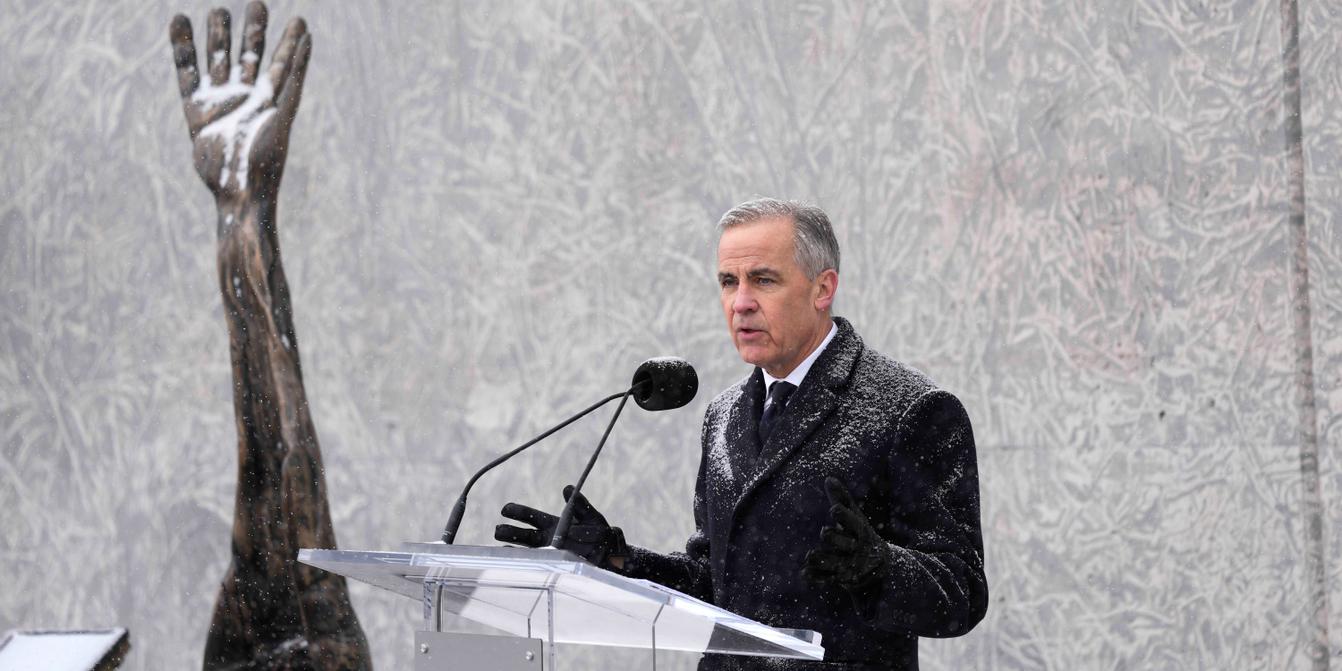
Trump Publicly Invites Canada to Become 51st State Trump publicly invited Canada to become the United States’ 51st state during a February 5 press event, prompting outrage among roughly 40 million Canadians; Harper echoed the threat in his February 4 remarks, describing it as a direct challenge to sovereignty; Trump later dismissed Prime Minister Mark Carney’s Davos warning as ingratitude, calling him “governor Carney.” [1][2]
U.S. State Department Meets Alberta Separatist Leaders State Department representatives repeatedly engaged members of the Alberta Prosperity Project, a far‑right group advocating Alberta’s independence, according to the Financial Times disclosure cited by Le Monde; Harper warned that a potential Alberta separatist referendum, with Premier Danielle Smith estimating support around 30 percent, could further destabilize national unity; both outlets note that the U.S. outreach to the separatists heightens Canadian security concerns. [1][2]
Carney Warns of Post‑War Order Collapse at Davos In a January speech at Davos, Prime Minister Mark Carney declared that the post‑war international order is collapsing and that reliance on geography and traditional U.S. alliances no longer guarantees Canada’s prosperity or safety; he called for a coalition of “medium powers” to counter great‑power dominance, echoing a six‑decade European‑integration strategy; Carney’s remarks were framed as a call for Canada to assume a more independent diplomatic role. [1]
Harper Calls for Sacrifice and Cross‑Party Unity Former prime minister Stephen Harper, speaking at the unveiling of his portrait on February 4, urged Canadians to be ready to make “any sacrifice necessary” to protect sovereignty against external threats such as Trump’s 51st‑state suggestion, tariff threats, and a push for Greenland; he appealed to both Liberal and Conservative parties to set aside differences and confront domestic challenges, including the Alberta separatist movement; Harper thanked Carney for attending and highlighted the need for a stronger, less U.S.–dependent Canada. [2]
Trump Labels Carney Ingrateful, Reaffirms U.S. Dependence Narrative Trump responded to Carney’s Davos comments by accusing the Canadian leader of ingratitude, insisting that Canada “exists because of the United States” and should show more respect; this retort directly contradicts Carney’s assertion that Canada can no longer count on U.S. security guarantees; the clash underscores a widening diplomatic rift between the two governments. [1]
Sources
-
1.
Le Monde: Canada’s Identity Clash with the United States Escalates: details Trump’s 51st‑state invitation, U.S. meetings with Alberta separatists, Carney’s Davos warning, and his call for a medium‑power coalition, emphasizing a shift away from U.S.-centric security.
-
2.
AP: Harper Calls for Unity as Canada Faces U.S. Threats: focuses on Harper’s plea for national sacrifice and cross‑party unity, cites Trump’s proposals, tariff and Greenland pressures, and highlights the potential Alberta referendum and Carney’s economic record.
Timeline
2008 Harper’s government employs decisive deficit spending to steer Canada through the global financial crisis, a record later cited by Prime Minister Carney as evidence of balanced‑budget conservatism and effective crisis management [1].
Jan 2026 Prime Minister Mark Carney delivers a Davos speech declaring “we are in the middle of a rupture, not a transition,” warning that the post‑war order is collapsing and urging a coalition of medium‑power nations to counter great‑power dominance [3].
Jan 22, 2026 Carney rebuts President Trump at a cabinet‑planning forum in Quebec City, asserting that Canada thrives on its own values and institutions rather than U.S. support [2].
Jan 22, 2026 Trump posts a letter on social media withdrawing Canada’s invitation to join his Board of Peace, signaling a break in outreach after Carney’s Davos remarks [2].
2026 The Canada‑U.S‑Mexico Agreement (USMCA) faces a mandatory review this year, a process that could reshape tariff protections and trade relations between the three nations [2].
Feb 3, 2026 Former prime minister Stephen Harper unveils his official portrait in Toronto and urges Canadians to make “any sacrifice necessary” to protect sovereignty amid Trump’s 51st‑state suggestion, tariff threats, and a push to acquire Greenland [1].
Feb 3, 2026 Harper calls on Liberal and Conservative parties to set aside differences, warning that a potential Alberta separatist referendum—where Premier Danielle Smith reports roughly 30 % support—could further endanger national unity [1].
Feb 5, 2026 President Trump publicly invites Canada to become the United States’ “51st state,” provoking outrage among roughly 40 million Canadians [3].
Feb 5, 2026 U.S. State Department officials repeatedly meet with the Alberta Prosperity Project, a far‑right group advocating Alberta’s independence, according to the Financial Times [3].
Feb 5, 2026 Trump dismisses Carney’s remarks as ingratitude, calling him “governor Carney” and claiming Canada “exists because of the United States” [3].
Feb 5, 2026 Carney reiterates that Canadians can no longer rely on geography and traditional alliances for security, arguing that long‑standing assumptions of prosperity tied to U.S. dominance are no longer valid [3].