Robbie Williams Begins Long 90s Tour, Hits 16th UK Number‑One, Beats Beatles Record
Updated (2 articles)
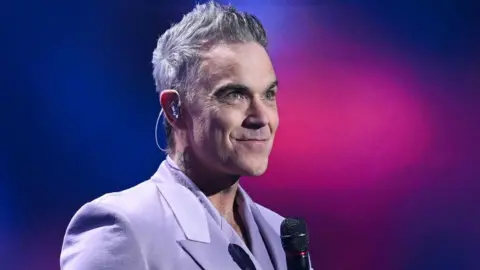
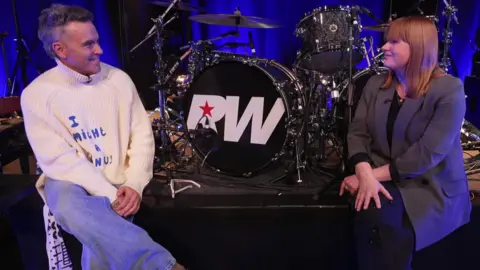
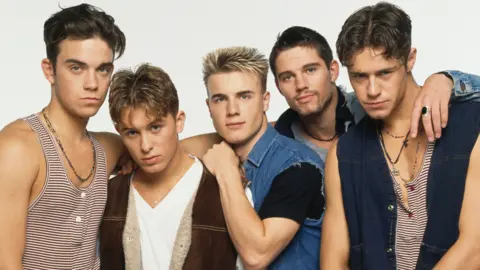
Robbie Williams launches “Long 90s” tour and releases record‑breaking album The singer starts his new “Long 90s” tour this week, performing in intimate venues reminiscent of his early solo shows, and simultaneously drops his 16th UK number‑one album titled Britpop [1]. The album tops the chart, overtaking the Beatles’ previous record for most UK number‑ones [1]. Williams frames the tour as a celebration of the decade that shaped his career [1].
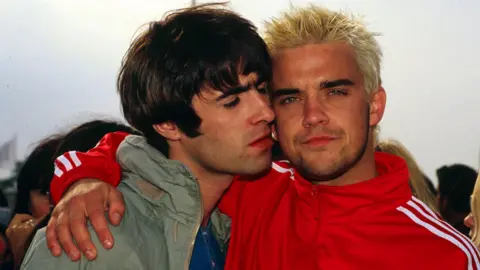
Williams describes the 1990s as culturally rich yet personally painful He calls the 1990s “the last great decade for popular culture,” crediting it with producing enduring music trends [1]. At the same time, he reveals he suffered severe depression during that period, which dulled his enjoyment of success [1]. The contrast underscores how his public triumphs masked private turmoil [1].
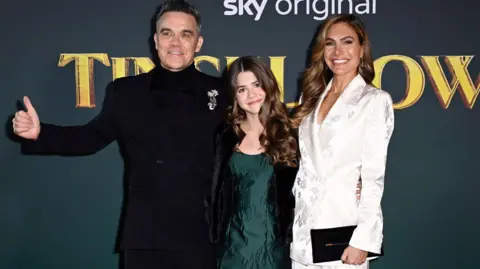
Fatherhood and reduced media intrusion reshape his outlook Williams attributes his renewed sense of purpose to his daughter Theodora, born in 2012, saying she made “the world start to make sense” for him [1]. He notes that paparazzi, phone‑hacking and constant surveillance have largely faded, granting him greater privacy compared with his early solo years [1]. This shift, he suggests, has eased his stage‑fright and allowed him to focus on responsibility rather than self‑obsession [1].
Future ambitions include hotels, an entertainment university, and a Take That reunion He outlines plans to build performance venues within hotels and launch a “university of entertainment” to train future artists [1]. Williams also expresses love for his former bandmates after watching a recent Netflix documentary on Take That, hinting at a possible reunion [1]. These projects signal a broader vision beyond touring and recording [1].
Timeline
1990s – Williams describes the decade as “the last great decade for popular culture” while he battles severe depression that dulls his enjoyment of success, highlighting the contrast between cultural vibrancy and personal turmoil [1].
2012 – The birth of his daughter Theodora gives Williams a sense of purpose, eases his stage‑fright and makes “the world start to make sense,” marking a turning point in his personal life [1].
Jan 19, 2026 – Williams releases Britpop, a tribute to 90s British music featuring collaborators Gaz Coombes and Gary Barlow, positioning the album as a nostalgic “time‑machine trip” to the era [2].
Jan 23, 2026 – Britpop tops the UK Albums Chart, delivering Williams his 16th solo number‑one and overtaking The Beatles’ record for most UK number‑one albums [2].
Jan 23, 2026 – In a BBC interview Williams calls the achievement “unbelievable,” reflects on his mental‑health journey and addiction struggles, and says he will spend the week reminding himself how lucky he is [2].
Jan 23, 2026 – While on a weekend break in Paris with wife Ayda Field, Williams plans a low‑key celebration with a Coke Zero and a salad, noting his daughter Teddy’s quiet reminder of the UK‑only nature of the record [2].
Feb 5, 2026 – Williams kicks off his “Long 90s” tour in intimate venues that echo his early solo shows, simultaneously launching his 16th UK number‑one album Britpop [1].
Feb 5, 2026 – He reiterates that the 1990s produced a culturally rich era yet were personally painful, emphasizing how the period shaped his artistic identity [1].
Feb 5, 2026 – Williams credits fatherhood (Theodora, born 2012) for giving him responsibility and reducing his self‑obsession, which helps him manage stage‑fright [1].
Feb 5, 2026 – He notes a dramatic drop in media intrusion—no longer facing paparazzi, phone‑hacking or constant surveillance—contrasting today’s privacy with the “torrid” press attacks of his early solo career [1].
Feb 5, 2026 – Williams muses that social media would have “seen him off” in the 1990s, suggesting the internet would have amplified negative attention and the human tendency to hunt threats [1].
Feb 5, 2026 – He unveils future ambitions: building venues inside hotels, launching a “university of entertainment,” and hints at a possible Take That reunion after watching a recent Netflix documentary on the band [1].