Senate Debate Over $10 B ICE Allocation Fuels Shutdown Risk
Updated (4 articles)
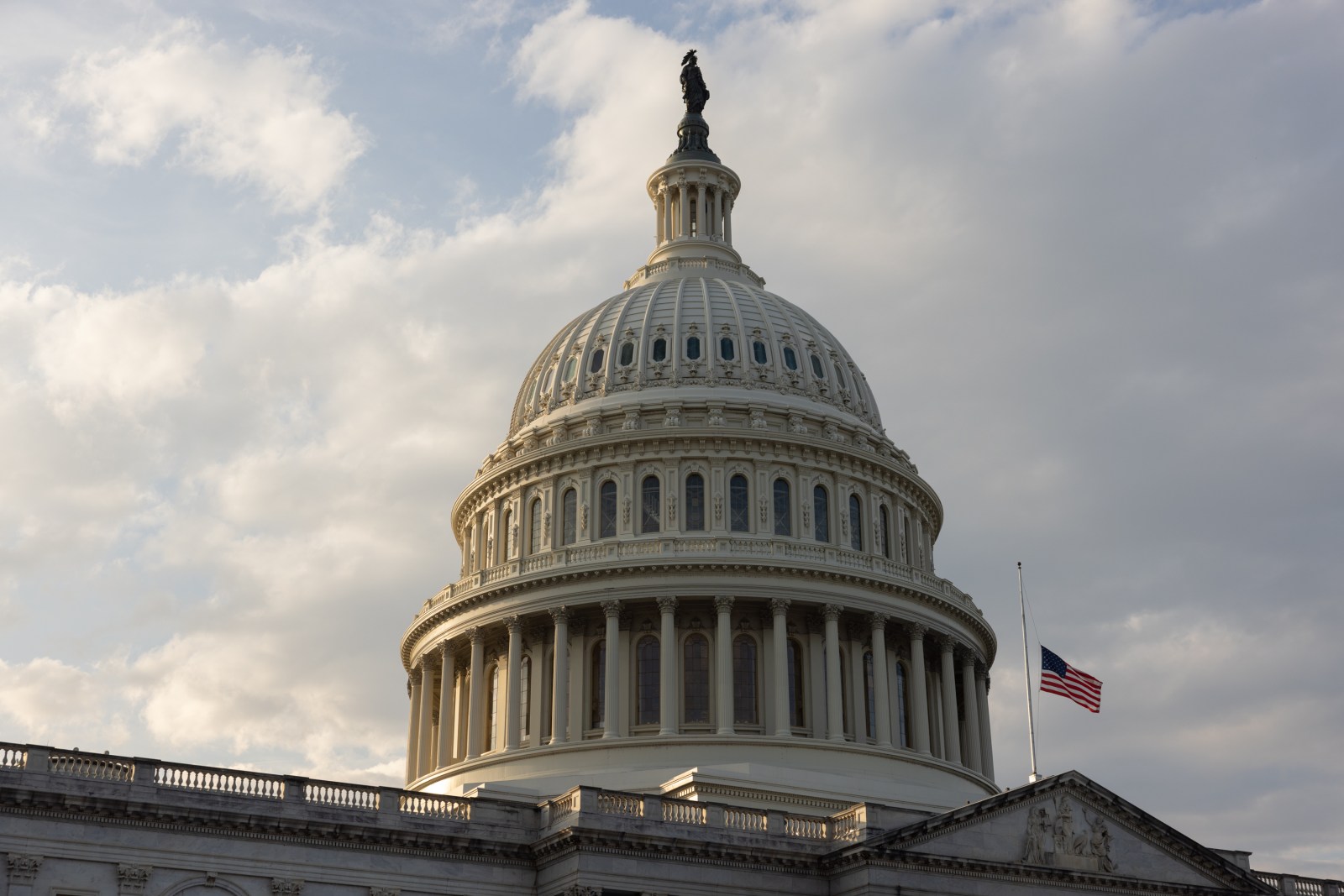
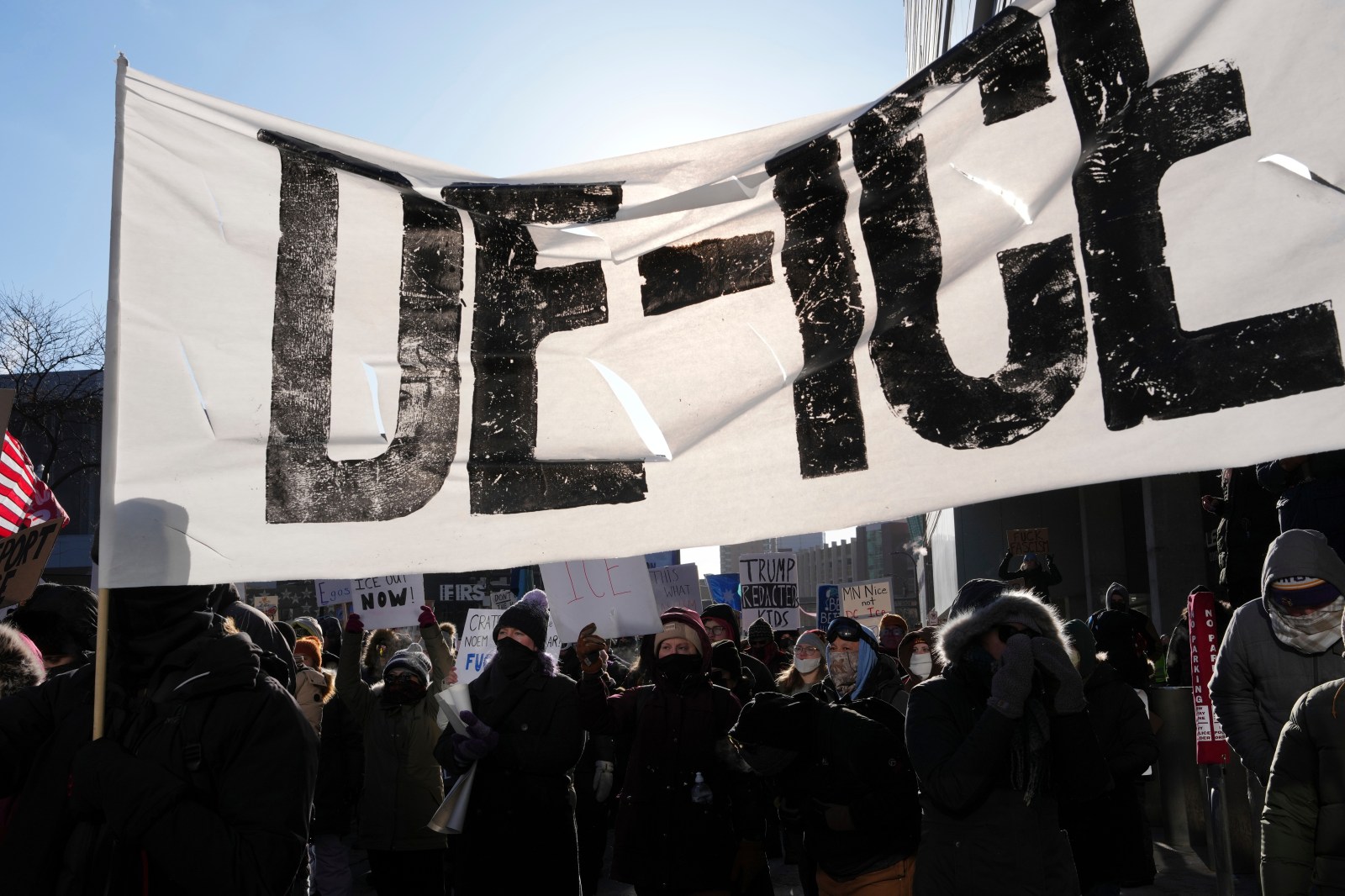
ICE Budget Surpasses Small Nations While Holding Vast Unobligated Reserves The agency’s $29 billion annual budget exceeds the entire defense spending of Denmark, Romania, Belgium, Greece and Morocco, and rivals that of Turkey, Spain, the Netherlands, Algeria, Brazil and Canada [1]. USA Spending.gov shows ICE carried over $73 billion, received $3 billion in new appropriations and can draw $545 million from other resources, with over 97 % of its budget classified as unobligated [1]. This financial flexibility enables ICE to fund expanded enforcement even if a broader DHS appropriations bill stalls.
House Appropriations Bill Allocates $10 B to ICE Amid Narrow Passage The House passed a $64.4 billion DHS spending package, including $10 billion for ICE, by a 220‑207 vote; Rep. Thomas Massie was the sole GOP dissenting vote [1]. The measure would fund ICE and FEMA through September 30 unless the Senate rejects it, creating a partial shutdown scenario on Saturday [1]. The bill’s passage underscores the partisan split over ICE’s role and funding levels.
Senate Stalemate and Democratic Reform Demands Threaten Funding Senate approval requires 60 votes to overcome a filibuster, but Republicans hold only a 53‑47 majority, making Democratic support essential [2]. Senators Jeanne Shaheen and Chris Murphy have said they will not back the bill without reforms such as ending roving patrols and mandating body‑camera footage [2]. Ranking member Rosa DeLauro warned that a lapse would shut down TSA, FEMA and the Coast Guard while ICE would continue operating unchanged [2].
Minneapolis Shootings Intensify ICE Scrutiny and Market Panic The fatal shooting of ICU nurse Alex Pretti by a Border Patrol officer, the killing of ICE agent Jonathan Ross and the injury of migrant Julio Cesar Sosa‑Celis have sparked public outcry and calls for funding reform [1][2]. Senators Patty Murray, Cory Booker, Ed Markey, Catherine Cortez Masto and Rep. Alexandria Ocasio‑Cortez demanded an end or reshaping of ICE financing [1]. Betting platform Kalshi listed a 72.5 % probability of a government shutdown as of Wednesday, reflecting market expectations that Congress will not reach a deal by the end of January [2].
Sources
-
1.
Newsweek: ICE Funding Surge Threatens Government Shutdown as Senate Deliberates – Details ICE’s $29 billion budget, its massive unobligated reserves, the House’s $64.4 billion DHS bill with $10 billion for ICE, and political calls to halt funding amid recent Minneapolis shootings .
-
2.
Newsweek: Government Shutdown Threatened by ICE Funding Standoff – Highlights the $75 billion supplemental ICE funding, Democratic refusal to pass DHS appropriations without ICE reforms, Senate’s need for bipartisan votes, and market odds predicting a shutdown .
Timeline
2016 – ICE’s budget sits under $6 billion, establishing a baseline before a decade of rapid expansion that later drives intense funding battles [2].
2024 – ICE’s regular budget rises to just under $10 billion while its workforce doubles to roughly 22,000 agents, reflecting a dramatic scale‑up of immigration enforcement [2].
2025 – Congress approves a $75 billion supplemental appropriation for ICE in the “One Big Beautiful Bill,” creating a four‑year reserve that insulates the agency from a potential shutdown [3].
2025 – A series of Minneapolis shootings, including the killing of ICU nurse Alex Pretti and ICE agent Jonathan Ross, ignites nationwide outcry and fuels calls for ICE accountability [2].
Jan 8, 2026 – Liberal Democrats push a hard line on ICE funding, with Rep. Jimmy Gomez declaring “ICE funding should be a red line” and Sen. Chris Murphy urging “common‑sense restrictions,” while moderates like Rep. Jeanne Shaheen warn against risking a shutdown [1].
Jan 8, 2026 – Rep. Lou Correa circulates a letter to appropriators demanding body‑cameras and enhanced training for ICE agents, illustrating concrete reform pressure inside the appropriations process [1].
Jan 21, 2026 – Congressional negotiators unveil a $1.2 trillion spending “minibus” that bundles a dozen appropriations bills and is slated to move to the House floor within the week to avert a funding lapse on Jan 30 [4].
Jan 21, 2026 – Progressive Democrats post reservations on social media, urging leadership to “demand stronger accountability before backing the package” and signaling potential resistance to the minibus [4].
Jan 28, 2026 – The House passes a $64.4 billion DHS spending bill with $10 billion for ICE (220‑207 vote); Rep. Thomas Massie is the sole GOP dissent, setting up a possible partial shutdown if the Senate rejects the measure [2].
Jan 28, 2026 – Senate deliberations highlight ICE’s $29 billion annual allocation, which “dwarfs the defense budgets of Denmark, Romania, Belgium, Greece and Morocco,” according to SIPRI data, underscoring the political weight of the agency’s funding [2].
Jan 28, 2026 – Senators Patty Murray, Cory Booker, Ed Markey, Catherine Cortez Masto and Rep. Alexandria Ocasio‑Cortez issue statements urging Congress to halt or reshape ICE financing, citing “constitutional violations” [2].
Jan 28, 2026 – House Appropriations ranking member Rosa DeLauro warns that a lapse would shut down TSA, FEMA and the Coast Guard while ICE would keep operating, calling ICE’s actions a “flagrant disregard for the rule of law.” [3].
Jan 28, 2026 – Senators Jeanne Shaheen and Chris Murphy say they will not support the DHS bill until reforms such as ending roving patrols and requiring body‑camera footage are included [3].
Jan 28, 2026 – Betting‑market platform Kalshi lists a 72.5 % probability of a government shutdown as of Wednesday morning, reflecting market expectations that Congress will not reach a deal by the end of January [3].
Jan 30, 2026 – If Congress fails to approve a continuing resolution, a partial shutdown looms, threatening services like TSA, FEMA and the Coast Guard while ICE continues operating under its supplemental reserves [3].
All related articles (4 articles)
-
Newsweek: ICE Funding Surge Threatens Government Shutdown as Senate Deliberates
-
Newsweek: Government Shutdown Threatened by ICE Funding Standoff
-
Newsweek: Progressives resist ICE reforms as $1.2 trillion spending package aims to avert shutdown
-
CNN: Liberal Democrats push for shutdown clash over ICE funding but face resistance in Democratic ranks
External resources (3 links)
- https://democrats-appropriations.house.gov/news/press-releases/appropriations-committees-release-homeland-security-funding-bill (cited 1 times)
- https://jayapal.house.gov/2026/01/20/ranking-member-jayapal-statement-on-dhs-funding/ (cited 1 times)
- https://x.com/ChrisVanHollen/status/2013797922085691572 (cited 1 times)