DHS Deploys Body‑Worn Cameras to All Minneapolis Immigration Officers During Funding Standoff
Updated (5 articles)
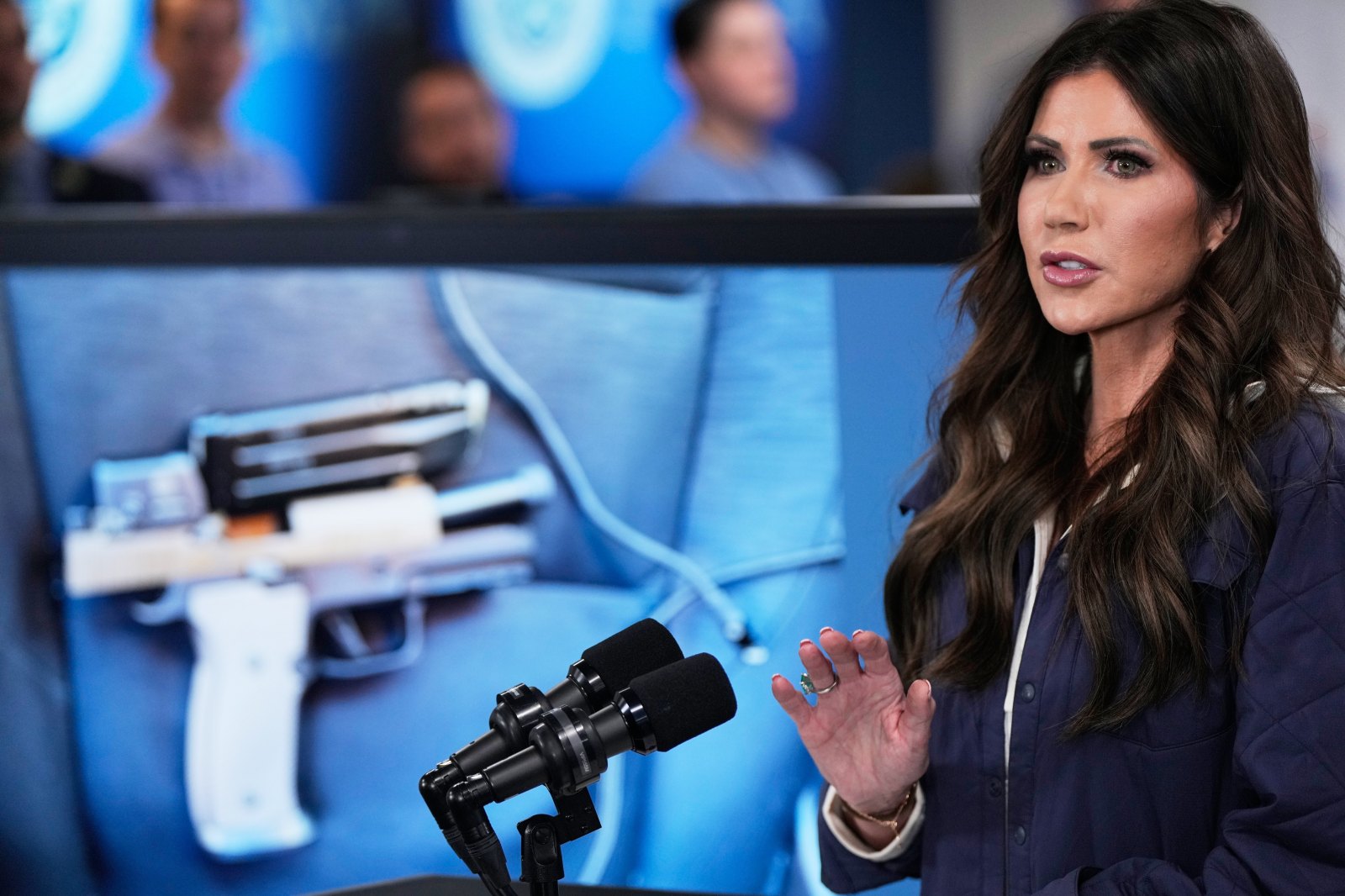
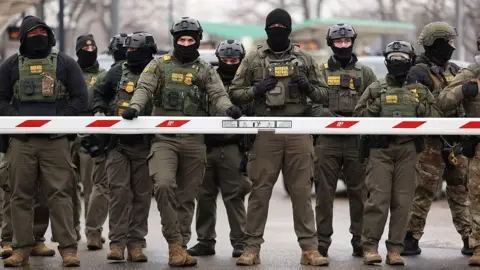
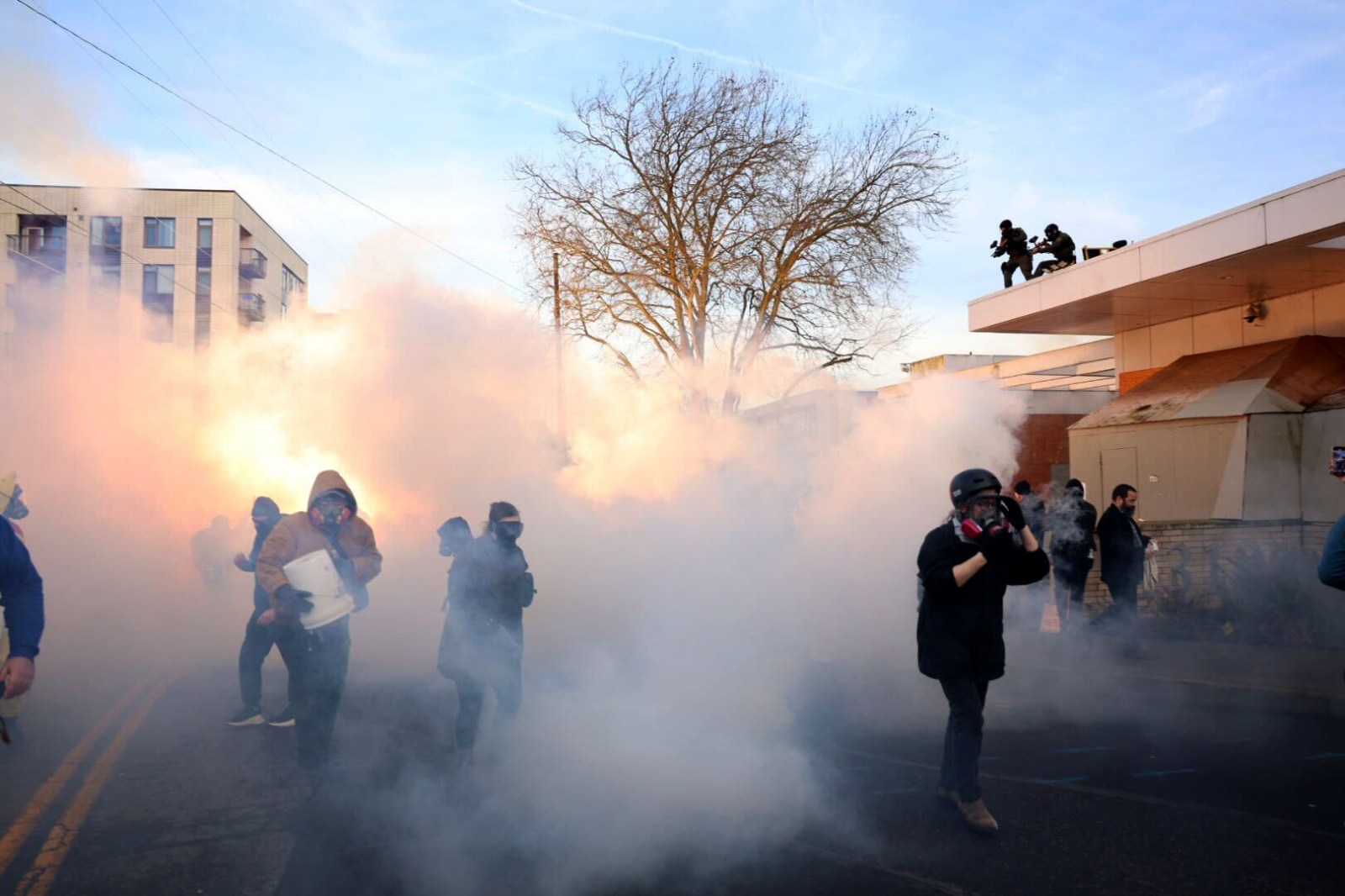
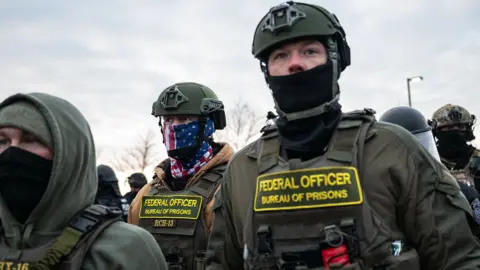
Noem Orders Immediate Camera Deployment in Minneapolis Kristi Noem announced on X that every field officer of DHS—including ICE and CBP agents—will receive body‑worn cameras in Minneapolis effective immediately, with a plan to expand nationwide once appropriations are secured [1][2][3]. The rollout follows a surge of federal immigration agents in the city and follows her earlier post confirming rapid acquisition and deployment [4]. Noem framed the move as a response to public outcry over recent lethal encounters involving federal officers [5].
Fatal Shootings Prompt Transparency Demands The camera mandate follows the Jan. 24 killing of ICU nurse Alex Pretti, ruled a homicide by the Hennepin County Medical Examiner, and the earlier death of mother Renee Good, both shot by federal officers during immigration‑enforcement protests [1][2]. Two CBP agents involved in Pretti’s shooting were wearing body cameras at the time and have been placed on administrative leave while the DOJ conducts a civil‑rights investigation [2]. Critics argue that unreleased footage from at least four officers present at Pretti’s death hampers accountability [1][4].
Funding Constraints Shape Nationwide Expansion Senate‑approved $20 million earmarked for body‑camera purchases awaits House approval, while a temporary two‑week DHS funding extension keeps the program afloat amid a partial government shutdown [1][3][4]. Democrats are leveraging the shutdown to demand broader ICE reforms, including mandatory cameras and stricter warrant requirements, before releasing further funds [5]. The national rollout will proceed only as additional appropriations are secured, leaving the Minneapolis deployment as the first operational phase [3][5].
Political Leaders React to Camera Rollout Minnesota Gov. Tim Walz criticized the delay in camera use and urged swift implementation, while President Donald Trump praised the decision, calling cameras “generally good” and deferring to Noem’s judgment [1][3][5]. Senate Democratic leader Chuck Schumer and Senator Tina Smith called the move a “moment of truth” and pressed for comprehensive ICE oversight [3][5]. Within the GOP, figures such as Sen. Lindsey Graham expressed openness to Democratic reform proposals, whereas hard‑liners like Sen. Ted Cruz dismissed them as radical, highlighting intra‑party division over the funding bill [5].
Existing Footage and Investigation Findings At least four CBP officers wore body cameras during Pretti’s shooting, but the video has not been released, prompting calls for transparency [1]. DHS investigators have reviewed more than 30 body‑camera recordings from the day of the incident to reconstruct events, concluding that only the two officers who fired weapons were responsible for the gunfire [4]. Some officers have previously used personal phones to record protests, a practice highlighted by the cellphone video captured by the officer who shot Renee Good [4].
Sources
-
1.
AP: Homeland Security to Equip Minneapolis Immigration Officers with Body‑Worn Cameras – Details the immediate issuance of cameras to all Minneapolis DHS officers, cites the fatal shootings of Alex Pretti and Renee Good, and notes pending Senate‑approved funding .
-
2.
BBC: DHS Deploys Body Cameras to Minneapolis Federal Officers Amid Immigration Crackdown – Emphasizes the rapid rollout, the Jan. 24 homicide ruling for Pretti, placement of two agents on leave, and the pressure of a partial shutdown on funding decisions .
-
3.
Newsweek (1): DHS Secretary Kristi Noem Orders Body‑Camera Rollout for Immigration Officers – Highlights Noem’s mandate, the reversal of the 2022 Biden camera directive, Democratic reform demands, and the two‑week DHS funding deal shaping national expansion .
-
4.
CNN: DHS officers in Minneapolis to receive body cameras, says Noem – Focuses on the immediate deployment, prior use of personal devices for recording, review of over 30 camera recordings, and the political context of a temporary funding extension .
-
5.
Newsweek (2): GOP Split Over ICE Reforms as Partial Shutdown Persists – Places the camera rollout within broader partisan battles over ICE oversight, the “minibus” appropriations package, and cultural backlash such as Grammy‑stage protests .
Timeline
2022 – President Joe Biden issues a directive requiring federal law‑enforcement agencies to adopt body‑worn cameras, establishing a national transparency standard that later gets rescinded [3].
Jan 2025 – The Trump administration overturns the Biden camera mandate, leaving agencies to set their own policies and creating a regulatory gap [3].
2025 – Congress authorizes a record $80 billion for ICE, fueling a surge of over 3,000 federal immigration officers in Minnesota and intensifying local tensions [1].
2025 – Renee Good, a mother of three, is fatally shot by ICE agents during a protest in Minneapolis, sparking early calls for greater accountability [1].
Jan 24, 2026 – ICU nurse Alex Pretti is killed by multiple gunshots in Minneapolis; the Hennepin County Medical Examiner rules it a homicide by one or more law‑enforcement officers, heightening backlash against the immigration crackdown [1].
Early Feb 2026 – The United States enters day three of a partial federal shutdown, with Democrats demanding immigration reforms—including mandatory body cameras—as a condition for reopening DHS funding [1].
Feb 1, 2026 – Senate leaders negotiate a “minibus” appropriations package that funds the government through September and provides a two‑week stopgap for DHS, but the bill awaits House approval [4].
Feb 2, 2026 – DHS Secretary Kristi Noem orders immediate deployment of body‑worn cameras to every field officer in Minneapolis and pledges a nationwide rollout once funding is secured [1].
Feb 2, 2026 – Two Customs and Border Protection agents who were wearing body cameras during Pretti’s shooting are placed on administrative leave, and the DOJ opens a civil‑rights investigation [1].
Feb 2, 2026 – President Donald Trump publicly backs the camera program, saying body cameras are “generally 80% good for law enforcement” [3].
Feb 2, 2026 – The White House says the decision on body‑camera policy rests with Secretary Noem, with press secretary Karoline Leavitt noting “conversations are ongoing” [2].
Feb 2, 2026 – A Senate‑approved $20 million earmarked for body‑camera purchases awaits House passage amid the broader DHS funding standoff [5].
Feb 2, 2026 – The Trump administration replaces Gregory Bovino with “border tsar” Tom Homan, who meets Minnesota’s governor and mayor to discuss de‑escalation and a possible draw‑down of agents [1].
Feb 2, 2026 – DHS investigators review more than 30 body‑camera recordings from the day of Pretti’s death to reconstruct the incident and determine who discharged firearms [2].
Feb 2, 2026 – Senate Democrats tie ICE reforms—mandatory body cameras, visible identification, and warrant requirements—to DHS appropriations, warning they will withhold support without such measures [4].
Feb 2, 2026 – Republican lawmakers split on the reforms: some, like Sen. Lindsey Graham, deem the proposals “reasonable,” while hard‑liners such as Sen. Ted Cruz dismiss them as “radical” [4].
Feb 2, 2026 – At the Grammy Awards, Bad Bunny uses his acceptance speech to demand “ICE out,” illustrating a growing cultural backlash against federal immigration enforcement [4].
Feb 2, 2026 – A measles outbreak forces the Dilley Immigration Processing Center in Texas into lockdown, halting detainee movement and highlighting health‑safety challenges in ICE facilities [4].
2026 onward – DHS proceeds with a phased, nationwide body‑camera rollout for immigration officers as additional appropriations are secured, fulfilling Noem’s pledge for rapid acquisition and deployment [1].
External resources (2 links)
- https://x.com/CraigCaplan/status/2018444331963543646/photo/1 (cited 3 times)