Columbus Snowstorm Freezes Cars After Citywide Water‑Main Breaks, Prompting Emergency Repairs and Insurance Alerts
Updated (8 articles)
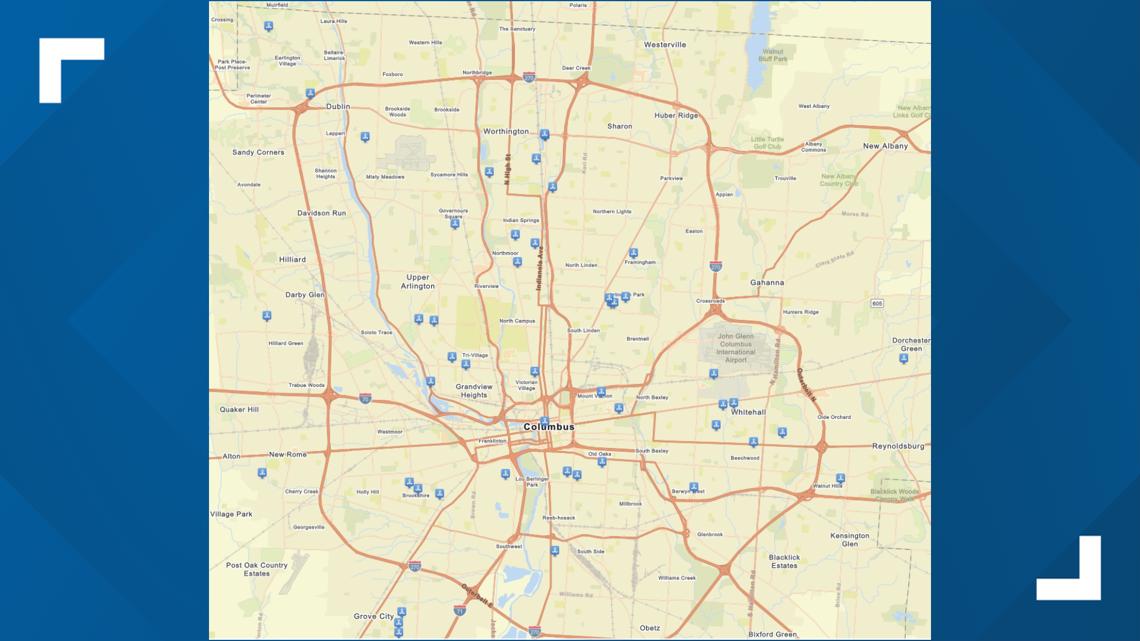
Widespread Water‑Main Failures Create Citywide Ice Hazards Heavy snowfall and sub‑zero temperatures in late January produced roughly 60 active water‑main breaks on Jan 30, with the Columbus Water and Power utility later confirming 69 leaks citywide on Feb 2 [3][2]. Breaks flooded streets, froze into thick ice sheets, and immobilized emergency vehicles, prompting the mayor to label the event the “greatest snow event in 20 years” [4]. Crews from multiple city divisions and private contractors were tasked with fixing about two leaks per day despite temperatures staying below freezing until at least Feb 10 [7][3].
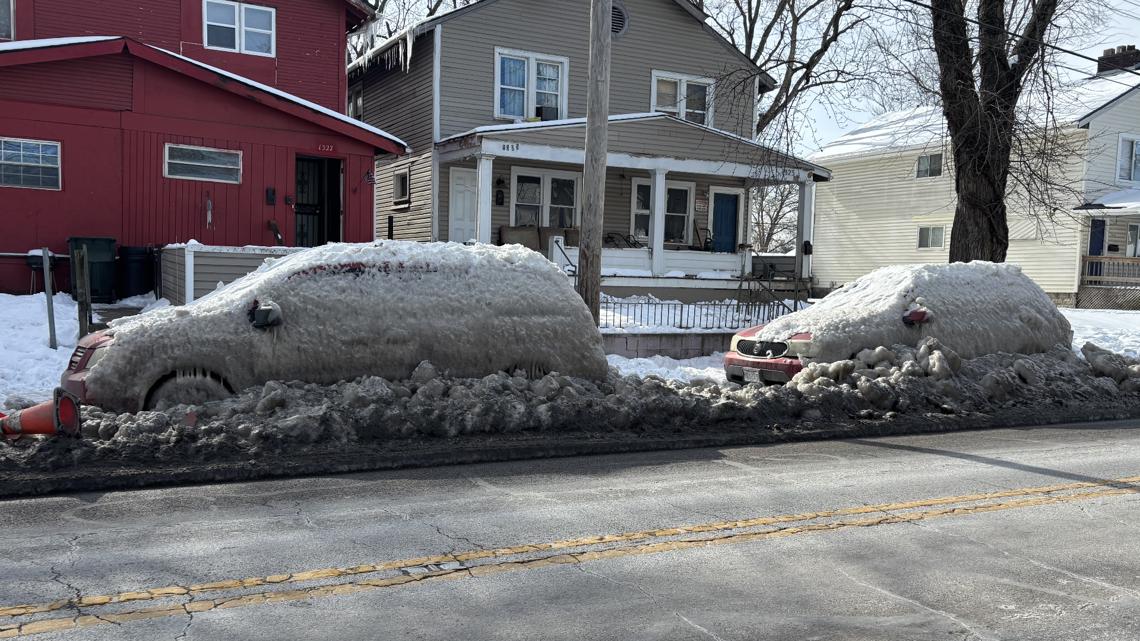
Hilltop and South Linden Streets See Cars Encased in Ice On Feb 2, a break on Columbian Avenue in the Hilltop neighborhood sprayed water that instantly froze, trapping cars whose tires appeared “glued to the ground” [2]. Five days later, on Feb 4, snowplows disturbed a separate leak on East 17th Avenue in South Linden, spraying additional water that froze around two brothers’ vehicles, leaving them immobilized [1]. Residents reported no immediate thawing options and expected the cars to remain stuck until spring [2][1].
Mayor Ginther Deploys $1.5 Million Emergency Funds and Schedules Repairs Mayor Andrew Ginther approved $1.5 million from the Water Operating Fund on Feb 2 to accelerate repairs and contract qualified vendors [2]. Utility crews were slated to fix the Hilltop leak on the following Tuesday, coordinating with the Department of Public Service to clear ice and restore traffic [2]. The mayor also warned that salt is ineffective below 20 °F, meaning repairs would continue under challenging conditions through mid‑February [7][4].
Insurance Analyst Advises Documentation and Comprehensive Coverage Shannon Martin, a Bankrate insurance analyst, urged owners of frozen vehicles to photograph damage and verify they carry comprehensive coverage, which can cover non‑collision weather events [1]. She warned that dropping comprehensive or collision policies to lower premiums could leave drivers exposed to costly claims, especially when maintenance issues might lead insurers to deny payouts [1]. Martin also recommended routine vehicle upkeep to mitigate potential claim denials [1].
Ice‑Removal Operations Begin After Days of Isolation City crews started chipping away at a five‑day‑old ice sheet on Nashoba Avenue in Hilltop on the Wednesday after the Jan 29 water‑line break, using excavators and ice‑breaking tools after media attention prompted mayoral involvement [6]. Residents like Marty Johnson reported being unable to transport a dialysis patient for three days, highlighting the health impact of the blockage [6]. The operation restored limited access, and community members expressed relief while awaiting full thaw in spring [6].
Sources
-
1.
WBNS:Cars Remain Frozen After Columbus Snowstorm and Water Main Break: Details the Feb 4 incident on East 17th Avenue, owners’ struggles, and insurance‑coverage advice
-
2.
WBNS:Columbus water main break freezes cars in Hilltop neighborhood: Describes the Feb 2 Hilltop freeze, 69 citywide leaks, and $1.5 million emergency funding
-
3.
WBNS:Columbus Faces Dozens of Water Main Breaks Amid Snow, Ice: Reports ~60 breaks on Jan 30, resident impacts, and mayor’s attribution to extreme winter weather
-
4.
WBNS:Columbus Mayor Addresses 60 Water Main Breaks Amid Freezing Storm: Highlights mayor’s call for 311 reports and coordination meetings after the Jan 30 storm
-
5.
WBNS:German Village Water Leak Leads to Weeks‑Long Ice Hazard: Covers a persistent four‑week leak in German Village, ongoing ice, and towing refusals
-
6.
WBNS:Columbus residents freed from icy trap after five‑day water‑line incident: Chronicles ice removal on Nashoba Avenue, health impacts, and mayoral response
-
7.
WBNS:Columbus Faces About 50 Water Main Breaks as Freezing Temperatures Grip City: Provides a Feb 28 snapshot of ~50 breaks, resident coping strategies, and limits of de‑icing
Timeline
Jan 24‑27, 2026 – The historic winter storm drops over a foot of snow across central Ohio, plunges temperatures into single digits and below zero, and triggers a surge of water‑main ruptures that later freeze into hazardous ice sheets, setting the stage for the city‑wide crisis (source 4).
Jan 28, 2026 – A water line bursts at Woodland and Clifton avenues, flooding the block with water that solidifies into a four‑inch‑thick ice sheet, immobilizing a van and several cars and prompting crews to respond amid sub‑20 °F conditions (source 7).
Jan 28, 2026 – A break on Nashoba Avenue in the Hilltop neighborhood leaks continuously from Friday through Tuesday, coating the street in thick ice that traps residents in their homes and blocks emergency vehicles, prompting the Department of Water and Power to label the leak high‑priority and schedule repairs for the following Wednesday (source 8).
Jan 28, 2026 – In German Village, a persistent leak on Brust and East Sycamore streets continues for about four weeks despite repeated repairs, generating ice‑covered sidewalks, basement flooding, and multiple immobilized vehicles, which residents describe as a “nightmare” (source 5).
Jan 28, 2026 – City officials report roughly 40‑55 active water‑main breaks citywide, noting that salt is ineffective below 20 °F and that the cold snap will likely keep temperatures below freezing until about Feb 10, so more breaks are expected (source 7; also 8).
Jan 29, 2026 – Crews begin heavy‑equipment ice removal on Nashoba Avenue after five days of residents being locked inside their homes, and Marty Johnson praises the mayor’s plan, saying, “You met with the mayor last night… he came up with a plan, the city executed the plan” (source 6).
Jan 30, 2026 – Mayor Andrew Ginther confirms the city is coping with 60 separate water‑main breaks, the greatest snow event in 20 years, and urges residents to call 311 for leaks; emergency vehicles, including a salt truck and ambulance, become immobilized on ice‑covered streets, prompting the deployment of six to seven city crews and two contractor teams each targeting two leaks per day (source 3; also 4).
Jan 30, 2026 – City leaders hold coordination meetings to allocate resources and manage safety hazards as ice‑covered streets in Hilltop and German Village continue to trap vehicles, while the German Village leak remains unresolved despite recent repairs (source 4; also 5).
Feb 2, 2026 – A water‑main break on Columbian Avenue in the Hilltop neighborhood sprays water that freezes onto vehicle tires, leaving cars “like glued to the ground,” according to resident Alexyss Moore, while the utility confirms 69 leaks citywide and schedules crews to fix the break and clear ice on Tuesday (Feb 3) (source 2).
Feb 2, 2026 – Mayor Ginther authorizes $1.5 million from the Water Operating Fund to accelerate water‑main repairs, and residents such as Moore say they will likely have to wait until spring for their cars to become unstuck (source 2).
Feb 4, 2026 – On East 17th Avenue in South Linden, a plow‑disturbed water‑main leak sprays water onto two vehicles, which then freeze solid, leaving Scott Boham and his brother immobilized; insurance analyst Shannon Martin advises drivers to photograph damage and maintain comprehensive coverage to ensure claim eligibility (source 1).
All related articles (8 articles)
-
WBNS (Columbus, OH): Cars Remain Frozen After Columbus Snowstorm and Water Main Break
-
WBNS (Columbus, OH): Columbus water main break freezes cars in Hilltop neighborhood
-
WBNS (Columbus, OH): Columbus Faces Dozens of Water Main Breaks Amid Snow, Ice
-
WBNS (Columbus, OH): Columbus Mayor Addresses 60 Water Main Breaks Amid Freezing Storm
-
WBNS (Columbus, OH): German Village Water Leak Leads to Weeks‑Long Ice Hazard
-
WBNS (Columbus, OH): Columbus residents freed from icy trap after five‑day water‑line incident
-
WBNS (Columbus, OH): Columbus Faces About 50 Water Main Breaks as Freezing Temperatures Grip City
-
WBNS (Columbus, OH): Columbus Water Line Break Leaves Hilltop Street Ice‑Covered, Residents Trapped