Ranger Road Megafire Expands to 283,000 Acres, 15% Contained, Emergency Declared
Updated (2 articles)
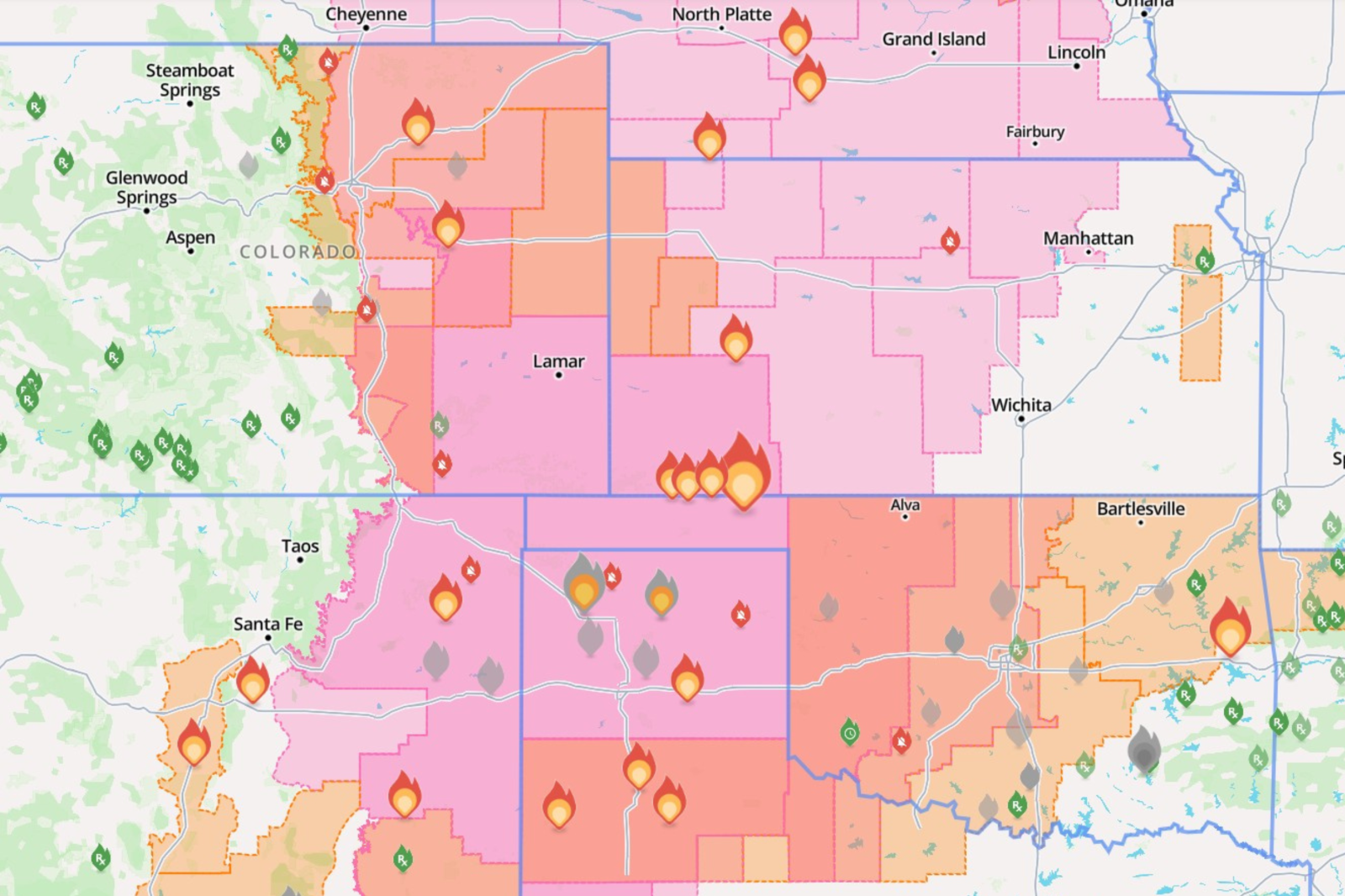
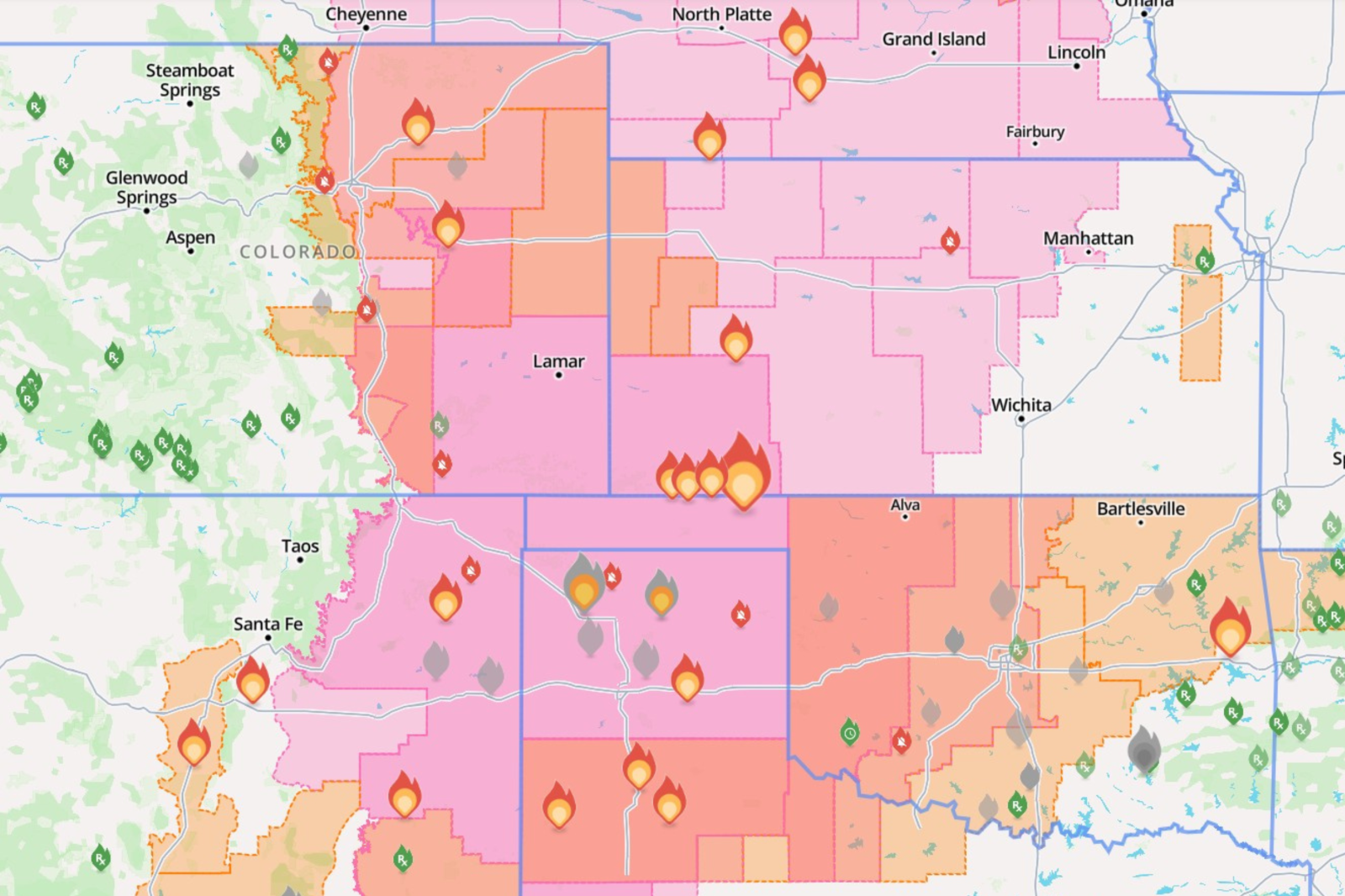
Rapid Expansion Turns Local Blaze Into Megafire The fire ignited in Beaver County, Oklahoma, and surged across the Oklahoma‑Kansas border, exploding from roughly 15,000 acres to 145,000 acres within eight hours before reaching 283,000 acres by Feb. 19 [1][2]. Winds gusting over 60 mph drove flames at a rate of three to four football fields per second, overwhelming suppression efforts and limiting aerial support. Containment stood at only 15 % on the evening of Feb. 19, reflecting the difficulty of controlling the blaze under Level 3 fire‑weather conditions.
Mass Evacuations and Shelter Coordination Across Two States Authorities ordered the evacuation of thousands of residents from Englewood and Ashland, Kansas, as well as Woodward, Oklahoma, and surrounding rural areas [1][2]. Shelters opened at the Seward County Activity Center, while Northwest Oklahoma State University closed its campus and roads on I‑70 and U.S. 50 were shut due to smoke and dust‑driven visibility hazards. Emergency managers coordinated with law enforcement to move nursing homes, schools, and other vulnerable populations to safety.
Injuries Reported but No Fatalities Confirmed Eight firefighters—four in Oklahoma and four in Kansas—were hospitalized for injuries sustained while battling the fire [1]. Local EMS confirmed property losses, including homes and outbuildings, yet reported no civilian deaths despite the fire’s rapid spread and hazardous conditions.
State Leaders Declare Disaster and Issue Critical Weather Alerts Oklahoma Governor Kevin Stitt declared a disaster emergency for Beaver, Texas, and Woodward counties and requested additional air‑support, which remained grounded because of the extreme winds [1]. The NOAA Storm Prediction Center issued an “Extremely Critical Risk” fire‑weather outlook for the central and southern Plains, and a Red Flag Warning covered western counties, prompting power shutoffs for about 15,000 customers in the Texas Panhandle [2].
Wind‑Driven Dust Storms and Traffic Disruptions Compound Crisis Sustained winds up to 20 mph with gusts exceeding 60 mph generated deadly dust‑storm pileups in Colorado and a separate crash in Kansas, highlighting secondary hazards linked to the fire‑weather system [1]. Road closures on major highways forced motorists to reroute, and reduced visibility from smoke and blowing dust further hampered evacuation and response efforts [2].
Sources
-
1.
CNN: Ranger Road Megafire Swells to 283,000 Acres Amid Escalating Plains Fire Threat – Details the megafire’s size, 15 % containment, emergency declaration, firefighter injuries, and wind‑driven dust storms on Feb. 19 .
-
2.
Newsweek: Grassfires Force Evacuations Across Oklahoma and Kansas as Winds Exceed 60 mph – Focuses on the rapid acreage growth, extreme wind conditions, evacuation orders, NOAA outlook, and power shutoffs on Feb. 18 .
Timeline
Feb 17, 2026 – NOAA’s Storm Prediction Center issues an “Extremely Critical Risk” fire‑weather outlook for the central and southern Plains, warning of rapid fire growth, limited suppression options and possible grounding of aircraft due to sustained winds over 60 mph [2].
Feb 17, 2026 – The Ranger Road fire in Clark County, Kansas explodes from 15,000 to 145,000 acres in under eight hours as gusts exceed 60 mph, driving flames far beyond the original perimeter [2].
Feb 17, 2026 – Authorities order evacuations for Englewood and Ashland, Kansas, expand the Woodward, Oklahoma zone, close Northwest Oklahoma State University, and open shelters such as the Seward County Activity Center while law enforcement shuts roads and moves residents, nursing homes and schools to safety [2].
Feb 17, 2026 – Wind‑driven flames cross I‑70 and U.S. 50, prompting highway closures; smoke and blowing dust cause crashes and reduced visibility, leading officials to restrict travel across the affected corridors [2].
Feb 17, 2026 – Governor Kevin Stitt posts fire‑weather warnings on X, activates Oklahoma’s emergency operations center, issues a Red Flag Warning for western counties, and Xcel Energy implements a Public Safety Power Shutoff affecting about 15,000 Texas Panhandle customers [2].
Feb 18, 2026 – The Ranger Road blaze attains megafire status, scorching 283,000 acres across Oklahoma and Kansas—nearly twice the size of Chicago—and remains only 15 % contained after the eight‑hour expansion [1].
Feb 18, 2026 – Governor Stitt declares a disaster emergency for Beaver, Texas and Woodward counties and requests air‑support from Texas, which remains grounded by high winds [1].
Feb 18, 2026 – Eight firefighters (four in Oklahoma, four in Kansas) are injured and taken to hospitals; property losses are confirmed but no fatalities are reported [1].
Feb 18, 2026 – Critical fire‑weather persists: Level 3 conditions affect over 750,000 people on Tuesday, Level 2 threats continue Wednesday and Thursday, sustained winds up to 20 mph (gusts over 60 mph) trigger a fatal dust‑storm pileup in Colorado and a separate crash in Kansas [1].
External resources (10 links)
- https://oklahoma.gov/governor/newsroom/newsroom/2026/governor-declares-state-of-emergency.html (cited 1 times)
- https://oklahoma.gov/oem/news/newsroom/wildfire-situation-update-1---february-17--2026.html (cited 1 times)
- https://www.sos.ok.gov/documents/executive/2170.pdf (cited 1 times)
- https://www.spc.noaa.gov/products/fire_wx/ (cited 1 times)
- https://sercc.oasis.unc.edu/Map.php?region=us# (cited 1 times)
- https://www.facebook.com/OklahomaForestry/posts/pfbid02W1fRPE8jSQUap1jWW9ZpGmkiYQhEQNU7CVcAzgL5tVVcpSgseBZMtwxYN3YKNad4l (cited 1 times)
- https://www.facebook.com/woodwardpolicedepartment/posts/pfbid0M8X8ATwykWa9fd9ZjoXX1Hw9tDGnwTtRUNf2fMB4dwi8gsJaiMhrGvBq9gDE9BHRl?rdid=6wq41JgvItAm2GNX# (cited 1 times)
- https://x.com/AllHazardsTFS/status/2024335534445752510?s=20 (cited 1 times)
- https://x.com/CorbinVogesWX/status/2024290164667814172 (cited 1 times)