Belarus Joins Trump‑Led Board of Peace as Visa Hurdles Stall Other Invitees
Updated (4 articles)
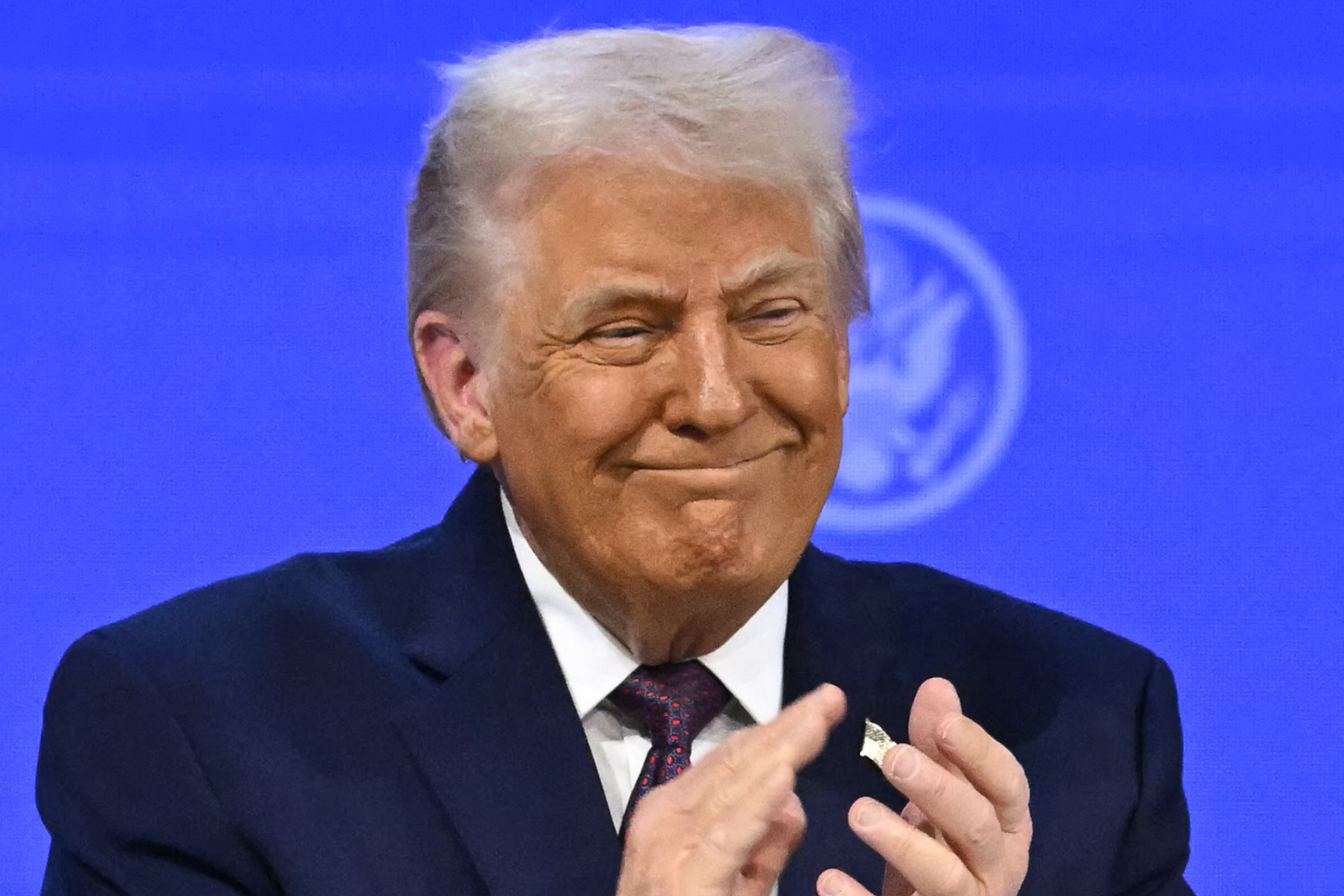
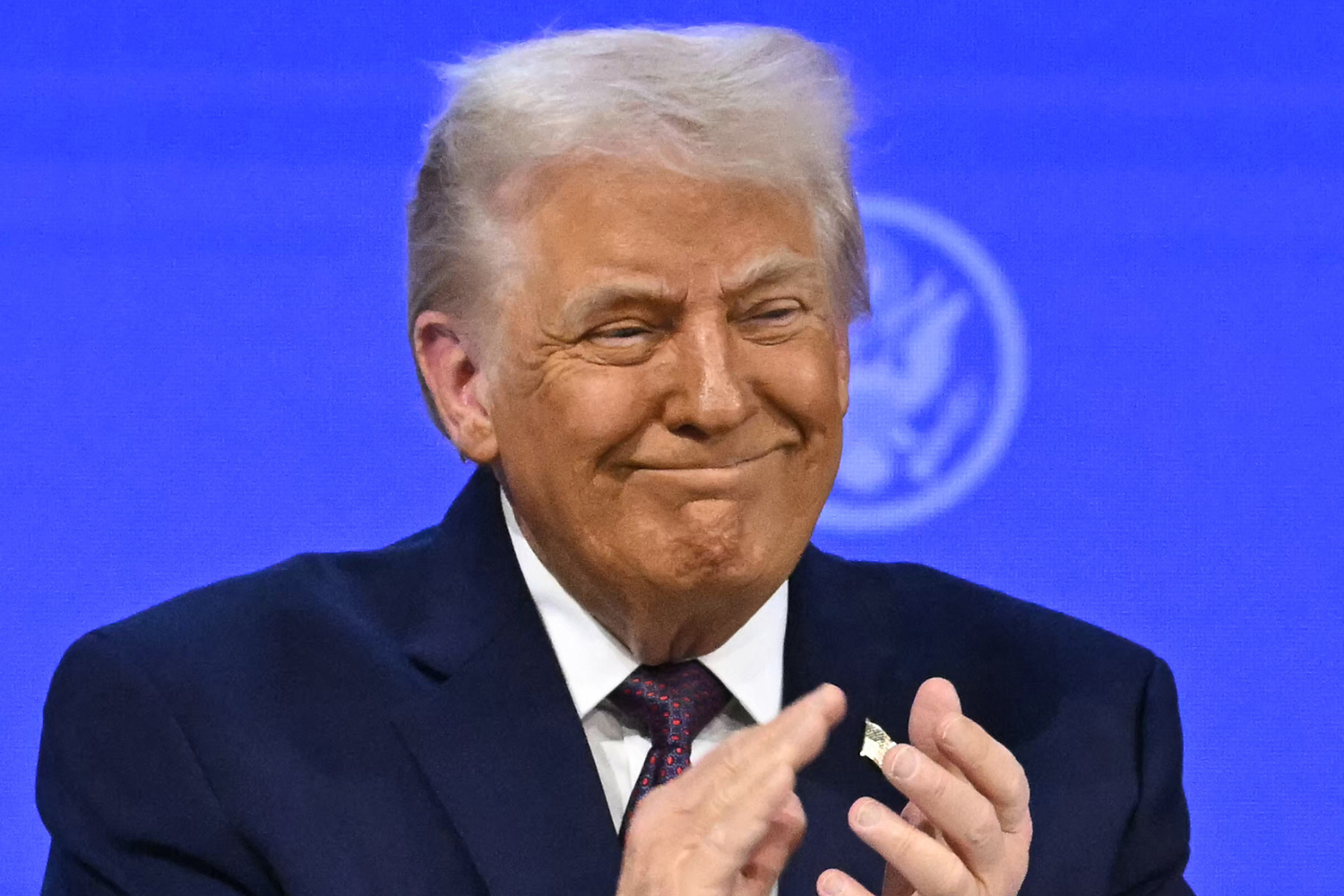
Board of Peace Launched at Davos to Guide Gaza Reconstruction Donald Trump unveiled the Board of Peace at the Davos forum on 23 January 2026, presenting it as the diplomatic and economic engine for Gaza’s post‑war transition [2]. The initiative sent invitations to roughly 60 countries, with about 35 nations formally agreeing to join [2]. Permanent members are required to contribute $1 billion or serve a three‑year term, while the board operates alongside the National Committee for the Administration of Gaza led by former PA deputy minister Ali Shaath [1][2].
Belarus Accepts Invitation, Becomes First New Member On 29 January 2026 Belarus’s Foreign Ministry confirmed receipt and acceptance of the board invitation, marking the first formal acceptance after the initial launch [1]. The announcement appeared on the board’s official X account and positioned Belarus among a diverse roster that includes Argentina, Egypt, Indonesia and the United Arab Emirates [1][2]. Trump hailed the development, calling the board “the most impressive and consequential board ever assembled” [1].
Several Nations Decline or Withdraw, Prompting Diplomatic Friction France, Norway, Sweden, Slovenia and the United Kingdom publicly rejected the invitation, citing concerns over the board’s charter and UN involvement [1]. Canada’s invitation was withdrawn by Trump in a Truth Social post earlier in the month [2]. In response to France’s refusal, Trump threatened a “200 percent tariff” on French wines and champagnes, heightening tensions [1].
U.S. Sanctions and Visa Freezes Complicate Participation The United States has placed visa processing freezes on Armenia, Azerbaijan, Belarus, Egypt, Kazakhstan, Kosovo and Russia, creating practical barriers for board meetings in the United States [2]. Patricia Miller reported that two signing‑country leaders were unable to attend Davos because of pending war‑crimes arrests, illustrating how legal actions intersect with the board’s legitimacy [2]. Analysts warn the situation could evolve into a two‑tier system where some members engage fully while others remain symbolic participants [2].
Funding Structure and Leadership Emphasized in Early Rollout Trump positions himself as chairman of the Board of Peace, while Ali Shaath heads the related National Committee for the Administration of Gaza [1]. The board’s funding model relies on large contributions from permanent members, with the broader peace plan proceeding regardless of pending country responses [1]. Early governance and development work in Gaza are slated to begin under the NCAG and other executive boards [1].
Sources
-
1.
Newsweek: Belarus Joins Donald Trump’s Board of Peace: Details Belarus’s formal acceptance, outlines the board’s composition and Trump’s tariff threat toward France, emphasizing the diplomatic significance of the new member .
-
2.
Newsweek: Board of Peace faces sanctions and visa barriers as invitees expand: Covers the Davos launch, the expanding invitation list, Canada’s withdrawal, visa freezes affecting several nations, and legal obstacles to attendance, highlighting legitimacy challenges .
Related Tickers
Timeline
Jan 2026 (early) – Trump unveils the Board of Peace at the World Economic Forum in Davos, framing it as a legal treaty to steer Gaza’s post‑war transition and inviting roughly 60 nations, with about 35 signing on; the charter omits any reference to the Palestinian territories and could supplant UN functions[4].
Jan 21, 2026 – Seven Muslim‑majority states—Saudi Arabia, Turkey, Egypt, Jordan, Indonesia, Pakistan and Qatar—join the Board alongside Israel, expanding the roster to include the UAE, Bahrain, Albania, Armenia, Azerbaijan, Belarus, Hungary, Kazakhstan, Morocco and Vietnam; Trump says Putin has accepted the invitation while Russia says it is still studying it, the Vatican receives an invitation for Pope Leo, and Slovenia declines, warning the body interferes with the international order[2].
Jan 22, 2026 – UK Foreign Secretary Yvette Cooper announces the United Kingdom will not be a signatory at the Davos ceremony, citing concerns over Putin’s participation and the Board’s broader legal implications, though she backs phase two of Trump’s Gaza peace plan pending proof of Russia’s commitment to peace in Ukraine[1].
Jan 23, 2026 – Trump formally launches the Board of Peace at Davos, confirming a $1 billion contribution requirement for permanent members and three‑year renewable terms; Canada’s invitation is withdrawn, France, Norway, Sweden and Slovenia decline, and U.S. visa and sanctions restrictions threaten participation of several invitees, prompting criticism that the body may create a two‑tier system[4][4].
Jan 29, 2026 – Belarus becomes a founding member after its foreign ministry accepts the invitation, marking the first formal acceptance from a post‑Soviet state; Trump threatens a “200 percent tariff” on French wines after France declines, and he reiterates that the Board is “the most impressive and consequential board ever assembled,” positioning himself as chairman while the board’s expansion continues amid mixed responses from other major powers[3].
All related articles (4 articles)
External resources (1 links)
- https://t.co/4mHTZw7Uvi (cited 1 times)