Snow‑Squall Warnings Issued for Wyoming and Colorado as Storm Approaches
Updated (2 articles)
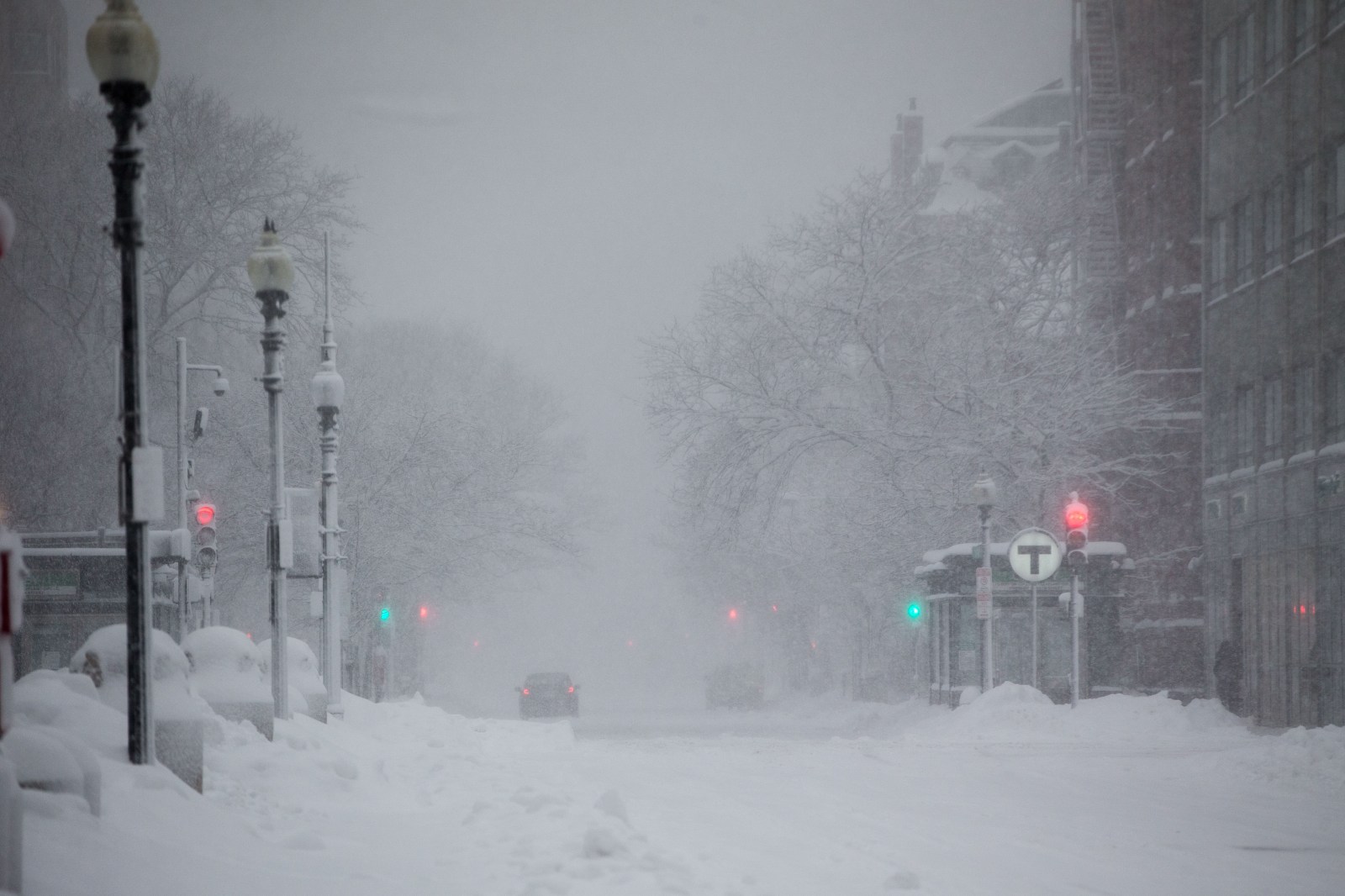
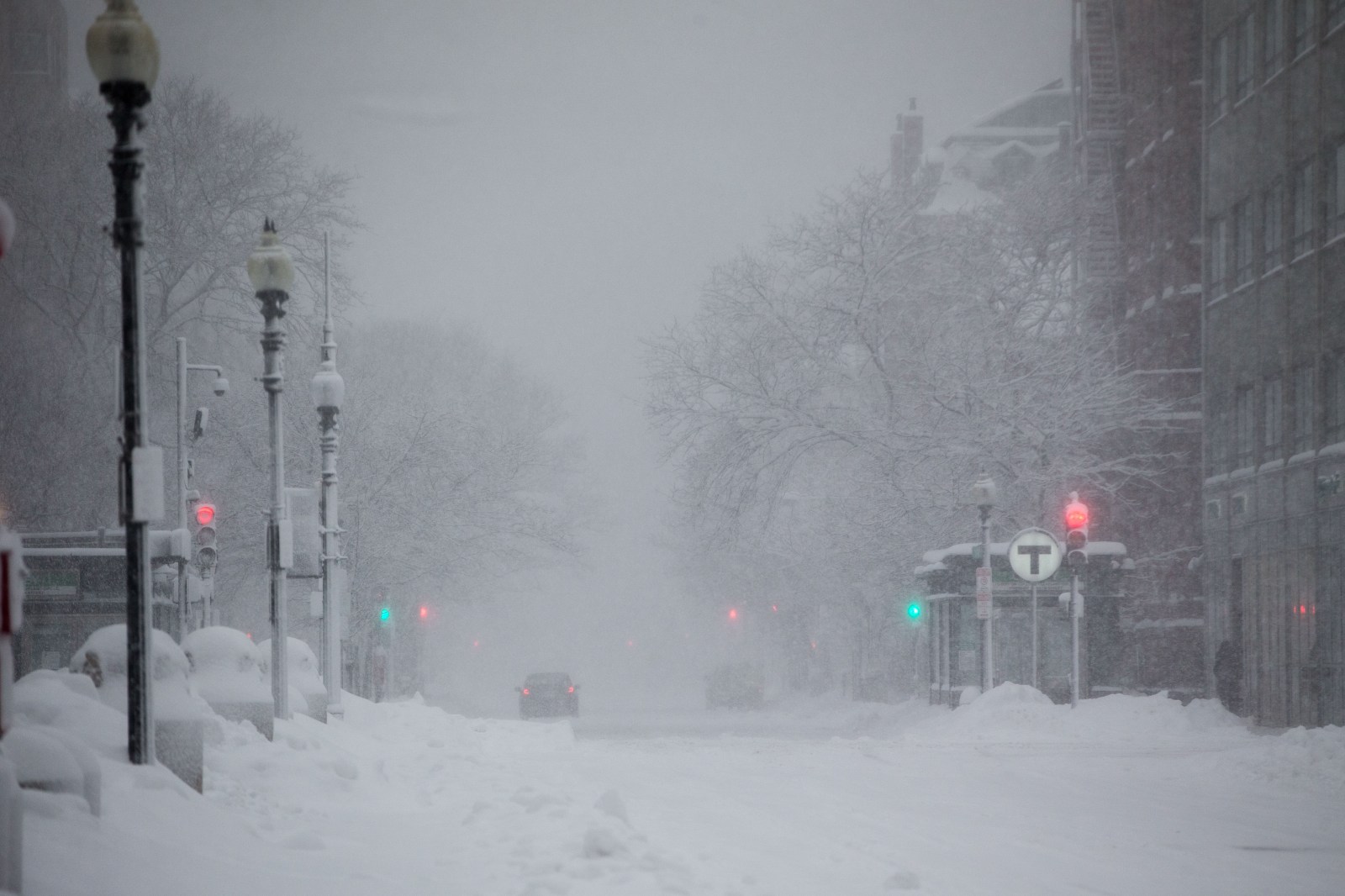
NWS Issues Coordinated Snow‑Squall Alerts Tuesday Morning The National Weather Service offices in Denver and Cheyenne released snow‑squall warnings at 7:45 a.m. on Tuesday, targeting southeastern Albany and southwestern Laramie counties in Wyoming and northeastern Larimer County in Colorado [1]. The alerts listed dozens of specific locations, including Happy Valley, Vedauwoo, Curt Gowdy State Park, Stove Prairie, Red Feather Lakes, and Waverly [1]. Residents received only minutes to react before conditions could become hazardous [1].
Warnings Detail Extreme Snow, Wind, and Visibility Limits Both agencies warned of intense snowfall combined with gusts exceeding 50 mph and visibility dropping below a quarter mile, creating white‑out conditions [1]. The NWS described the threat as “dangerous and life‑threatening” with wind‑driven blowing snow and possible tree‑limb damage [1]. Each warning was set for roughly 30 minutes but could be reissued as the storm evolves [1].
Meteorologist Predicts Possible Resurgence Later Tuesday and Wednesday NWS meteorologist Greg Heavener noted that the same atmospheric pattern could trigger additional squalls later Tuesday and Wednesday [1]. He warned that the broader winter storm may produce up to eight feet of snow at higher elevations and that other winter‑storm warnings and advisories remain in effect across the region [1]. Forecasters are monitoring the system for further rapid‑development hazards [1].
Timeline
Feb 3, 2026 – The National Weather Service office in Buffalo issues a sudden snow‑squall warning before 3:30 p.m. ET for more than 1.1 million residents across six western New York counties after radar detects an intense snow band near Point Breeze, 11 mi NW of Angola, moving east at 30 mph; meteorologist Phillip Pandolfo tells Newsweek visibility has dropped to a quarter‑mile or less, gusts reach 20 mph, and roads are slick, prompting officials to urge drivers to slow down and the alert to remain in effect until 4:30 p.m. ET, especially on I‑90 between exits 48‑57[2].
Feb 17, 2026 – At 7:45 a.m., NWS Denver and Cheyenne release coordinated snow‑squall warnings for southeastern Albany and southwestern Laramie counties in Wyoming and northeastern Larimer County in Colorado, warning of intense heavy snow, gusts over 50 mph, and visibility under a quarter‑mile; Denver cautions travel could become “dangerous and life‑threatening” within minutes while Cheyenne notes wind‑driven blowing snow and potential tree‑limb damage, covering dozens of locations such as Happy Valley, Vedauwoo, Stove Prairie, and Red Feather Lakes, with the alerts set for about 30 minutes but subject to re‑issuance[1].
Feb 17, 2026 – Meteorologist Greg Heavener warns that the same atmospheric pattern could resurge later Tuesday and Wednesday, likely prompting additional snow‑squall alerts as the broader storm system continues to dump up to eight feet of snow at higher elevations across the region[1].
Pre‑2026 (historical context) – Snow squalls have a long history of deadly traffic accidents, leading the NWS to issue life‑threatening warnings whenever rapid visibility loss and icy roads create white‑out conditions that endanger motorists[1][2].