Xi’s Iowa New‑Year Letter and TikTok‑Born “Chinamaxxing” Shape U.S.–China Cultural Ties
Updated (2 articles)
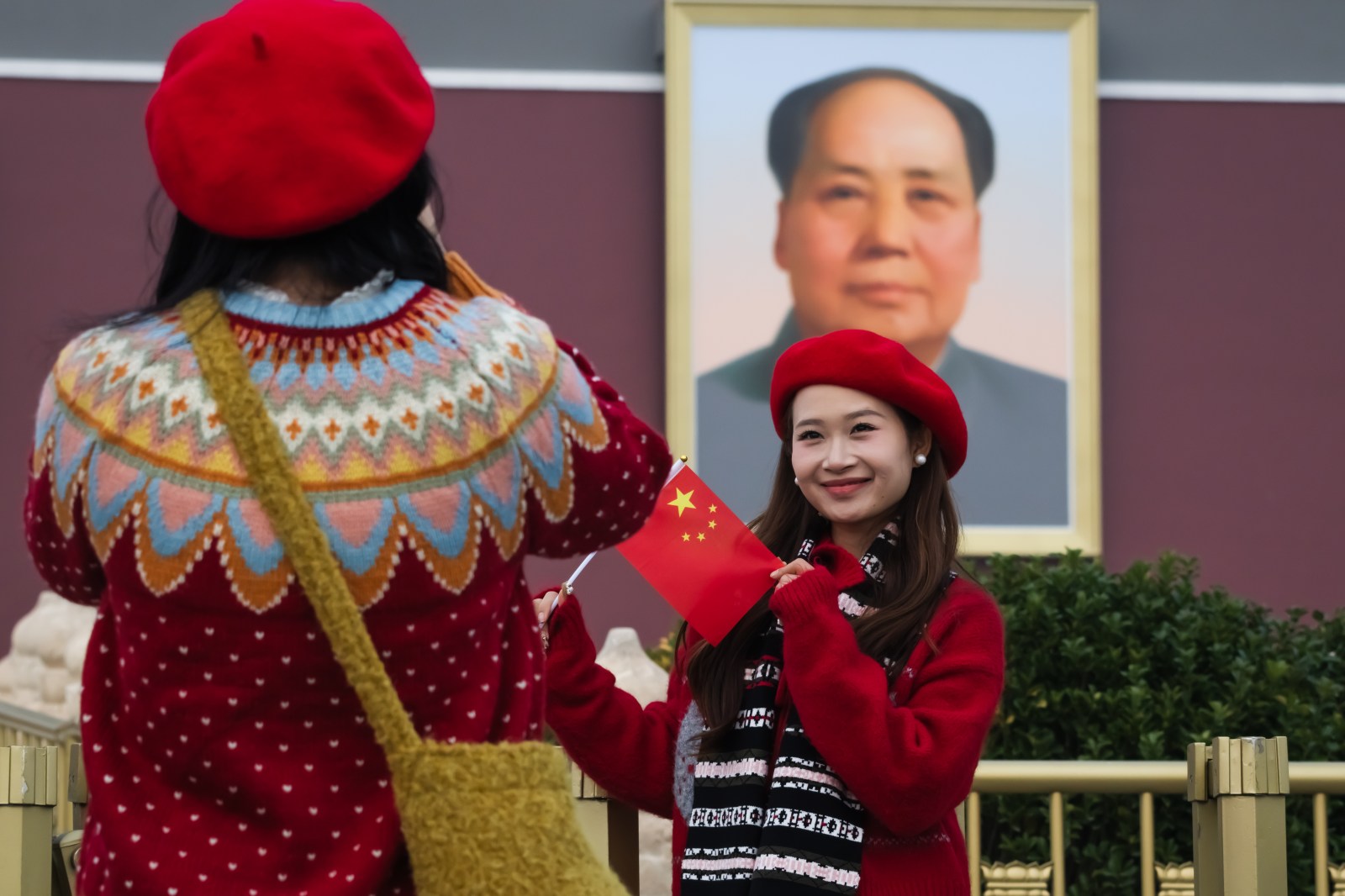
TikTok trend “Chinamaxxing” spikes before Lunar New Year The hashtag, which surged on TikTok in the week leading up to the 2026 Lunar New Year, labels a set of Chinese‑style habits—drinking hot water, wearing house slippers, practicing tai chi in the kitchen, and trying “Chinese longevity biohacks.” The meme spread rapidly among Gen Z users in the United States and Europe, framing everyday Chinese practices as aspirational lifestyle choices[1].
Western youth use meme to voice disillusionment with American governance Daniel Ahmad, director of research & insights at Niko Partners, says the trend lets American Gen Z and millennials lament worsening material conditions while idealizing China’s rise through an aesthetic, partly orientalist lens[1]. TIME and WIRED report that influencers cite the meme as evidence of a desire for an alternative model of societal organization[1].
Victim‑hood framing in online experiments boosts Chinese nationalism A Stanford survey of 1,890 Chinese netizens found that priming participants with historical victimization increased feelings of humiliation, suspicion of foreigners, national superiority, and support for the Chinese political system[1]. The crowdsourced novel Illumine Lingao, now over 2,000 chapters, dramatizes a “industrial revolution” in the late Ming and reinforces territorial claims such as a “New Australia” storyline, linking cultural production to nationalist fantasies[1].
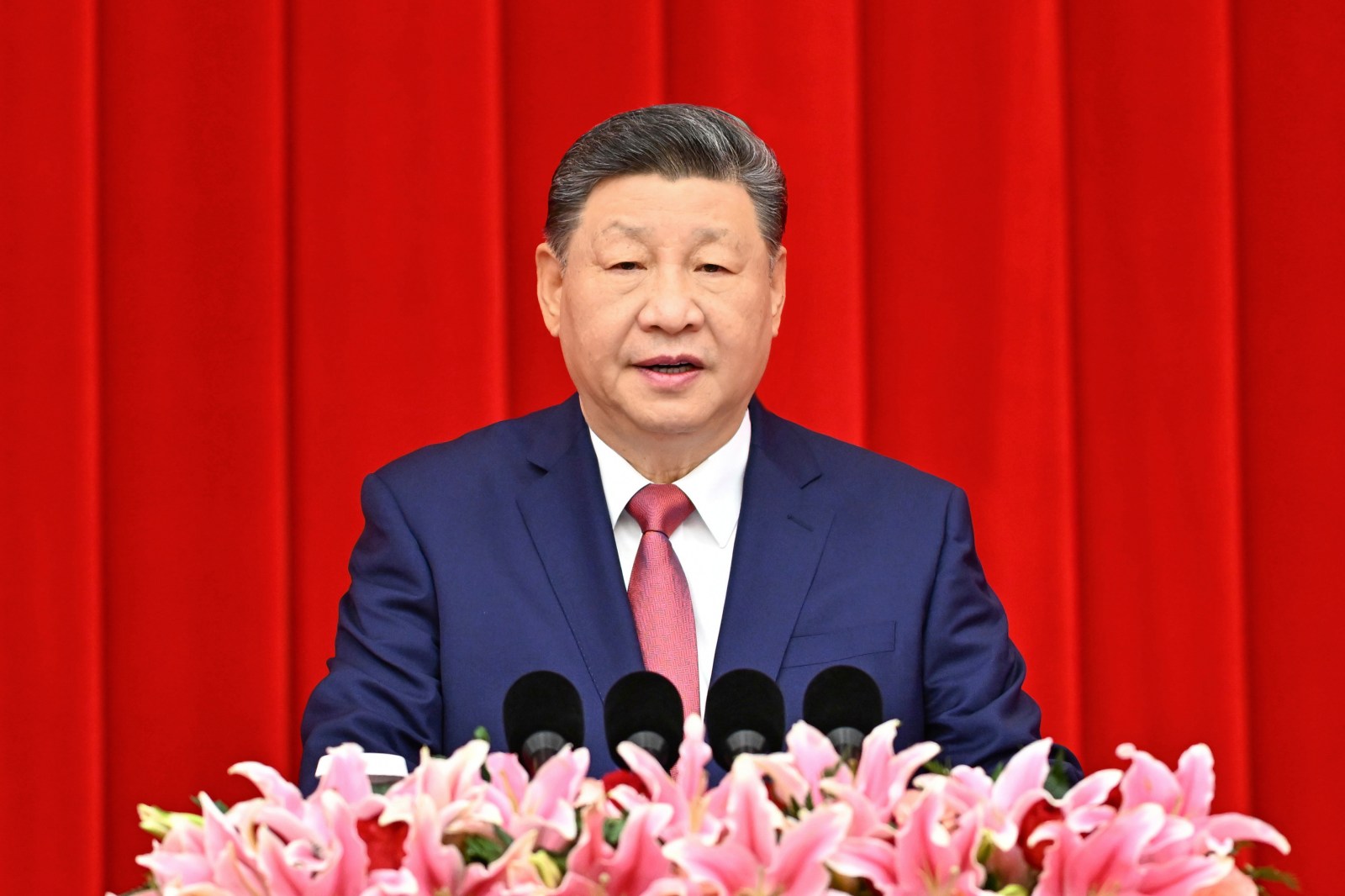
Xi Jinping’s Lunar New Year letter ties people‑to‑people exchange to trade truce On 18 February 2026, Xi mailed festive greetings to Iowa contacts he met during a 1985 agricultural delegation, emphasizing that the desire for U.S.–China exchanges “will not change.” The letter arrived as both governments pursued a modest trade truce built on the October 2023 Busan APEC agreement and highlighted plans to bring 50,000 American students to China over five years[2]. President Donald Trump announced a planned April visit to China, expected to expand the truce and deepen diplomatic engagement[2].
Sources
-
1.
Newsweek: Chinamaxxing: From TikTok Trend to Chinese Nationalist Narrative – Explores the meme’s rapid spread, its role in Western Gen Z coping mechanisms, and its reinforcement of Chinese nationalist sentiment through surveys and a massive online novel.
-
2.
Newsweek: Xi Sends Lunar New Year Letter to Iowa Friends Amid U.S.–China Rapprochement – Details Xi’s personal New‑Year greeting to Iowa acquaintances, its timing with a modest trade truce, and the emphasis on youth exchanges and an upcoming Trump visit to China.
Related Tickers
Timeline
1985 – Xi Jinping travels to Iowa on an agricultural delegation, meets the Dvorchak family and later references the personal connection in his 2026 Lunar New Year greeting, illustrating a long‑standing people‑to‑people link [2].
2006 – An online discussion sparks the crowdsourced novel Illumine Lingao, which later becomes a massive 2,000‑chapter saga dramatizing a Ming‑era industrial revolution as a nationalist fantasy [1].
2009 – Illumine Lingao launches publicly, gathering a community that later leverages its storyline to support Chinese territorial claims such as the “New Australia” narrative [1].
2023 – Xi’s San Francisco visit stresses youth exchanges and announces a plan to bring 50,000 American students to China over five years, framing sub‑national ties as the relationship’s foundation [2].
2023 – The United States imposes new tariffs on Chinese goods, sharply raising bilateral tensions and prompting a search for diplomatic de‑escalation [2].
Oct 2023 – U.S. and Chinese leaders reach a limited trade truce at the APEC summit in Busan, South Korea, marking the first formal step toward easing the 2023 tariff dispute [2].
2025 – A Stanford survey of 1,890 Chinese netizens shows that priming participants with historical victimhood heightens humiliation, suspicion of foreigners, national superiority and support for the Chinese political system, highlighting how online narratives fuel nationalism [1].
2025‑2026 – “TikTok refugees” migrate to the Chinese short‑video platform RedNote after a U.S. ban threat, while Gen Z embraces “becoming Chinese” habits such as drinking hot water and practicing tai chi, reflecting deepening cultural cross‑overs [2].
Early 2026 – The hashtag #Chinamaxxing spreads on TikTok, denoting extreme adoption of Chinese habits; analysts say it lets Western youth lament perceived U.S. decline and view China through an aesthetic, partly orientalist lens [1].
Feb 18, 2026 – Xi Jinping sends a Lunar New Year letter to his Iowa contacts, reiterating that the desire for U.S.–China exchanges “will not change,” highlighting youth‑exchange plans and the modest trade truce [2].
Feb 20, 2026 – U.S. media (TIME, WIRED, GQ, New York Post) portray the Chinamaxxing meme as evidence of American disillusionment and a turn toward Chinese models, with influencers joking about Chinese apps and testing China’s walled‑off internet for revenue [1].
Apr 2026 (planned) – Former President Donald Trump announces he will travel to China at Xi’s invitation, a trip expected to expand the Busan‑era trade truce and deepen diplomatic engagement [2].
External resources (3 links)
- https://sccei.fsi.stanford.edu/china-briefs/how-do-narratives-historical-victimization-china-shape-national-identity-and-regime (cited 1 times)
- https://english.www.gov.cn/news/202502/05/content_WS67a30fbcc6d0868f4e8ef5de.html (cited 1 times)
- https://illuminelingao.com/04-new_australia/ (cited 1 times)