HHS Secretary Kennedy Jr. Reasserts Glyphosate Cancer Claim as Trump Order Secures Supply
Updated (2 articles)
-
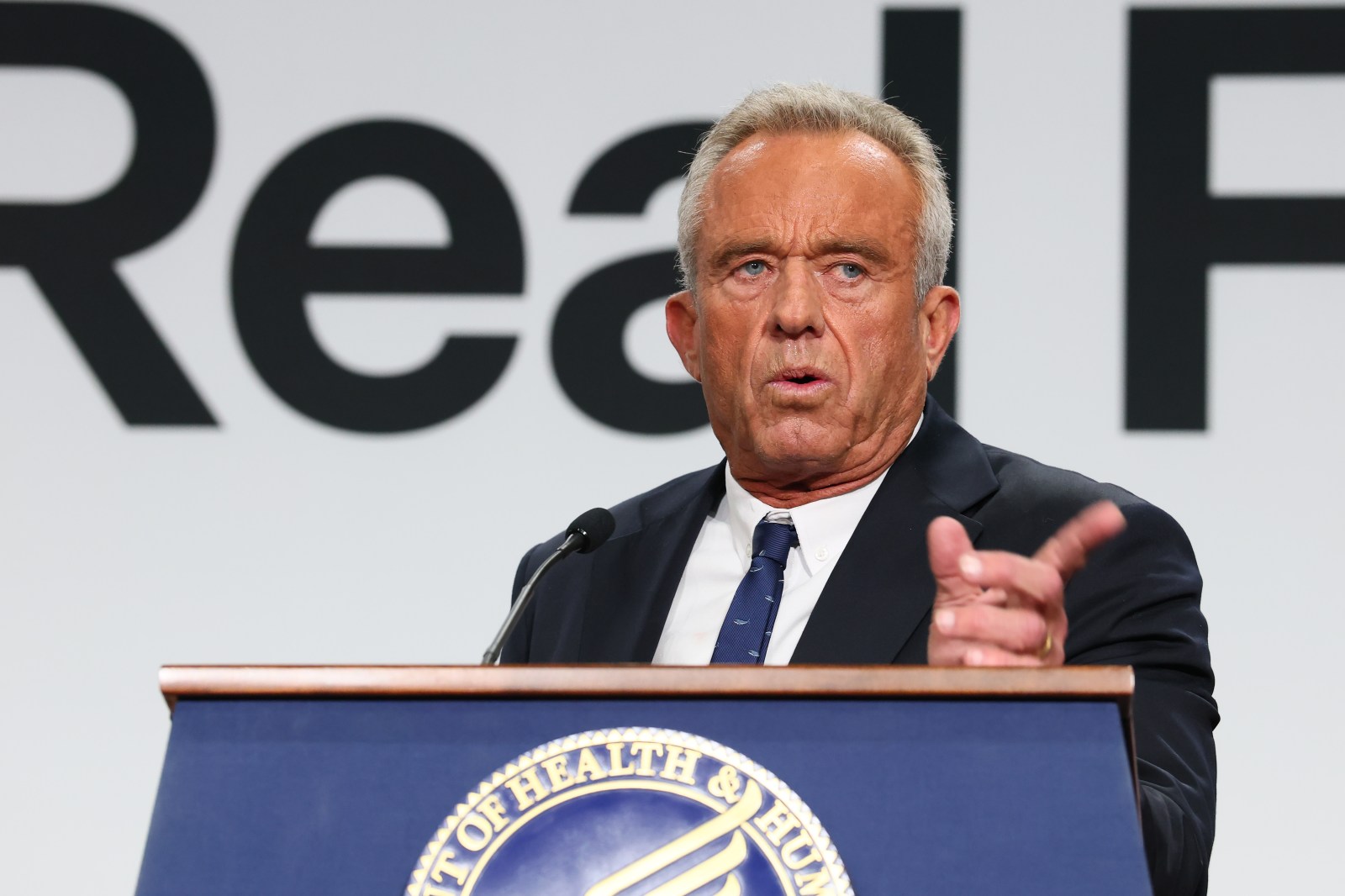 Image: NewsweekWASHINGTON, DC – FEBRUARY 11: U.S. Secretary of Health and Human Services Robert F. Kennedy Jr. speaks during an event to “Celebrate the Implementation of the Dietary Guidelines for Americans” at the Health and Human Services Headquarters on February 11, 2026 in Washington, DC. Kennedy celebrated the updated guidelines and the Make America Healthy Again movement with Agriculture Secretary Brooke Rollins, former boxing heavyweight champion Mike Tyson, U.S. Chief Design Officer Joe Gebbia, American Medical Association President Bobby Mukkamala, Chef Andrew Gruel, Defense Department Undersecretary Mike Obadal, and Bureau of Prisons Director William Marshall. (Photo by Michael M. Santiago/Getty Images) Source Full size
 -
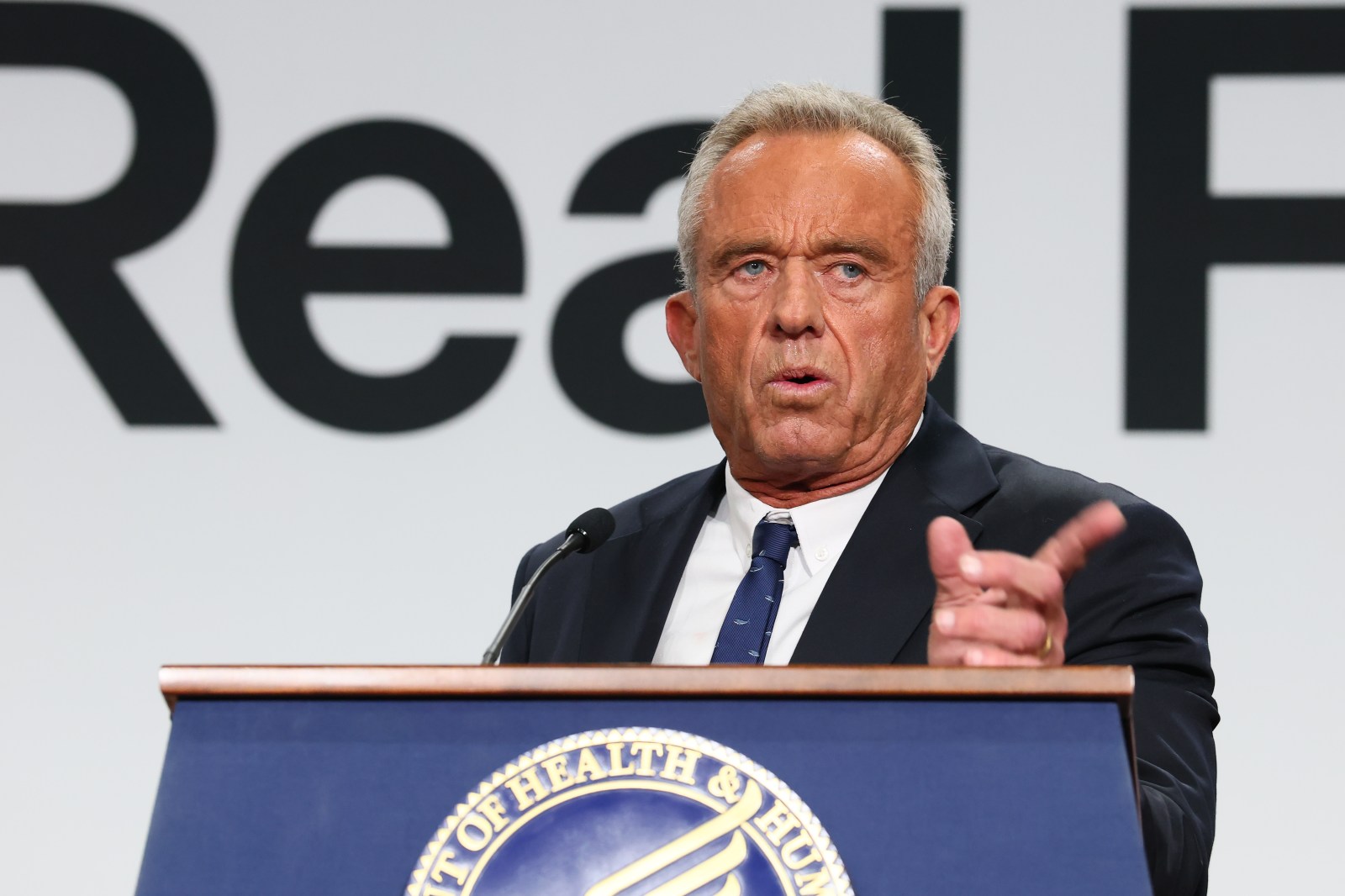 Image: NewsweekWASHINGTON, DC – FEBRUARY 11: U.S. Secretary of Health and Human Services Robert F. Kennedy Jr. speaks during an event to “Celebrate the Implementation of the Dietary Guidelines for Americans” at the Health and Human Services Headquarters on February 11, 2026 in Washington, DC. Kennedy celebrated the updated guidelines and the Make America Healthy Again movement with Agriculture Secretary Brooke Rollins, former boxing heavyweight champion Mike Tyson, U.S. Chief Design Officer Joe Gebbia, American Medical Association President Bobby Mukkamala, Chef Andrew Gruel, Defense Department Undersecretary Mike Obadal, and Bureau of Prisons Director William Marshall. (Photo by Michael M. Santiago/Getty Images) Source Full size
Resurfaced Interview Highlights Kennedy’s Glyphosate Stance A January interview on the Katie Miller Podcast resurfaced, where Health and Human Services Secretary Robert F. Kennedy Jr. asserted, “I believe glyphosate causes cancer” [1]. He previously warned on X in June 2024 that glyphosate is a likely driver of America’s chronic disease epidemic, citing its use as a wheat desiccant [1]. Kennedy pledged that his USDA would ban the practice if he could, reinforcing his long‑standing opposition to the chemical [1].
Trump Issues Executive Order Using Defense Production Act President Donald Trump signed an executive order invoking the Defense Production Act to direct the USDA to prioritize contracts for elemental phosphorus and glyphosate‑based herbicides [1]. The order argues that shortages of these inputs would threaten agricultural productivity and national security [1]. It effectively mandates continued supply of glyphosate‑based fertilizers despite ongoing health debates [1].
Congressional Reaction Splits Along Party Lines Representative Thomas Massie (R‑KY) introduced the “No Immunity for Glyphosate Act” aiming to overturn the executive order and limit liability for glyphosate manufacturers [1]. Senate Agriculture Committee Republicans praised the order as “smart policy” protecting food security [1]. The partisan divide underscores the political stakes surrounding glyphosate regulation [1].
Health Experts Criticize Both Kennedy and the Order Georgetown professor Lawrence Gostin accused Kennedy of abandoning his “Make America Healthy Again” platform by supporting the order [1]. Food activist Vani Hari labeled the order a “grenade” for the MAHA movement, while activist Kelly Ryerson warned it expands production of a “carcinogenic pesticide” [1]. Their critiques highlight concerns that the policy prioritizes supply over public health [1].
Scientific Consensus on Glyphosate Remains Divided The International Agency for Research on Cancer classified glyphosate as “probably carcinogenic to humans” in 2015 [1]. Conversely, the U.S. Environmental Protection Agency maintains that glyphosate is unlikely to cause cancer when used as directed [1]. This split fuels ongoing lawsuits and public debate over the chemical’s safety [1].
Timeline
2015 – The International Agency for Research on Cancer classifies glyphosate as “probably carcinogenic to humans,” a designation that fuels ongoing lawsuits and public debate over the chemical’s safety [1].
June 2024 – HHS Secretary Robert F. Kennedy Jr. posts on X that glyphosate is “one of the likely culprits in America’s chronic disease epidemic,” pledging that the USDA will ban its use as a wheat desiccant [1].
Dec 31, 2025 – EPA Administrator Lee Zeldin announces new limits on five common chemicals in building materials, plastics and adhesives, touting the move as a “MAHA win” and signaling a shift toward health‑focused regulation [2].
Dec 2025 – Activist Kelly Ryerson’s petition to fire Zeldin leads to a meeting at a MAHA Christmas party, after which she spends an hour at EPA headquarters and opens ongoing dialogue with the agency’s deputies [2].
Jan 2026 – In a Katie Miller Podcast interview, HHS Secretary Kennedy Jr. states, “I believe glyphosate causes cancer,” a comment that resurfaces as the White House issues an order to keep glyphosate‑based fertilizers in supply [1].
Feb 2026 – Former President Donald Trump signs an executive order invoking the Defense Production Act, directing the USDA to prioritize contracts for elemental phosphorus and glyphosate‑based herbicides to safeguard agricultural productivity and national security [1].
Feb 2026 – Rep. Thomas Massie (R‑KY) introduces the “No Immunity for Glyphosate Act” to overturn Trump’s order, framing the legislation as a safeguard against corporate liability [1].
Feb 2026 – Health experts Lawrence Gostin and Vani Hari, along with activist Kelly Ryerson, publicly criticize Kennedy’s glyphosate stance and the Trump order, calling the policy a “grenade” for public health and warning it expands production of a carcinogenic pesticide [1].
2026 (planned) – EPA prepares a “MAHA agenda” that will target lead‑pipe removal, PFAS (“forever chemicals”), plastic waste, food‑quality standards and Superfund site clean‑ups, integrating the Make America Healthy Again coalition’s priorities into agency policy [2].
2026 (ongoing) – EPA staff join weekly MAHA Action calls, embedding health‑focused discussions into agency operations and shaping forthcoming regulatory proposals [2].