French Parliament Passes Olympic Law as 2030 Games Confirmed and Six Nations Rescheduled
Updated (4 articles)
France Locks In 2030 Winter Olympics Schedule and Venues France will host the 2030 Winter Games from Feb 1‑17, with Paralympics slated for Mar 1‑10, marking its first Winter Olympics since Albertville 1992 [3][4]. The master plan designates four Alpine zones—Haute Savoie, Savoie, Briançon and Nice—for competitions and athlete villages, while the locations for speed skating and the opening ceremony remain undecided [3][4]. This allocation mirrors the earlier 2026 Milan‑Cortina Games, which will feature 195 medals across 16 disciplines [3]. The IOC’s 1994 charter amendment continues to separate Winter and Summer Games on a four‑year cycle [4].
Parliament Enacts Olympic Law Granting Temporary Regulatory Exemptions On Feb 5 2026, the French Senate and National Assembly approved the Olympic law with a 390‑99 vote, enabling short‑term deviations from standard urban‑planning, housing, health, employment and safety rules [1]. The bill extends an algorithmic video‑surveillance trial to 2027, authorises private security agents to inspect vehicles, and counts roughly 20 hectares of artificialised land toward the national ZAN quota [1]. An amendment obliges the organising committee to hold at least one public hearing in each “bassin de vie” hosting events [1]. Law supporters argue these flexibilities are essential to meet the tight construction timeline for the 2030 Games [1].
Citizen Group Files Legal Challenges While COJOP Faces Governance Crisis The advocacy collective JOP 2030 lodged three legal procedures in Lyon, Marseille and Geneva, accusing the project of transparency failures; a Marseille tribunal ordered the Solideo to improve communication, which the agency appealed [1]. Recent resignations of the operations director, communications chief and remuneration‑committee chair have intensified concerns over budget overruns and private‑partner commitment [1]. Senators such as Jean‑Michel Arnaud and Belkhir Belhaddad warned that the unclear financing could delay venue delivery [1]. These disputes highlight the fragile political environment surrounding the Games despite legislative approval [1].
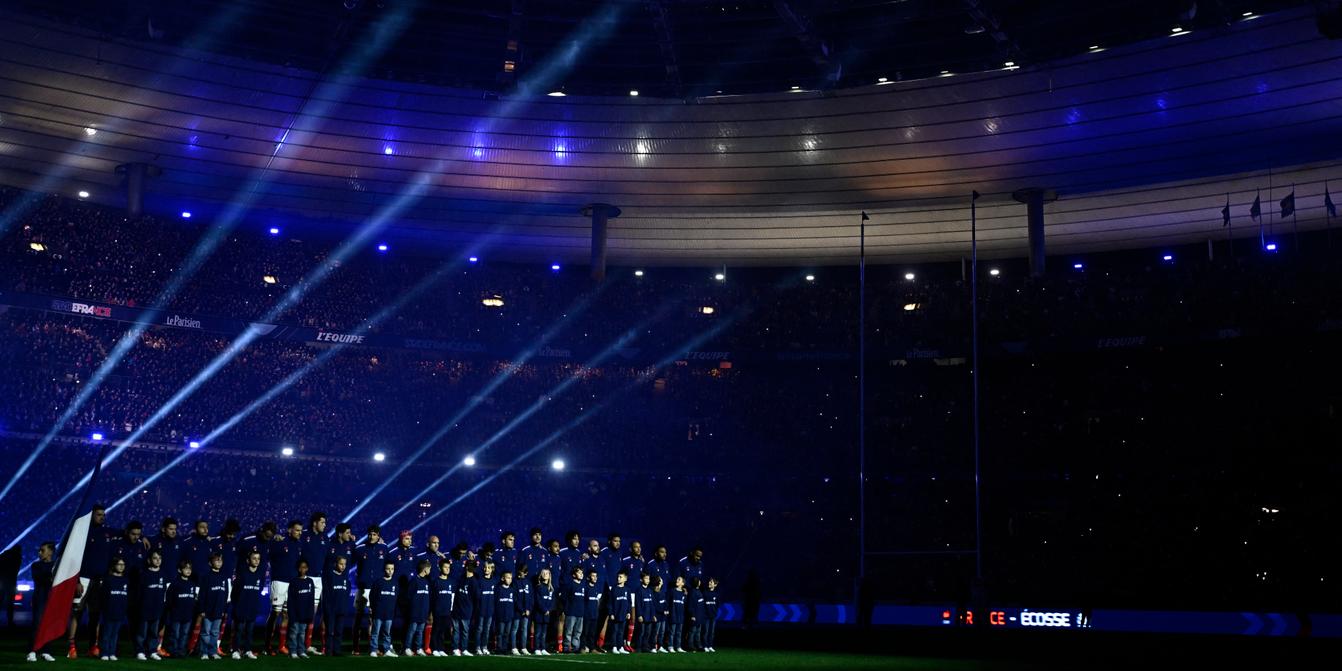
Six Nations Match Shifted to Avoid Overlap with 2026 Olympic Opening The France‑Ireland Six Nations fixture, originally set for Friday Jan 6 2026, was moved to Thursday Jan 5 to prevent audience loss to the Milan‑Cortina opening ceremony on Friday [2]. The game will be broadcast on TF1 after France Télévisions sold nine of fifteen matches due to budget constraints [2]. This marks the first midweek Six Nations match since 1948, reflecting organizers’ priority to safeguard viewership rather than expand the tournament’s audience [2]. The adjustment underscores the broader impact of the upcoming Winter Olympics on French sporting schedules [2].
Sources
-
1.
Le Monde: French Winter Olympic Law Adopted, Clearing Path for Alpes 2030 Games: Details the February 5 parliamentary vote, temporary regulatory exemptions, public‑meeting requirement, and emerging legal challenges and governance issues .
-
2.
Le Monde: France‑Ireland Six Nations clash moved to Thursday to avoid Olympic opening: Explains the rescheduling of the France‑Ireland match to Thursday Jan 5, TV rights shift to TF1, and the historic midweek fixture to avoid the 2026 Olympic opening .
-
3.
WBNS (Columbus, OH): France Confirmed as Host for the 2030 Winter Olympics: Announces France’s selection as 2030 host, outlines the February 1‑17 competition window, four Alpine zones, and undecided speed‑skating and opening‑ceremony sites .
-
4.
King5 (Seattle, WA): France Confirmed as Host for the 2030 Winter Olympics: Mirrors the WBNS report, emphasizing the schedule, venue zones, and historical context of the Winter Games cycle .
Timeline
1992 – France hosts the Albertville Winter Olympics, its last Winter Games before the 2030 award, marking the country’s fourth overall Winter Olympics [1][2].
1994 – The International Olympic Committee amends the Olympic Charter, separating Winter and Summer Games into a four‑year cycle and defining the Olympiad period [1][2].
2022 – France wins the Six Nations championship, establishing its recent champion status referenced in the 2026 match [4].
2023 – Ireland captures the Six Nations title, adding to the rivalry context for the 2026 France‑Ireland clash [4].
2024 – Ireland repeats as Six Nations champion, further heightening the competitive backdrop for the 2026 fixture [4].
2025 – France re‑wins the Six Nations, reinforcing its position as defending champion heading into the 2026 tournament [4].
5 Jan 2026 – The France‑Ireland Six Nations match moves from Friday to Thursday to avoid a clash with the opening ceremony of the Milan‑Cortina 2026 Winter Games; the tournament opens that night at 21:10 in Stade de France [4].
6 Feb 2026 – The opening ceremony of the Milan‑Cortina 2026 Winter Olympics takes place at Milan’s San Siro and venues in Cortina d’Ampezzo, Predazzo and Livigno, drawing massive TV viewership across Europe [4][1].
Feb 2026 – The 2026 Winter Games feature over 90 nations, 16 disciplines and a record 195 medals, debuting ski mountaineering and setting the stage for future host planning [1].
5 Feb 2026 – French Parliament passes the Winter Olympic Law, granting temporary exemptions in planning, labour and security, counting 20 ha of artificialisation toward the national ZAN target, extending an algorithmic video‑surveillance trial to 2027, and mandating public hearings for each venue; the law faces legal challenges from citizen group JOP 2030 and a governance crisis within the organising committee [3].
5 Feb 2026 – The International Olympic Committee confirms France as host of the 2030 Winter Olympics, the first Winter Games in France since 1992; the Games schedule for Feb 1‑17 2030 with Paralympics Mar 1‑10 2030 across four Alpine zones (Haute Savoie, Savoie, Briançon, Nice), while speed‑skating and opening‑ceremony venues remain undecided [1][2].
2030 – The 2030 Winter Olympics run Feb 1‑17 2030, followed by the Paralympic Winter Games Mar 1‑10 2030, with competitions spread across the four designated Alpine zones and the opening‑ceremony location yet to be announced [1][2].
2027 – The algorithmic video‑surveillance trial authorized by the 2026 Olympic law continues until this year, shaping security protocols for the upcoming Games [3].