Venezuelan Amnesty Law Triggers Thousands of Prisoner Applications and First El Helicoide Releases
Updated (2 articles)
Massive Amnesty Applications Flood Government After Law Enacted The new amnesty legislation, approved by the National Assembly on Thursday, has prompted 1,557 political detainees to file requests for release, a figure officials say will eventually rise to as many as 11,000 prisoners [1]. The law’s rapid rollout follows intense domestic and international pressure to address the backlog of political incarcerations. Authorities claim the applications are being processed “immediately,” though critics warn the system remains overwhelmed.
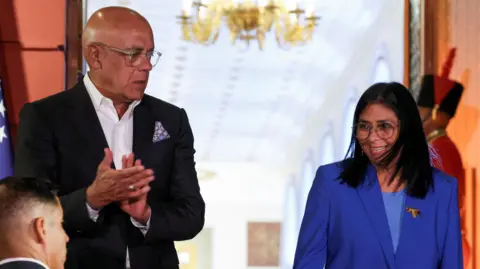
Early Releases Focus on Zona Seven of El Helicoide Jorge Rodríguez, brother of interim President Delcy Rodríguez, announced that “hundreds” of inmates have already been freed, with the first wave coming from Zona Seven of the notorious El Helicoide complex [1]. Families of remaining detainees began a hunger strike demanding broader releases, underscoring the tense atmosphere surrounding the partial clemency. The government says the targeted releases are a goodwill gesture tied to the amnesty’s phased implementation.
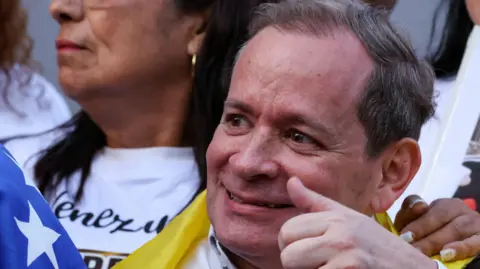
Opposition Figure Juan Pablo Guanipa Freed, Calls Law Flawed After nearly nine months of detention, opposition politician Juan Pablo Guanipa announced his freedom on social media on 20 February, labeling the amnesty “flawed” for leaving many political prisoners behind [2]. Guanipa, who was charged with terrorism and treason for contesting the disputed 2024 election, had been rearrested after a brief release earlier in the month. He joined other critics in urging a comprehensive amnesty that includes truth, reparations, and the release of all remaining detainees.
US Pressure Intensifies After January 3 Capture of Maduro The United States, citing the January 3 raid that captured President Nicolás Maduro, has urged Caracas to accelerate political‑prisoner releases, with former President Donald Trump publicly demanding the closure of El Helicoide [1]. Following the raid, the government announced on 8 January that a “significant number” of inmates would be freed as a goodwill gesture, a promise reflected in the current wave of releases. U.S. officials continue to link further concessions to the pace of the amnesty rollout.
Legal Experts Highlight Exclusion of ‘Maria Corina Machado Paragraph’ Law professor Juan Carlos Apitz warned that the legislation contains a clause—dubbed the “Maria Corina Machado paragraph”—that bars anyone who advocated foreign armed intervention from qualifying for amnesty [1]. The same analysis notes that dozens of military officers involved in past rebellions are also excluded, raising concerns about the law’s selective scope. Opposition leaders argue these exclusions undermine the credibility of the amnesty and perpetuate political repression.
Sources
-
1.
BBC: Venezuelan Political Prisoners Flood Amnesty Process as Government Prioritizes El Helicoide Releases: Reports 1,557 applications, early Zona Seven releases, family hunger strikes, U.S. pressure, and legal exclusions such as the “Maria Corina Machado paragraph.”
-
2.
BBC: Juan Pablo Guanipa freed as Venezuela’s amnesty law takes effect: Highlights Guanipa’s nine‑month detention, his release, criticism of the law’s limited scope, background of his election‑related charges, and opposition calls for a comprehensive amnesty.
Related Tickers
Timeline
2024 – The disputed presidential election fuels a wave of political arrests, including opposition figures later charged with terrorism and treason, creating the backdrop for the 2026 amnesty debate. [2]
May 2025 – Security forces detain opposition leader Juan Pablo Guanipa on terrorism and treason accusations tied to his challenge of the 2024 election results, beginning his nine‑month pre‑trial detention. [2]
Jan 3, 2026 – U.S. special‑operations forces capture President Nicolás Maduro in a raid, intensifying international pressure on Caracas to accelerate political‑prisoner releases. [1][2]
Jan 8, 2026 – The Venezuelan government announces it will free a “significant number” of detainees as a goodwill gesture following the U.S. raid, marking the first public step toward a broader amnesty. [2]
Feb 20, 2026 – Juan Pablo Guanipa posts that he is free after almost nine months of imprisonment, calling the new amnesty law signed by interim President Delcy Rodríguez “flawed” because it leaves many detainees behind bars; opposition figures demand a comprehensive amnesty that includes truth, memory and reparations. [2]
Feb 22, 2026 – The National Assembly reports that 1,557 political prisoners have filed amnesty requests under the new law, which aims eventually to cover up to 11,000 inmates; Jorge Rodríguez declares that “hundreds” of inmates are released immediately, focusing first on Zona Seven of El Helicoide, while families begin a hunger strike demanding broader releases. [1]
Feb 22, 2026 – Legal scholars warn that the amnesty law excludes anyone who advocated foreign armed intervention—a clause dubbed the “Maria Corina Machado paragraph”—and also omits dozens of rebel military officers, raising concerns about selective justice. [1]
Feb 22, 2026 – President Donald Trump states that the notorious El Helicoide facility will be closed after Maduro’s capture, linking the U.S. raid to future prison‑reform actions in Venezuela. [1]
Future (2026‑2027) – The government plans to extend the amnesty to reach the target of 11,000 political prisoners, pending processing of current applications and further releases from other zones of El Helicoide. [1]