Trump Secures 18% U.S. Tariff Cut for Indian Goods After Russia Oil Stipulation
Updated (2 articles)
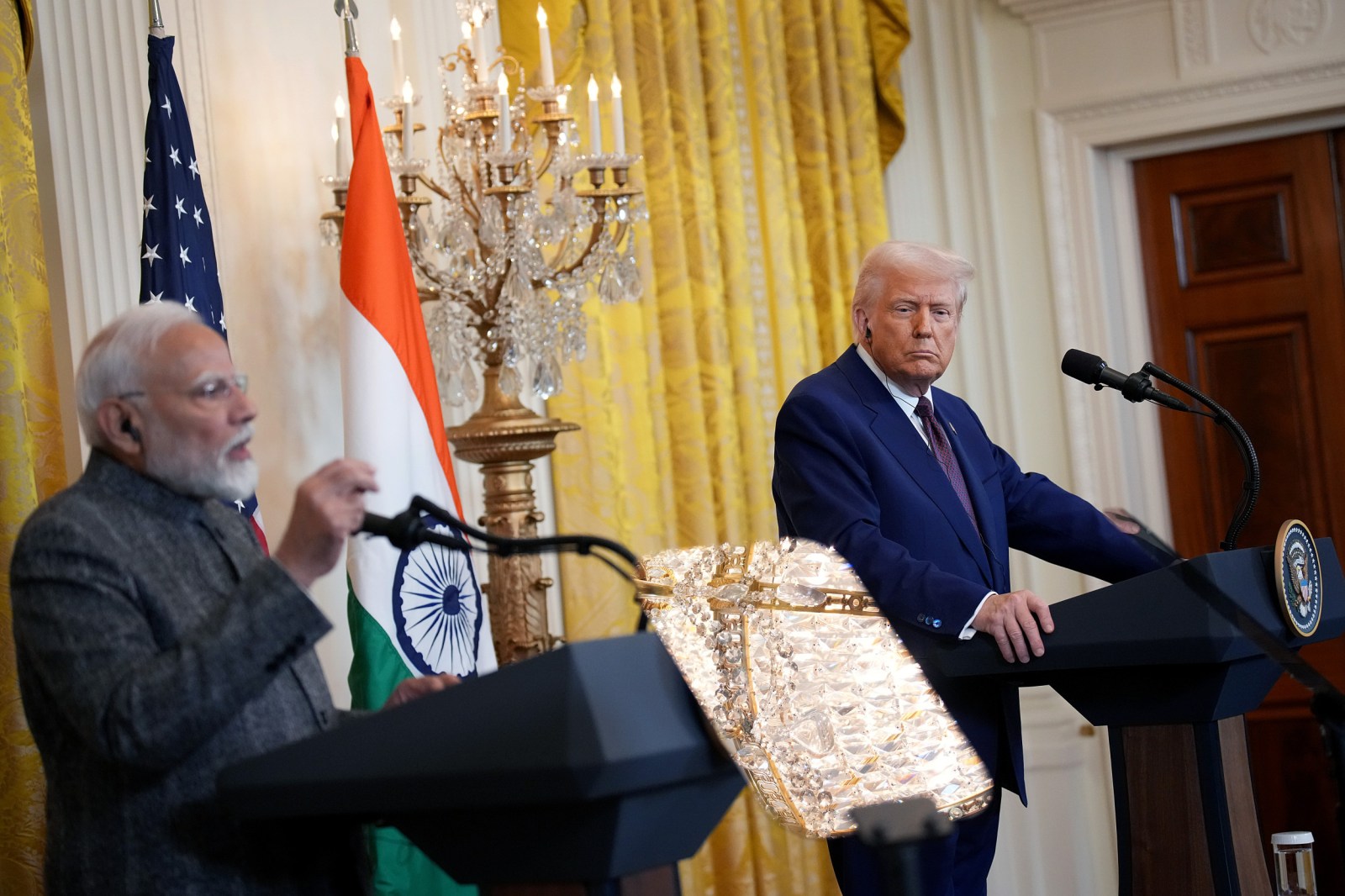
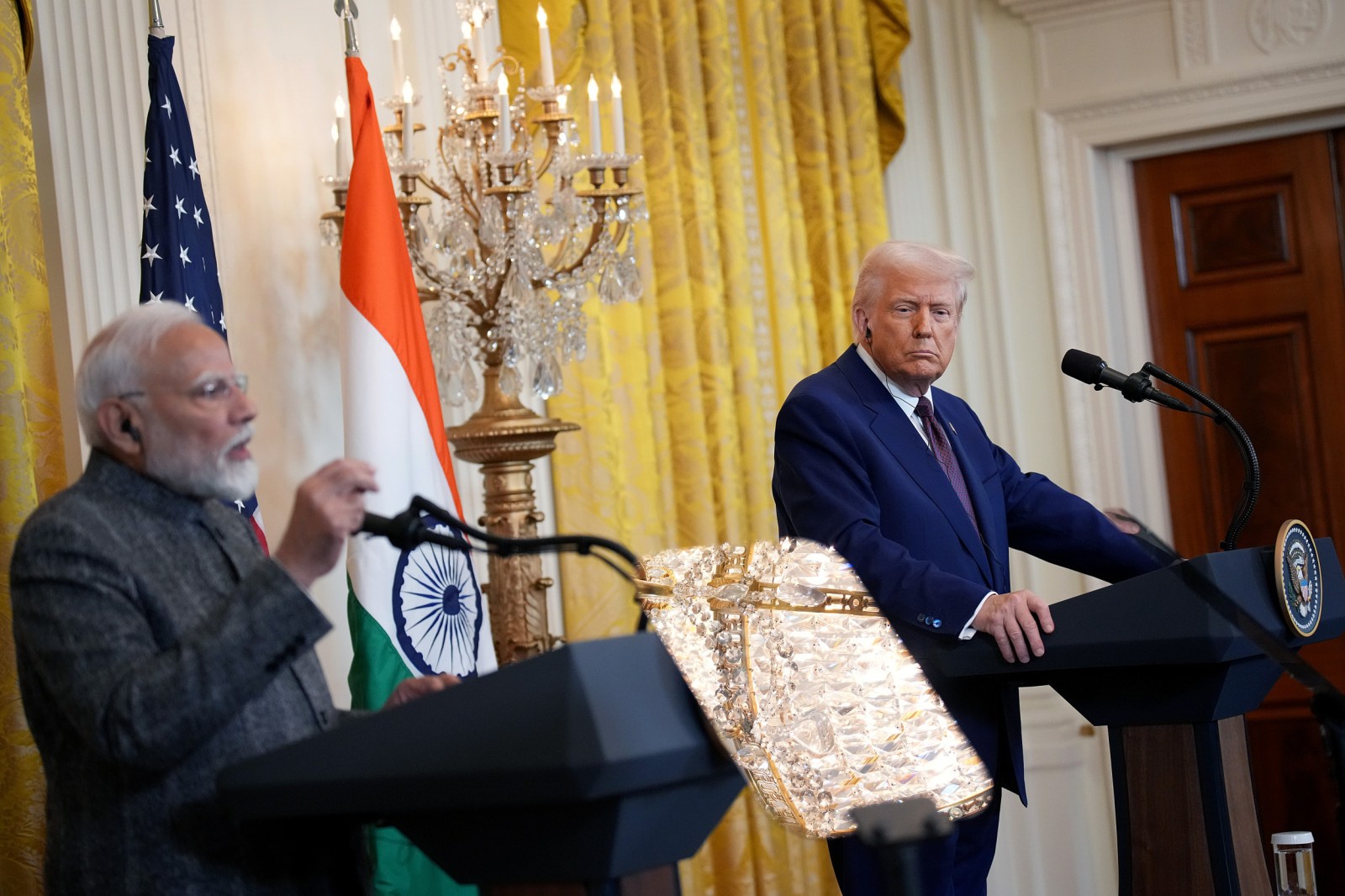
Surprise announcement on Truth Social outlines tariff reductions President Donald Trump posted on February 2, 2026 that the United States will lower tariffs on Indian imports from the previous 25% penalty level to a flat 18% rate, while also removing a separate 25% penalty tied to India’s purchases of Russian crude oil [1]. The tariff relief is conditioned on India halting all imports of Russian oil, a move presented as a lever to pressure Moscow over the Ukraine war [1]. The deal was framed as benefiting American workers, energy producers, and broader security interests [1].
Modi’s response emphasizes export benefits, downplays Russia clause Indian Prime Minister Narendra Modi posted on X that he was “delighted” Indian products would face an 18% U.S. tariff, highlighting the opportunity for Indian exporters and the 1.4 billion‑person market [1]. He did not mention the Russian oil condition, focusing instead on the commercial upside for India [1]. The timing follows India’s recent free‑trade agreement with the European Union, which gave Delhi leverage to negotiate with Washington [1].
U.S. officials link tariff relief to Russian oil pressure Treasury Secretary Scott Bessent noted that India’s purchases of Russian oil had “collapsed” and argued that eliminating the penalty tariff would further reduce Kremlin revenue [1]. Ambassador to India Sergio Gor hinted at the agreement on social media before the announcement, indicating high‑level coordination between the two governments [1]. The White House presented the tariff cut as a tool to compel India to cease Russian oil imports, aligning trade policy with geopolitical objectives [1].
Analysts view the pact as a strategic supply‑chain shift Experts interpret the agreement as part of a broader U.S. strategy to position India as a non‑China manufacturing and defense partner [1]. The reduced tariffs aim to reshape global supply chains, encouraging companies to source from India rather than China [1]. The move also seeks to strengthen security cooperation amid regional tensions involving Iran and the ongoing Ukraine conflict [1].
Timeline
Jan 6, 2026 – At a House GOP retreat, President Trump tells the audience that Prime Minister Narendra Modi “is not that happy with me” because Washington imposes a 50% tariff on India, including a 25% penalty tied to Russian oil purchases; he claims India has “reduced it very substantially” after the tariffs, recalls Modi asking for a private meeting, and announces a change to the pending delivery of 68 Apache helicopters after a five‑year wait, framing the tariffs as leverage to curb Russian oil revenue and pressure Moscow over Ukraine [2].
Early 2026 – India finalizes a landmark free‑trade agreement with the European Union, giving Delhi new leverage in global markets and prompting Washington to act quickly to retain influence over India’s trade policy before Europe outflanks the United States [1].
Feb 2, 2026 – President Trump uses Truth Social to announce a surprise trade deal that cuts U.S. tariffs on Indian goods to 18% and eliminates a 25% penalty tariff, conditional on India halting imports of Russian crude, marking a rapid shift after weeks of strained U.S.–India relations [1].
Feb 2, 2026 – Prime Minister Modi posts on X that he is “delighted” Indian products will face an 18% tariff, thanks President Trump on behalf of India’s 1.4 billion people, and downplays the Russian oil clause, presenting the agreement as a boost for Indian exporters [1].
Feb 2, 2026 – Newly appointed U.S. Ambassador to India Sergio Gor tweets “President Trump just spoke with Prime Minister Modi. STAY TUNED…” shortly before the deal is revealed, signaling that top‑level officials coordinate the announcement [1].
Feb 2, 2026 – Treasury Secretary Scott Bessent states that India’s purchases of Russian oil have “collapsed” and links the removal of the penalty tariff to a strategy of choking off Kremlin revenue, tying the trade concession to U.S. pressure on Russia over the Ukraine war [1].
Feb 2, 2026 – Analysts interpret the agreement as part of a broader U.S. effort to anchor India as a non‑China manufacturing and defense partner, reshape global supply chains, and reinforce security cooperation amid regional tensions involving Iran and the Ukraine conflict [1].