U.S. Citizen Killed as Cuban Forces Shoot Down Florida‑Registered Speedboat Near Cayo Falcones
Updated (9 articles)
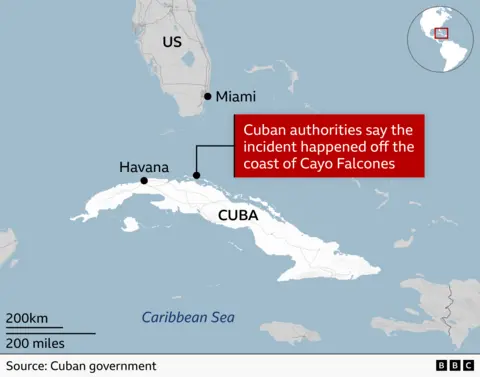
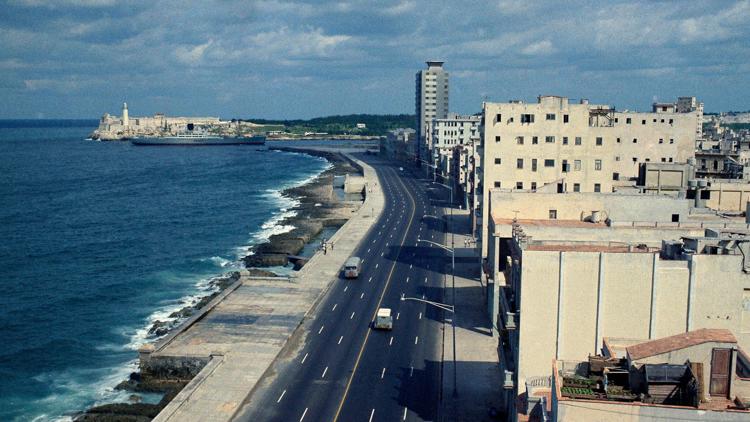
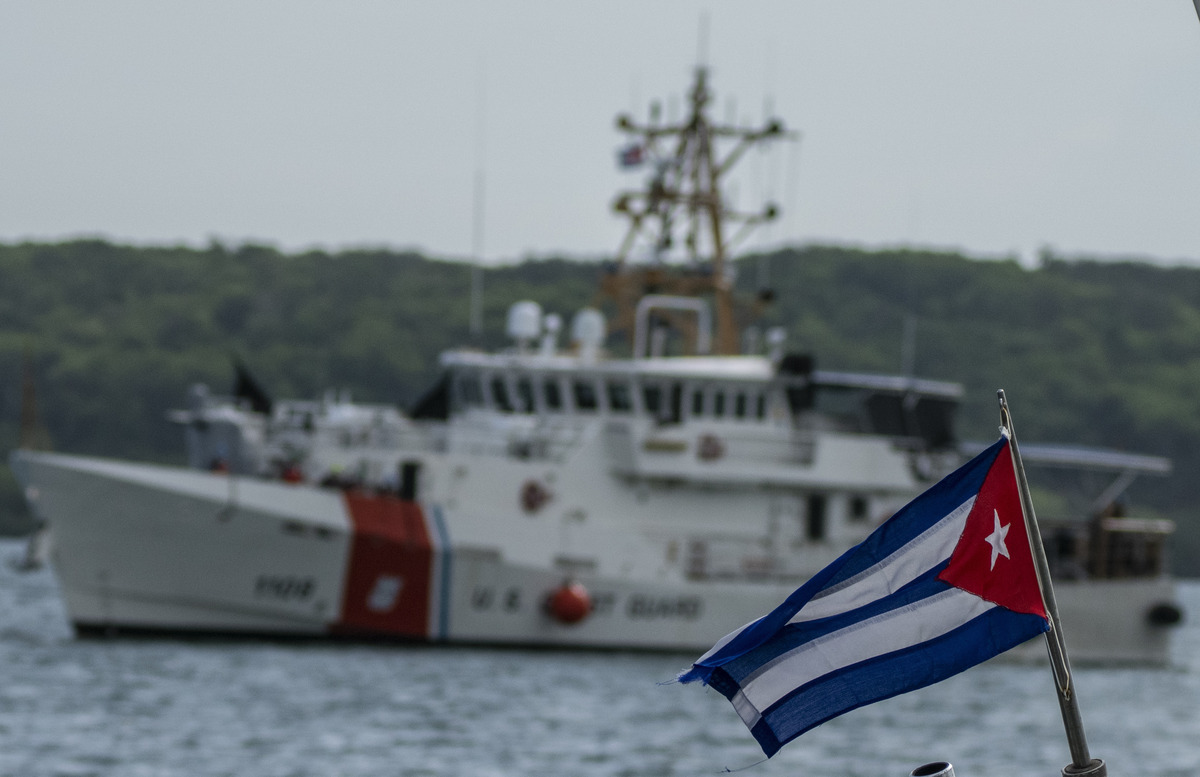
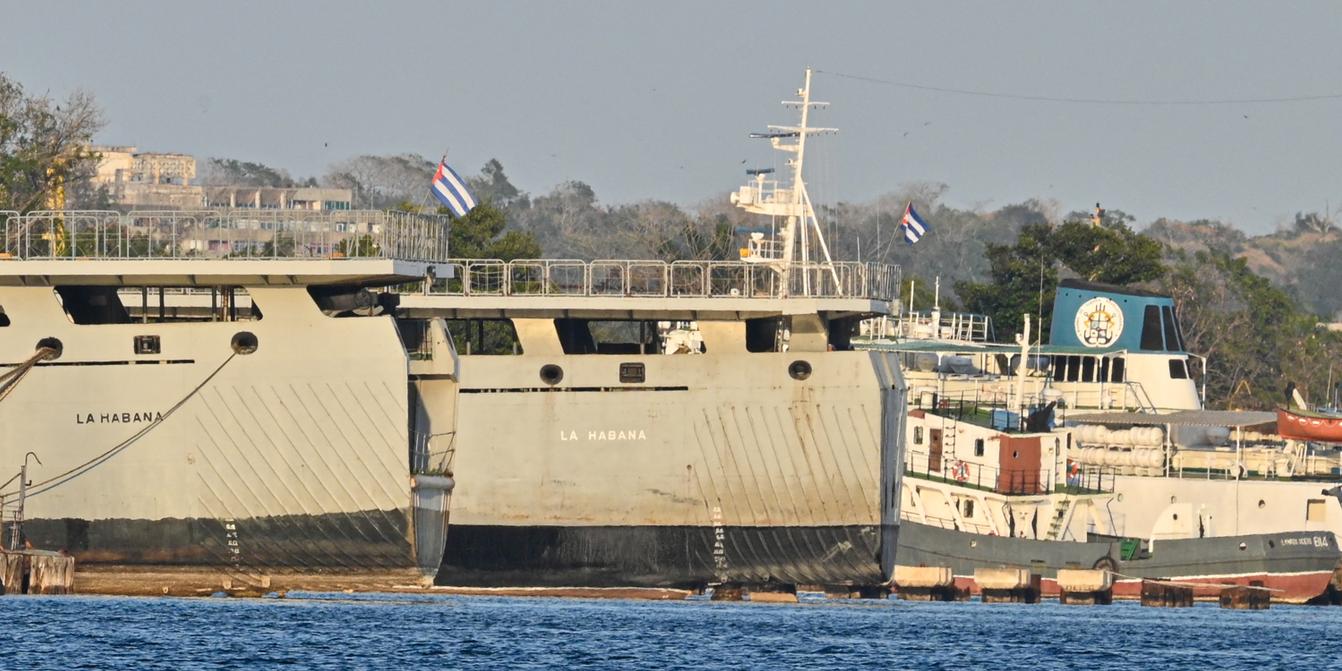
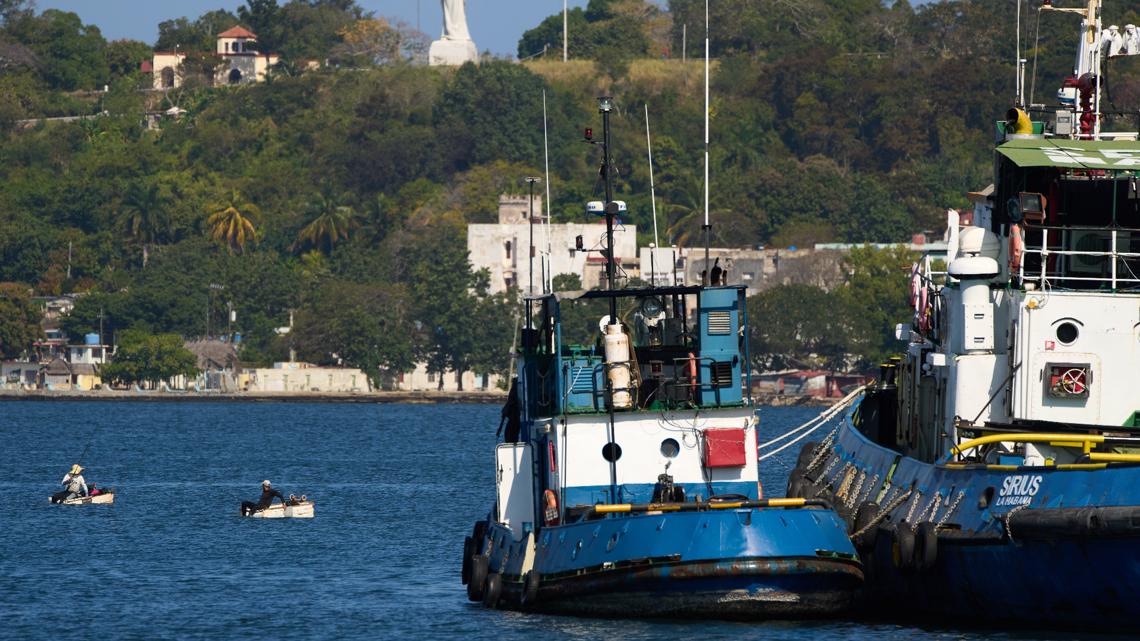
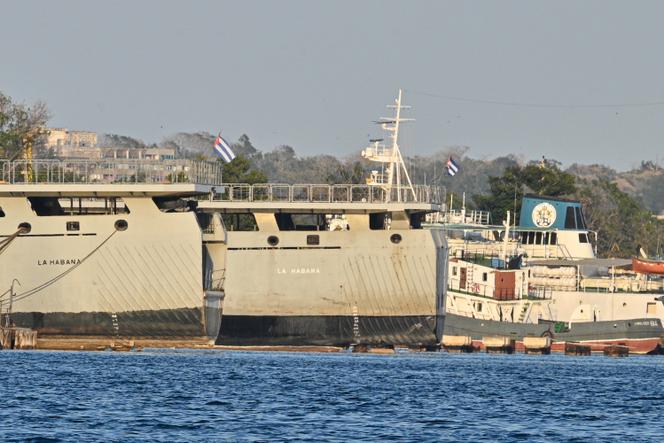
Deadly Exchange of Fire Near Cayo Falcones Leaves Four Dead, Six Wounded On February 25, 2026 a Florida‑registered 24‑foot speedboat entered Cuban territorial waters about one nautical mile off Cayo Falcones; Cuban border guards opened fire after the vessel’s occupants allegedly shot first, resulting in four passenger deaths—including U.S. citizen Michel Ortega Casanova—and six injuries among the ten people aboard [1][2][3][4][5][6][7][9].
Passengers Identified as Armed Cuban Exiles, Some Holding U.S. Visas Cuban authorities named ten occupants as Cuban nationals residing in the United States, two of whom (Amijail Sánchez González and Leordan Enrique Cruz Gómez) are wanted for terrorism‑related crimes; U.S. officials confirmed two American citizens were on board, one a K‑1 visa holder, and a third U.S. citizen was wounded [1][3][5][7][9].
Weapons, Explosives and Tactical Gear Recovered from the Boat Searches uncovered assault rifles, handguns, homemade explosive devices, bullet‑proof vests, telescopic sights and camouflage uniforms, indicating a paramilitary intent; Cuban interior ministry described the load as “terrorist equipment” [2][3][4][7][9].
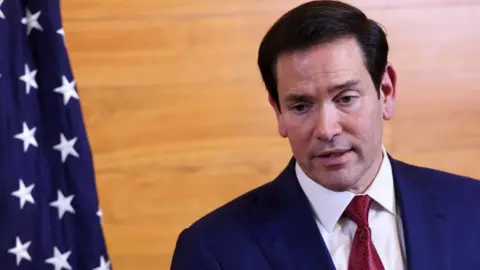
U.S. Launches Independent Investigations While Denying Government Involvement Secretary of State Marco Rubio called the incident “highly unusual,” ordered DHS, the Coast Guard and the Southern District of Florida to gather facts, and emphasized no U.S. personnel participated; the administration also expressed willingness to cooperate with Havana’s probe [1][2][3][4][5][6][7][9].
Discrepancies Highlighted: Citizenship Claims and Boat Ownership Cuba asserts all passengers were Cuban nationals, whereas U.S. sources note two American citizens and a K‑1 visa holder; Cuban officials later corrected a misidentified participant’s name, and a Florida sheriff’s report linked the stolen boat (FL7726SH) to tile worker Hector Correa, who allegedly took it without permission [1][2][6][8].
Sources
-
1.
CNN: US Citizen Killed in Cuba Speedboat Shootout Amid Rising Tensions: Details the four deaths, boat theft linked to Hector Correa, and U.S. investigations, emphasizing the broader U.S.–Cuba diplomatic strain .
-
2.
AP: Cuban Troops Clash with Armed Expatriates on Speedboat, Four Killed: Highlights the firefight, victim Michel Ortega Casanova, and Trump administration’s oil‑tariff policy .
-
3.
BBC: American Citizen Killed as Cuban Forces Fire on Florida‑Registered Speedboat: Reports the U.S. citizen casualty, K‑1 visa passenger, and Cuban claims of terrorist infiltration .
-
4.
WBNS: Cuba Says Four Killed in Speedboat Shootout Were Armed Infiltrators: Focuses on passenger criminal histories, Rubio’s fact‑finding, and family statements from Ortega Casanova’s brother .
-
5.
King5: Cuba Says Four Killed as Speedboat Carrying Armed Exiles Opened Fire on Soldiers: Mirrors WBNS coverage, adds details on U.S. diplomatic pressure and oil tariff .
-
6.
Le Monde: Cuba Says U.S.-Linked Boat Attack Was Terrorist Infiltration; Washington Offers Cooperation: Provides Cuban list of ten suspects, correction of a misnamed participant, and U.S. willingness to share information .
-
7.
AP (Diplomatic Tensions): Deadly Boat Shooting Off Cuba Raises Diplomatic Tensions: Summarizes the incident, U.S. denial of involvement, and the Southern District of Florida’s citizenship probe .
-
8.
AP (Photo Gallery): Cuba Photo Gallery Shows Daily Life Amid US Speedboat Shooting Tensions: Offers visual context of Havana life despite the security incident, noting routine maritime traffic .
-
9.
Newsweek: Cuba Says Speedboat Attack Was Terrorist Plot, Kills Four, Wounds Six: Emphasizes the terrorist narrative, the eleventh arrested coordinator, and calls from U.S. officials for a probe amid worsening oil embargo .
Related Tickers
Timeline
2022 – Cuba reports seizing 13 U.S. boats carrying 23 crew members on alleged human‑trafficking missions, reinforcing its long‑standing practice of intercepting exile‑run vessels [2].
Jan 2026 – U.S. forces capture Venezuelan President Nicolás Maduro, a move that heightens regional tensions and precedes a sharp U.S. stance toward Cuba [1].
Feb 3, 2026 – Scheduled power outages hit Santa Cruz del Norte, one of Cuba’s largest thermoelectric sites, as the island continues energy rationing amid fuel shortages [6].
Feb 12, 2026 – The Mexican Navy ship Papaloapan delivers humanitarian aid to Havana, underscoring regional assistance despite Cuba’s deepening economic crisis [6].
Feb 2026 – The United States renews a national‑emergency authority that permits boarding of vessels heading toward Cuba, a legal tool last used during the Clinton era [2].
Feb 25, 2026 – Cuban border guards fire on a Florida‑registered speedboat near Cayo Falcones after the vessel’s passengers open fire, killing four occupants—including U.S. citizen Michel Ortega Casanova—and wounding six, while Cuban troops sustain one injury [1][2][3][4][5][7][8][9].
Feb 25, 2026 – Cuban authorities label the ten‑person crew as “armed infiltrators” planning a terrorist operation, recovering handguns, assault rifles, improvised explosive devices, body armor and camouflage gear on board [1][3][4][5][7][8][9].
Feb 25, 2026 – An eleventh individual, Duniel Hernández Santos, is arrested on Cuban soil and reportedly confesses to coordinating the infiltration [3][9].
Feb 26, 2026 – Cuban Vice‑Minister of Foreign Affairs Carlos Fernández de Cossío states that the United States “has shown itself willing to cooperate to clarify these regrettable events” and offers to exchange investigative information [9].
Feb 26, 2026 – The U.S. Treasury announces a limited easing of private‑sector transactions, permitting limited humanitarian oil sales to Cuba amid the broader embargo [1].
Feb 26, 2026 – President Donald Trump signs an executive order imposing a tariff on any country that sells oil to Cuba, intensifying the de‑facto oil embargo [4][7][8].
Feb 26, 2026 – Secretary of State Marco Rubio calls the shootout “highly unusual,” affirms no U.S. personnel were involved, and orders a separate U.S. fact‑finding mission [1][2][3][4][5][7][8].
Feb 26, 2026 – Florida Attorney General James Uthmeier and Rep. Carlos Giménez demand an immediate U.S. probe, while Vice President JD Vance says the White House is monitoring the case [3][7].
Feb 26, 2026 – The Southern District of Florida launches a parallel investigation, seeking citizenship and residency data on the boat’s passengers [5].
Feb 27, 2026 – President Miguel Díaz‑Canel posts on X that Cuba will defend its sovereignty with “determination and firmness” against any “terrorist or mercenary aggression” [1][4][5].
Feb 27, 2026 – Cuban officials accuse anti‑Cuban groups operating in the United States of orchestrating the terrorist infiltration, linking the incident to broader U.S. hostility toward Havana [9].
External resources (6 links)
- https://gimenez.house.gov/press-releases?ID=3DF42368-01A1-4566-ABE5-BE05FD37B340 (cited 1 times)
- https://ofac.treasury.gov/faqs/1238 (cited 1 times)
- https://www.federalregister.gov/documents/2026/02/18/2026-03272/continuation-of-the-national-emergency-with-respect-to-cuba-and-of-the-emergency-authority-relating (cited 1 times)
- https://www.instagram.com/allingpavel/reel/DU1DWt4DGRR/ (cited 1 times)
- https://x.com/AGJamesUthmeier/status/2026750551338205242 (cited 1 times)